Rotary and Rotaract: lunches, meetings, Art Jam, busy!

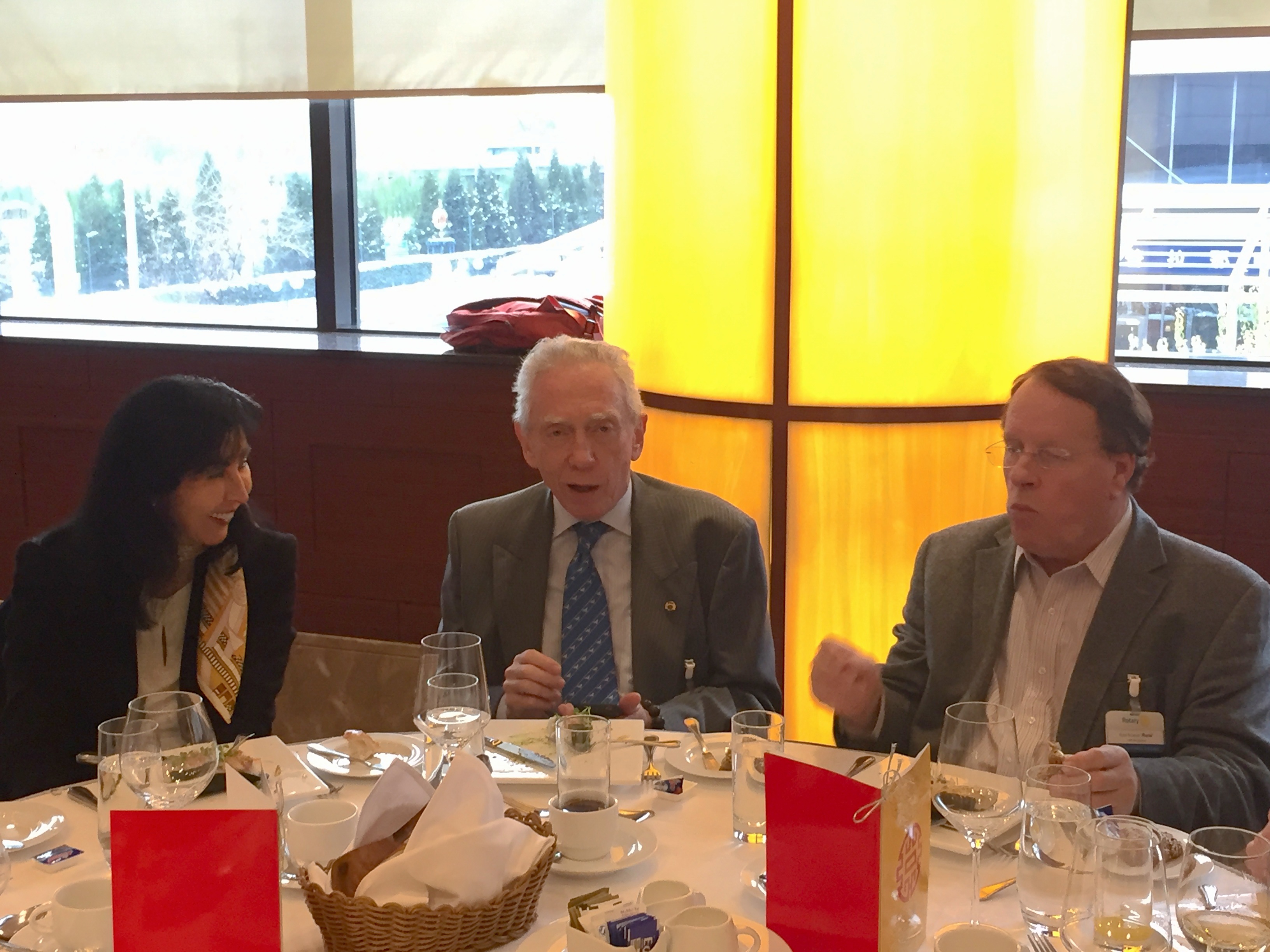
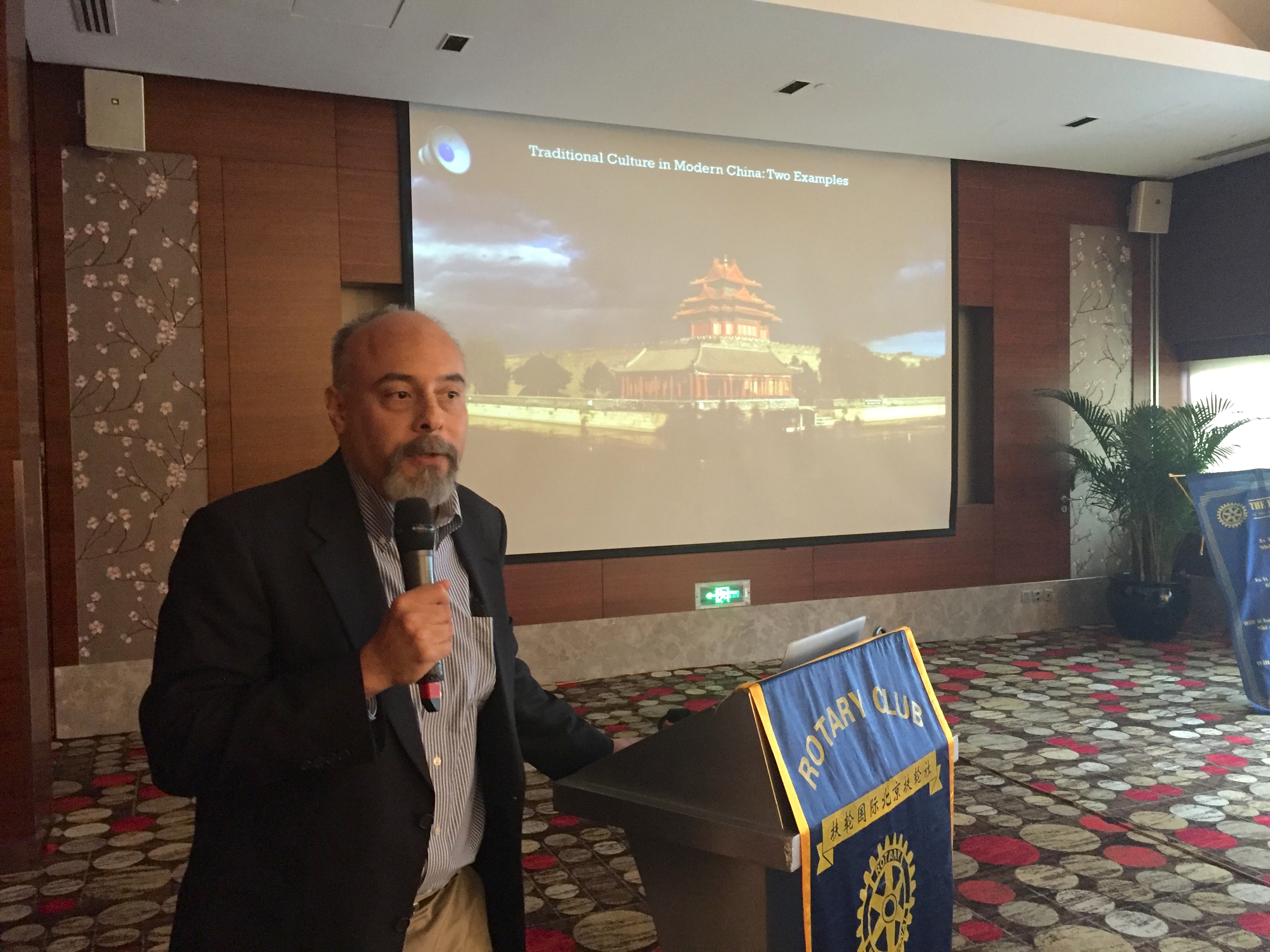
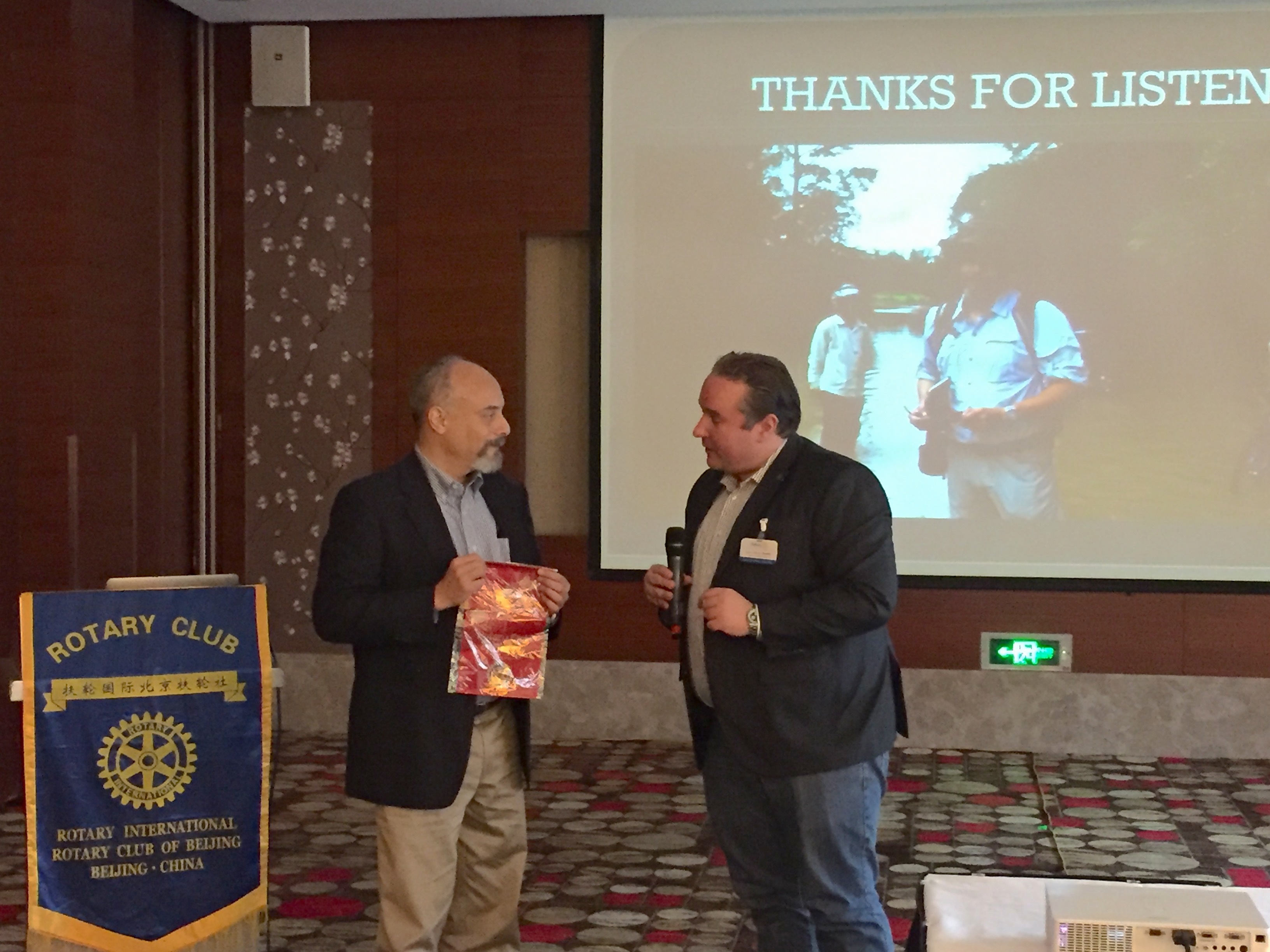
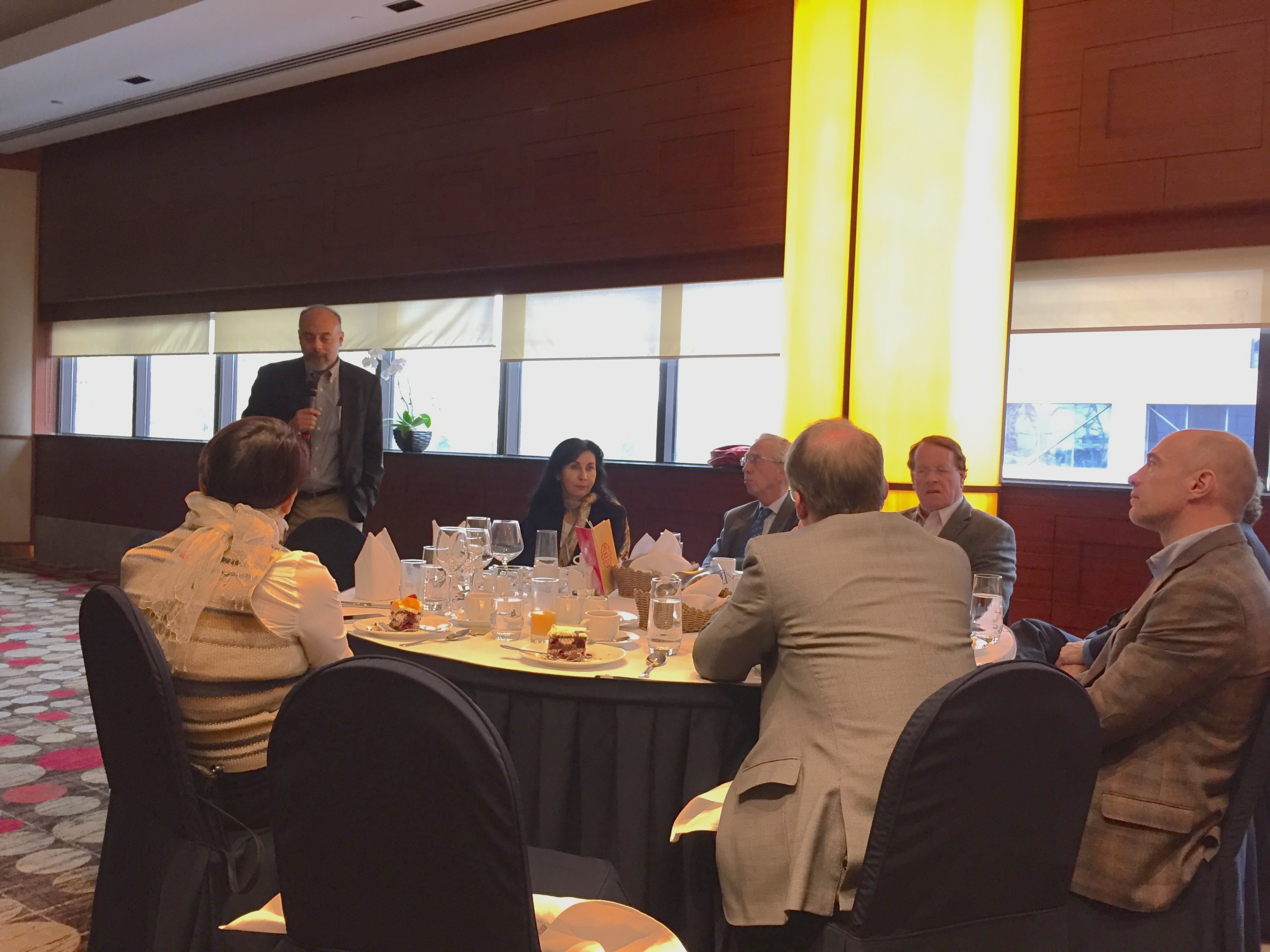
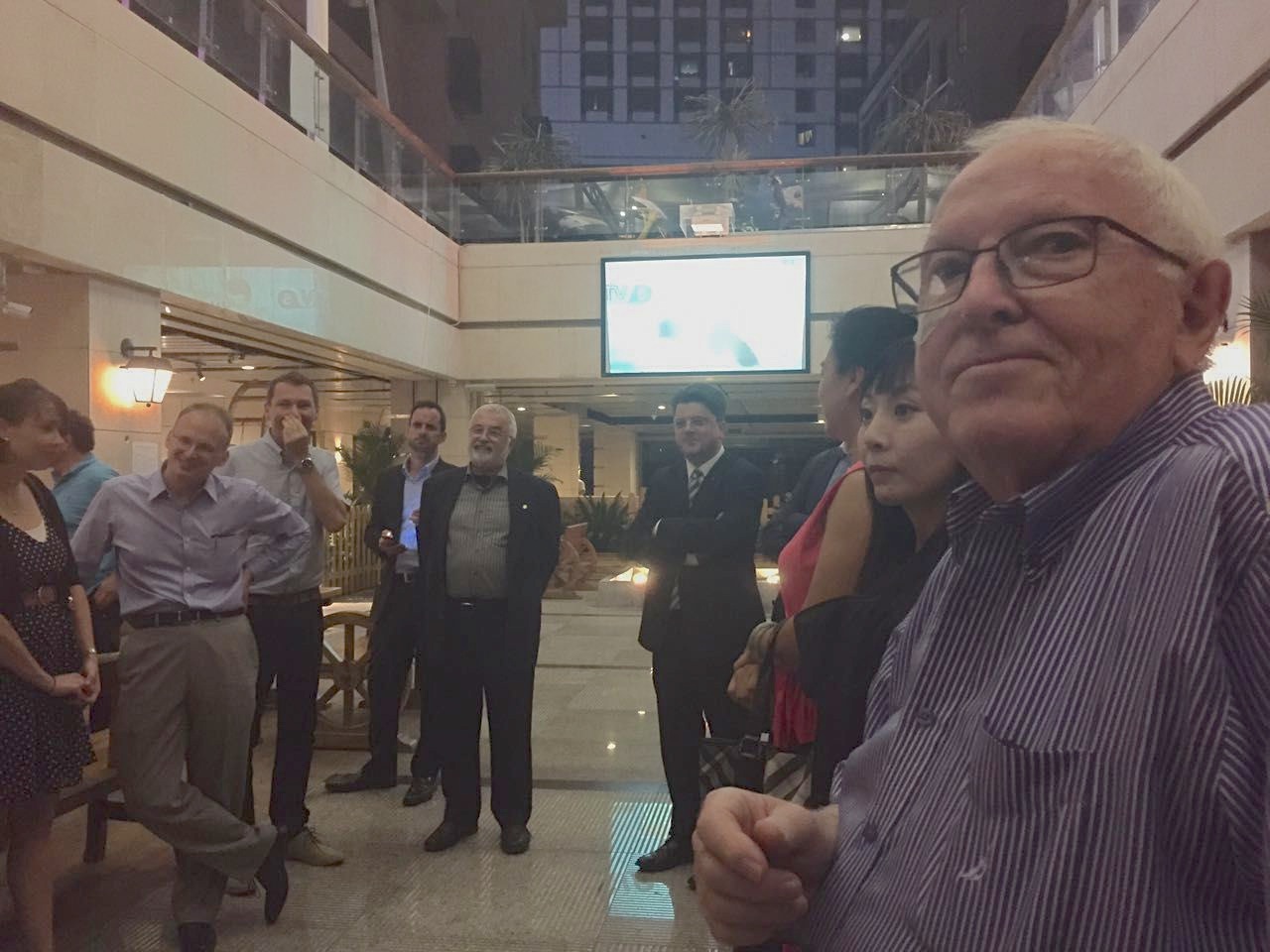
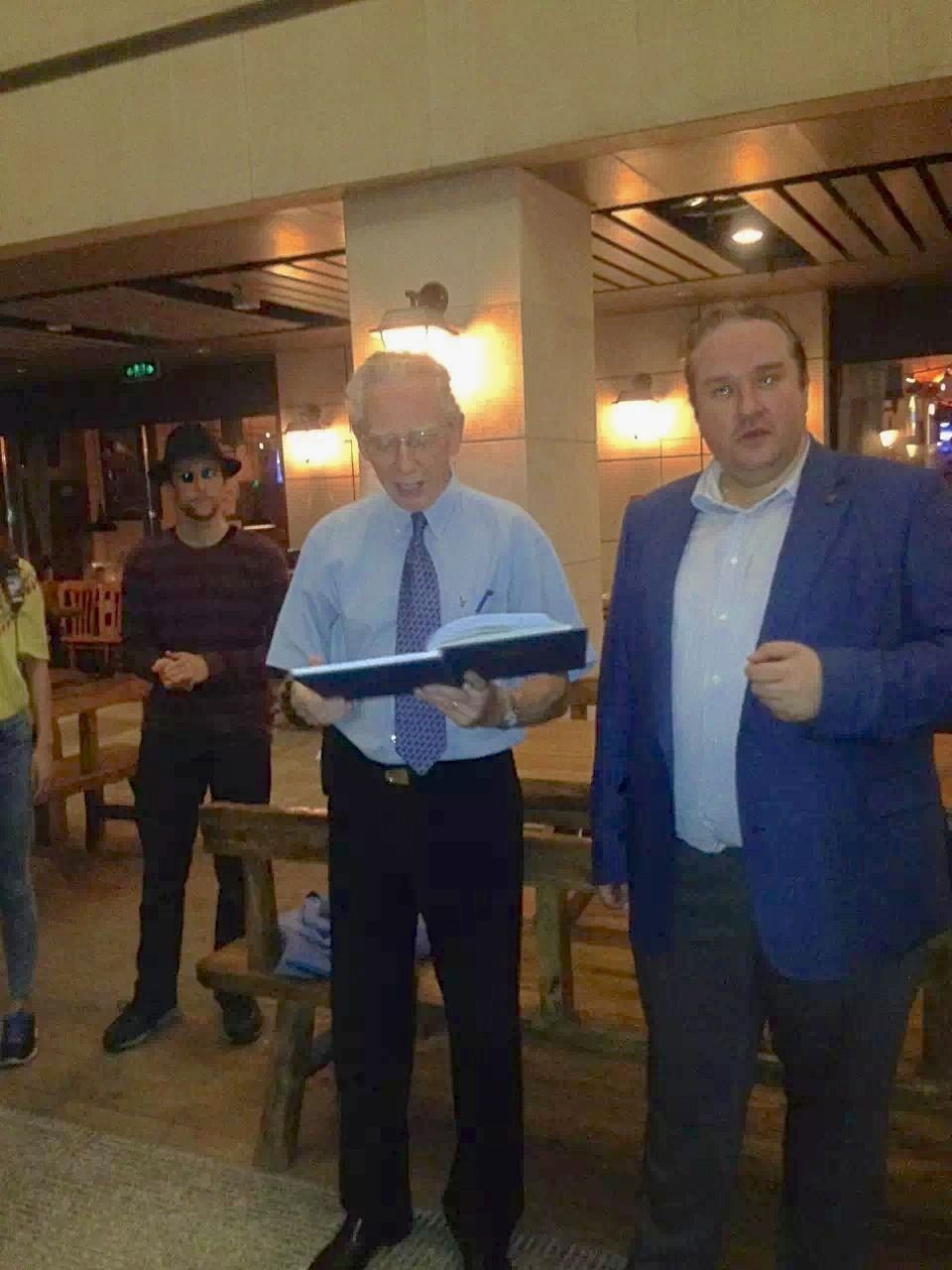
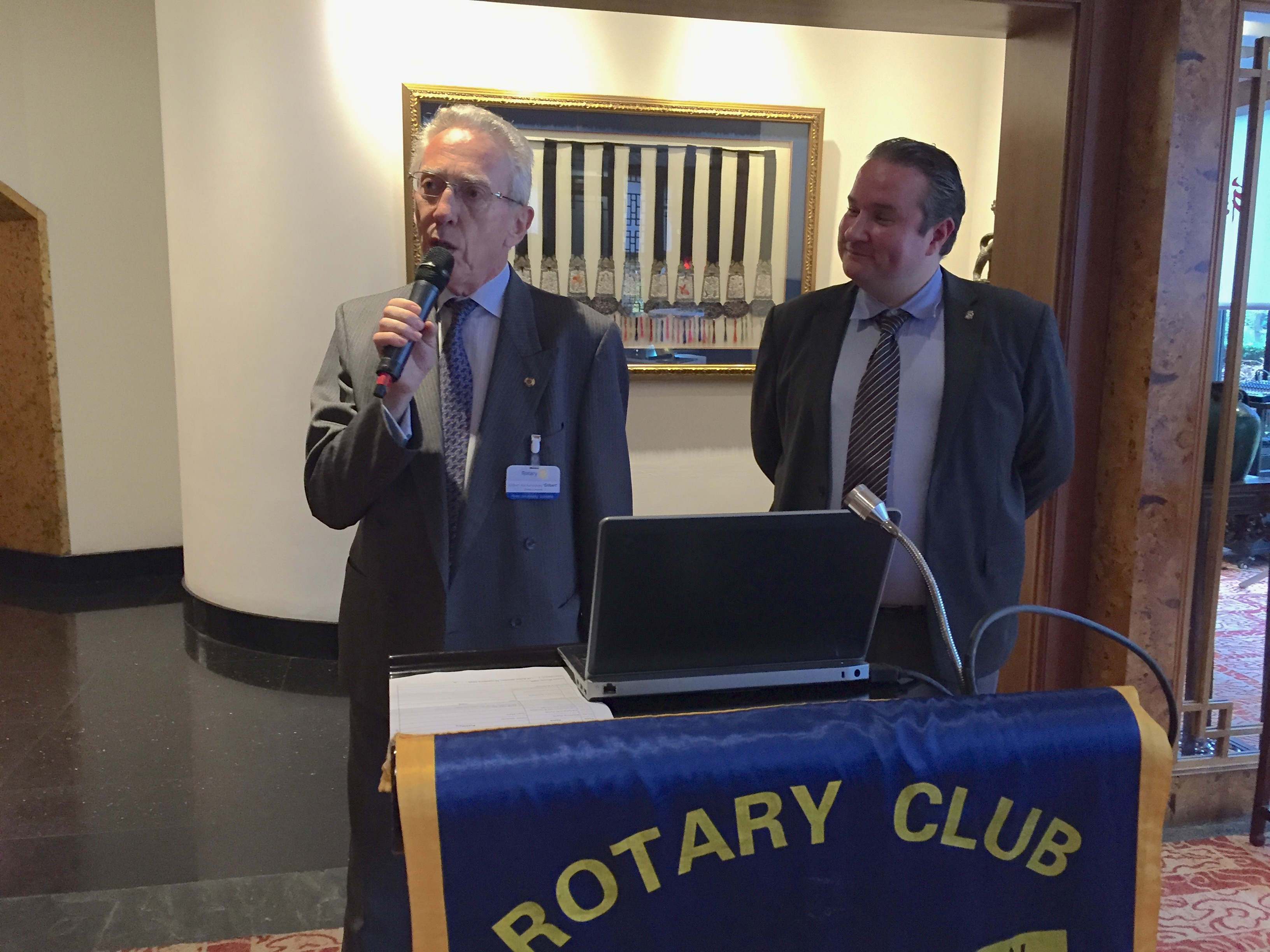
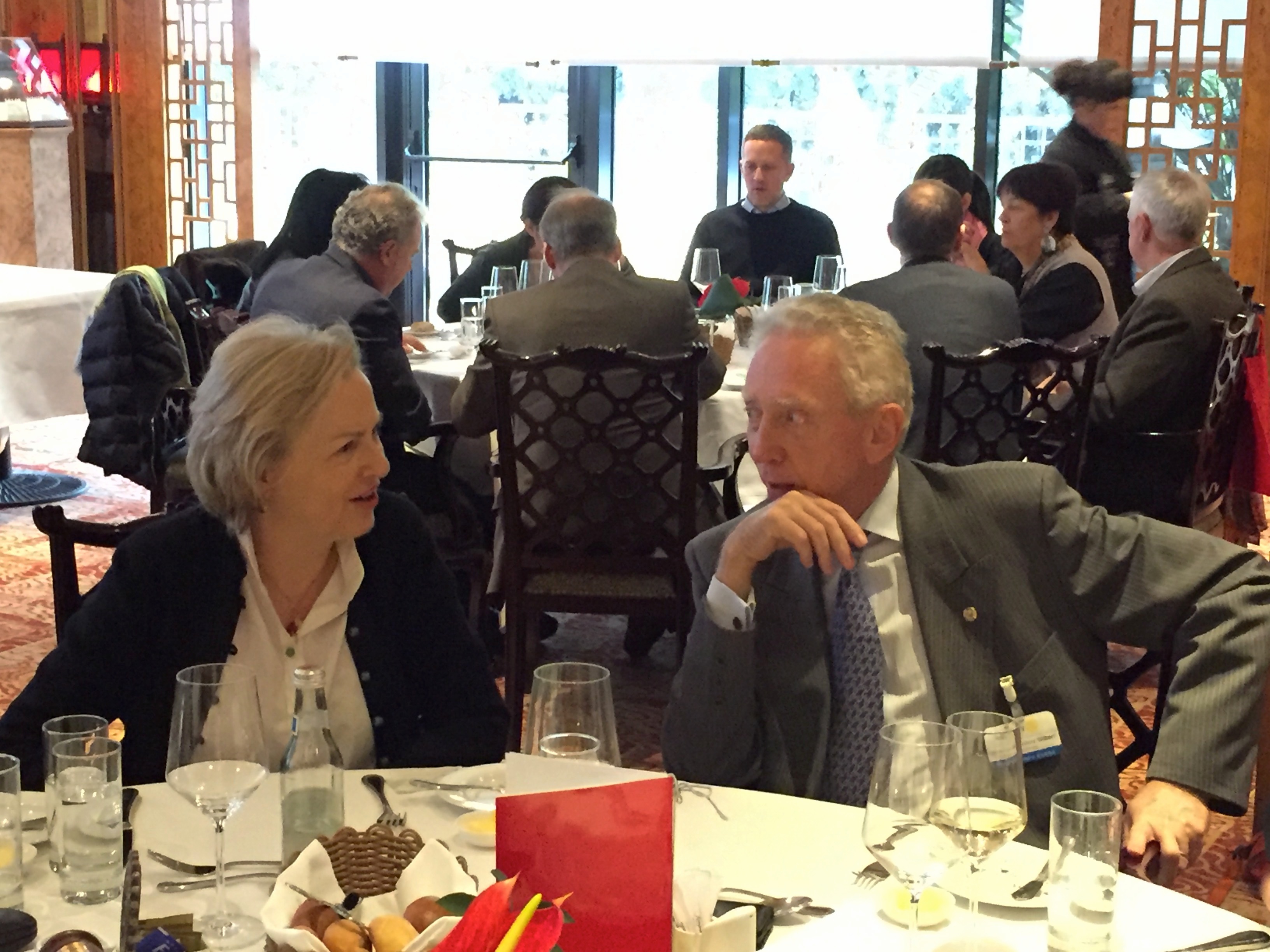
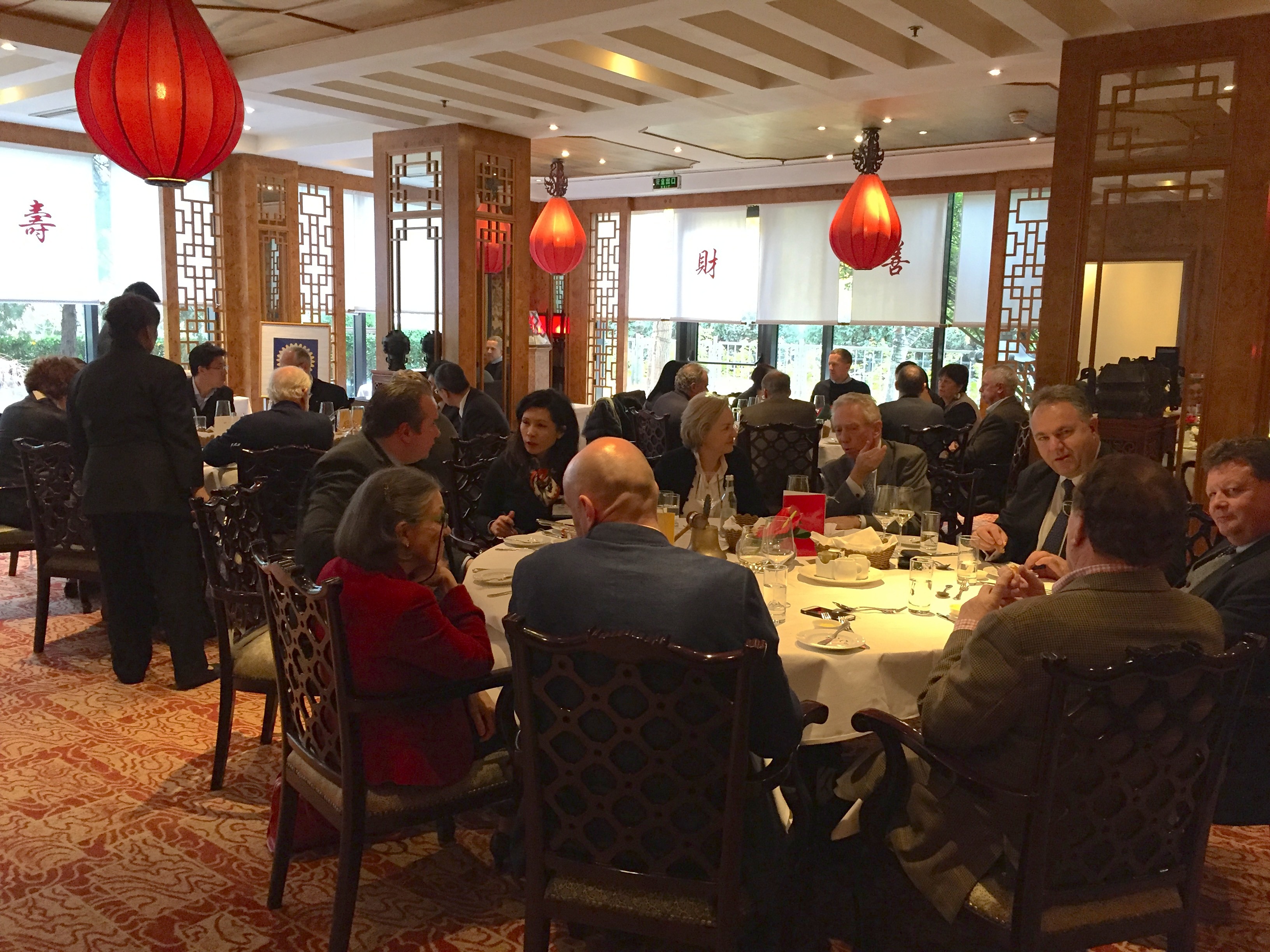
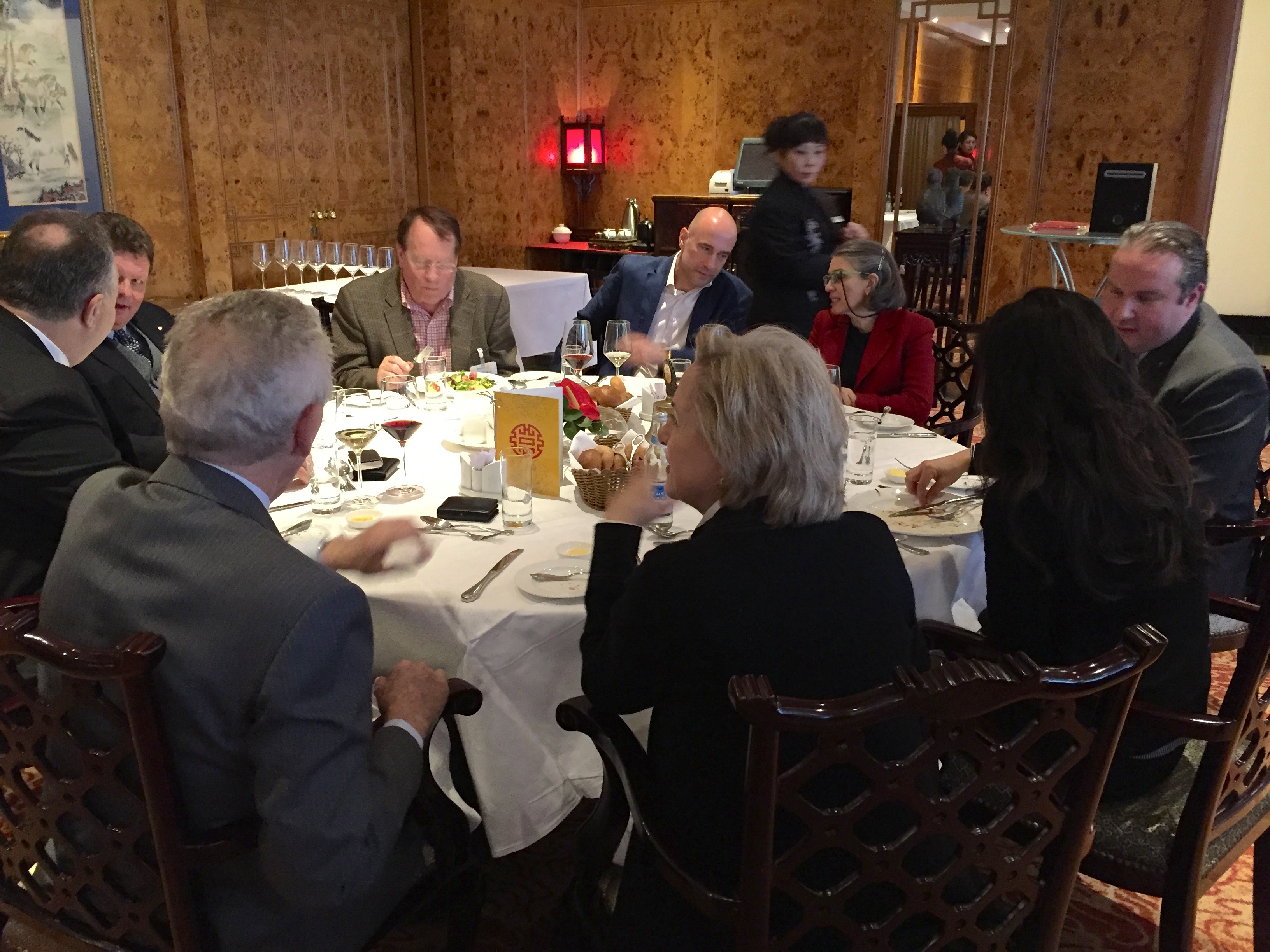
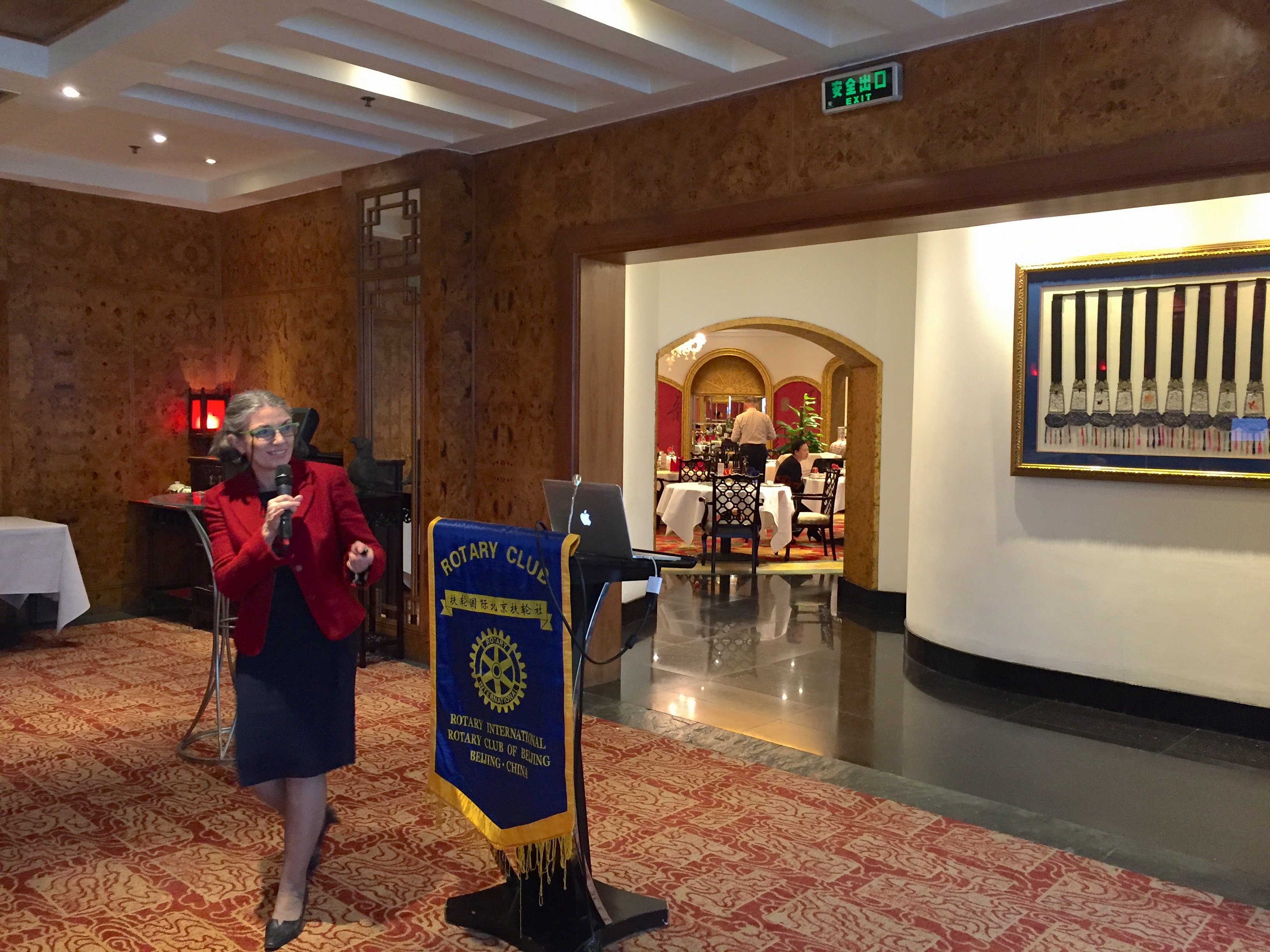
For our Rotary lunch in Kempinski Hotel on 24 November we had as speaker Mr. Anthony Kuhn, China Correspondent for National Public Radio (USA).
He is a real China veteran (and is obviously welcome to our Old China Hands Lunch!) and as such gave an interesting and personal insight into cultural aspects of China today.
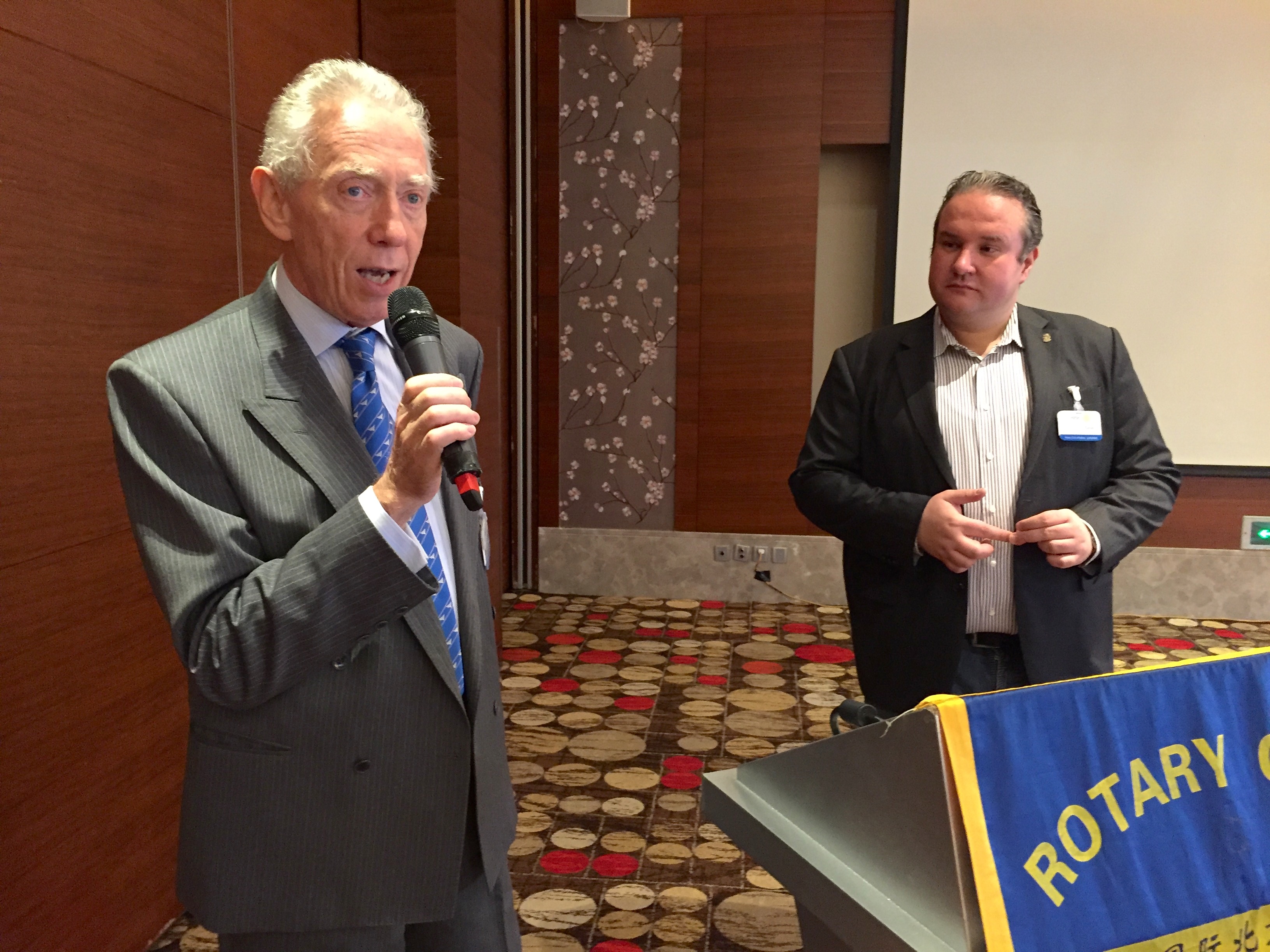
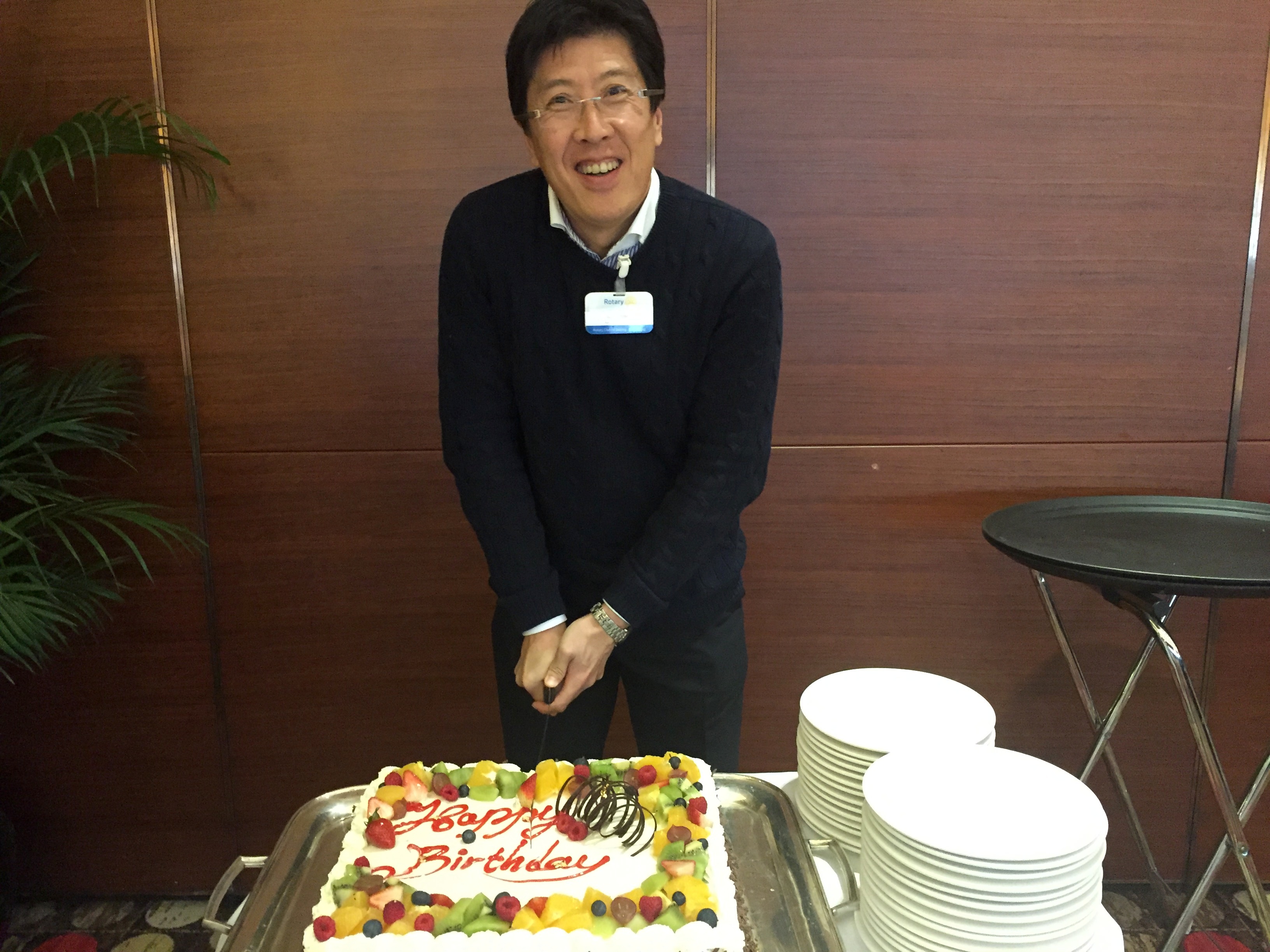
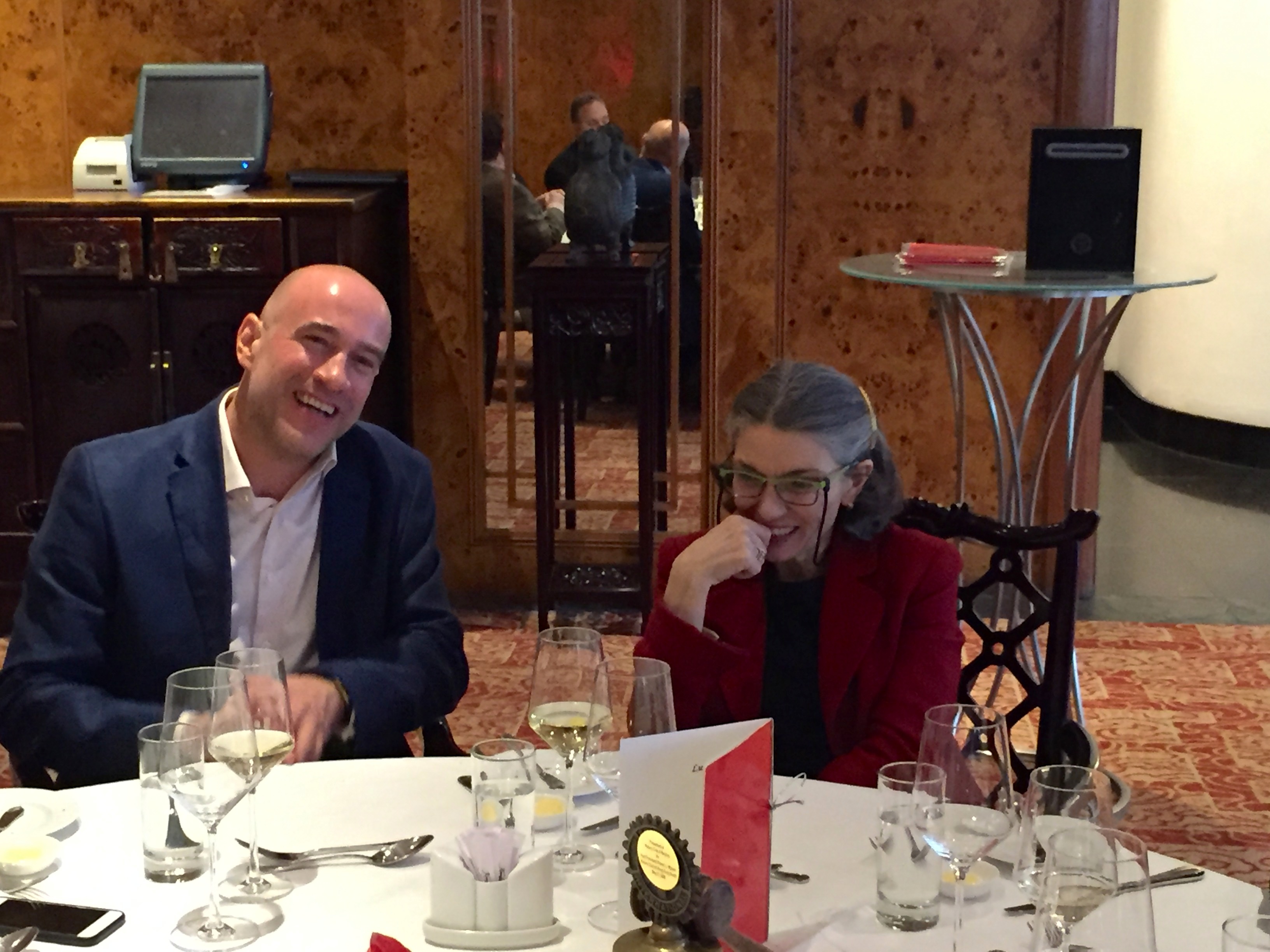
Thanks to Celine and our Rotaractors for some of the pics.
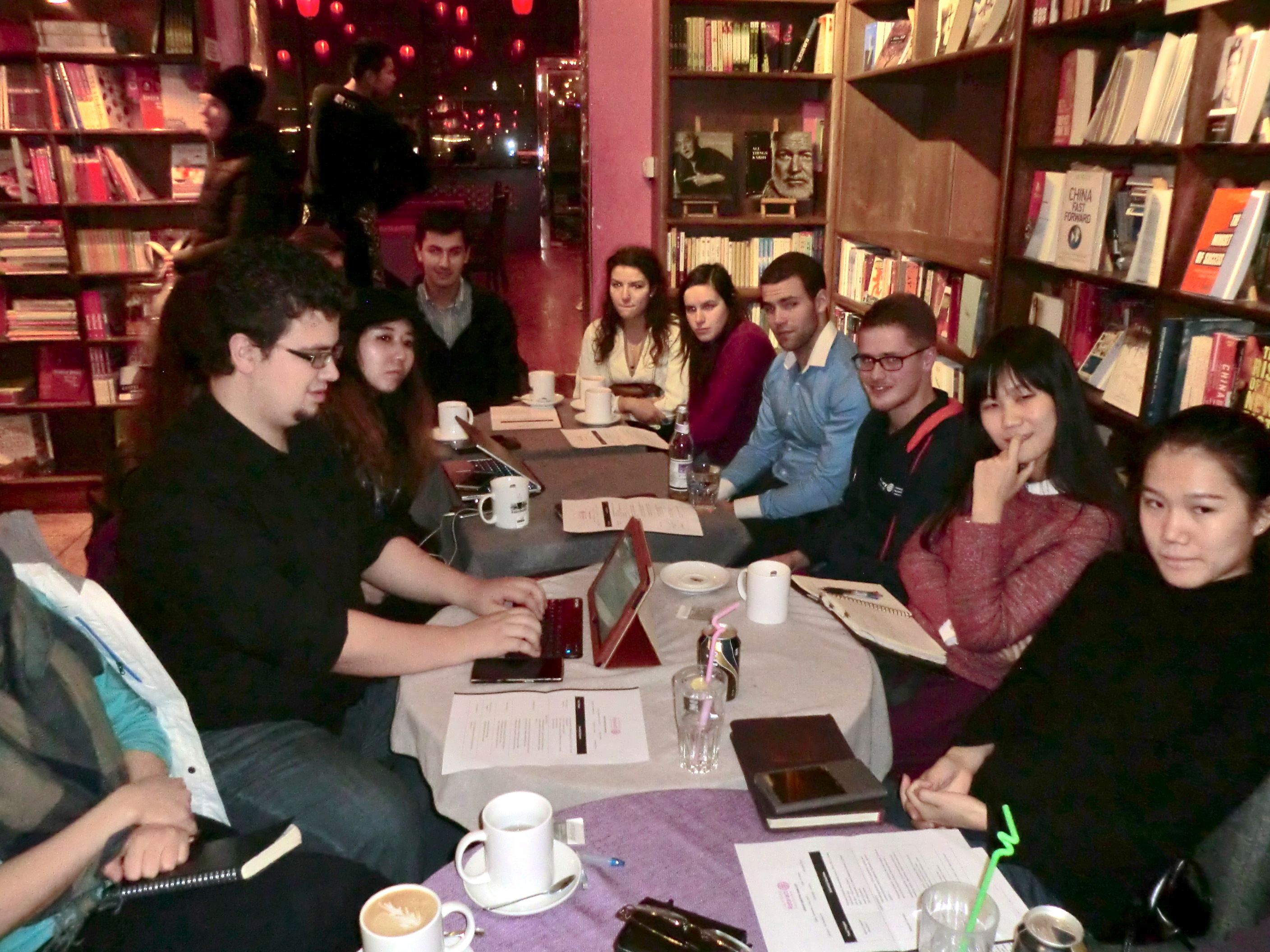
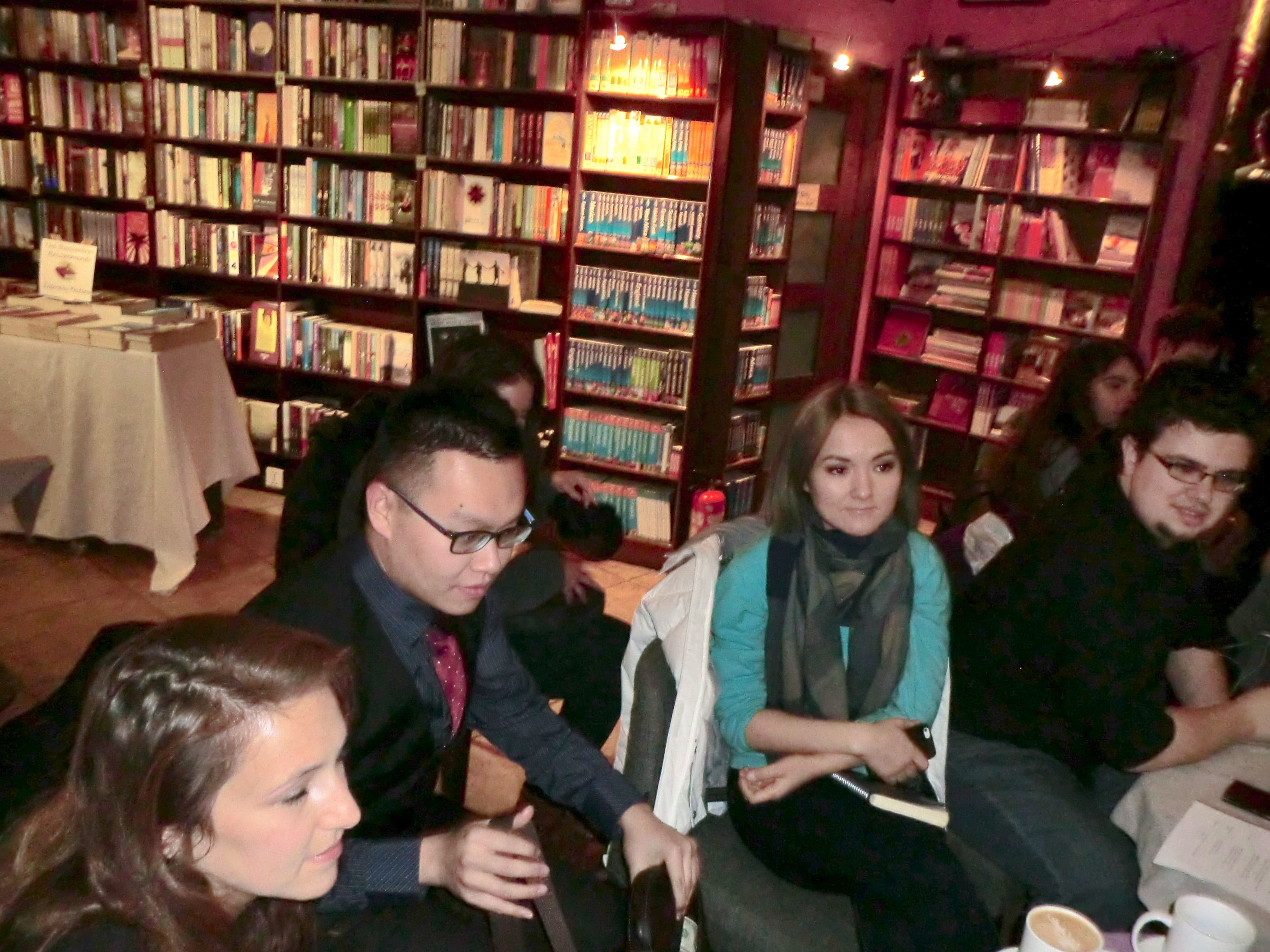
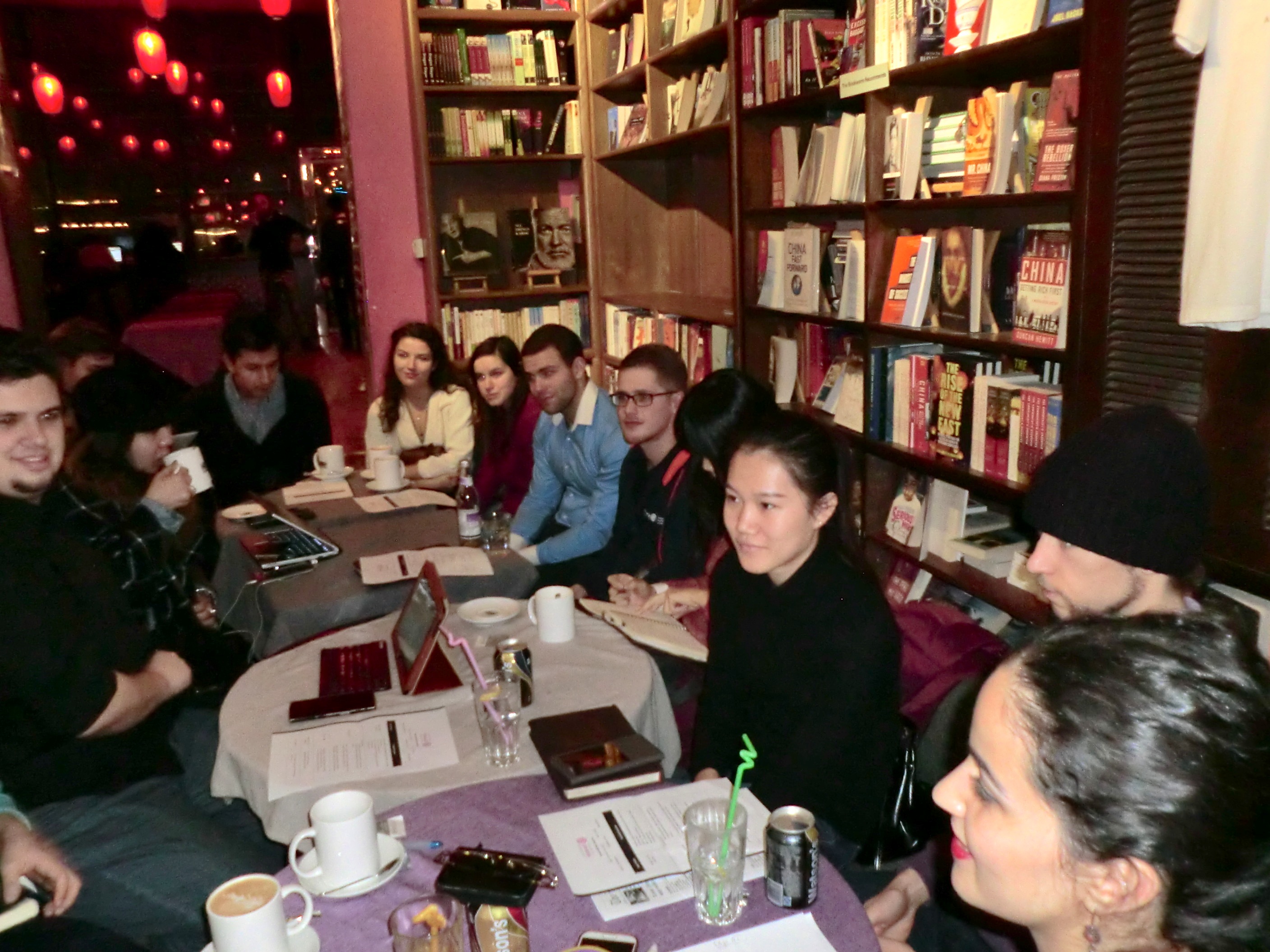
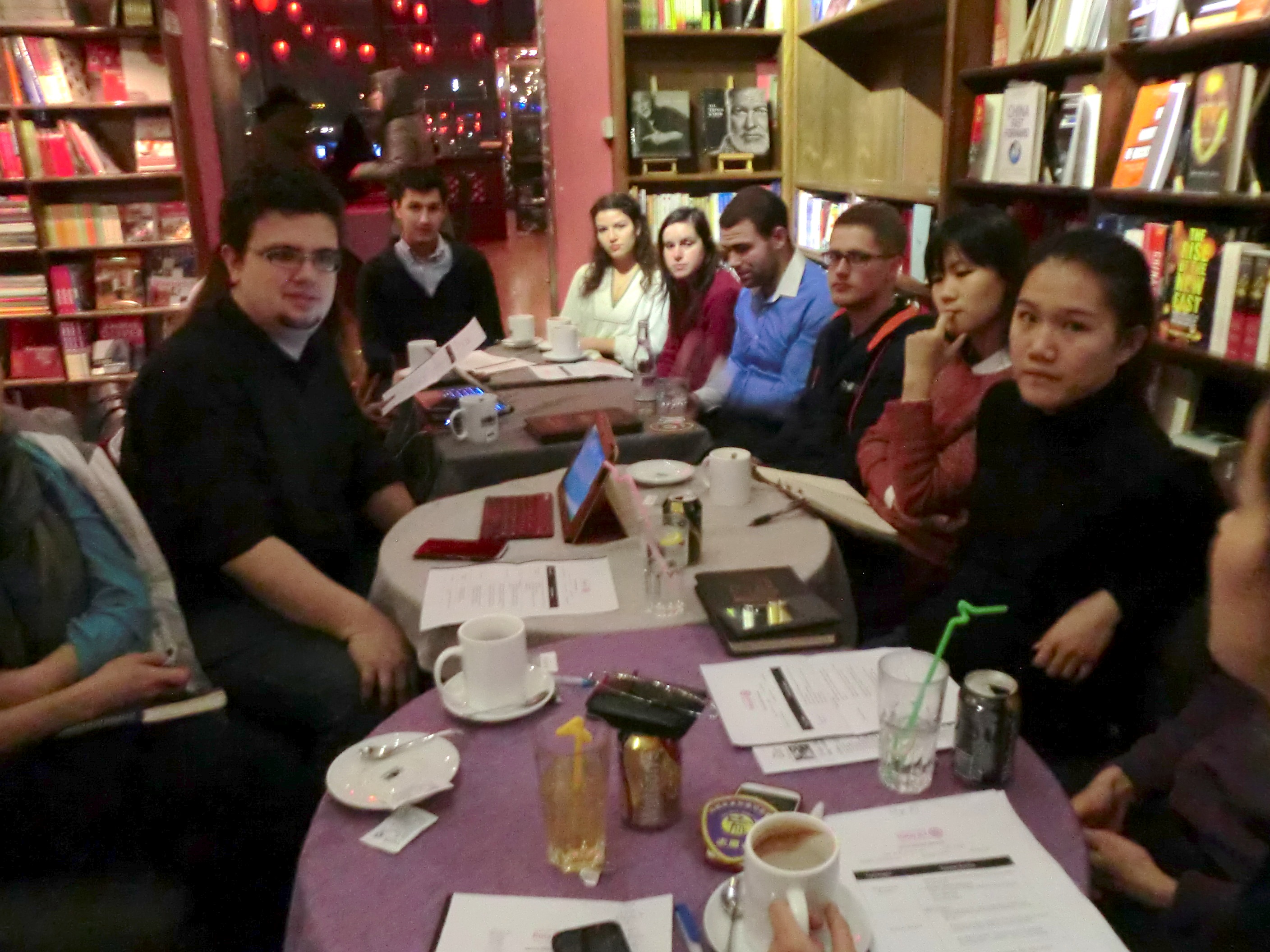
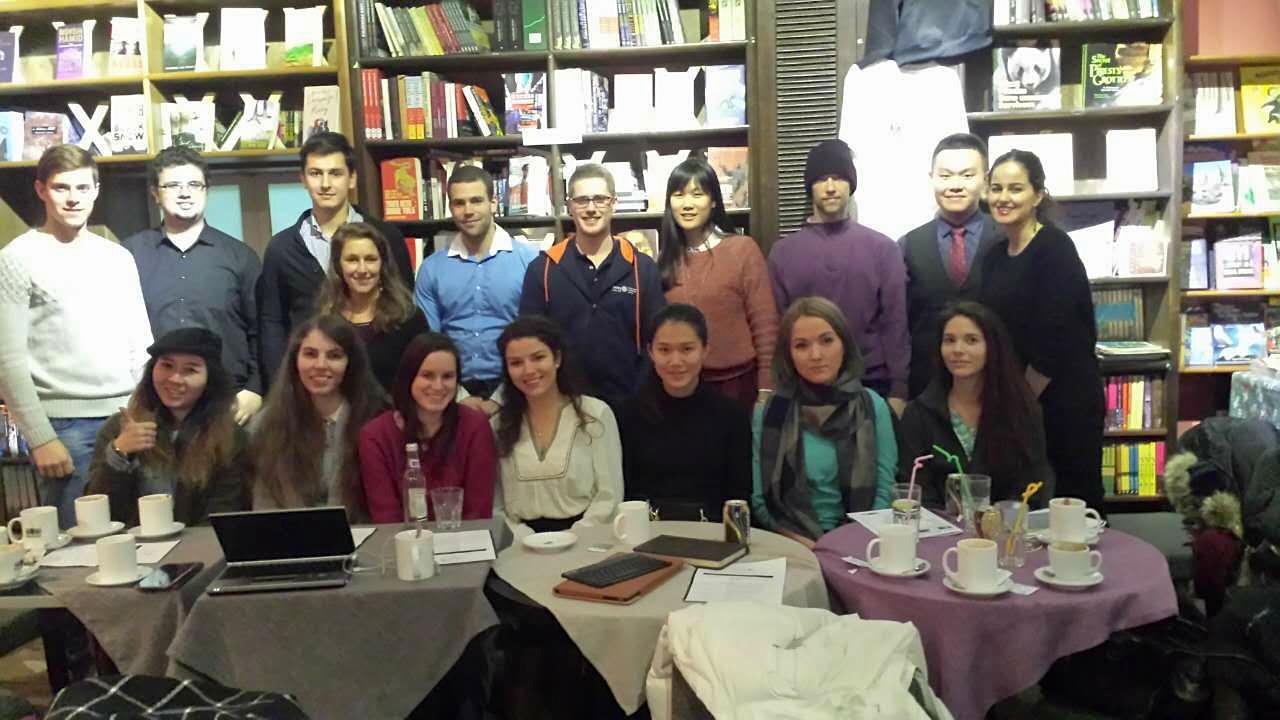
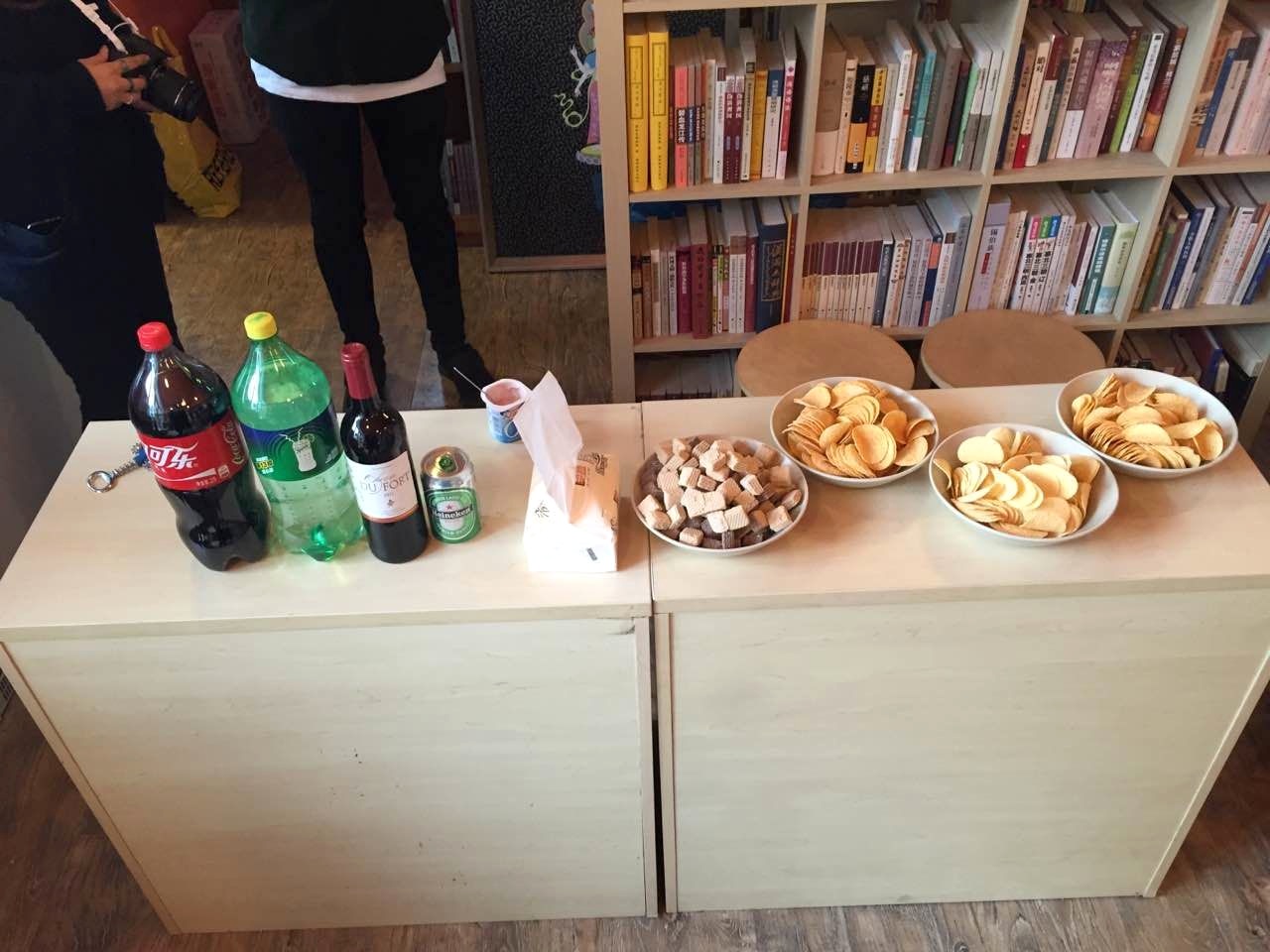
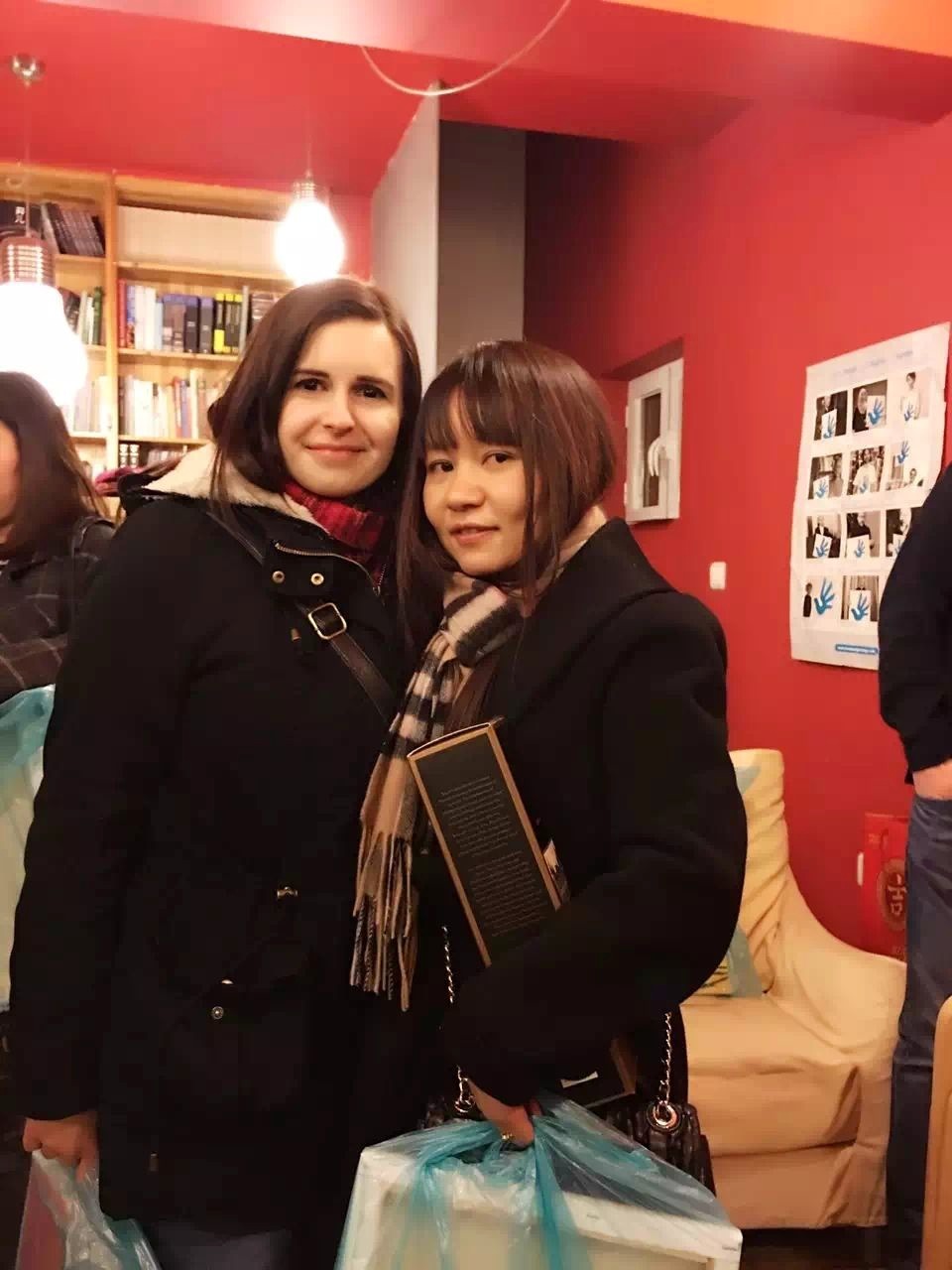
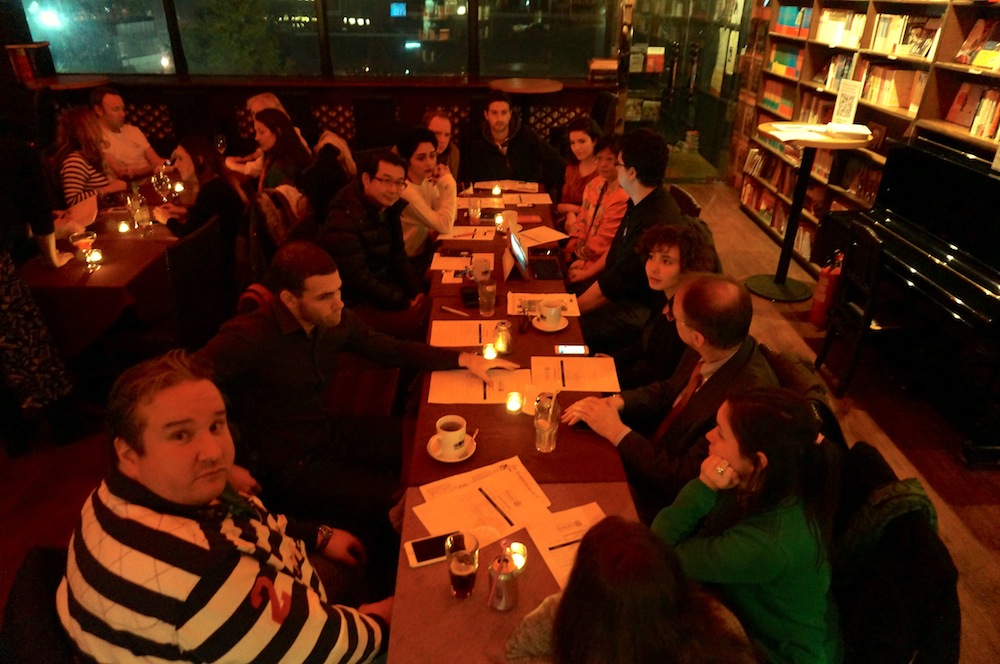
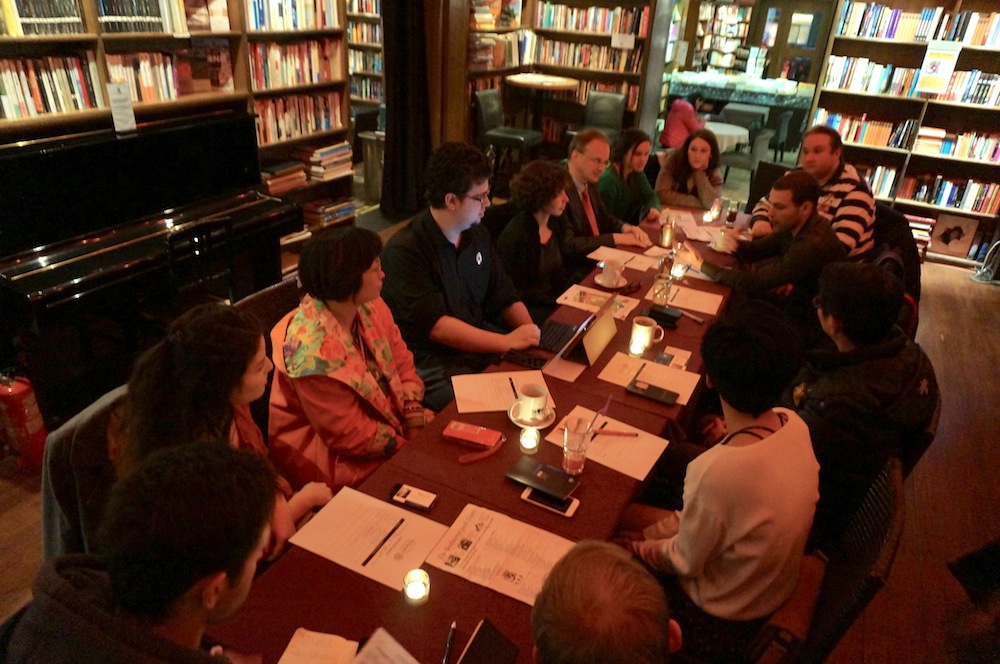
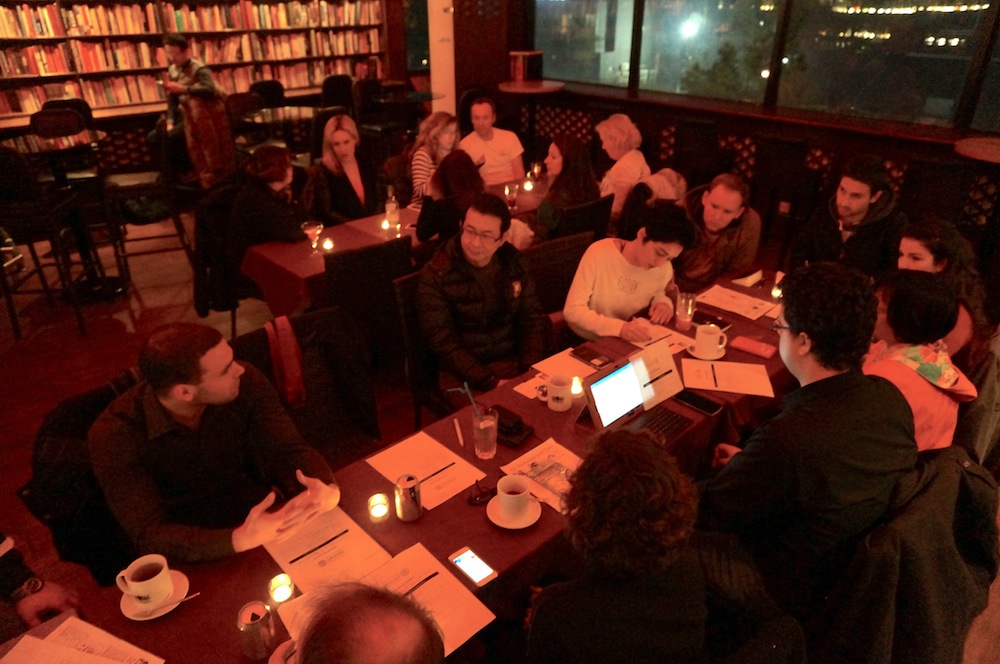
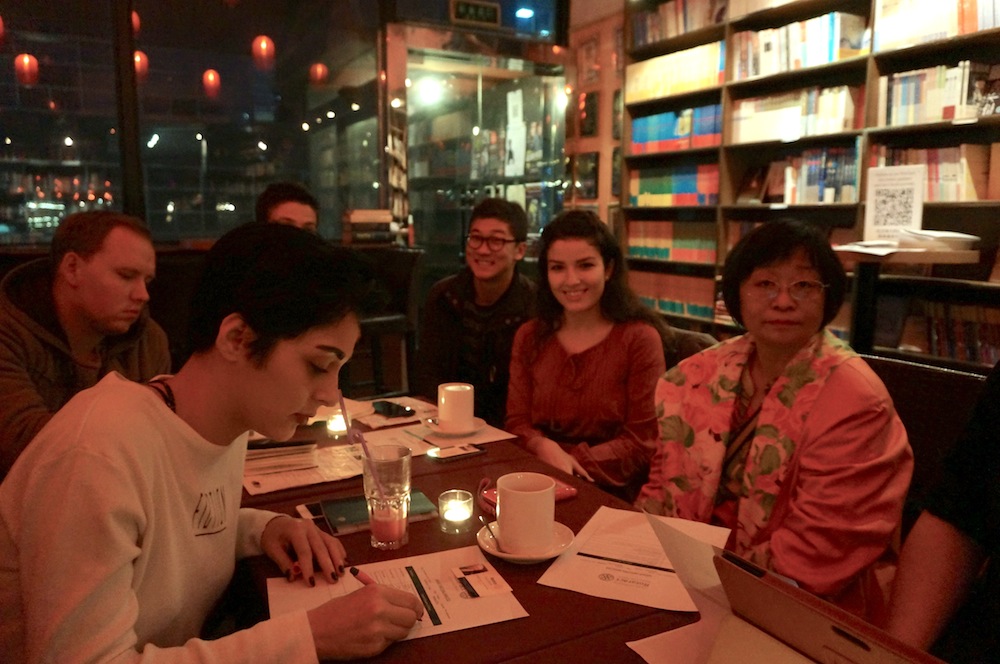
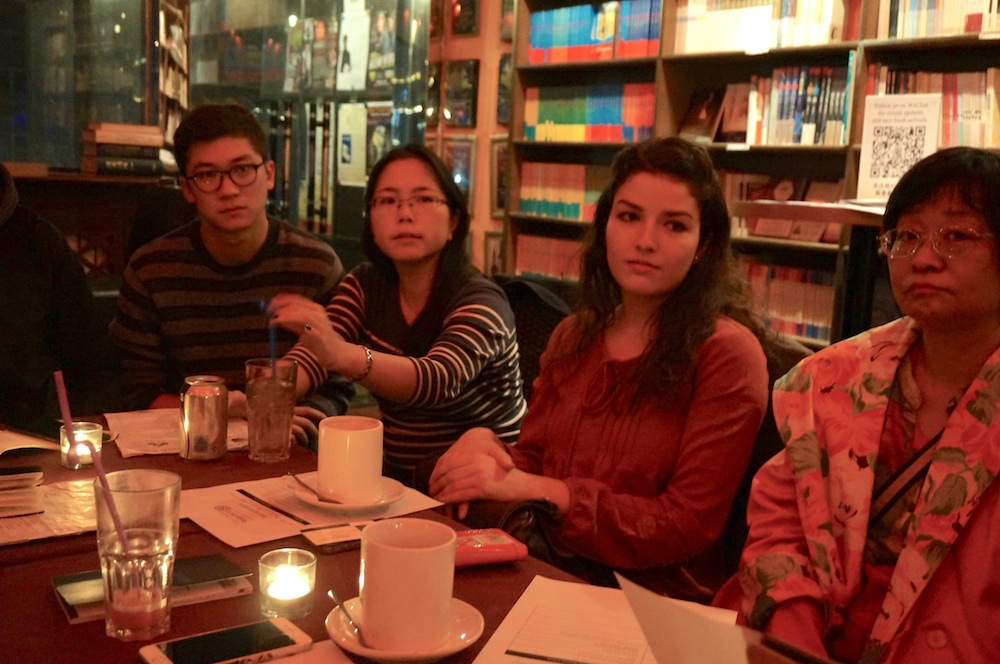
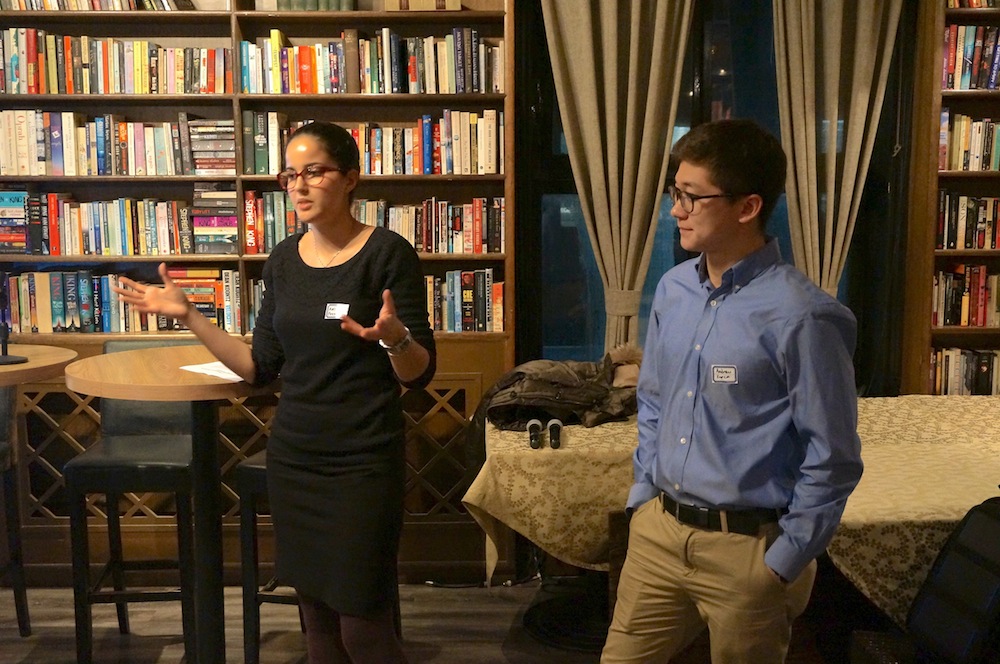
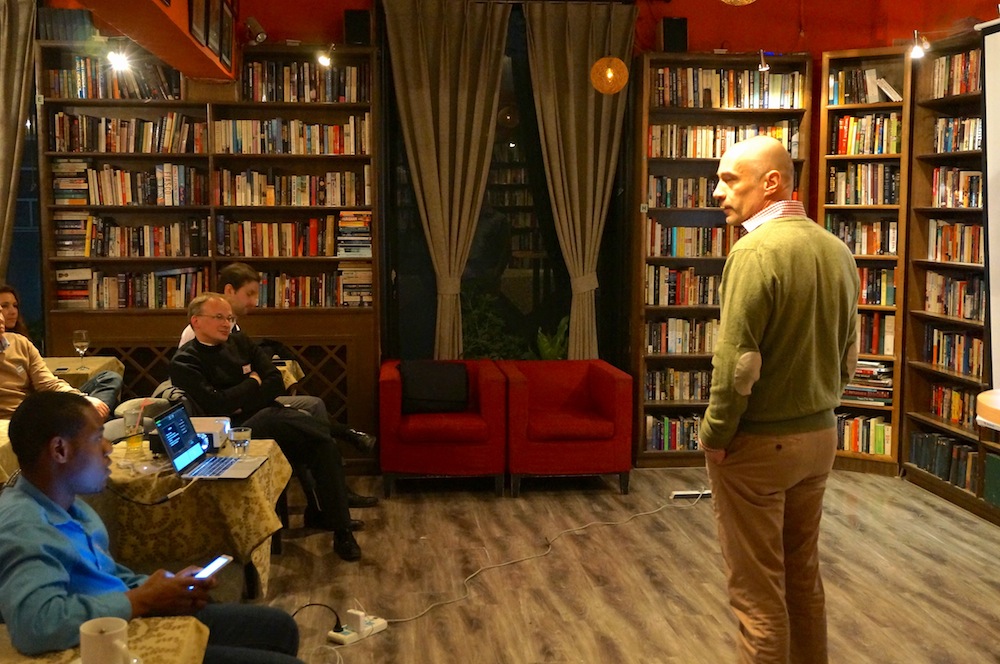
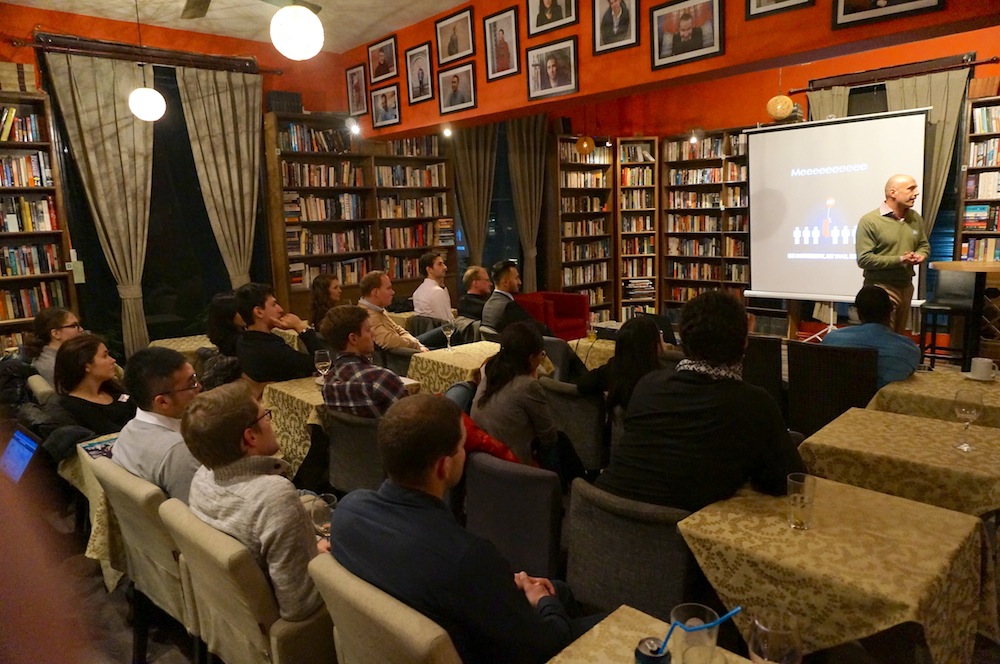
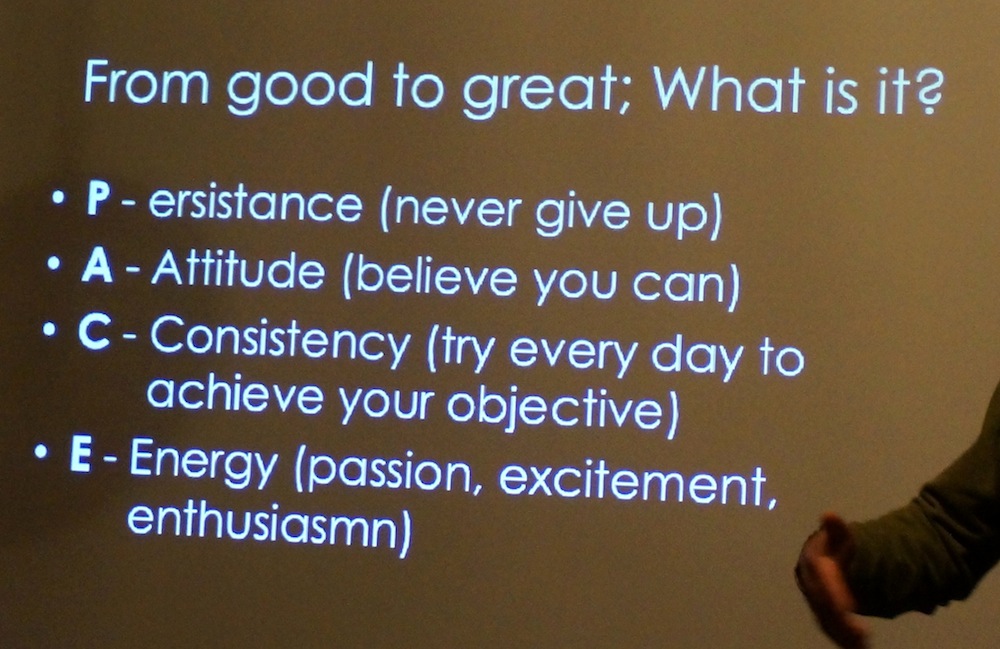
Rotaract had a full house during the 23 November meeting in The Bookworm. Due to its success the question is where to go in the future for our meetings as attendance is increasing. A nice problem to have. We had Rotaractors from China, Belgium, Moldova, Romania, USA, Germany, France, Kazakhstan, …
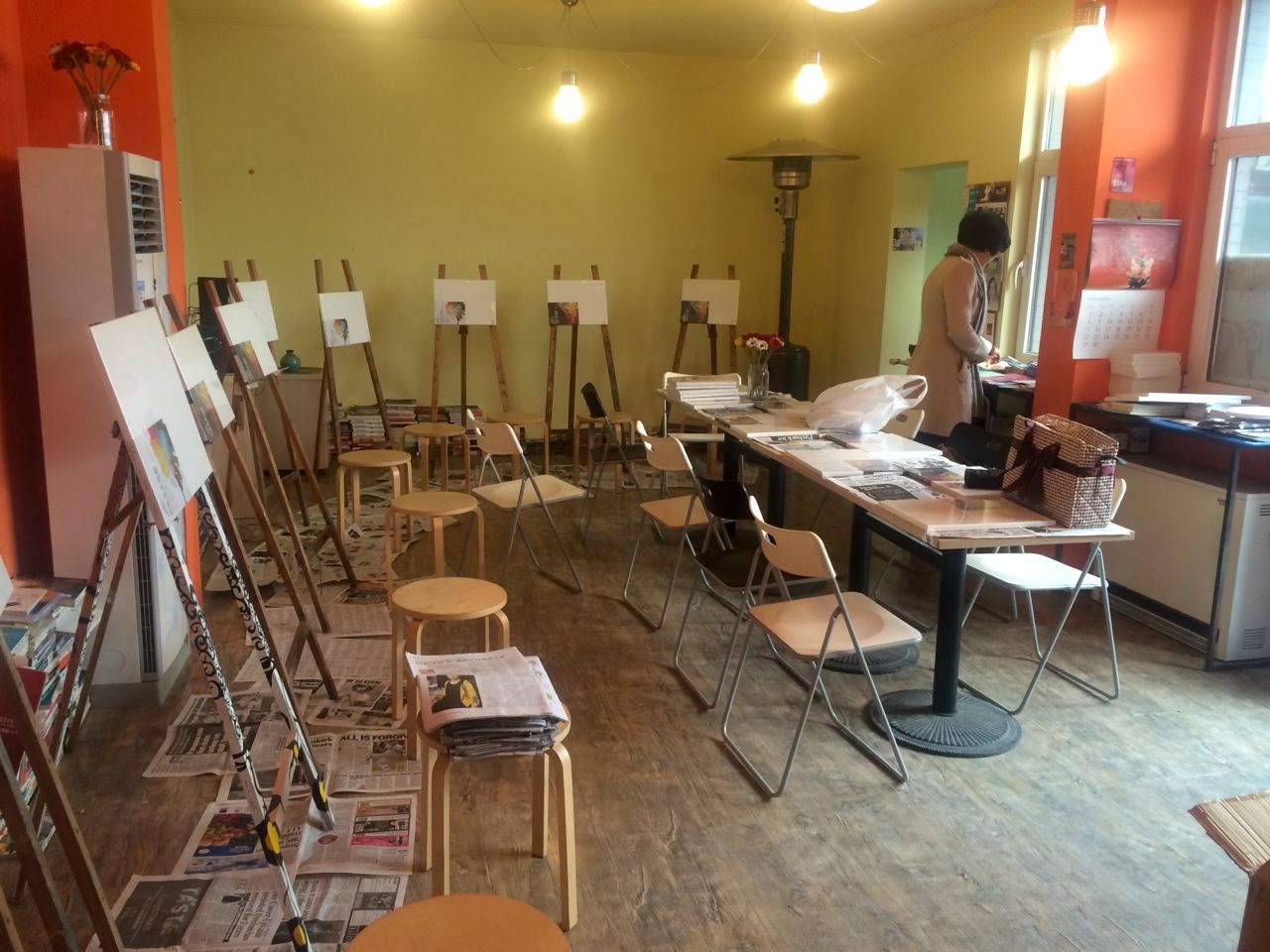
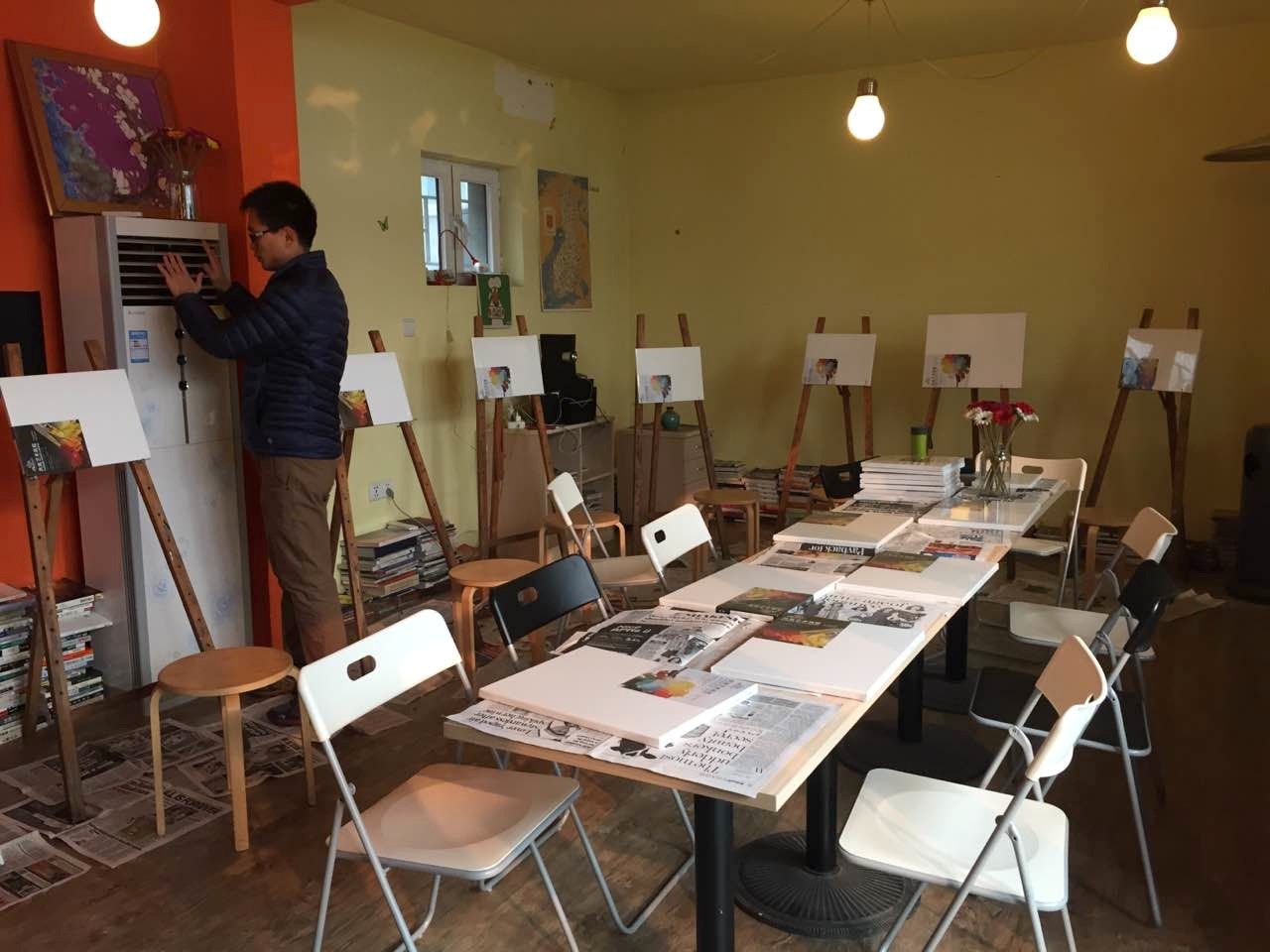
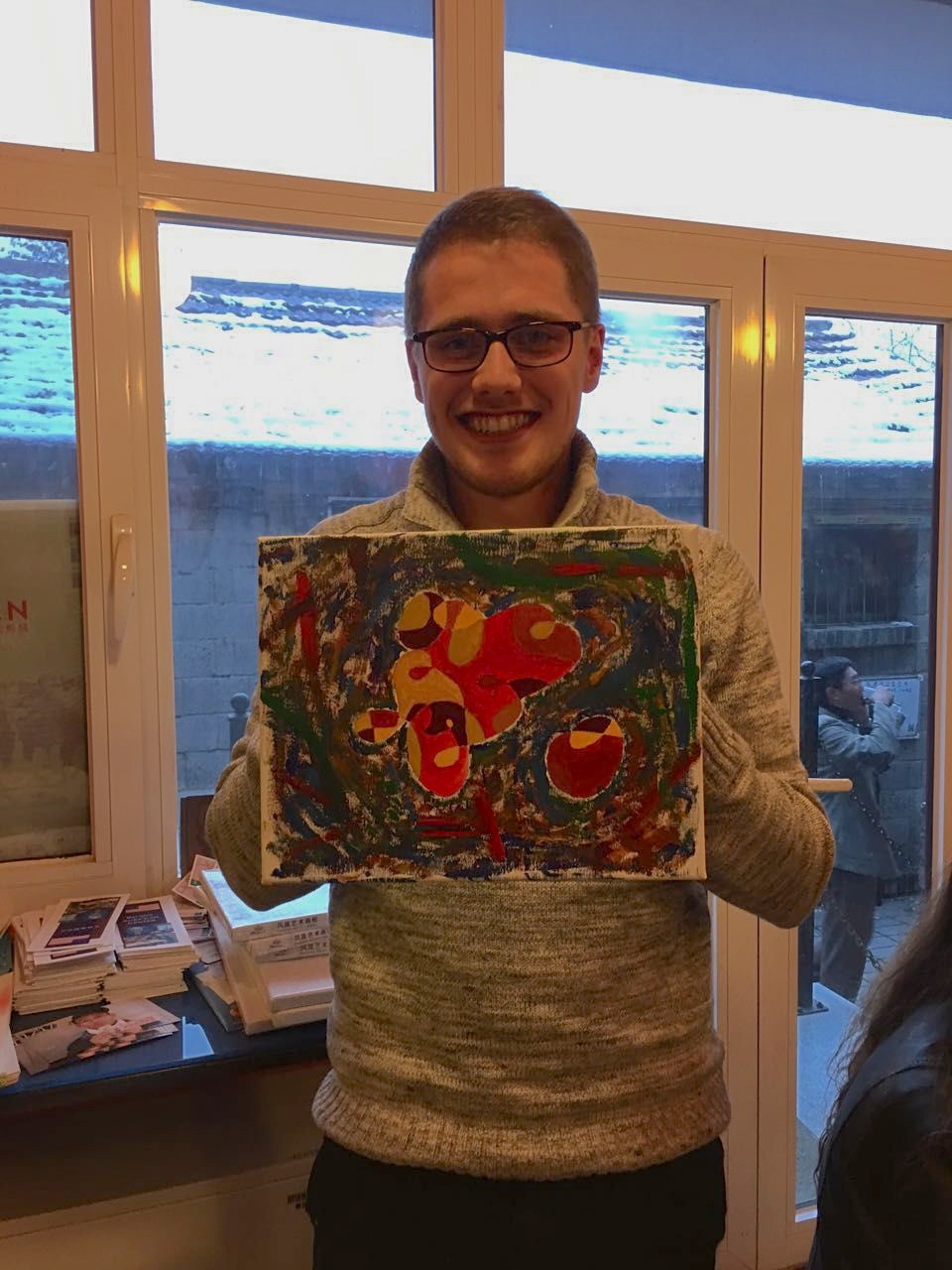
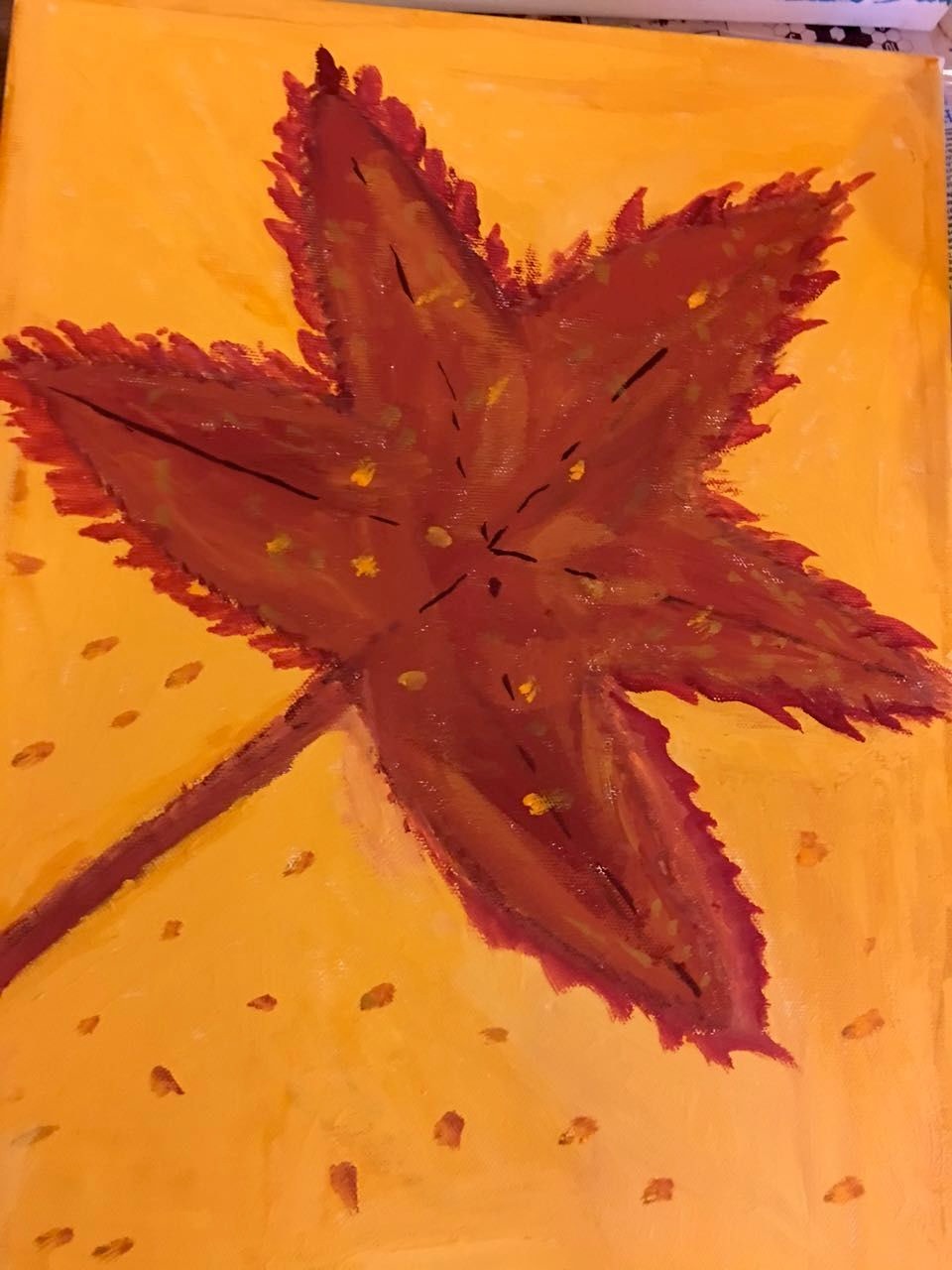
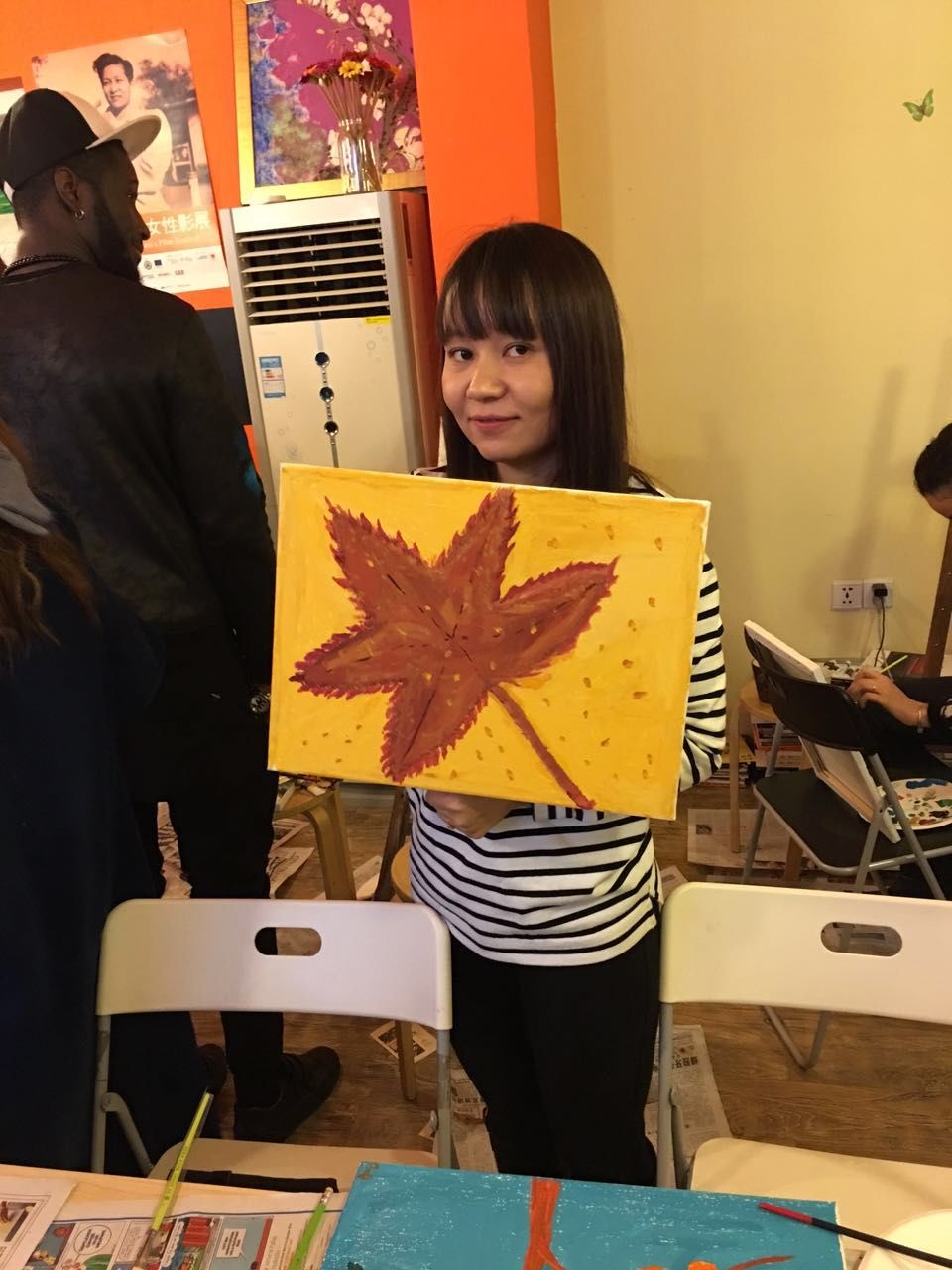
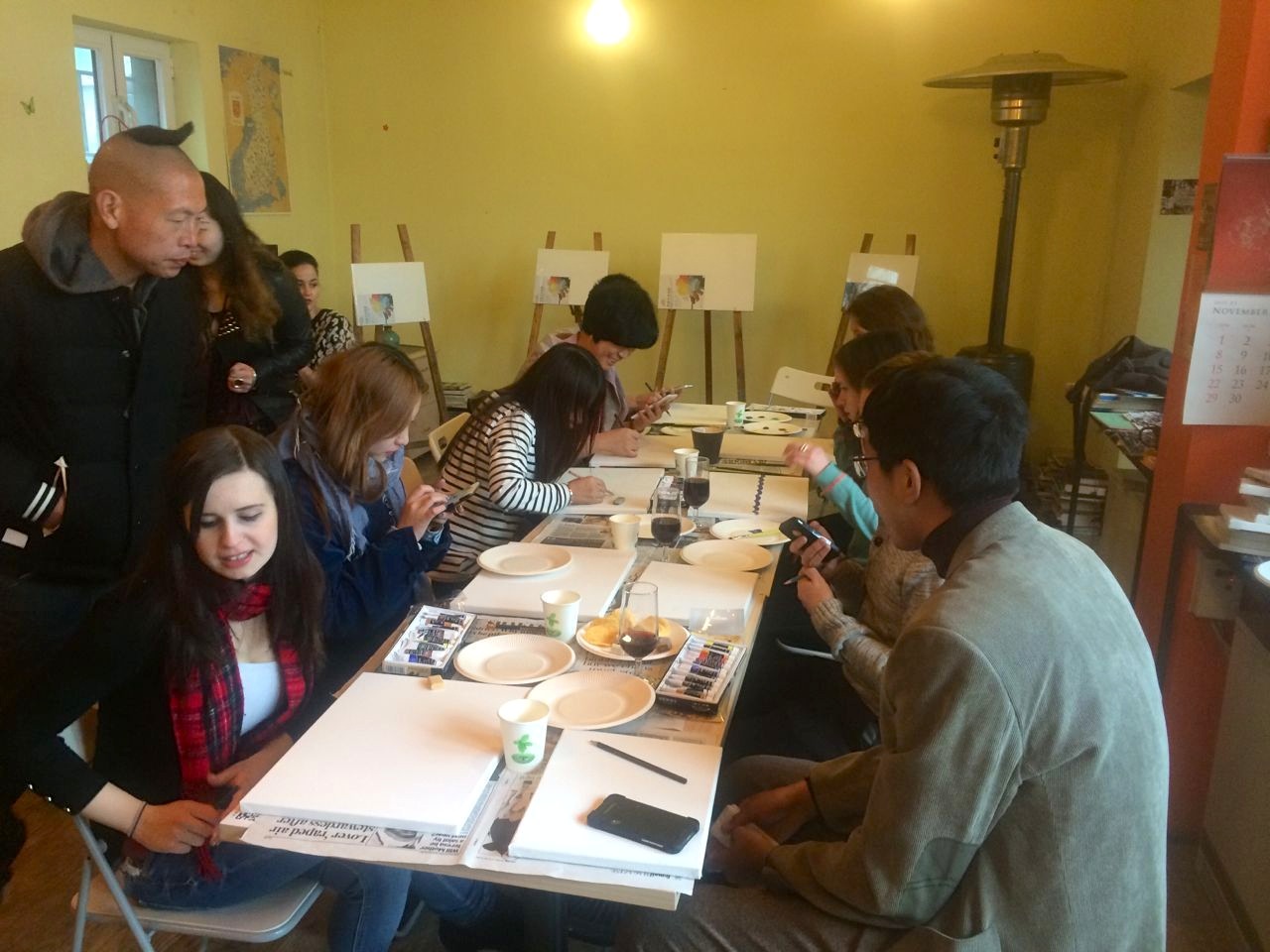
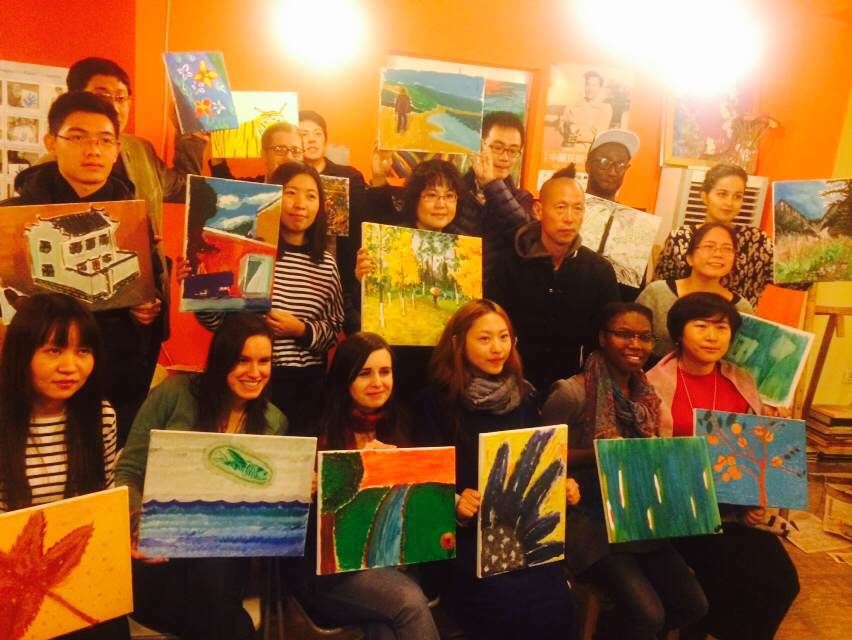
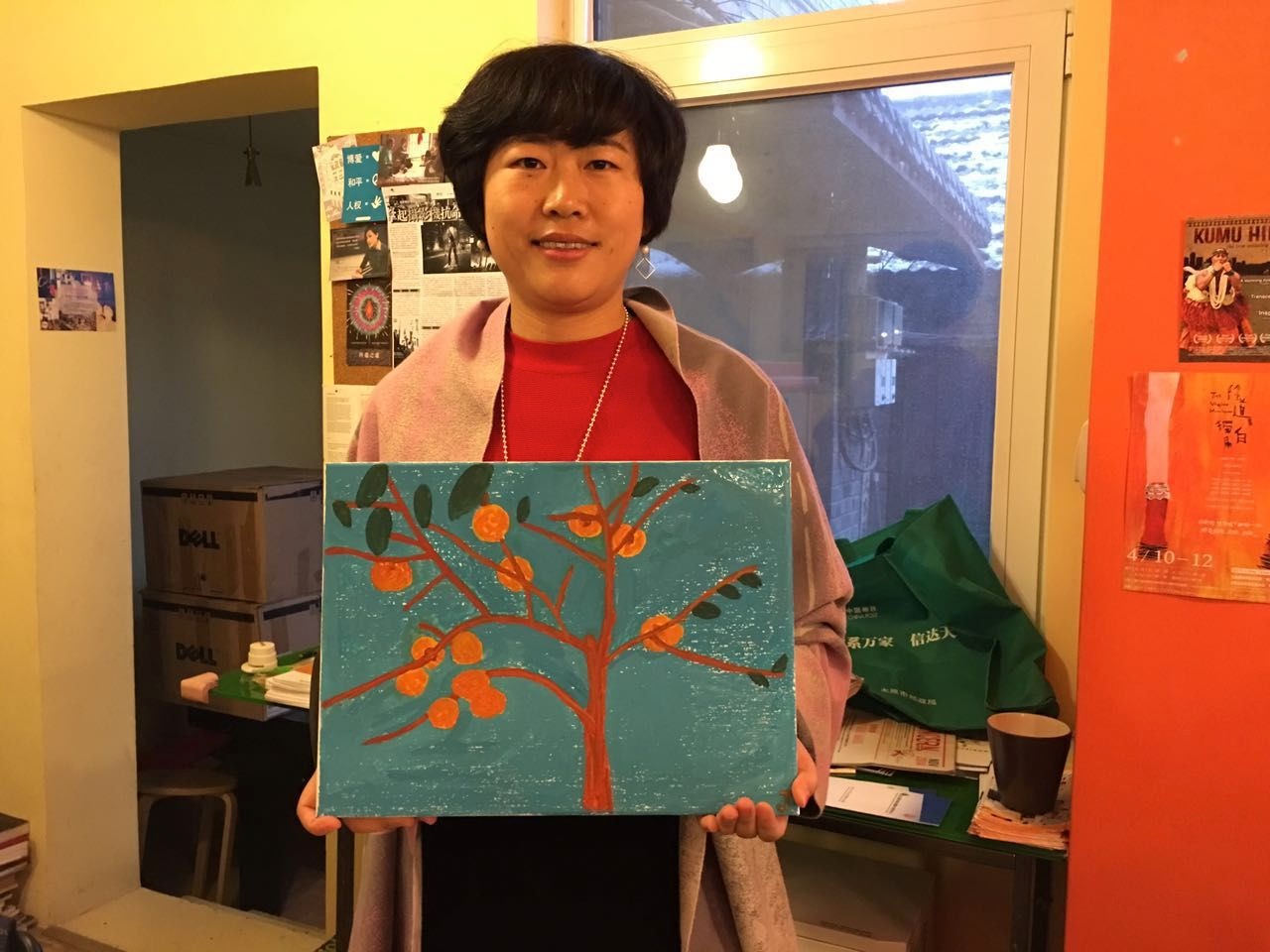
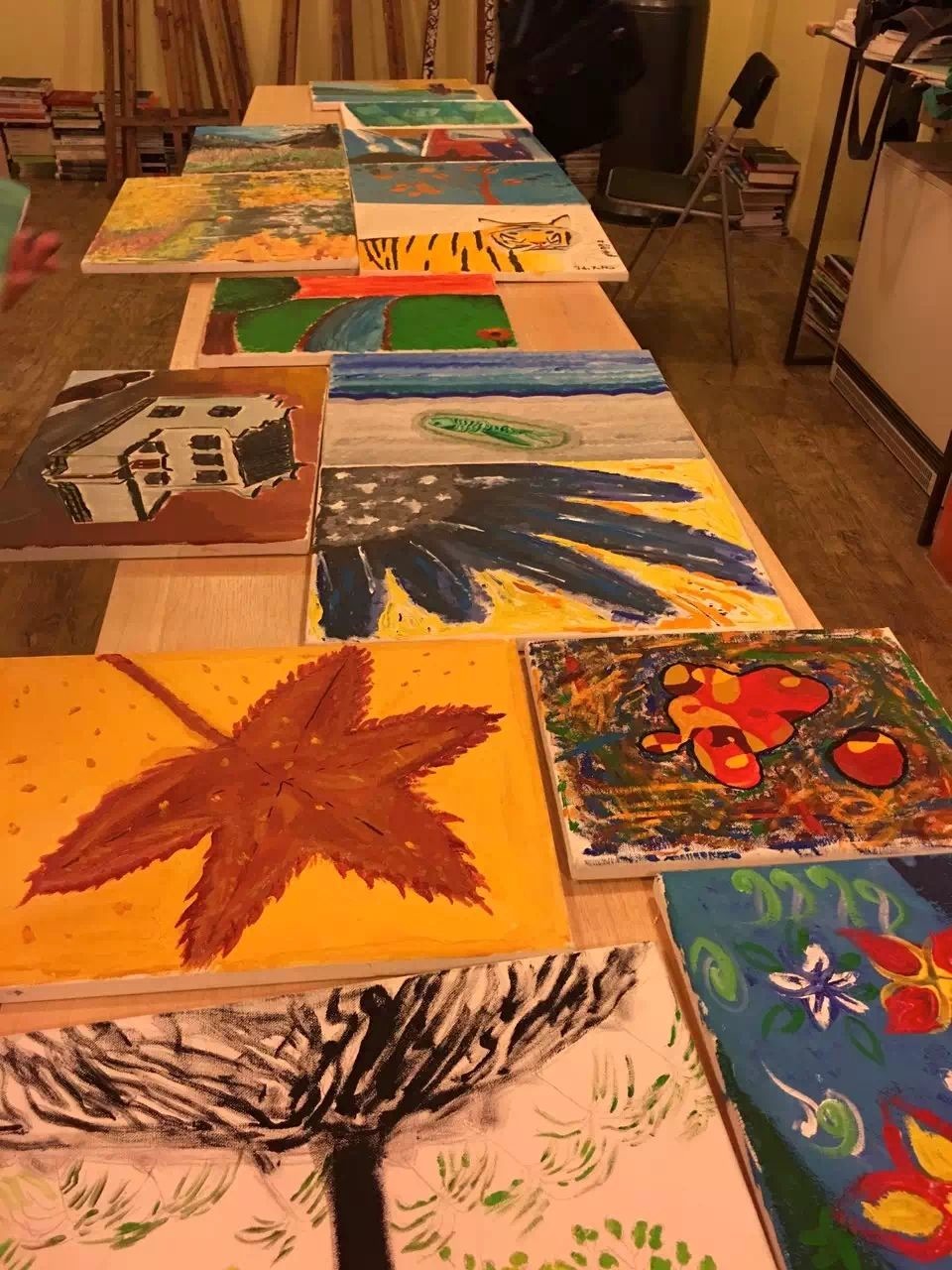
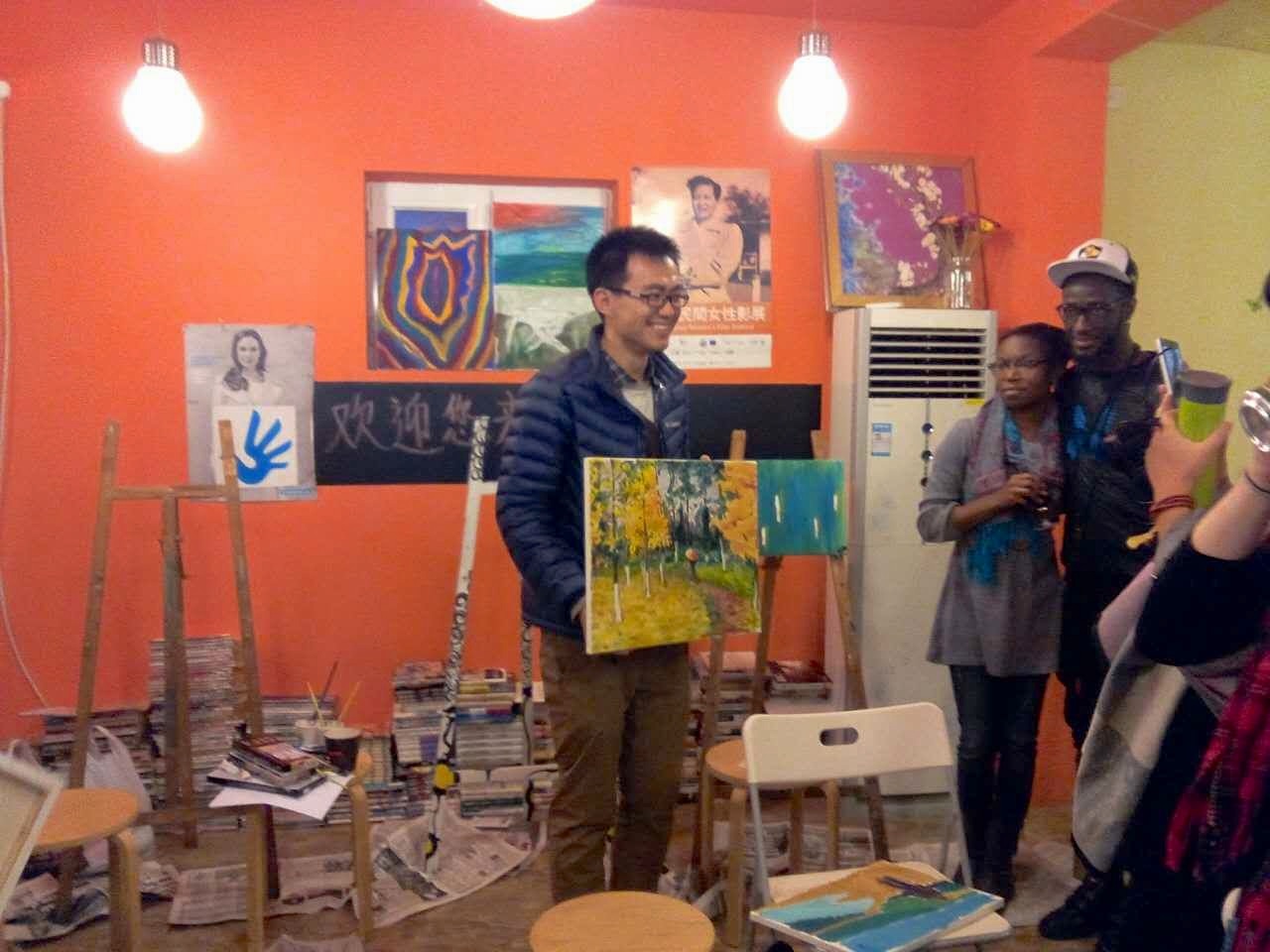
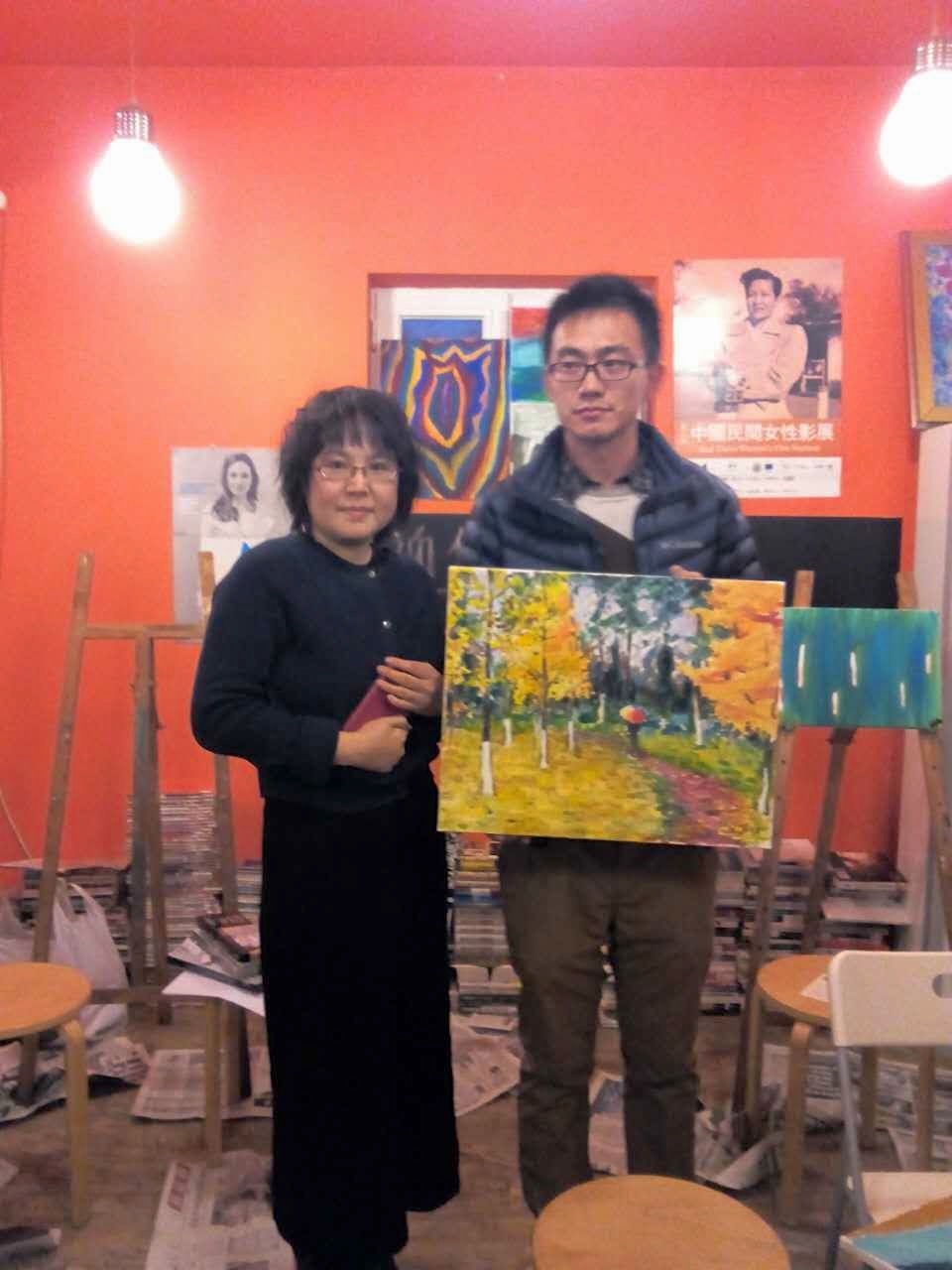
I also made a small contribution for the Art Jam on 28 November.
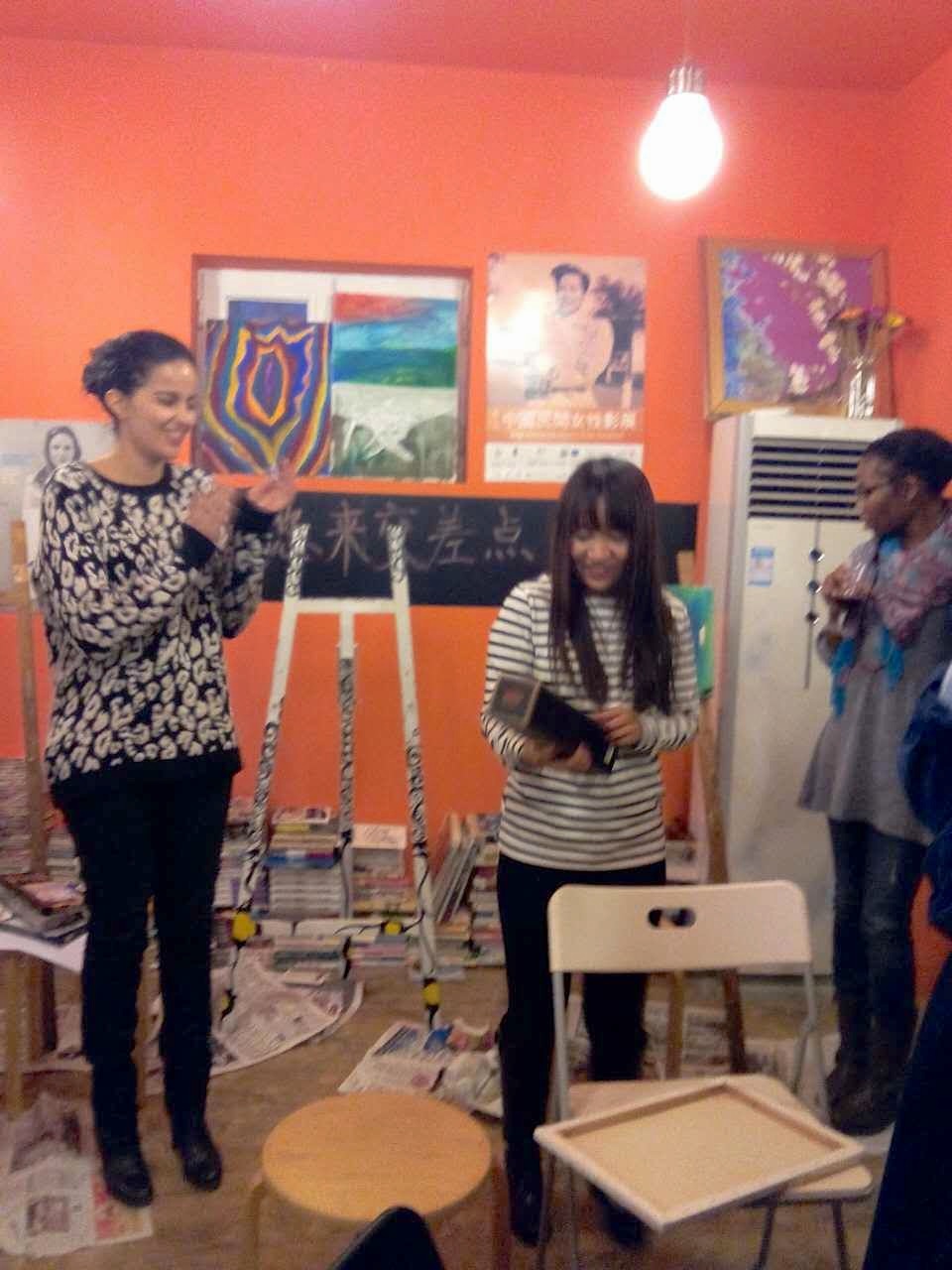
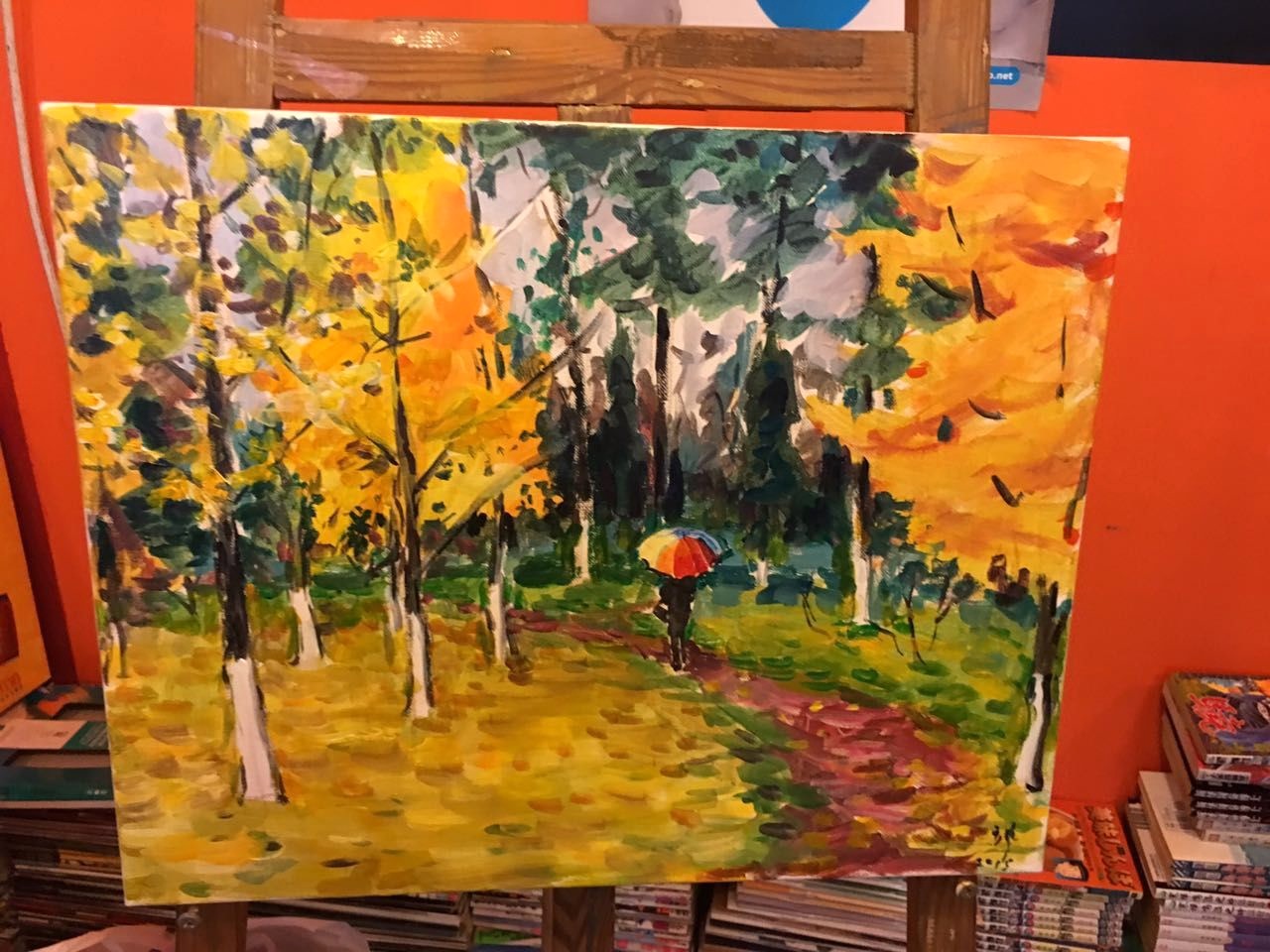
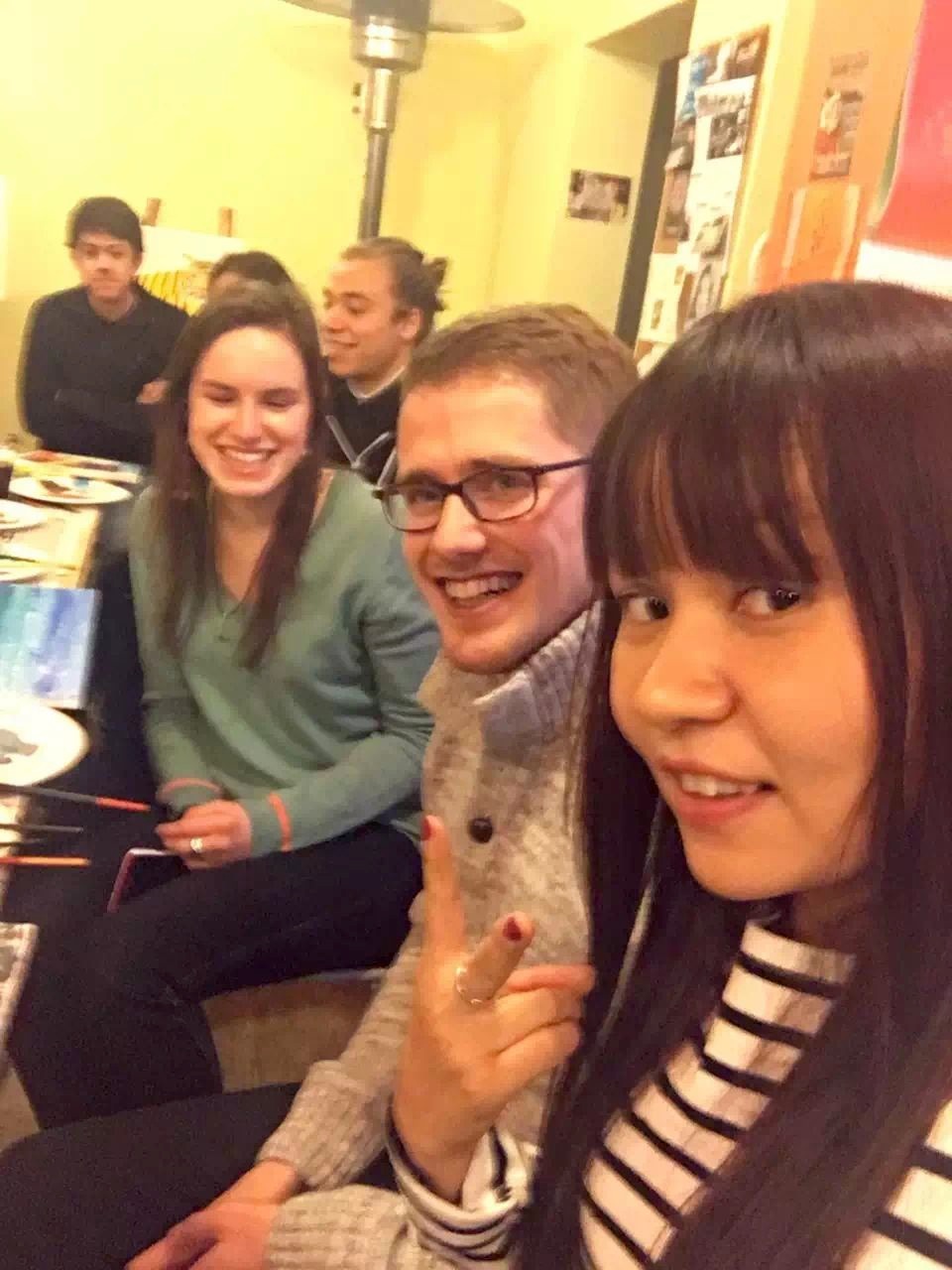
And yes, Art Jam was a success, held at Crossroads Beijing, an event where participants can get creative on a canvas, while also giving to charity. It supported the China Women’s Film Festival, organized to raise awareness for violence against women and discrimination over diverse sexual orientation. The pictures talk for the success! Creativity, smiles….
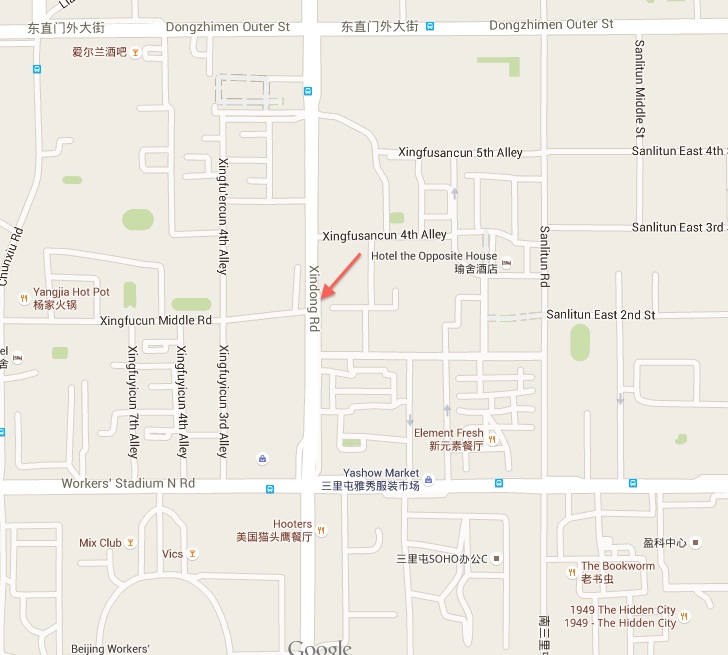
Location was: Crossroads Centre, 18 Da Shiqiao Hutong, Jiu Gulou Dajie, Xicheng District, Beijing.
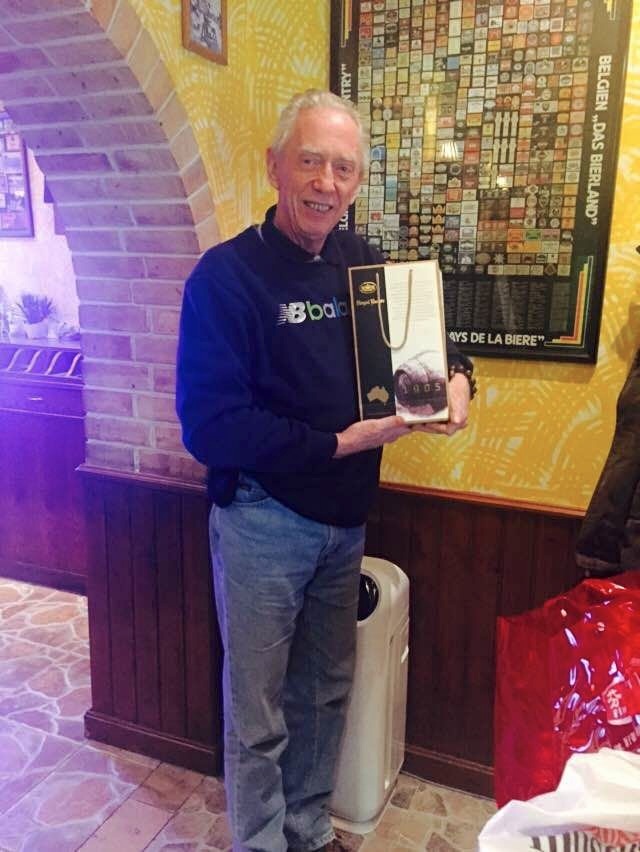
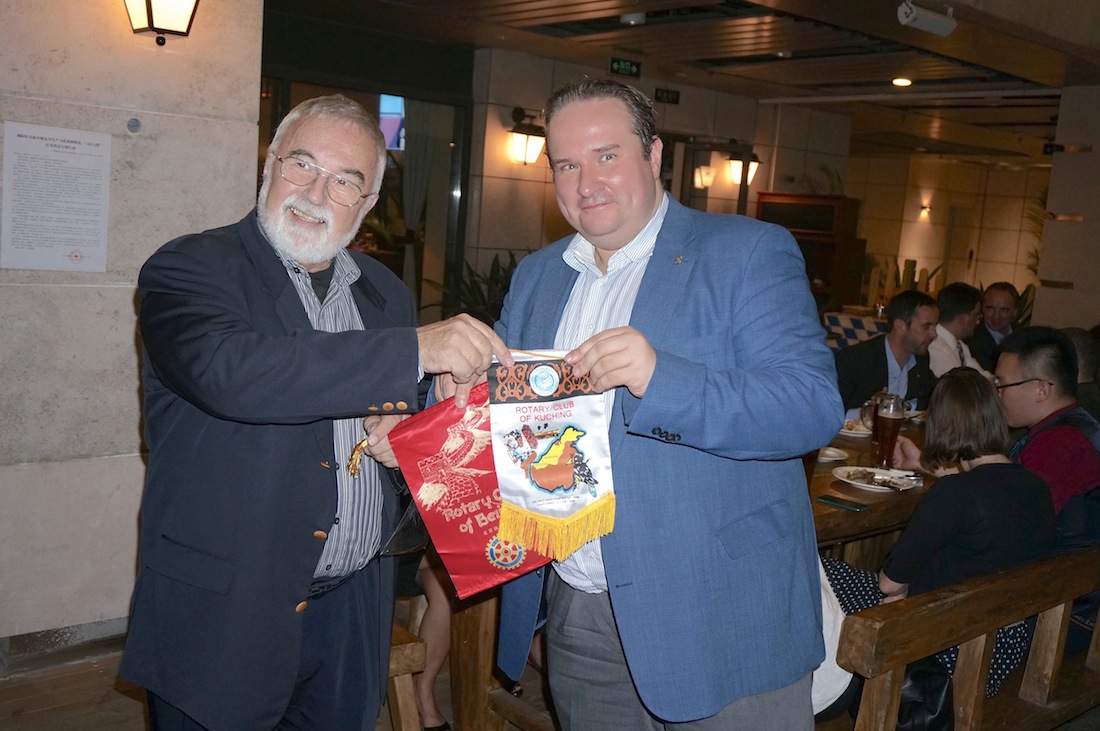
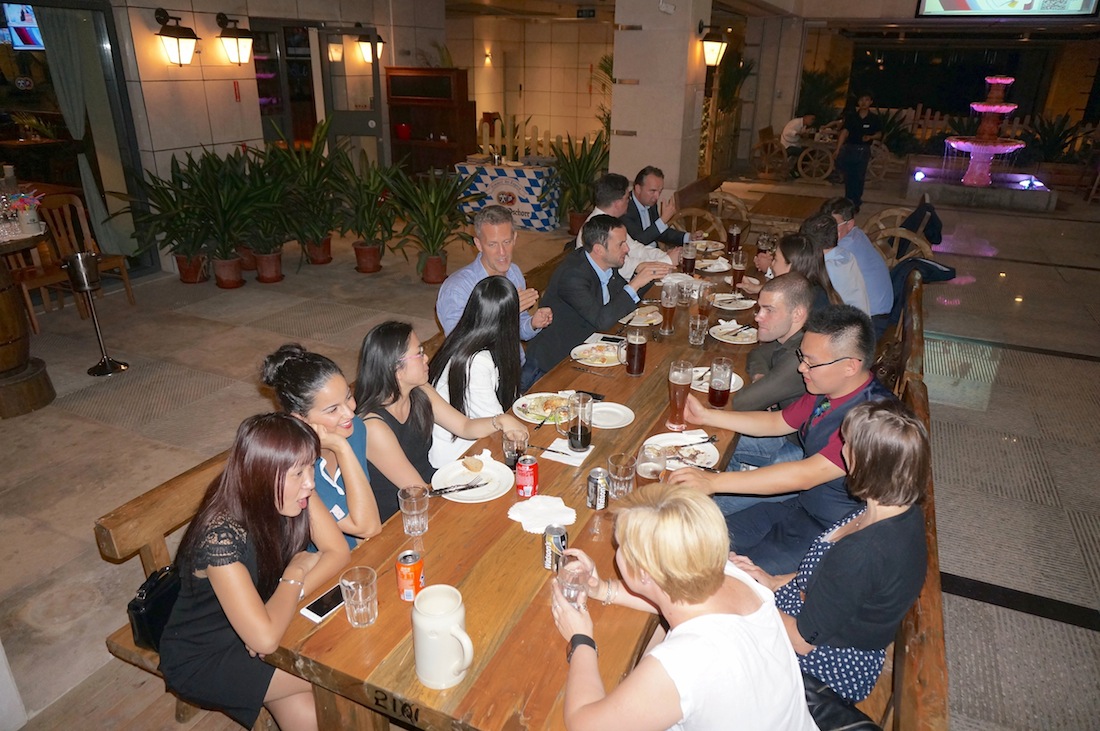
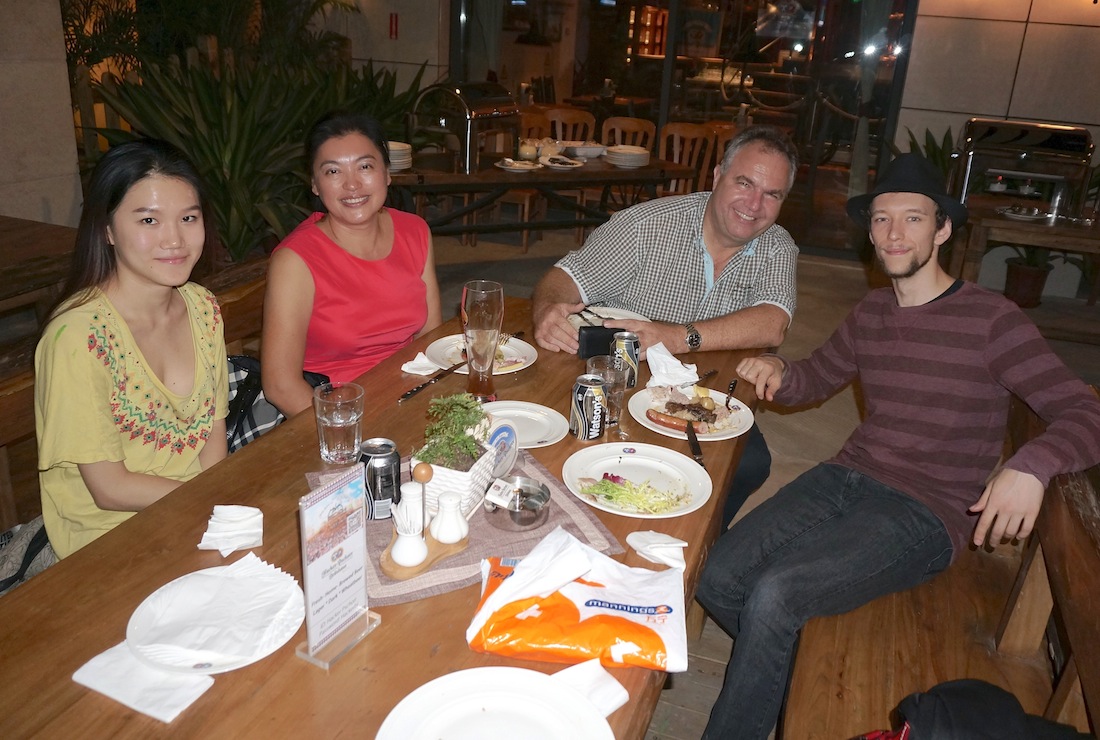
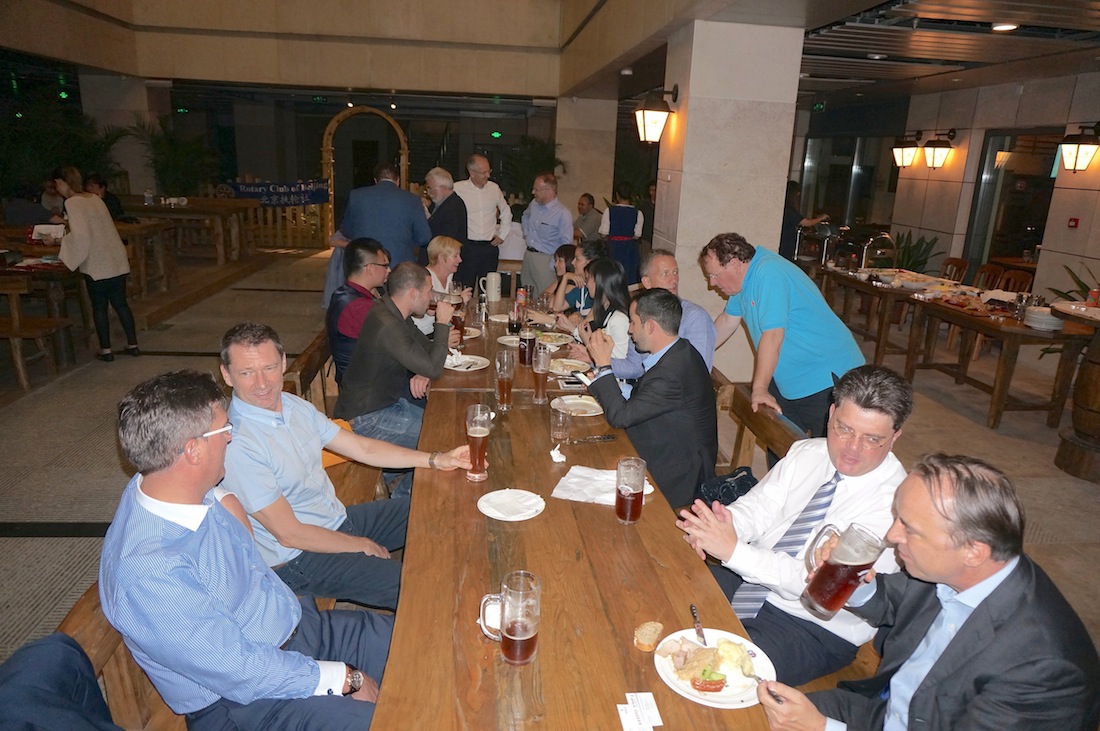
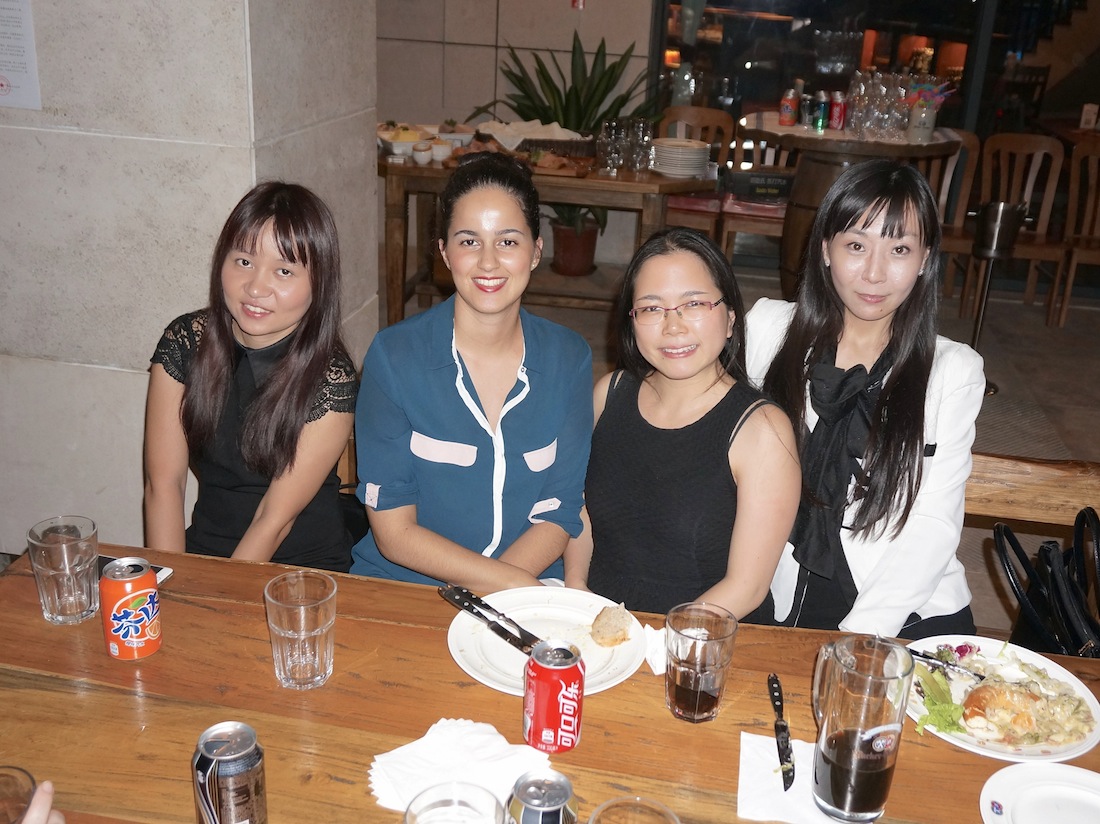
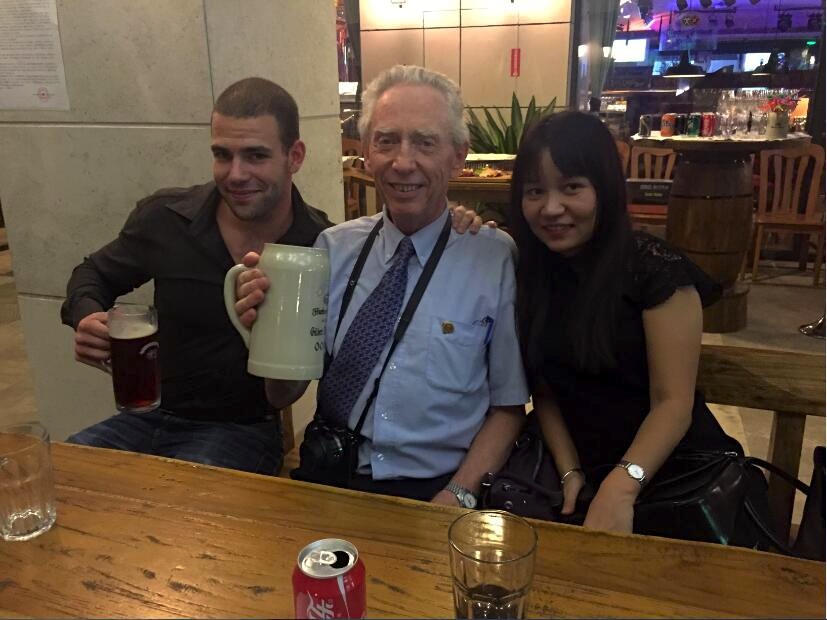
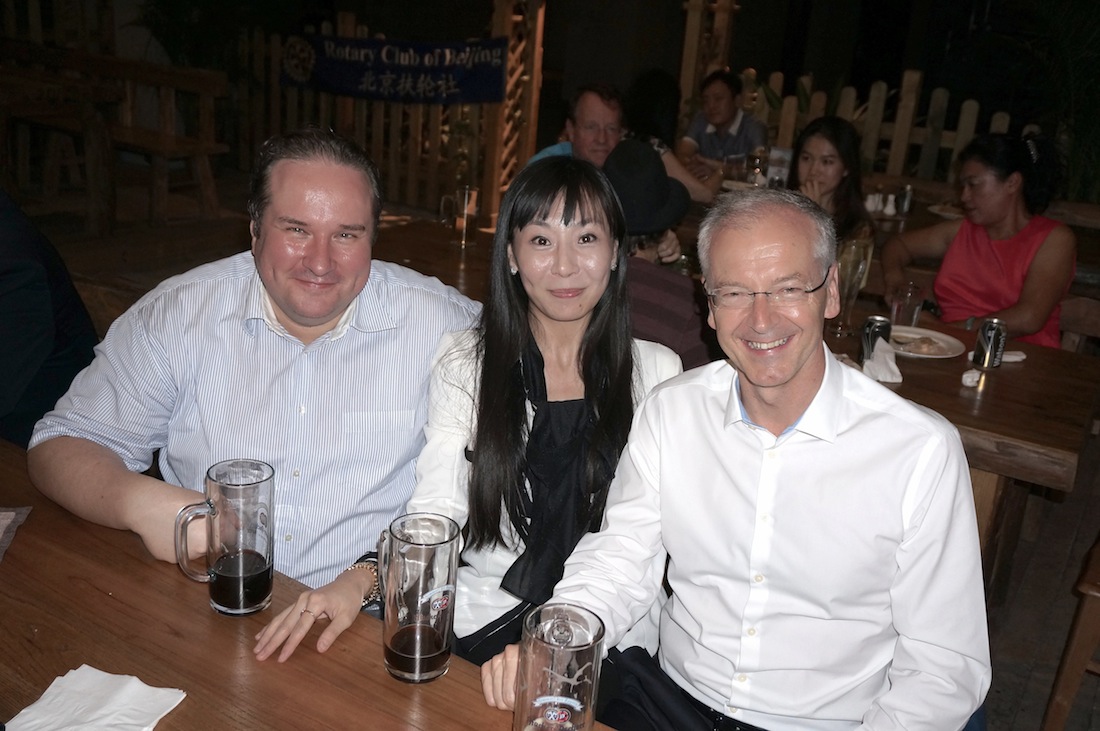
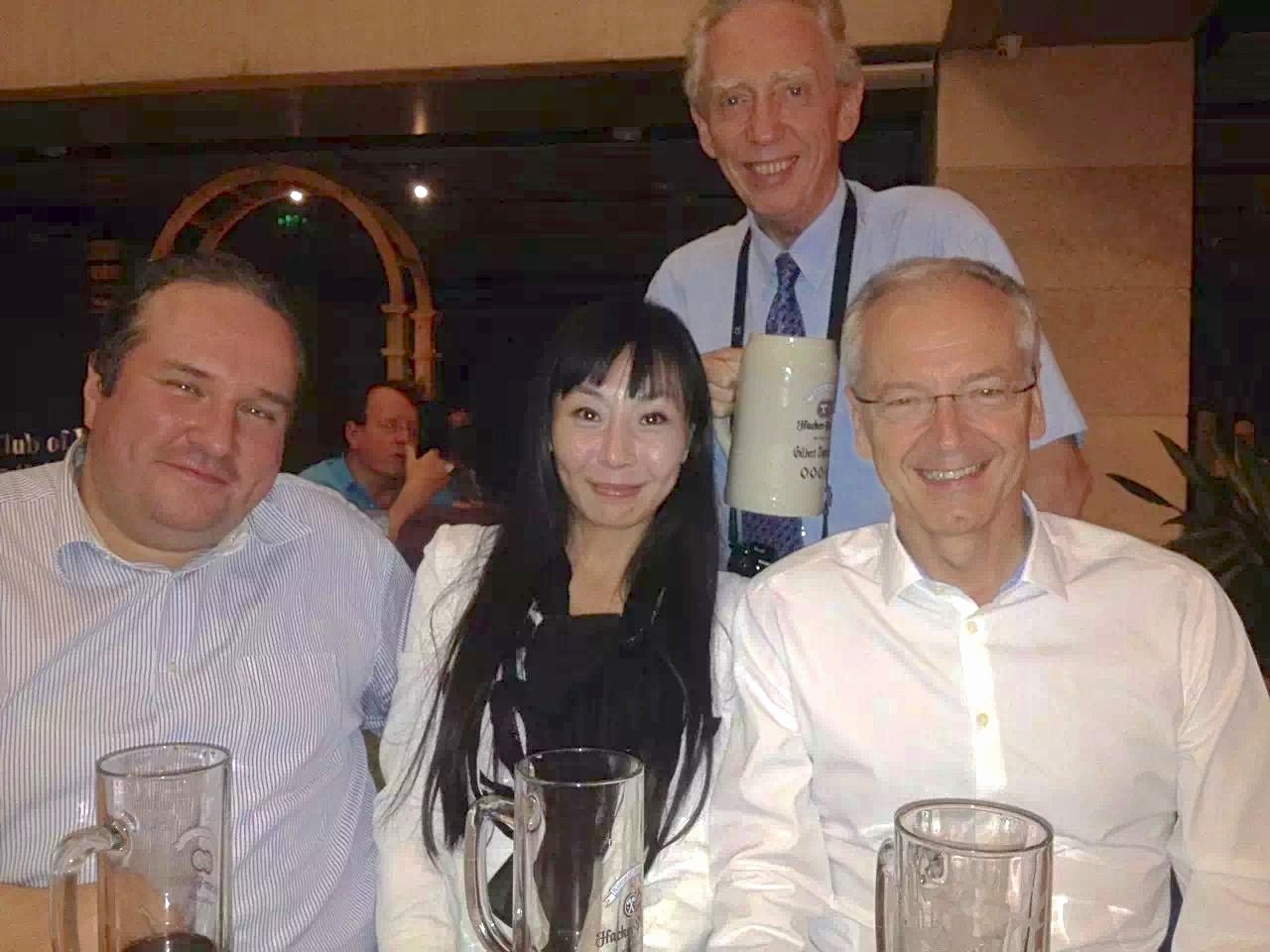
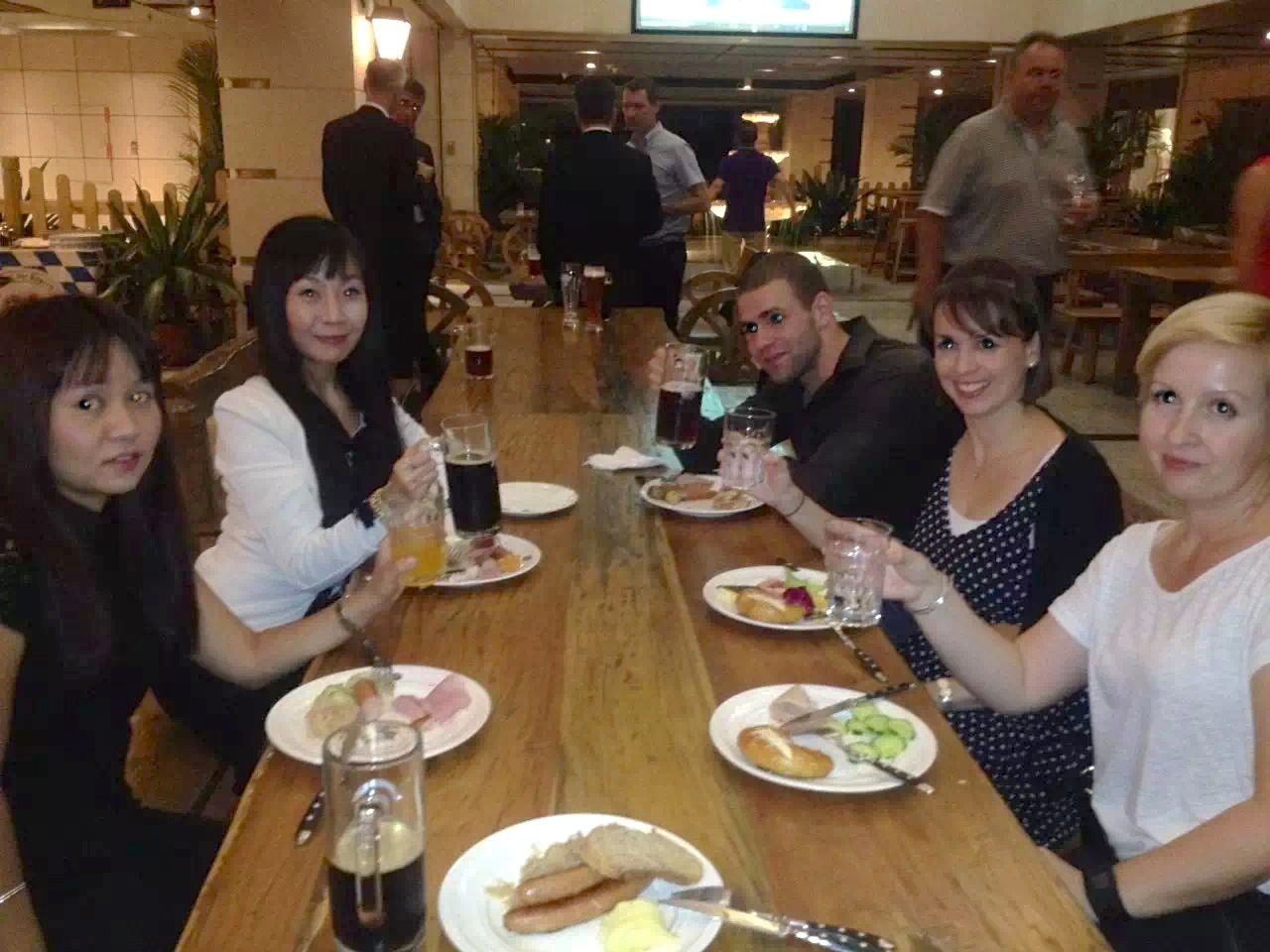
Rotary special dinner event at Hacker-Pschorr Bräuhaus

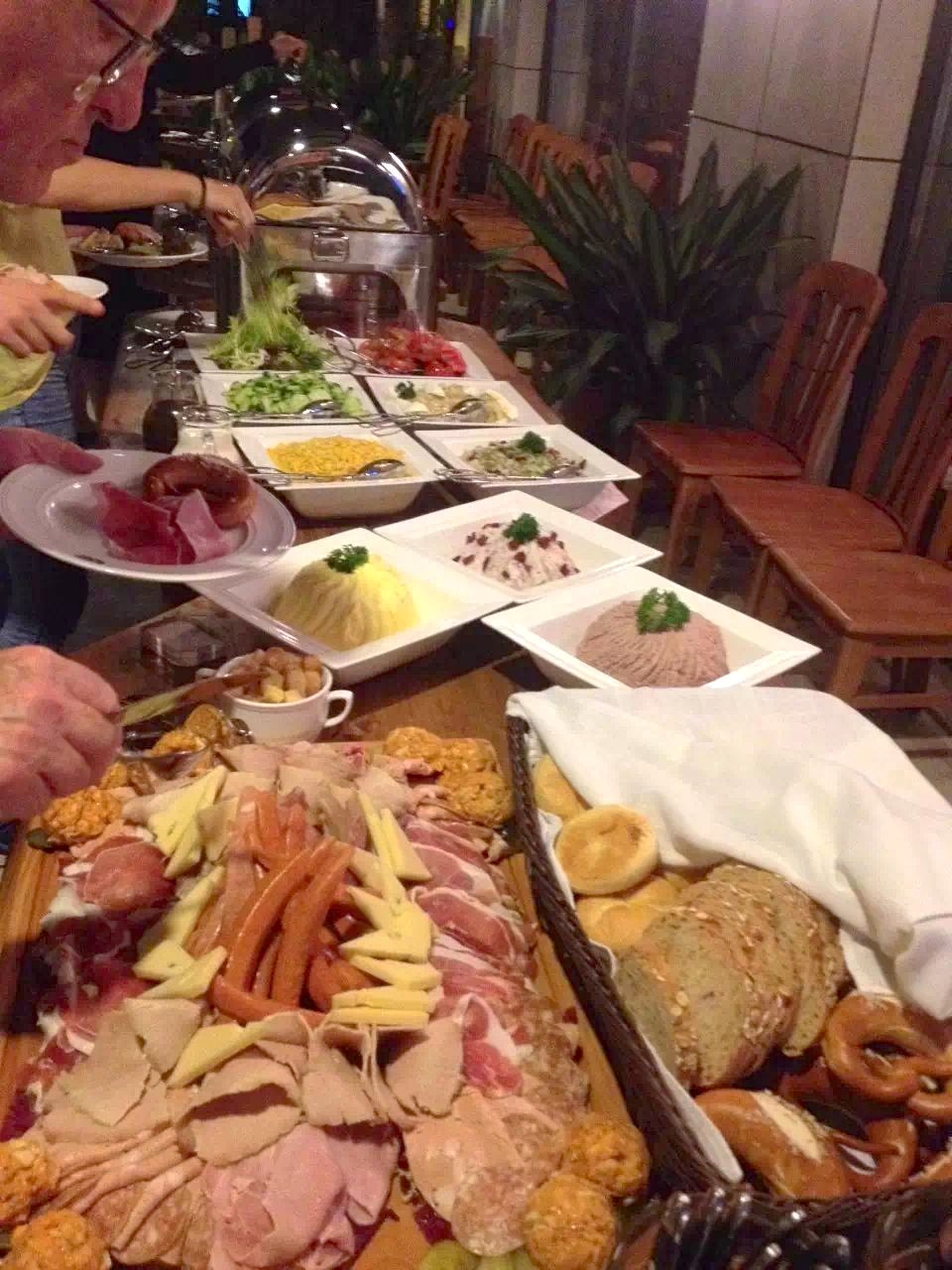
On 8 September the Rotary Club of Beijing organized a social event and buffet dinner at the German restaurant Hacker-Pschorr Bräuhaus. See earlier report on the restaurant:
https://www.beijing1980.com/?p=1883

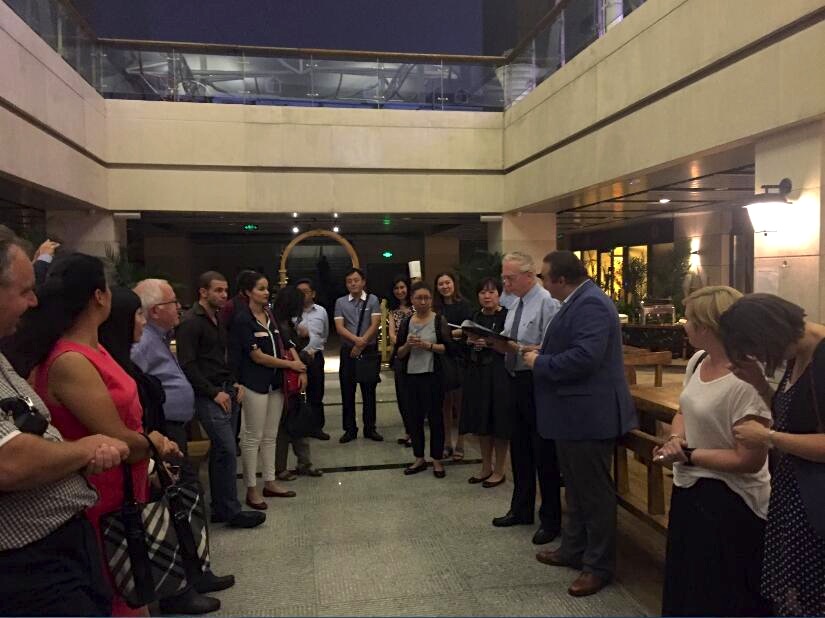
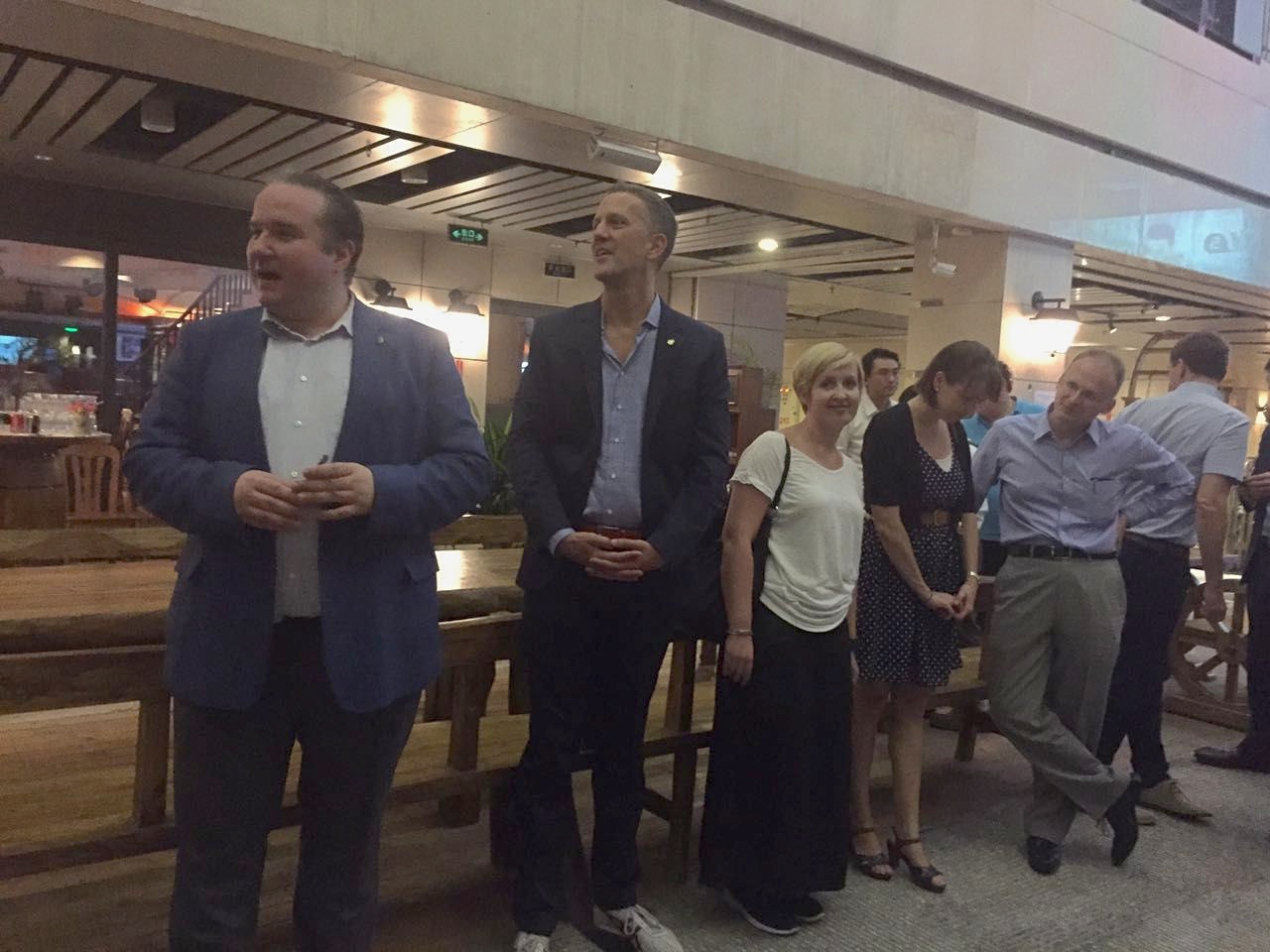
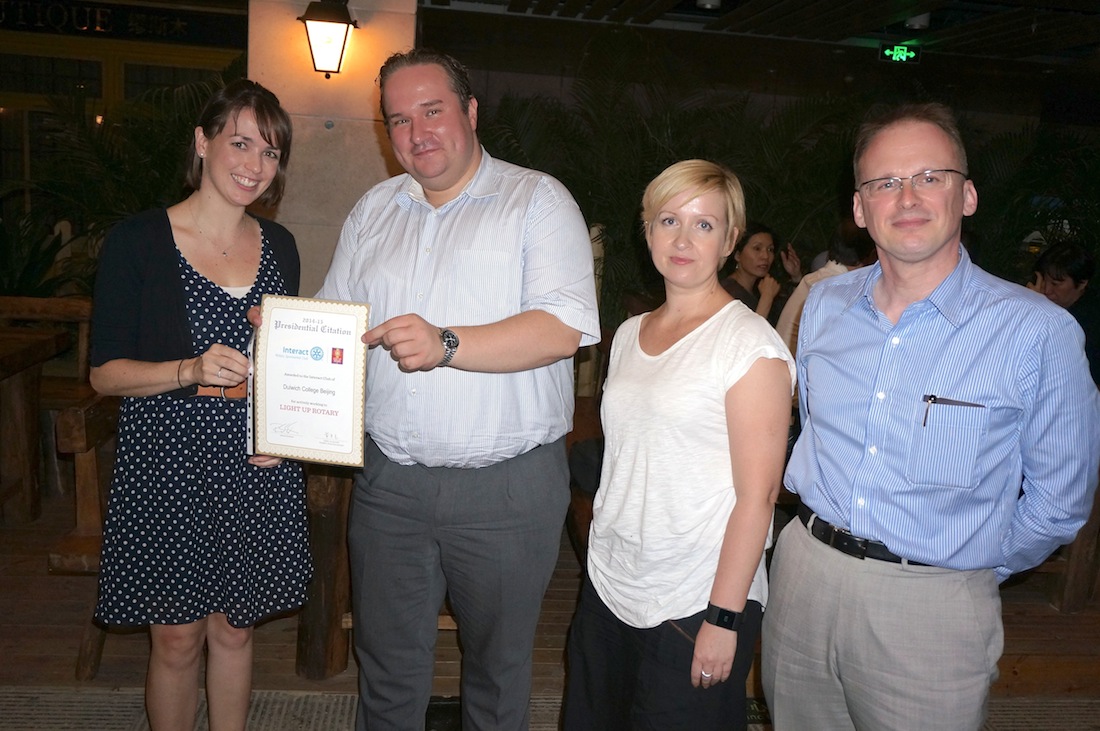
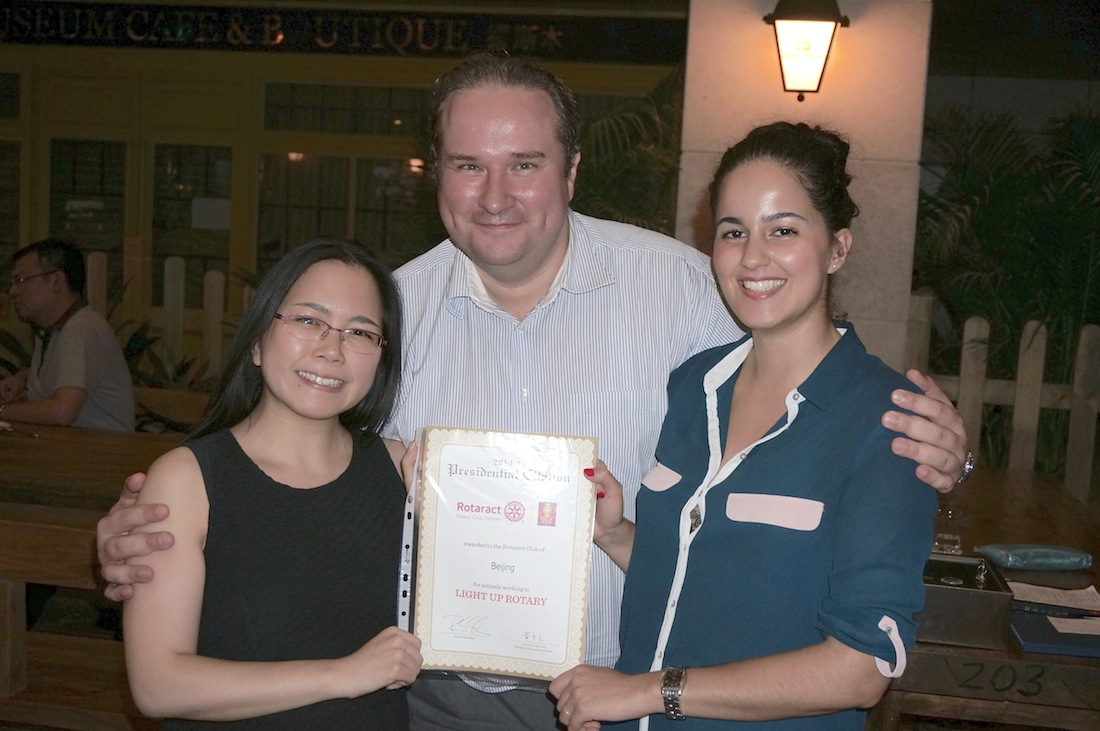
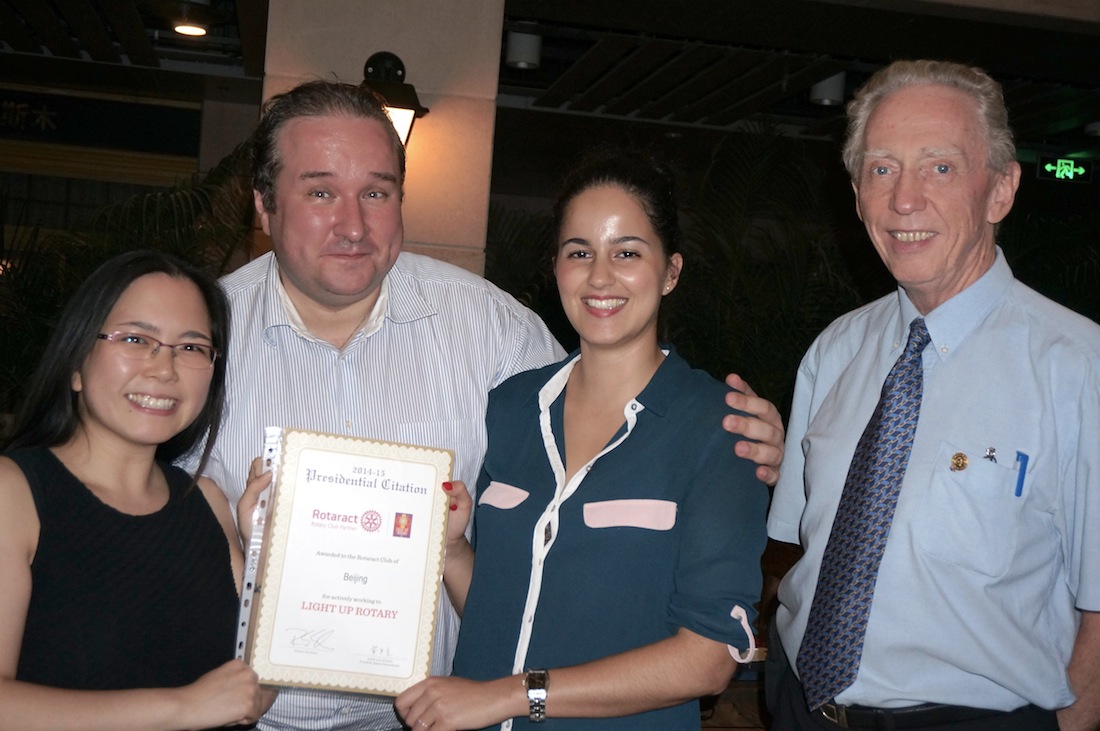
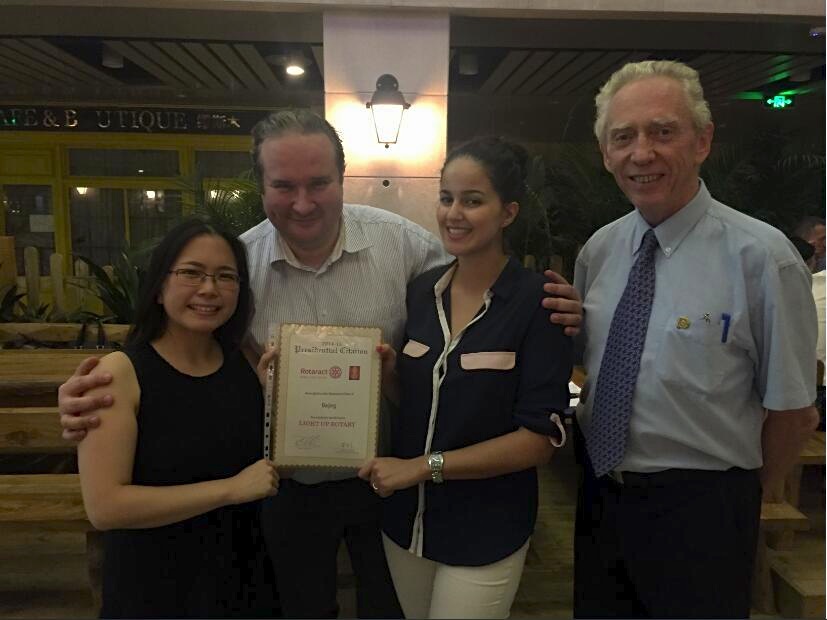
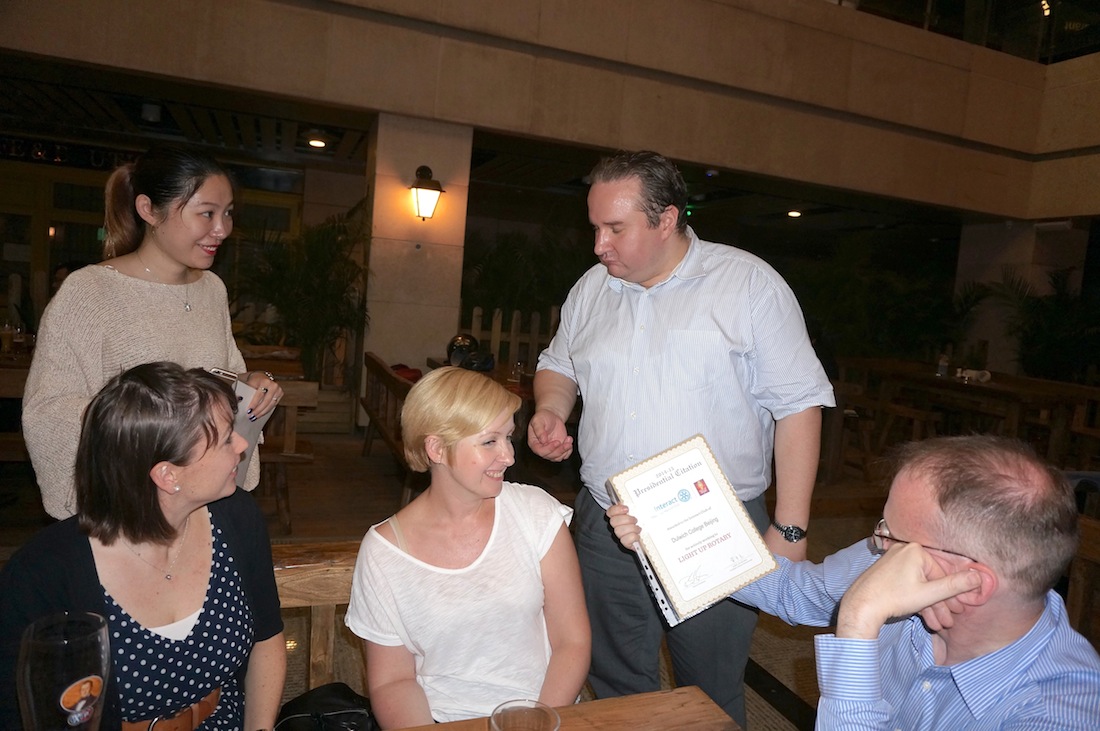
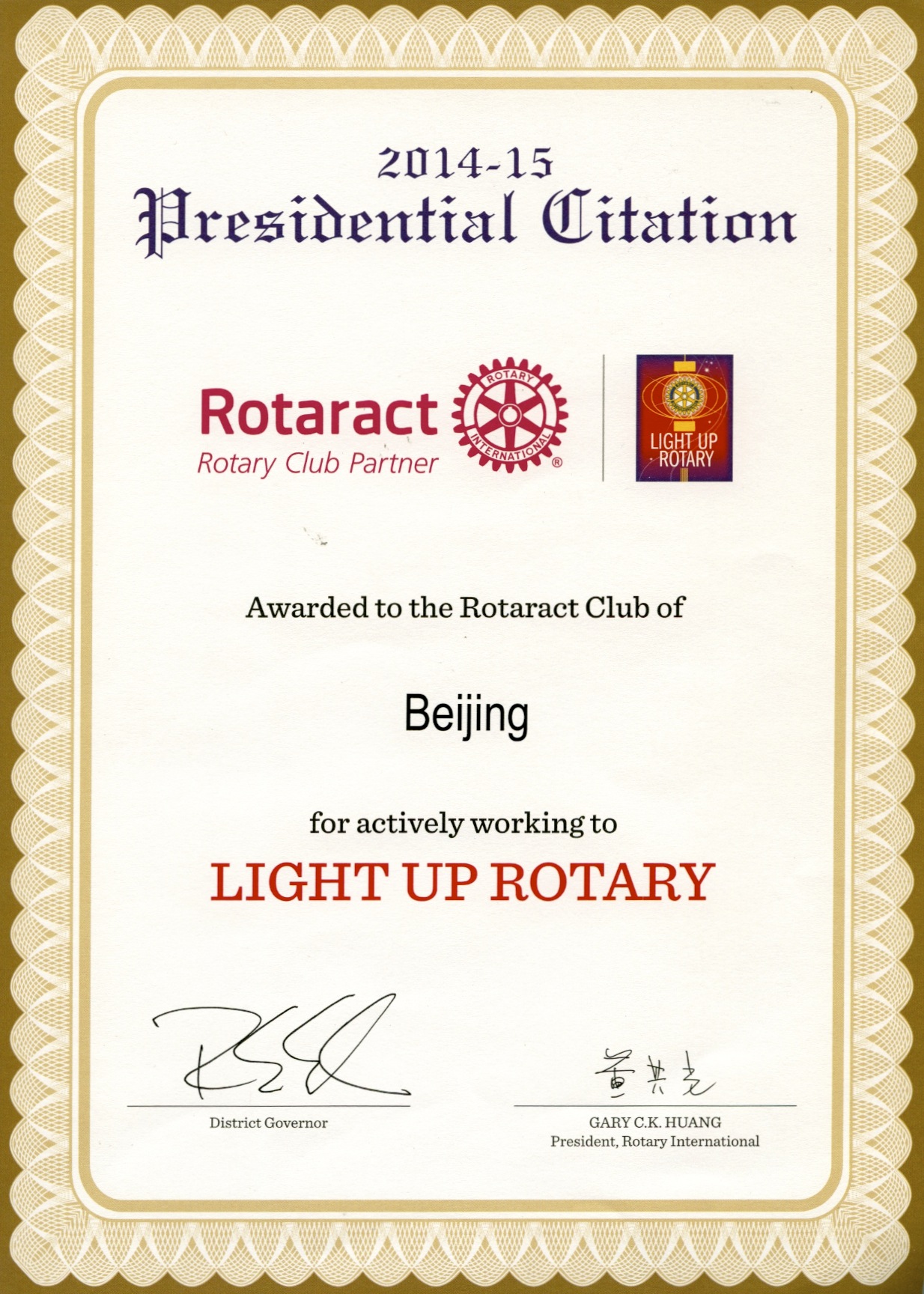
The event was also for the Beijing Rotaract Club, visiting Rotarians and friends of Rotary. At the occasion, Rotaract received the Rotary 2014-2015 Presidential Citation.

Great food, a lot of beer and lively chats!

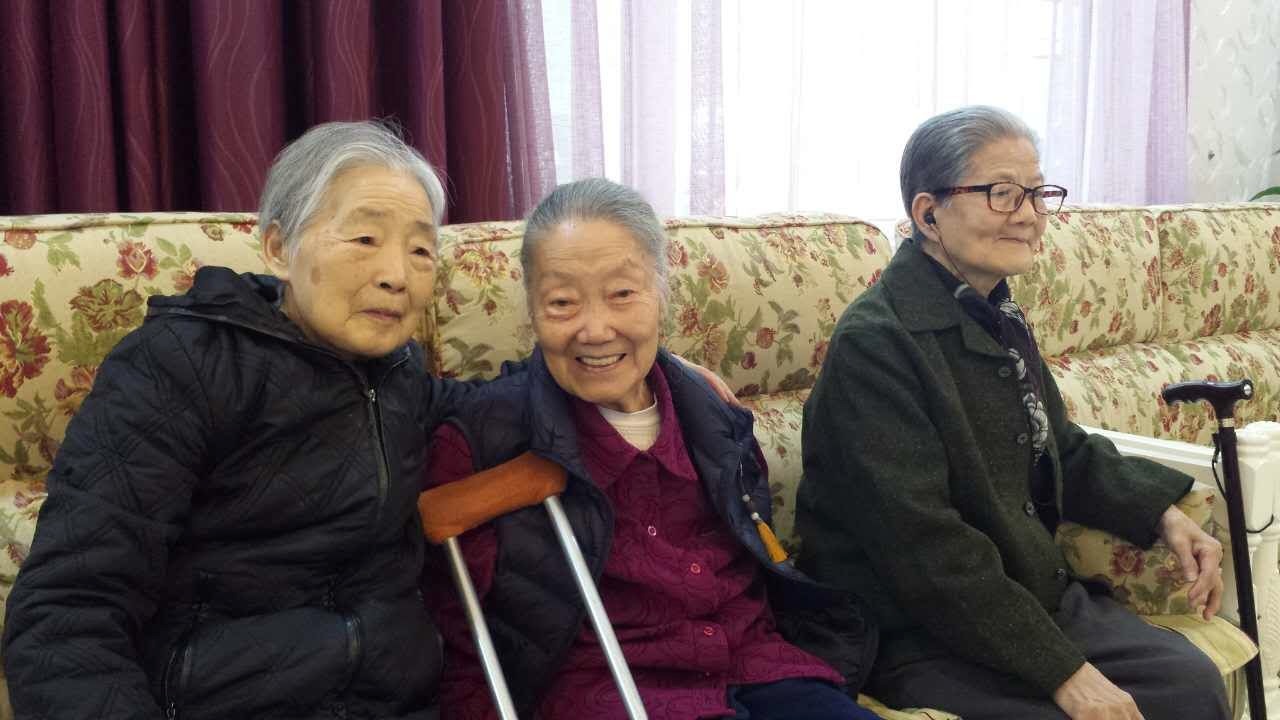
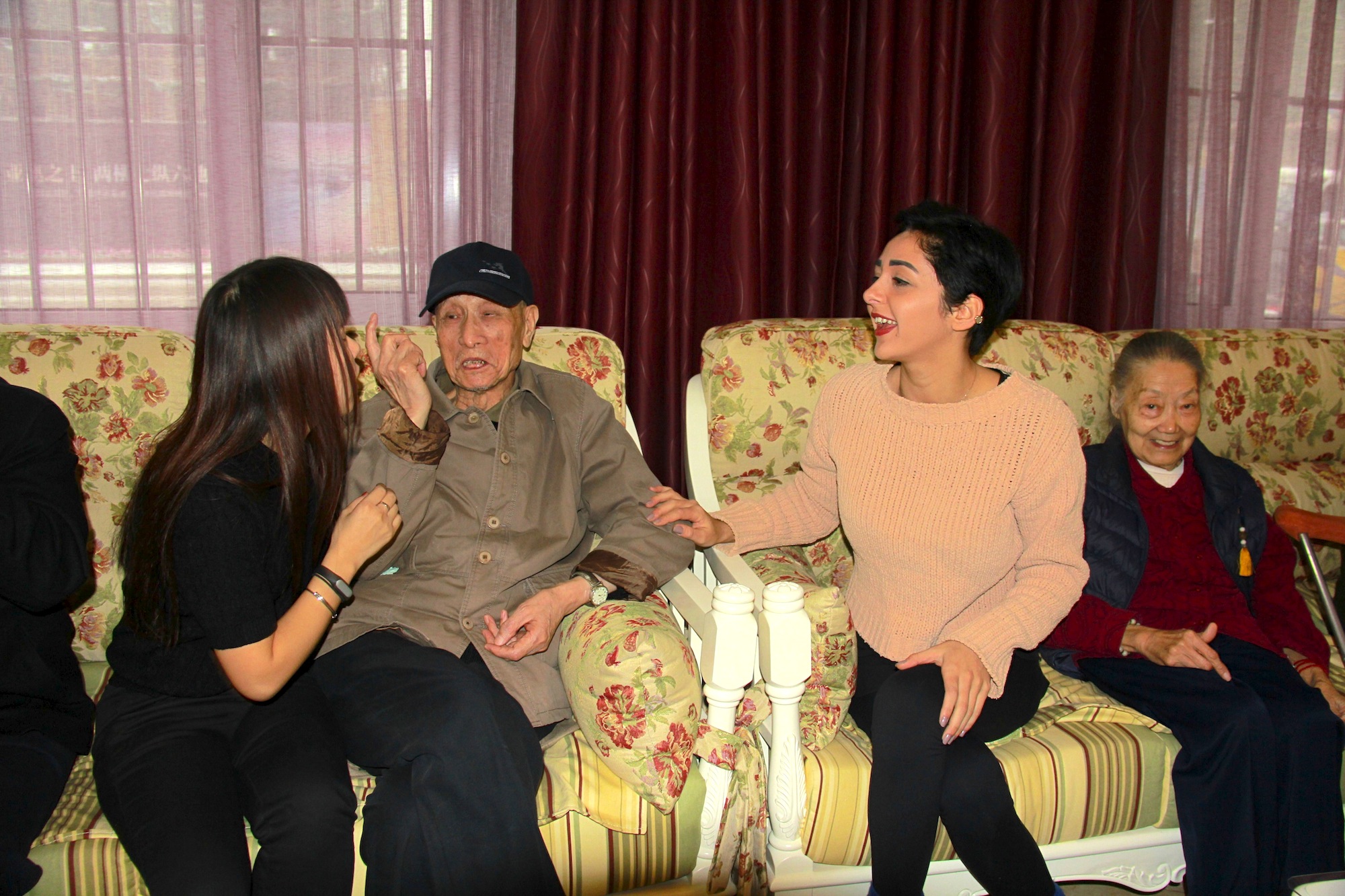
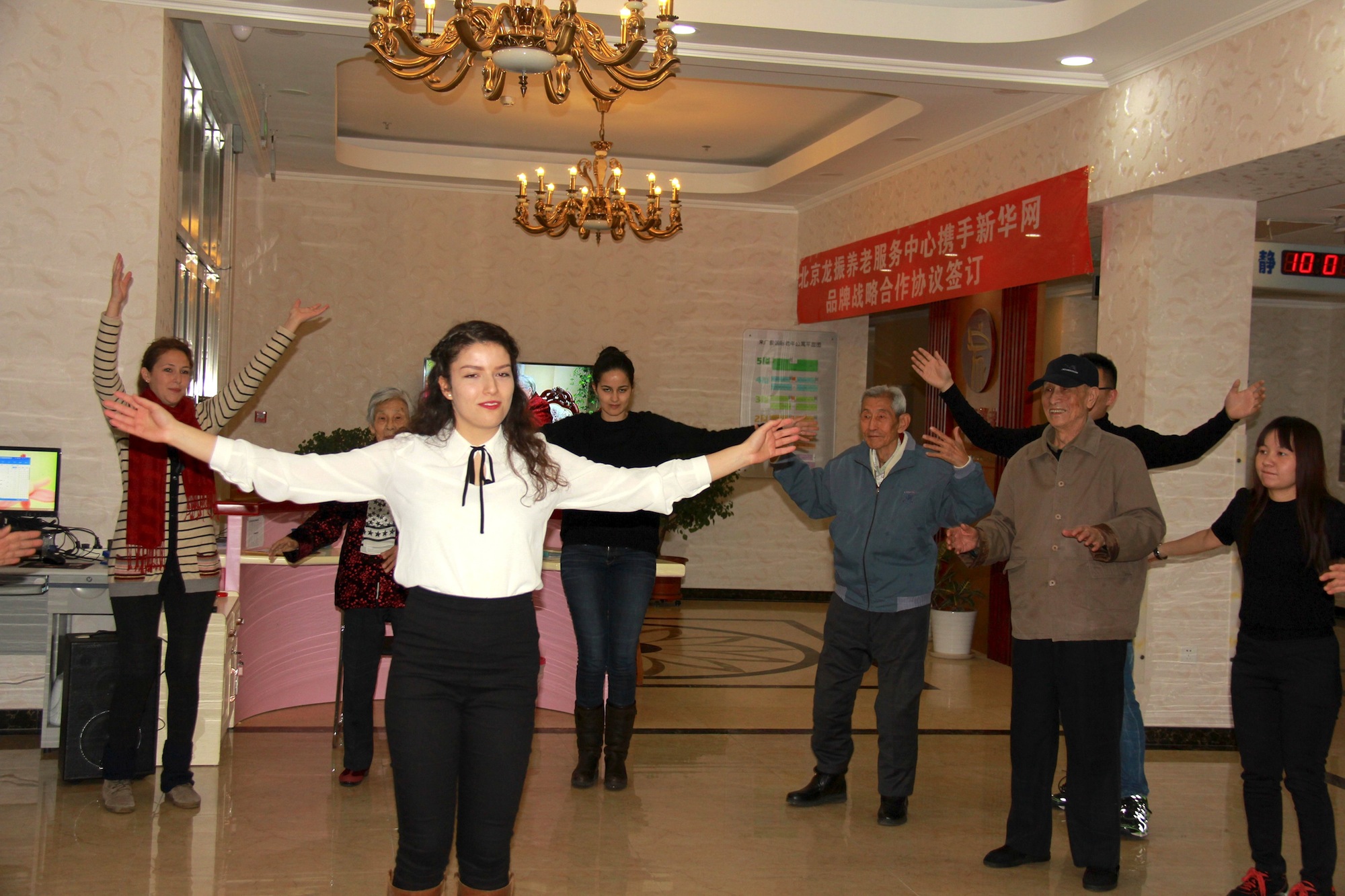
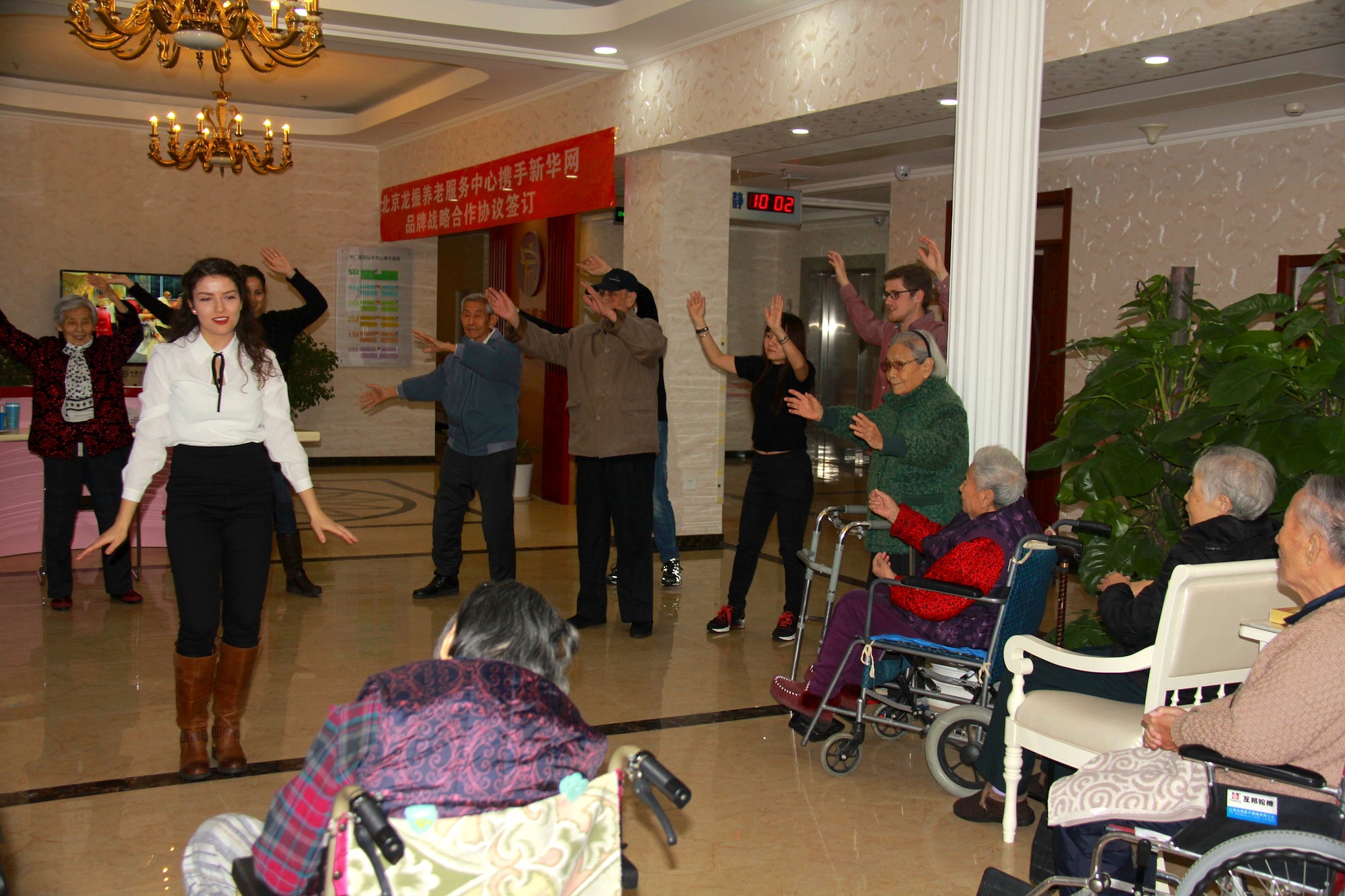
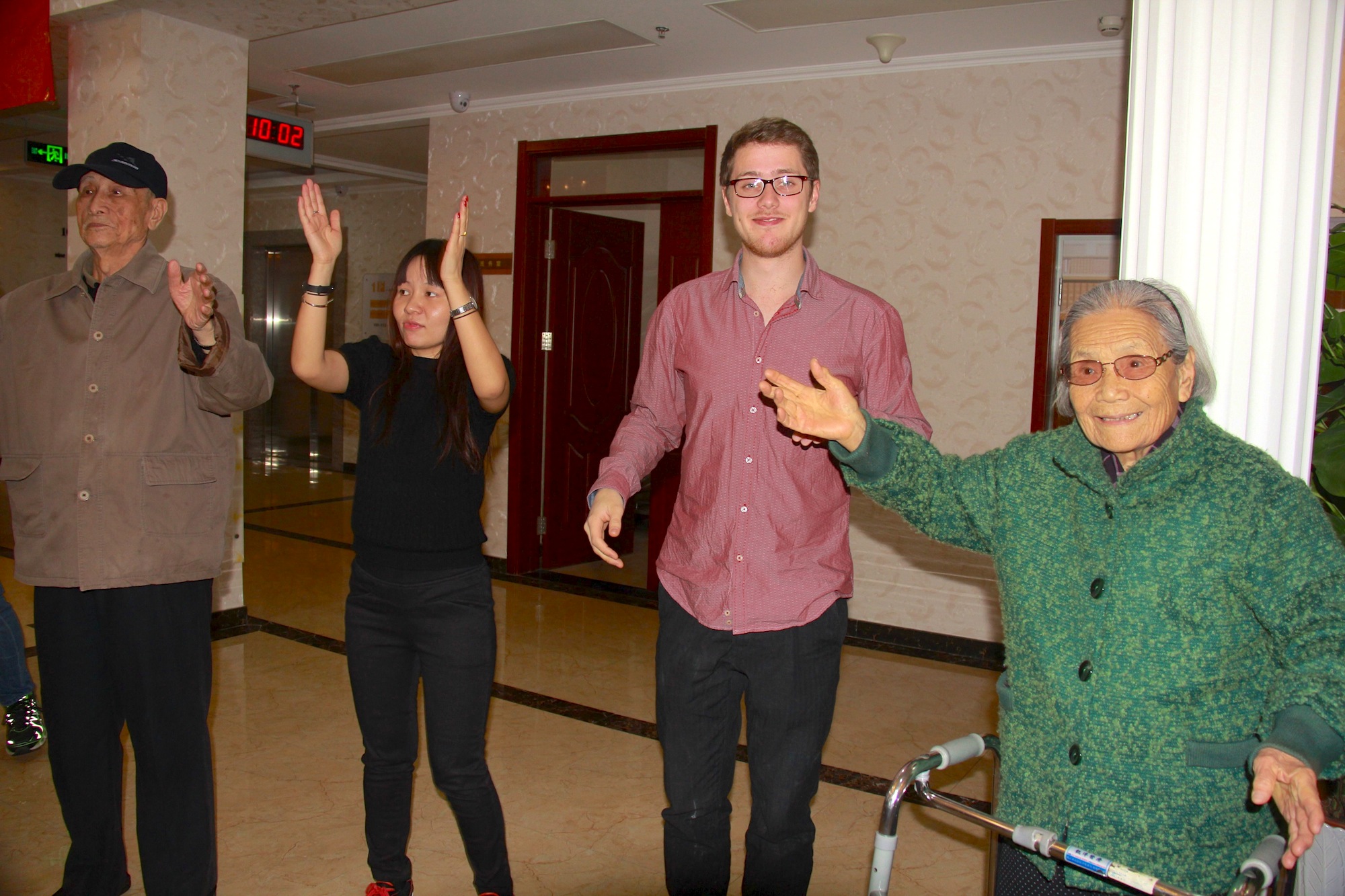
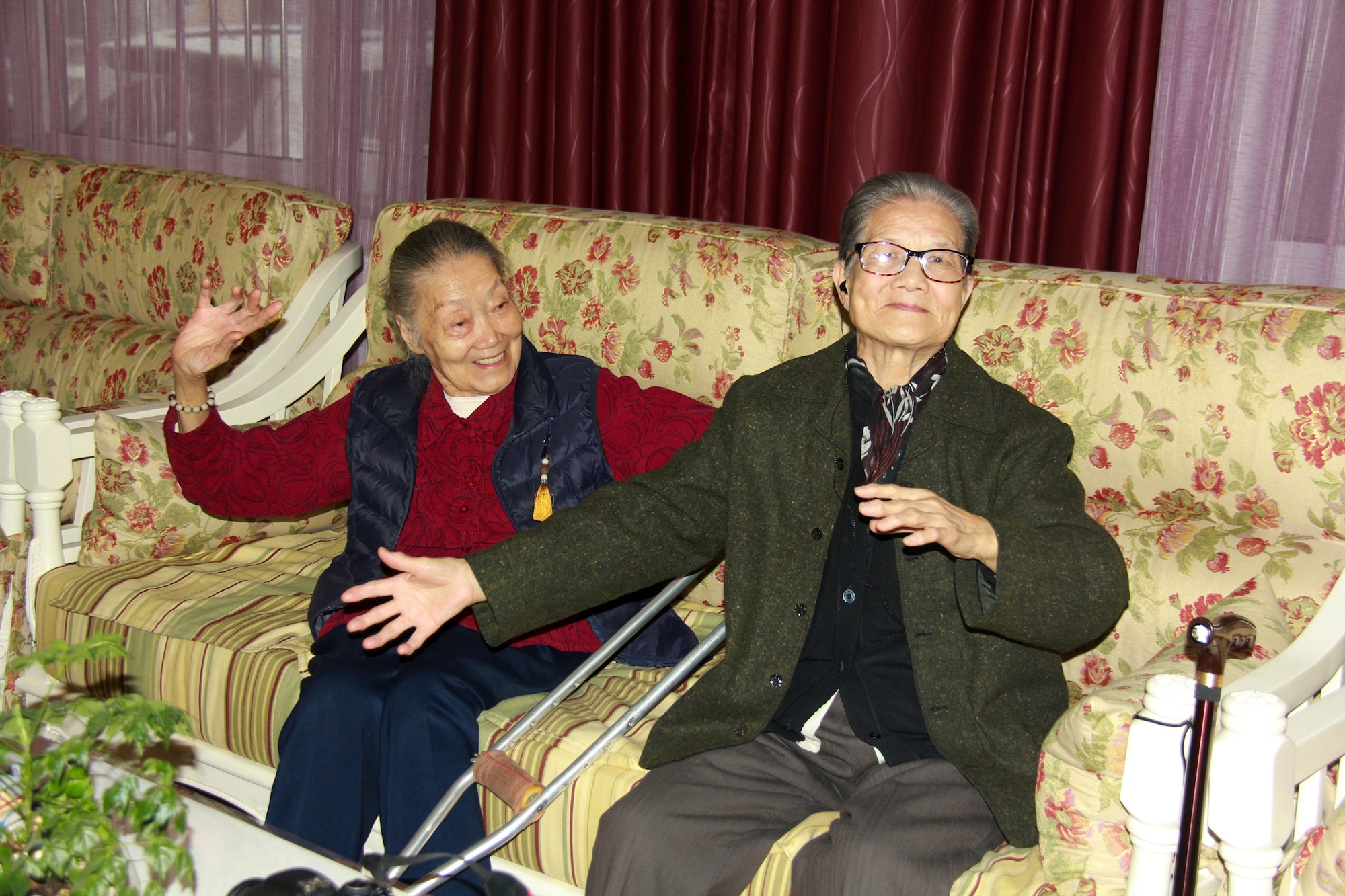
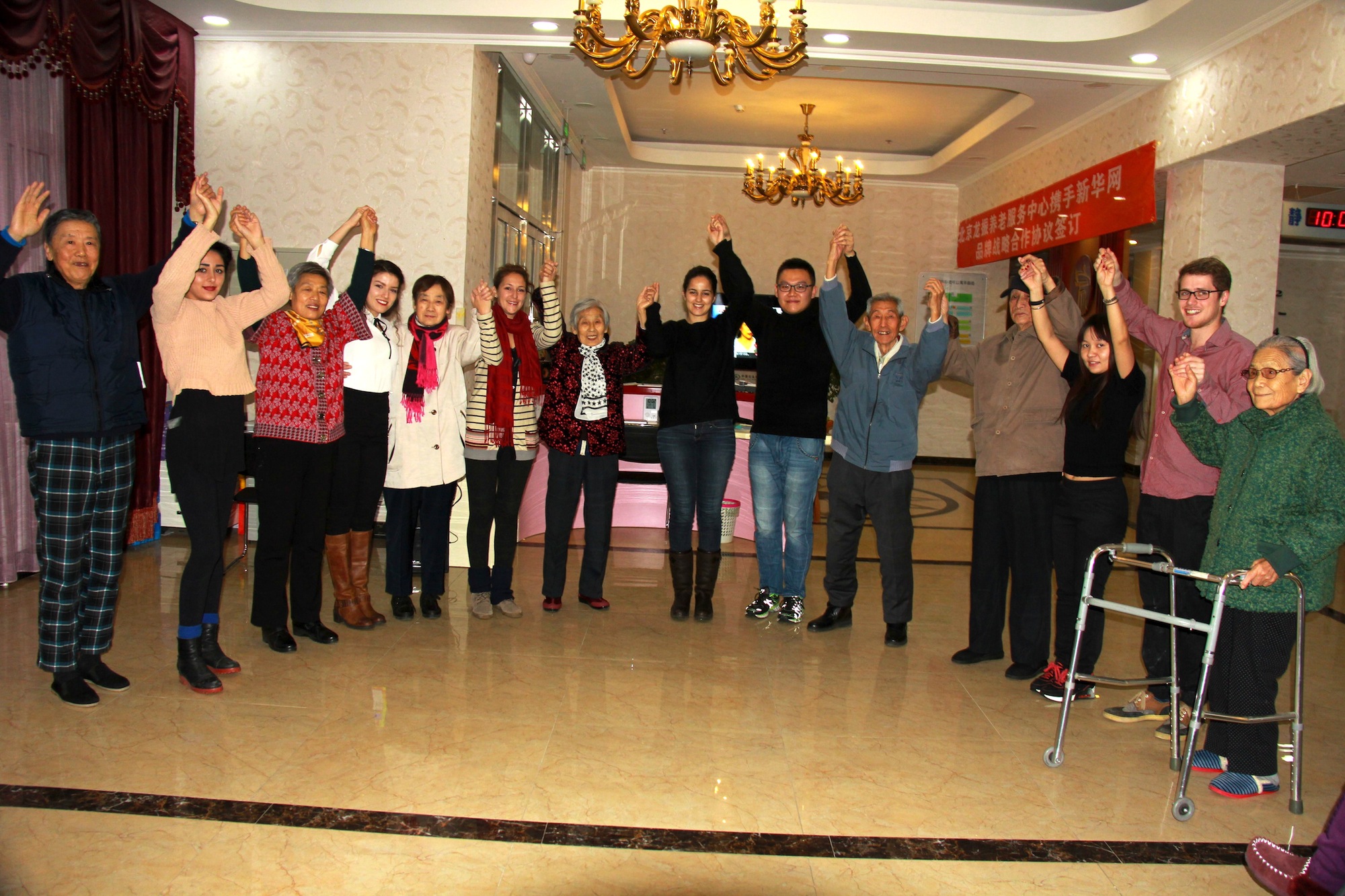
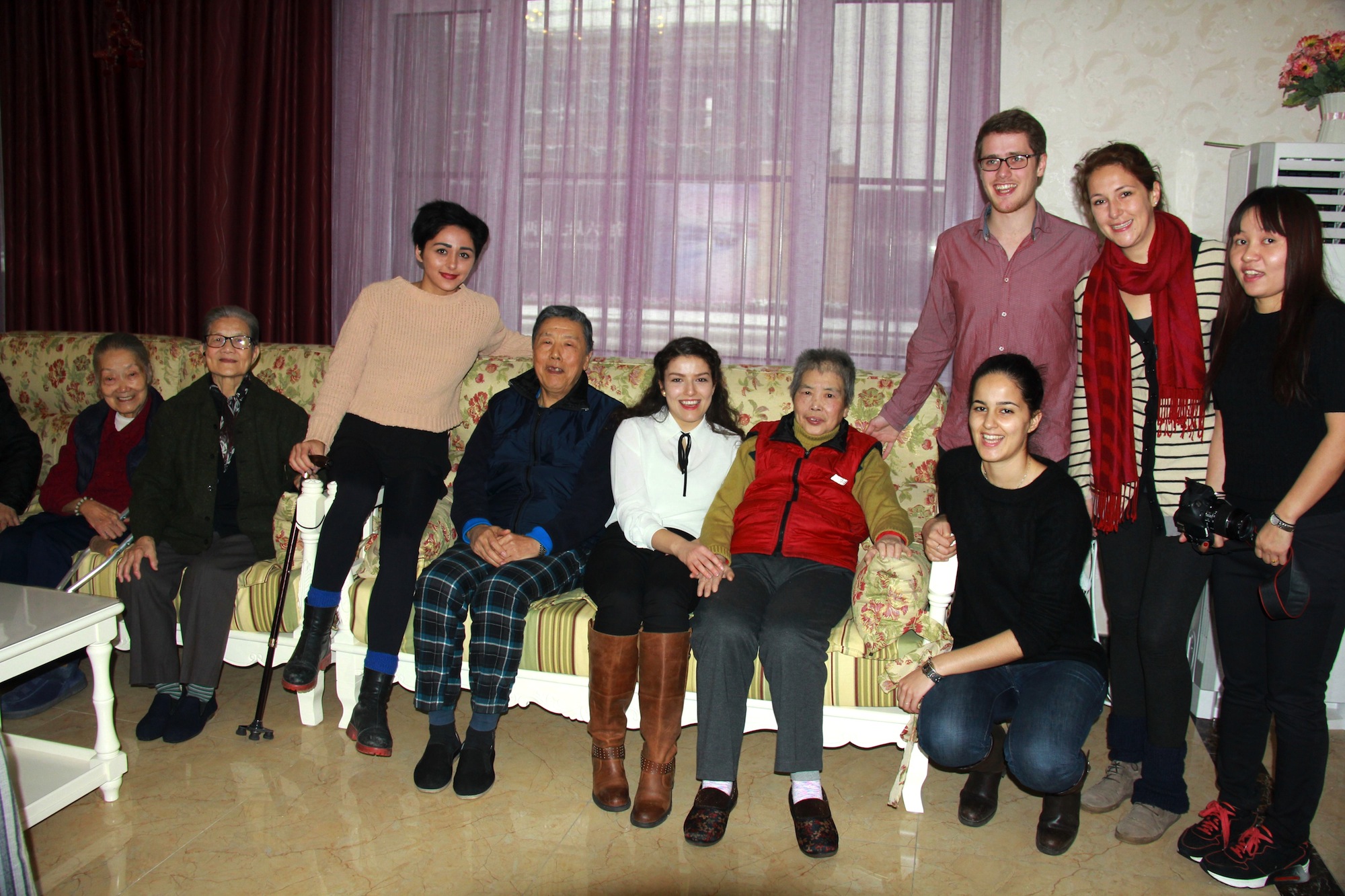
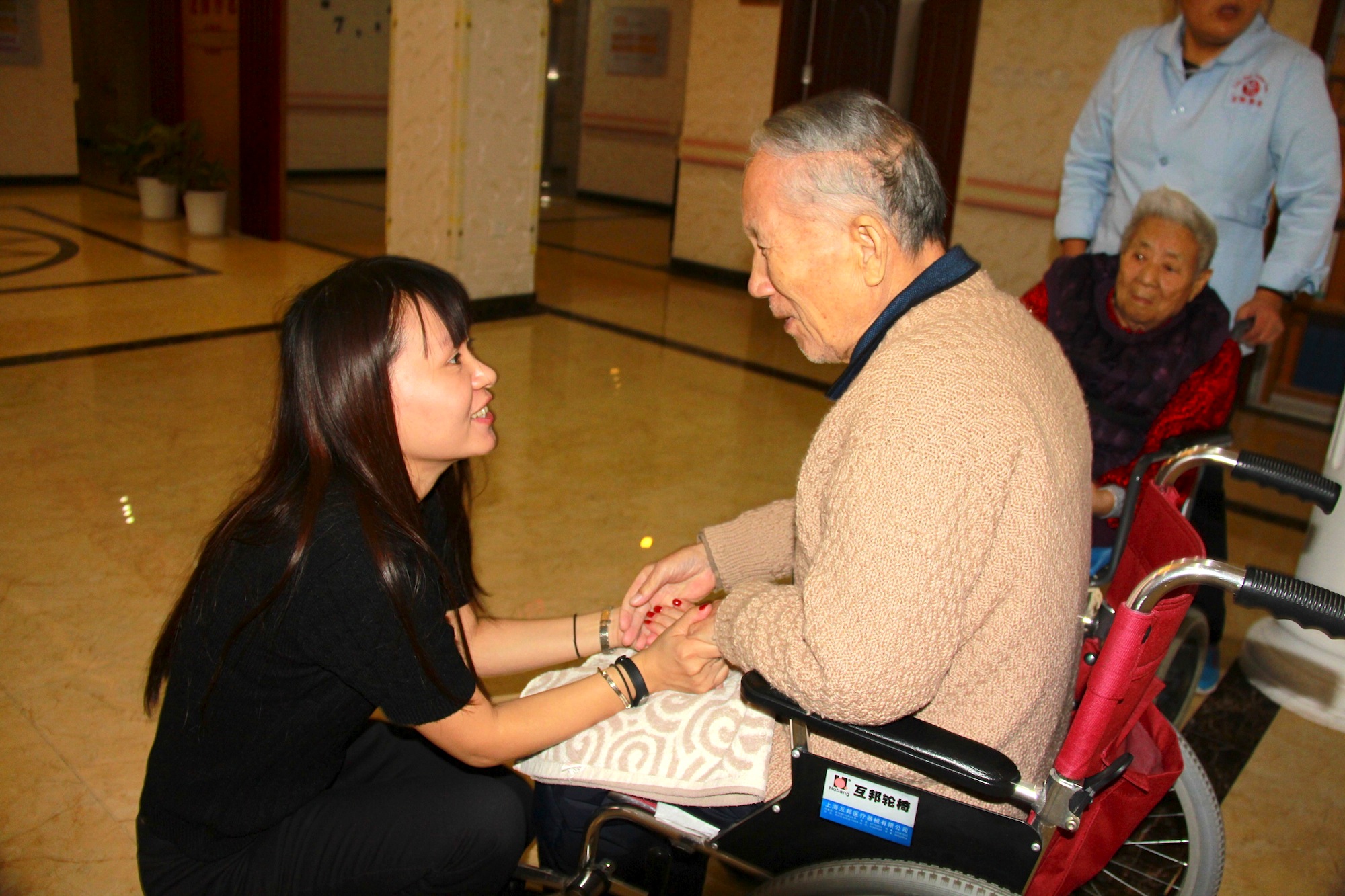
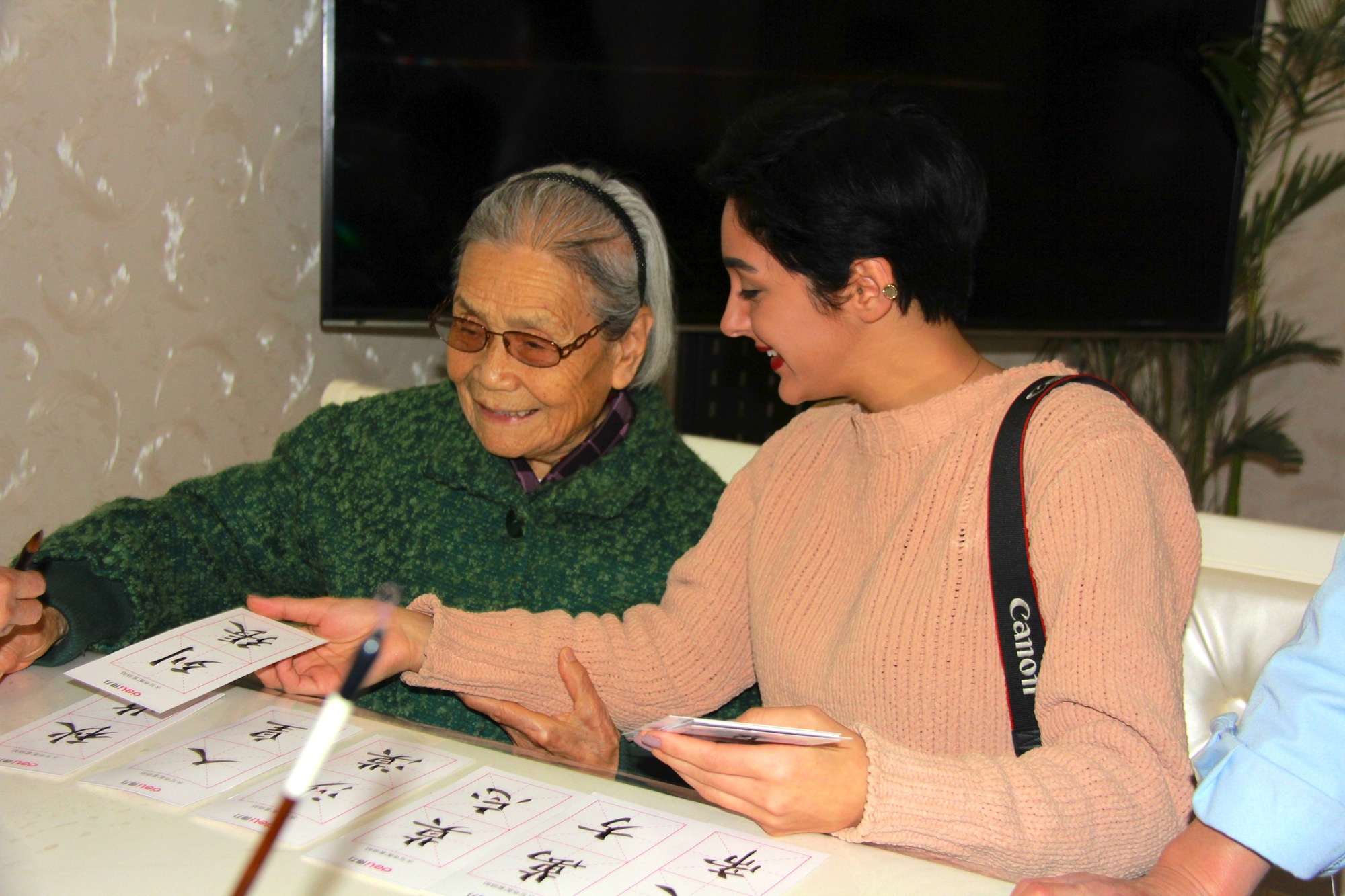
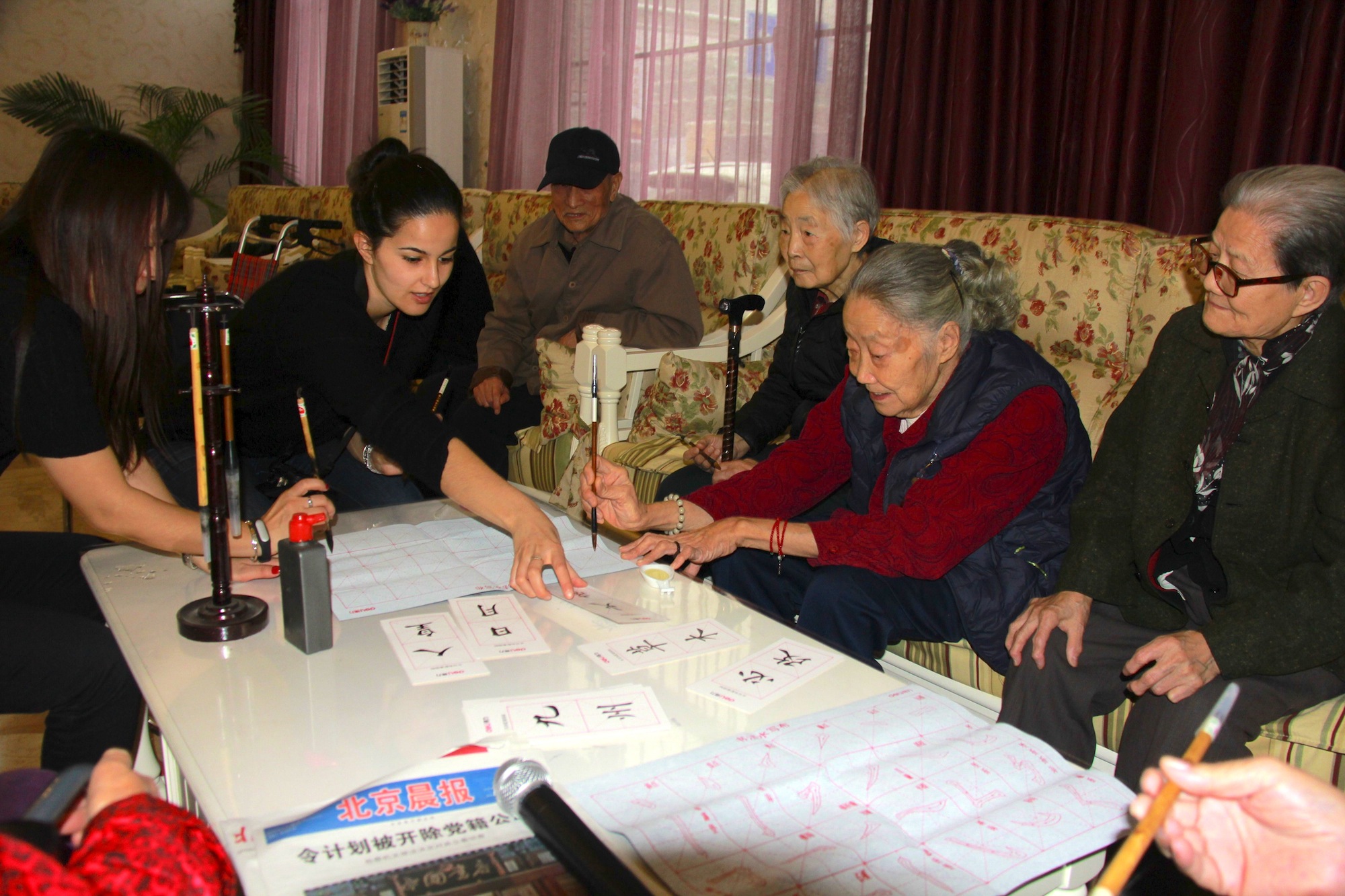
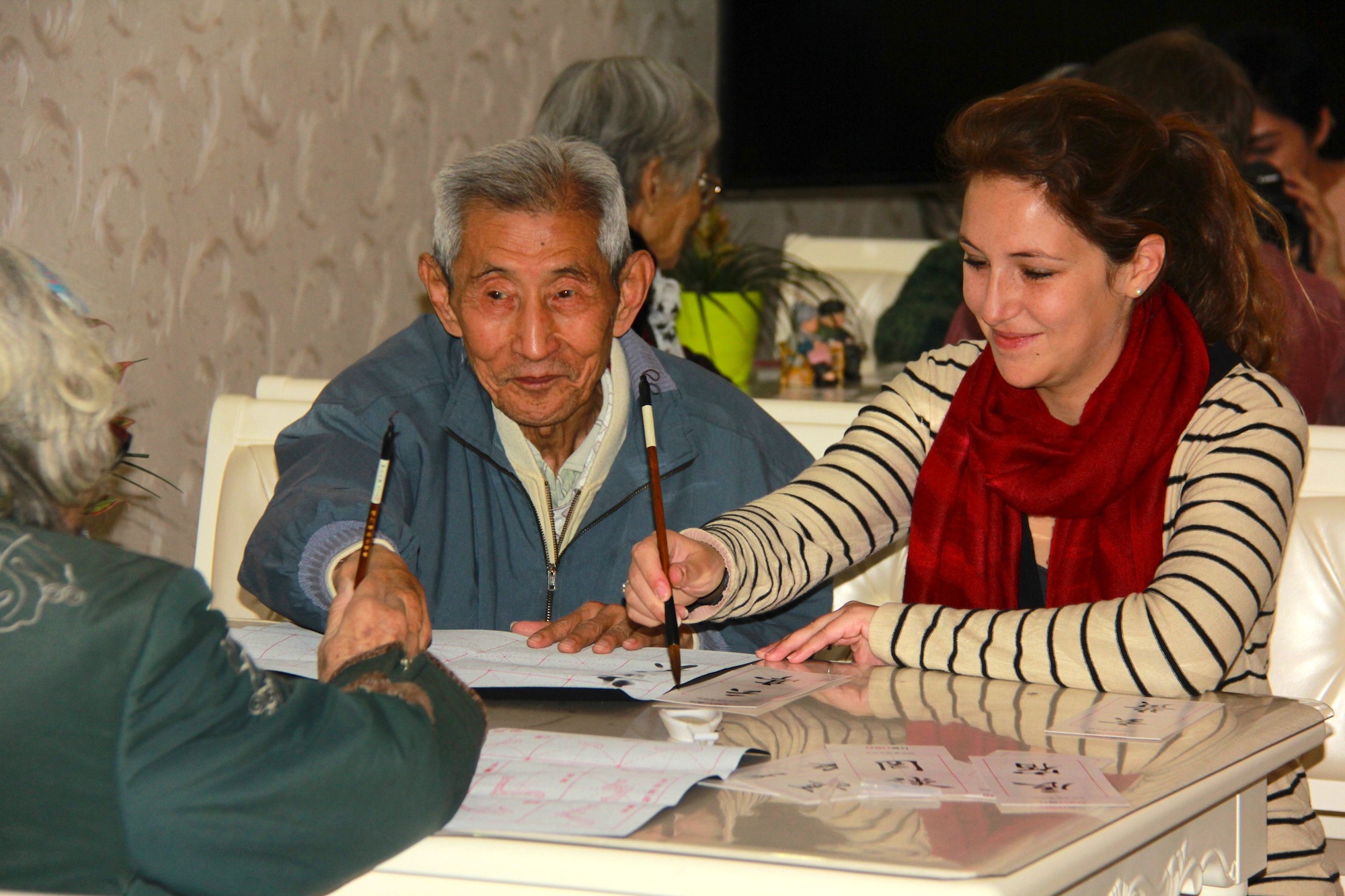
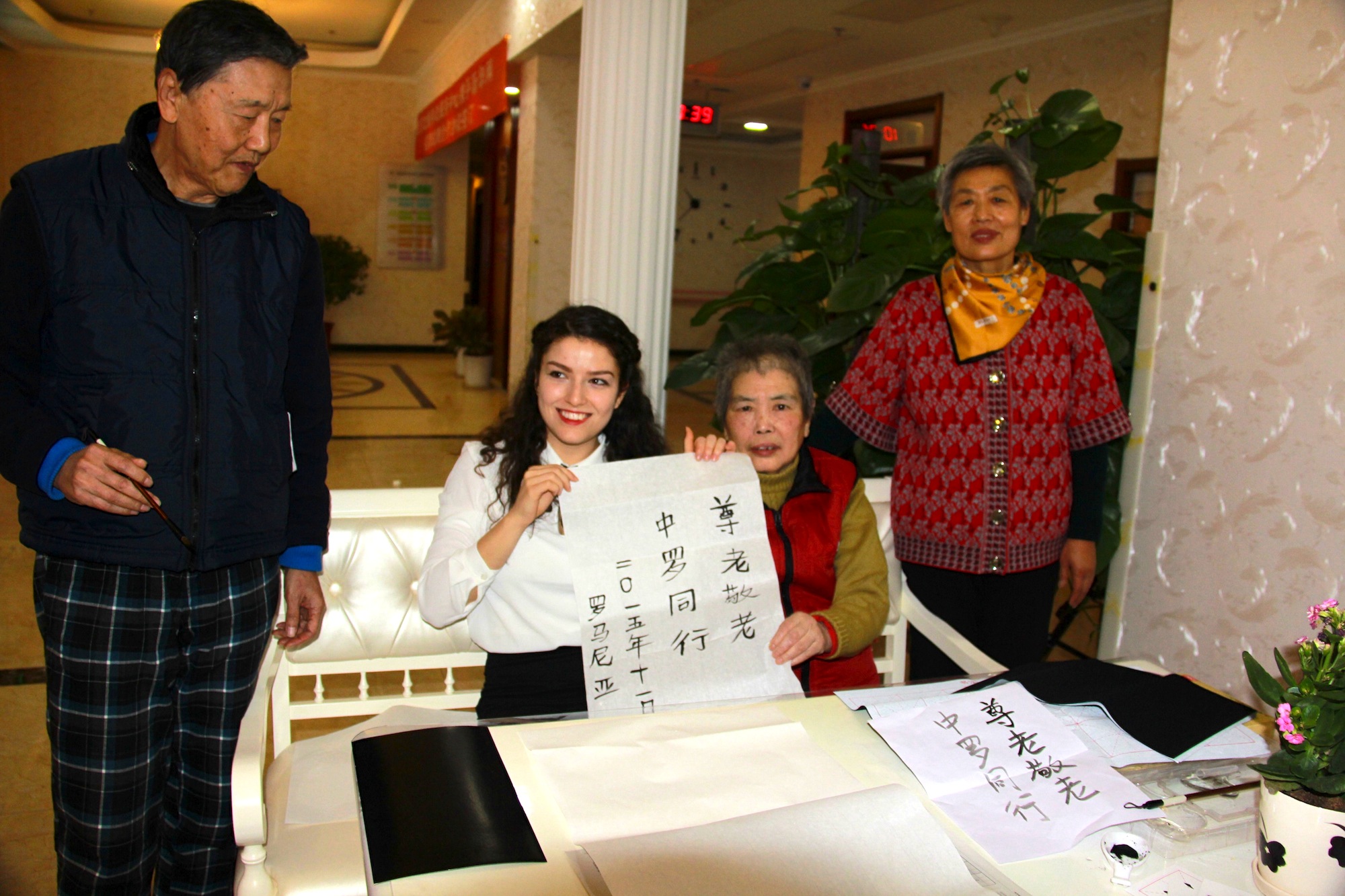
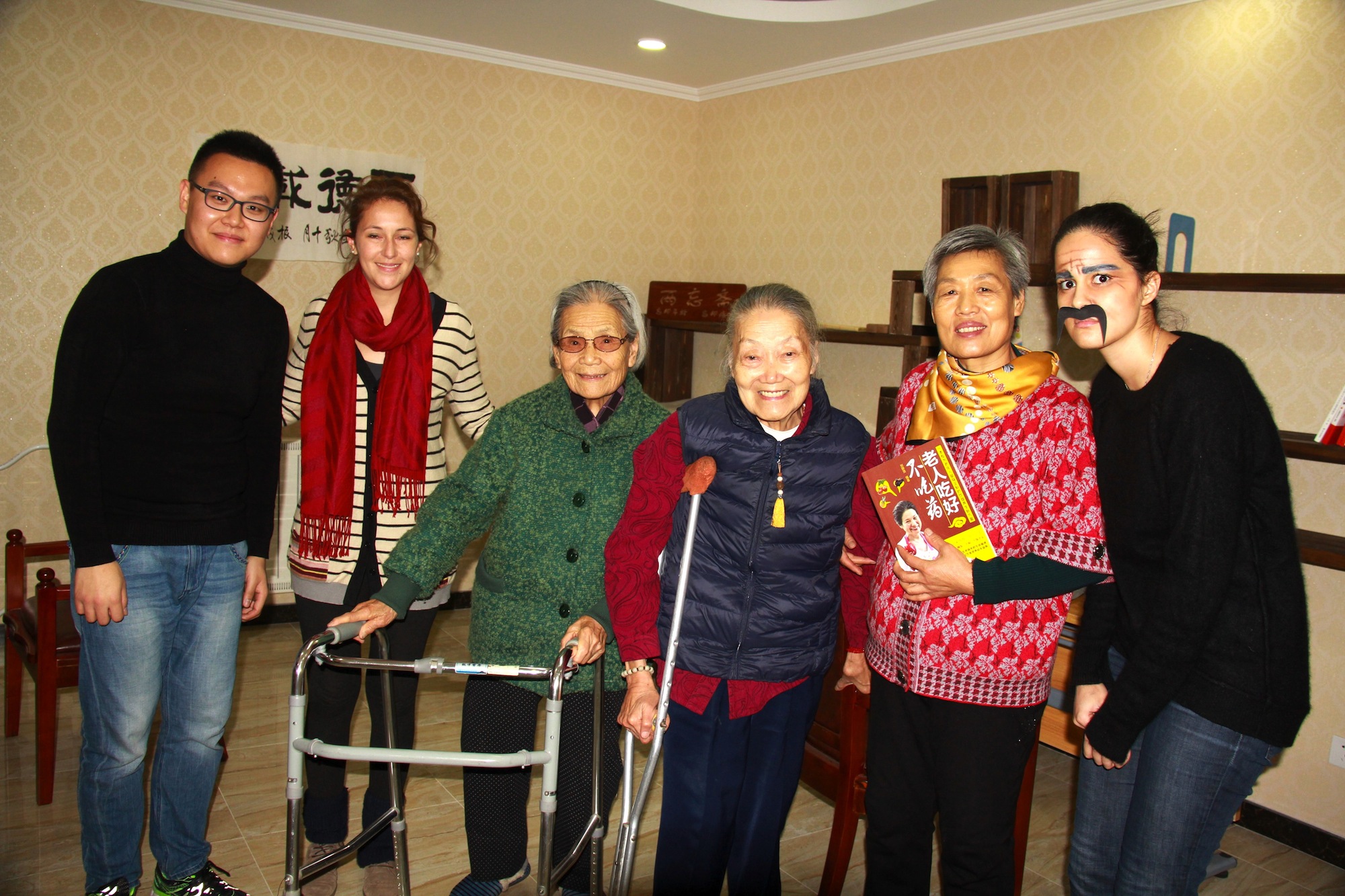
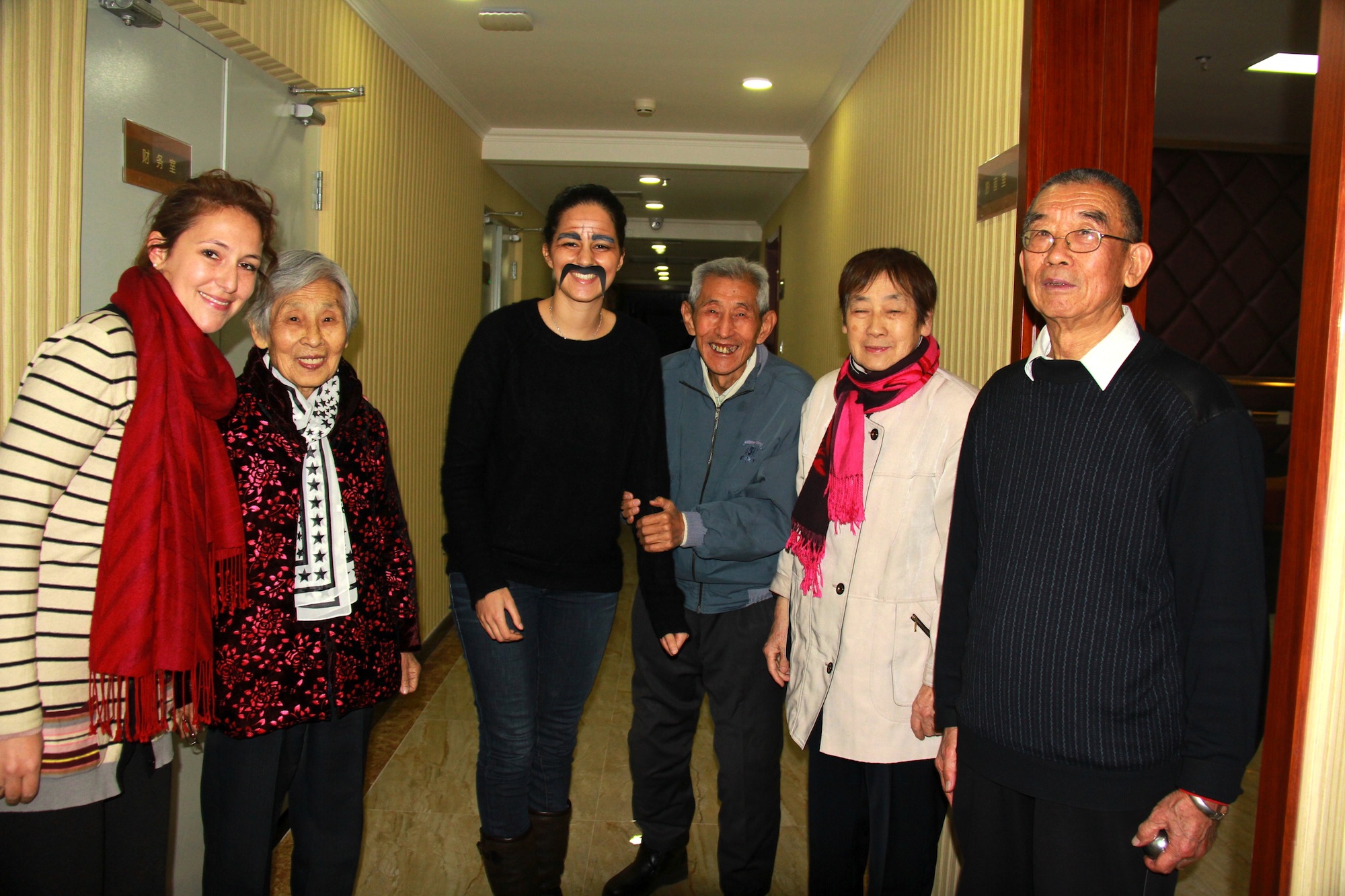
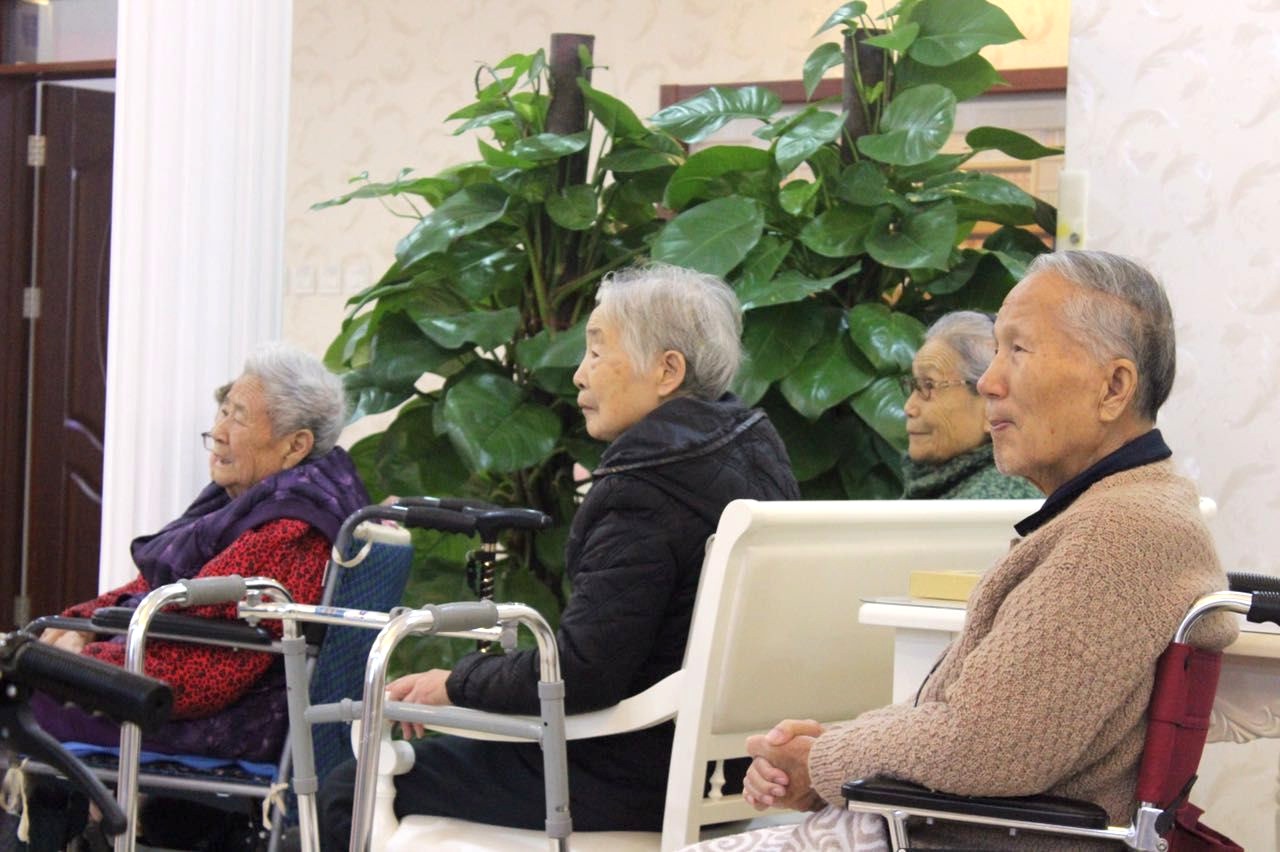
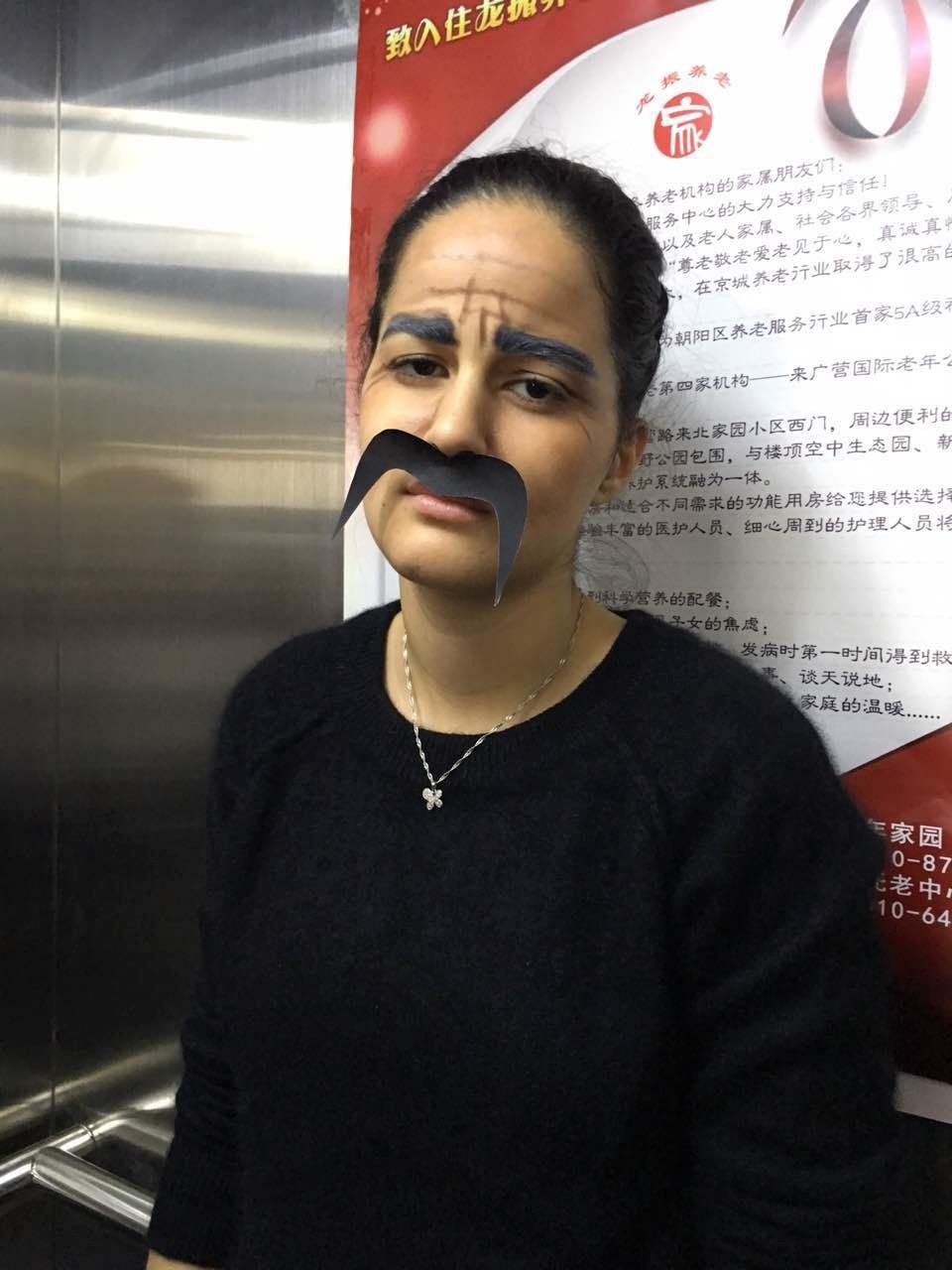
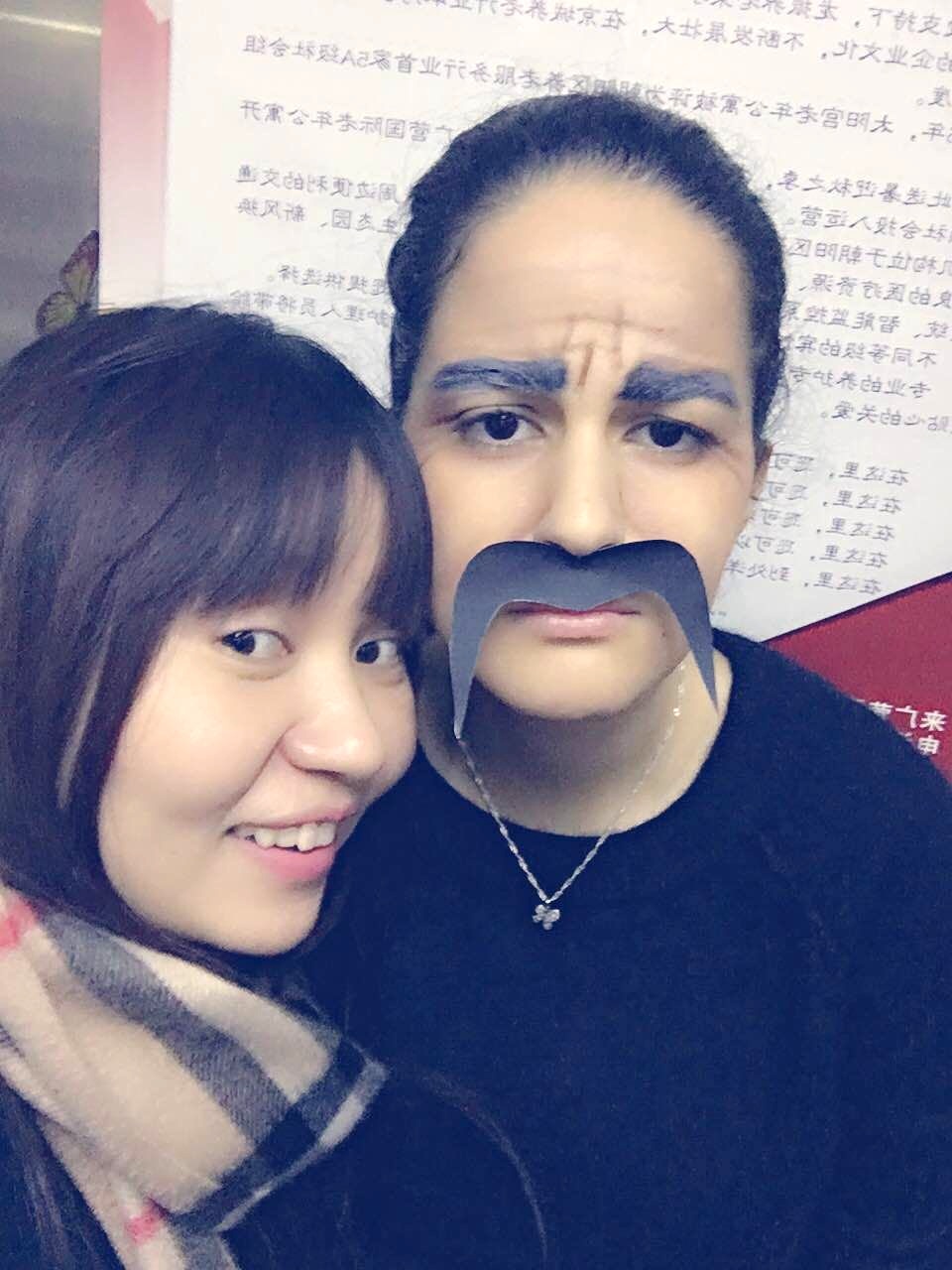
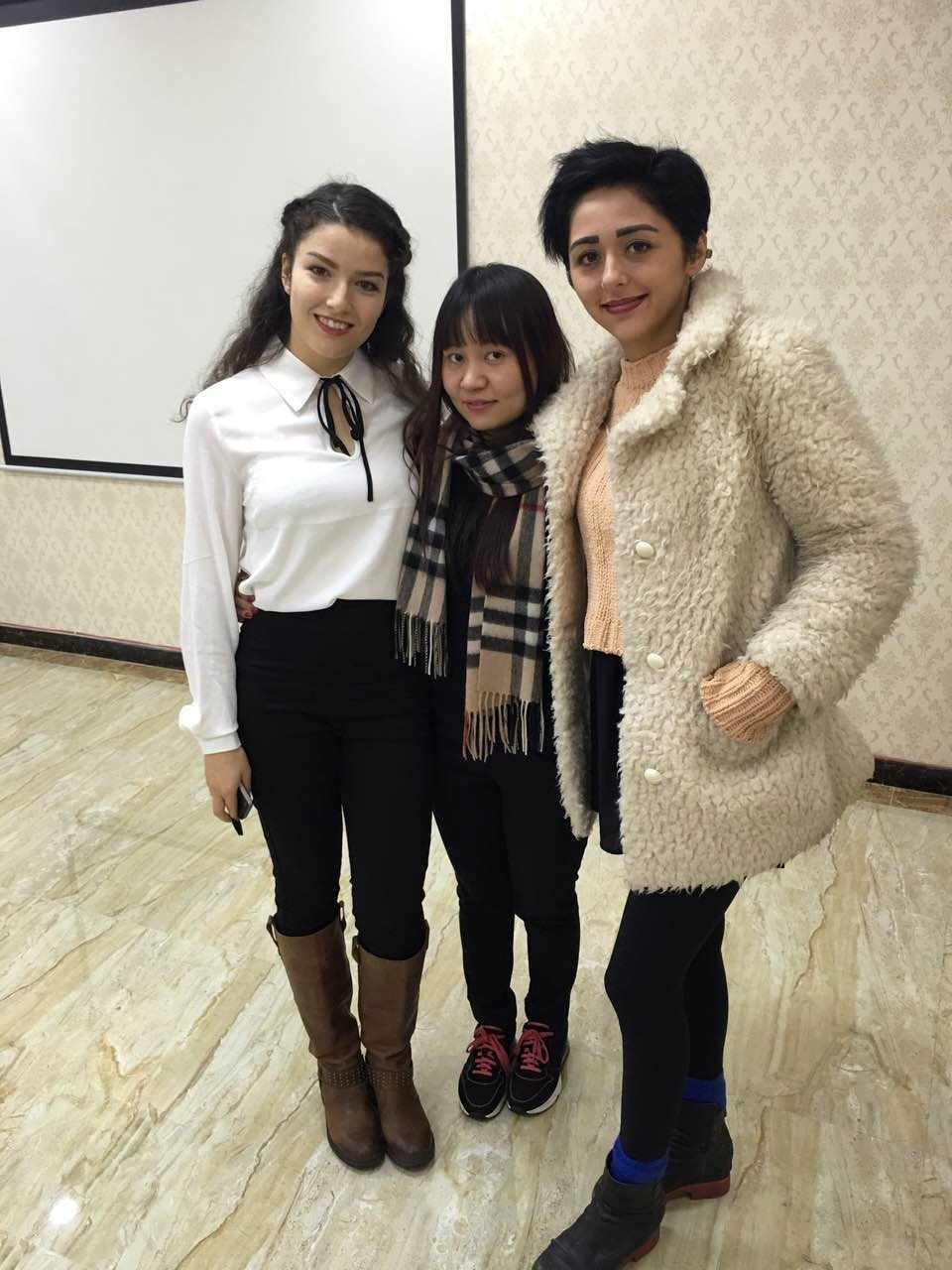
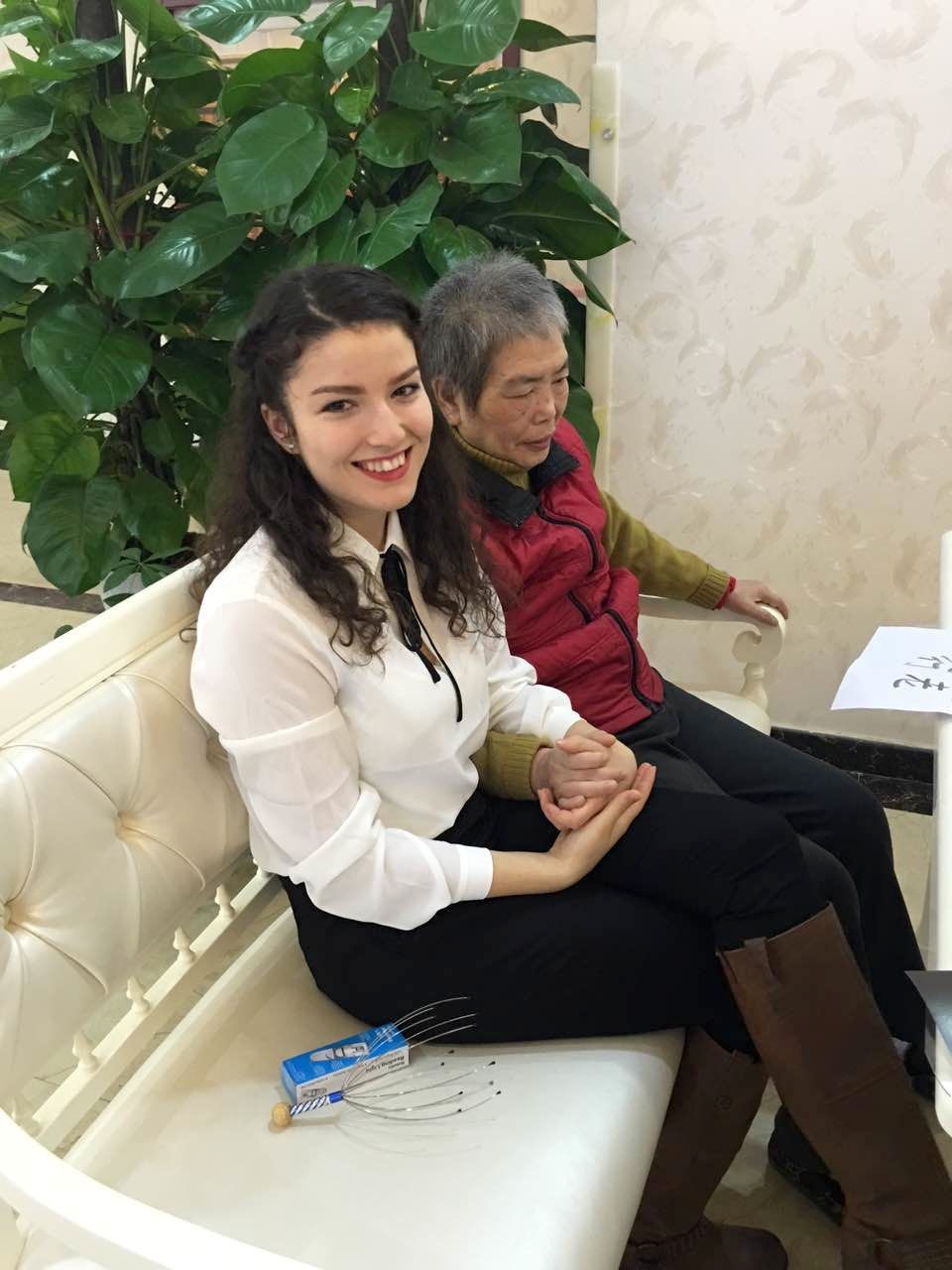
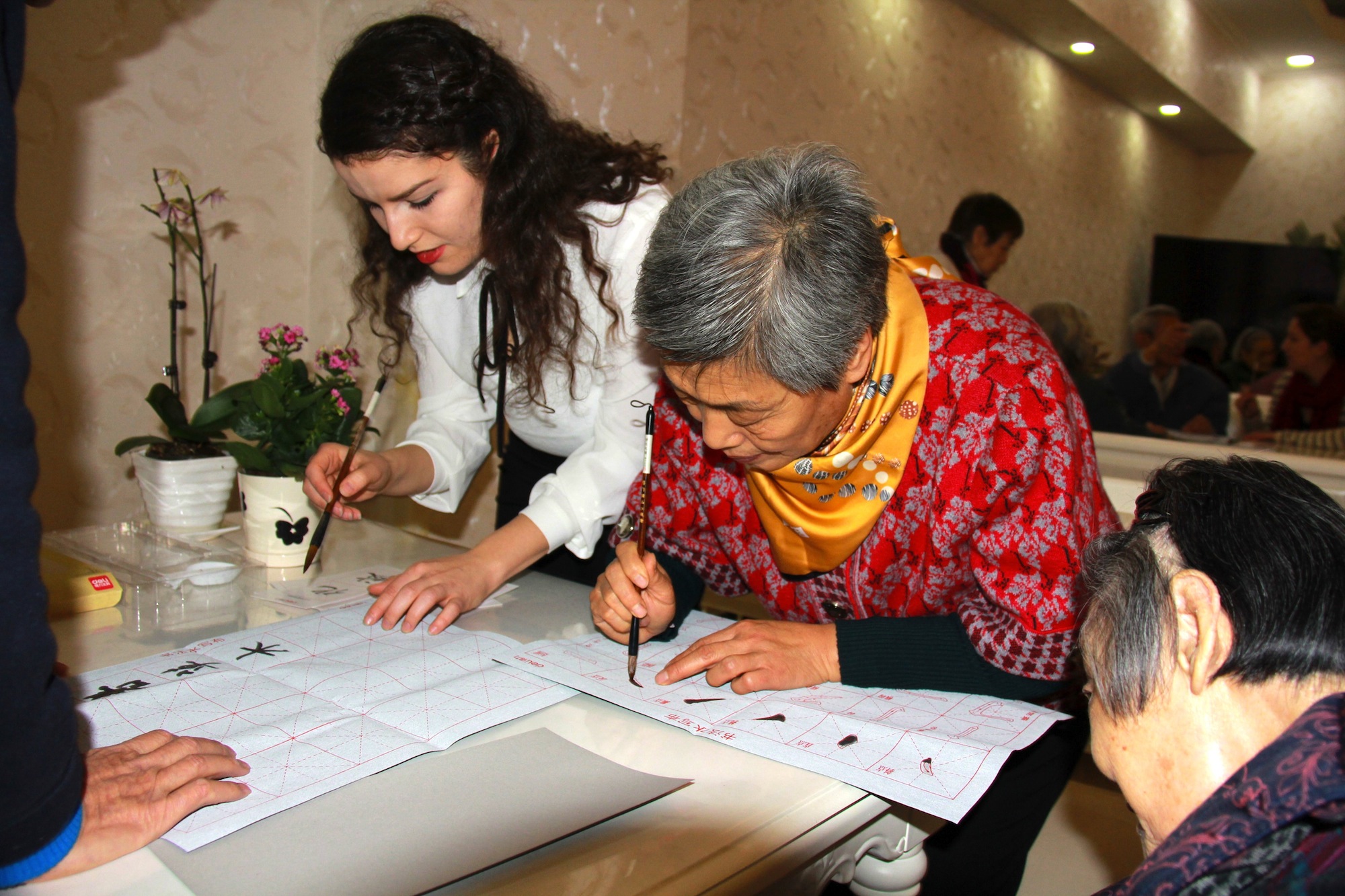
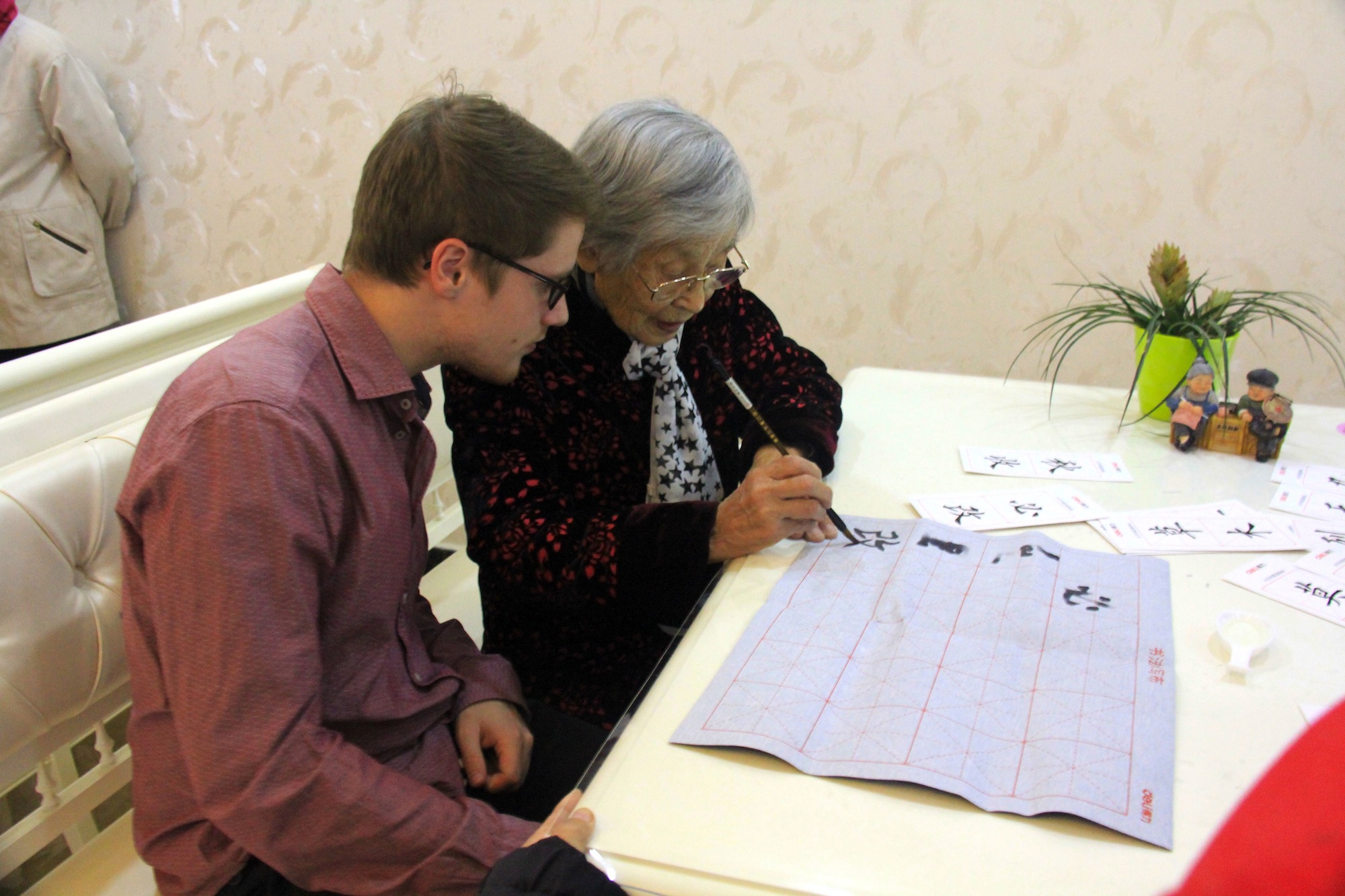
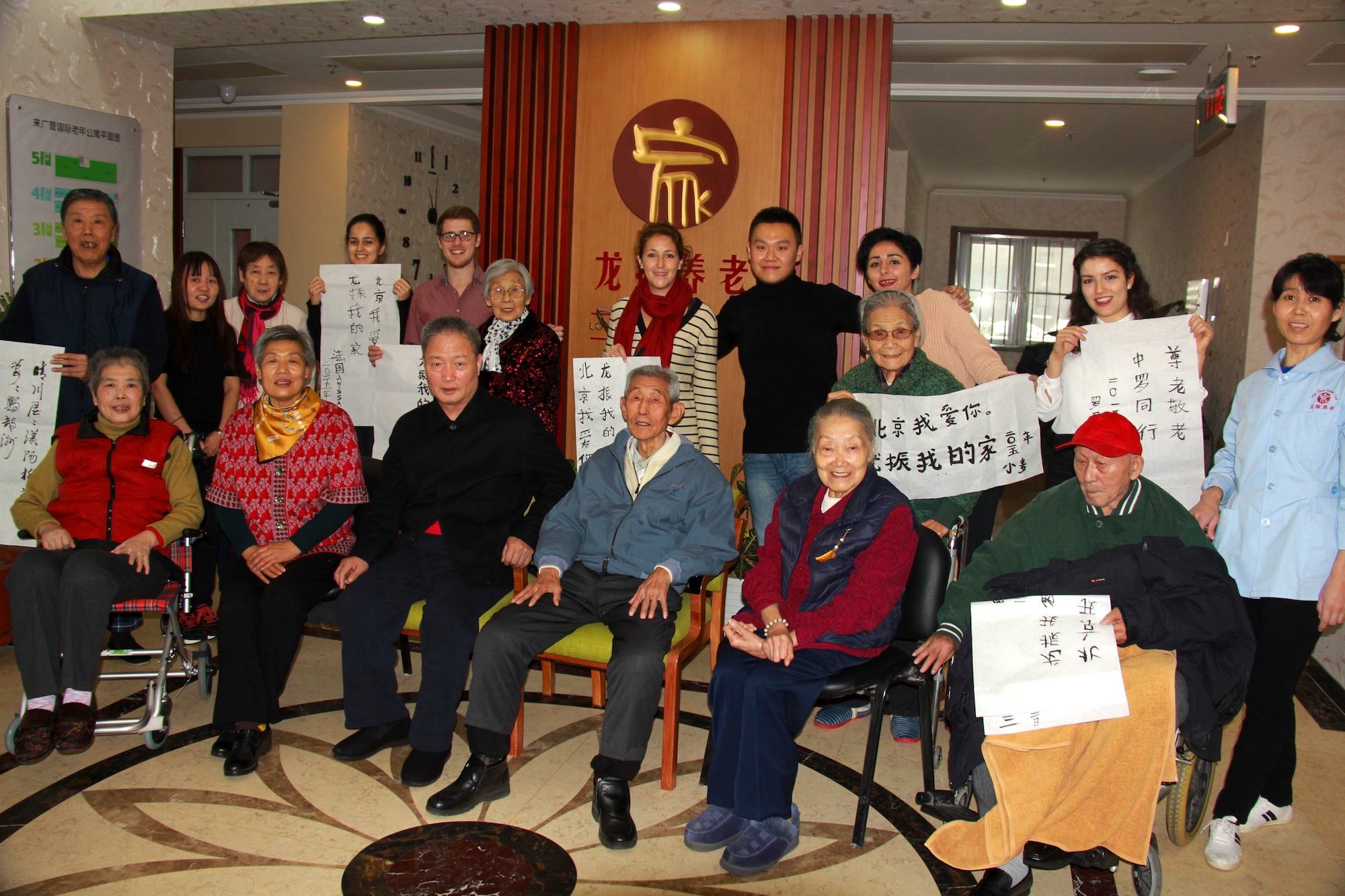
Rotaractors putting a smile on seniors

More pictures of the yesterday’s visit to LONG ZHEN Senior Care home!

Our young people did such a great job. The pictures tell the story…

November 2015: a busy month for Rotaract Beijing

On 16 November one of the well-attended weekly meetings in The Bookworm, every Monday evening 8 to 9 pm. We even had three Rotarians! All this to prepare the upcoming events.
(note the light in The Bookworm is RED, thus the special colors…)

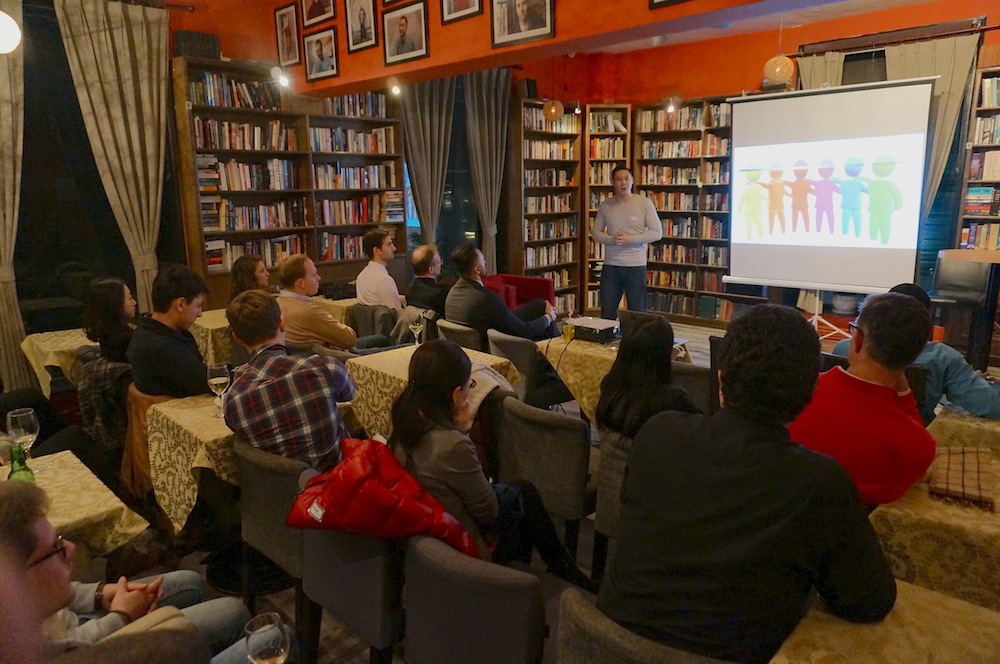
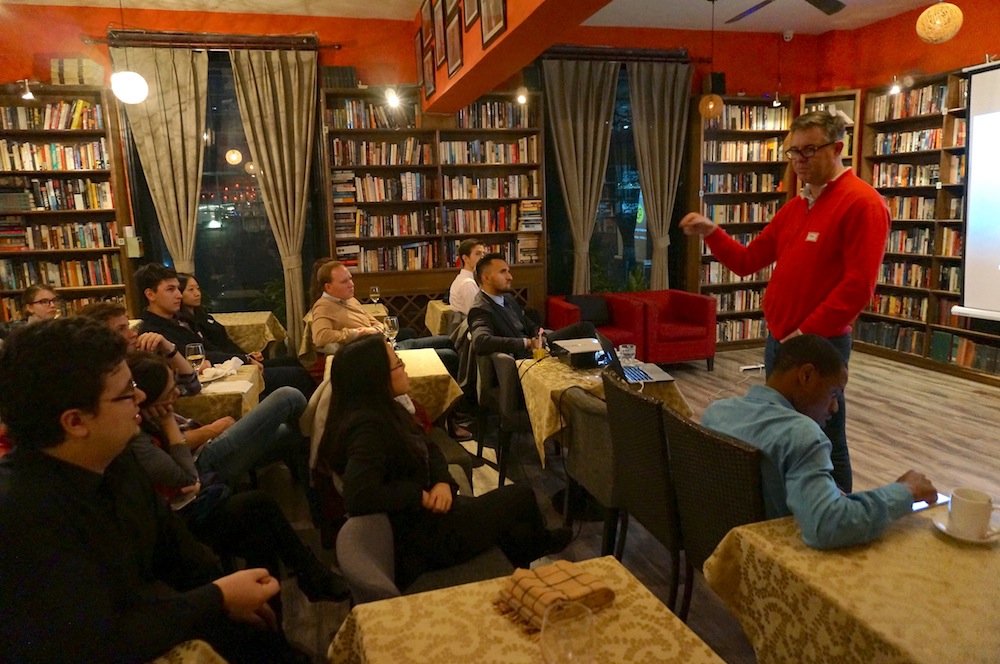
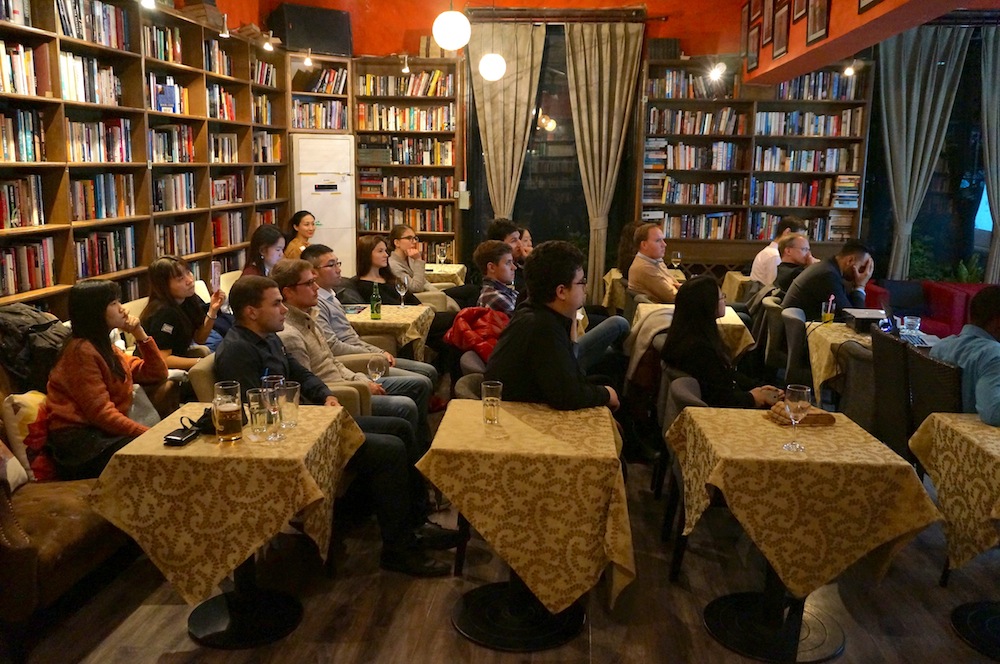
One activity: “Young Professionals Networking Event” 19 November:
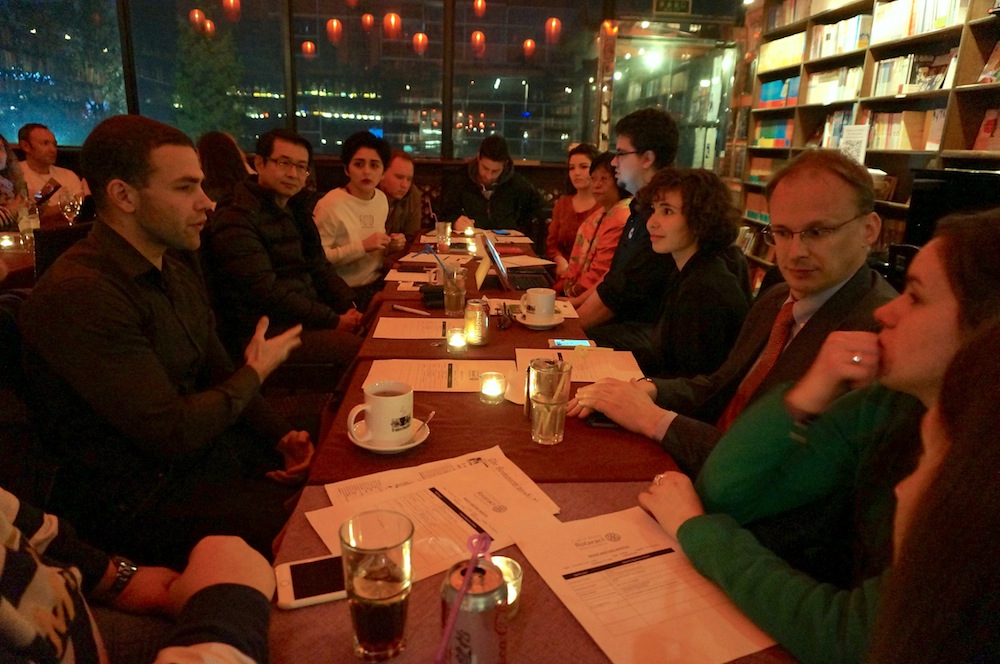
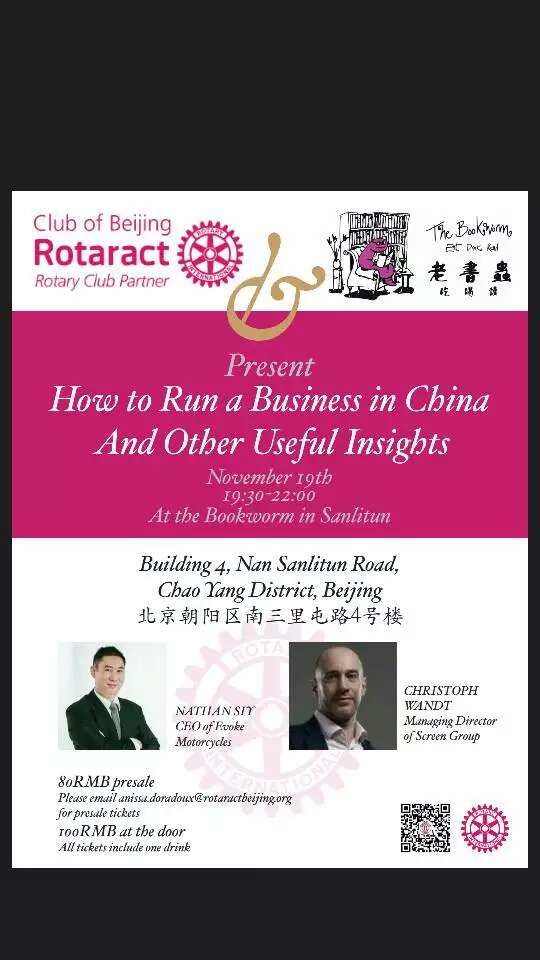
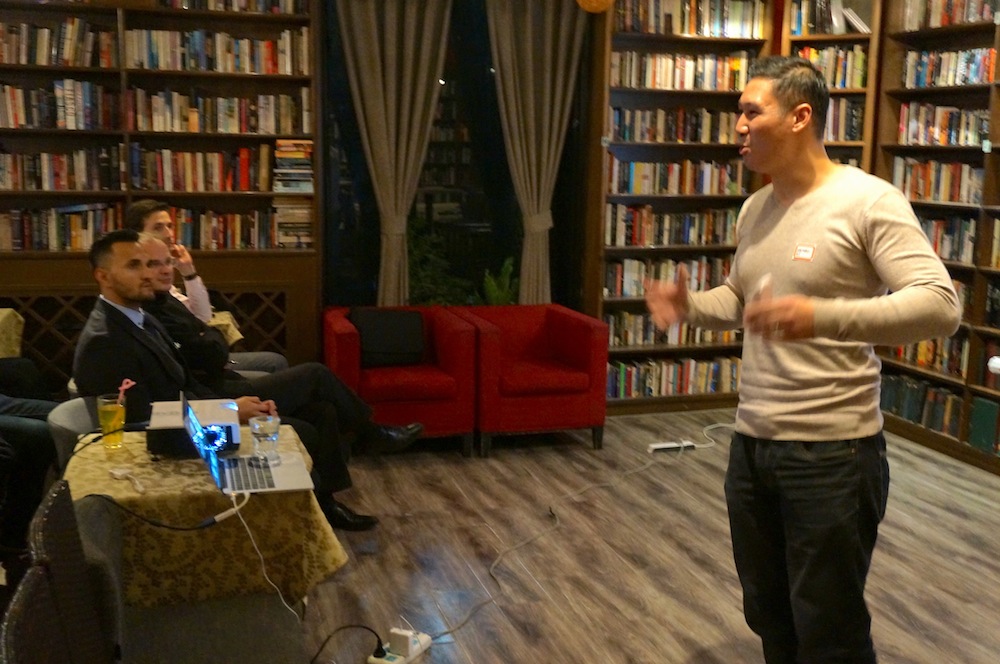
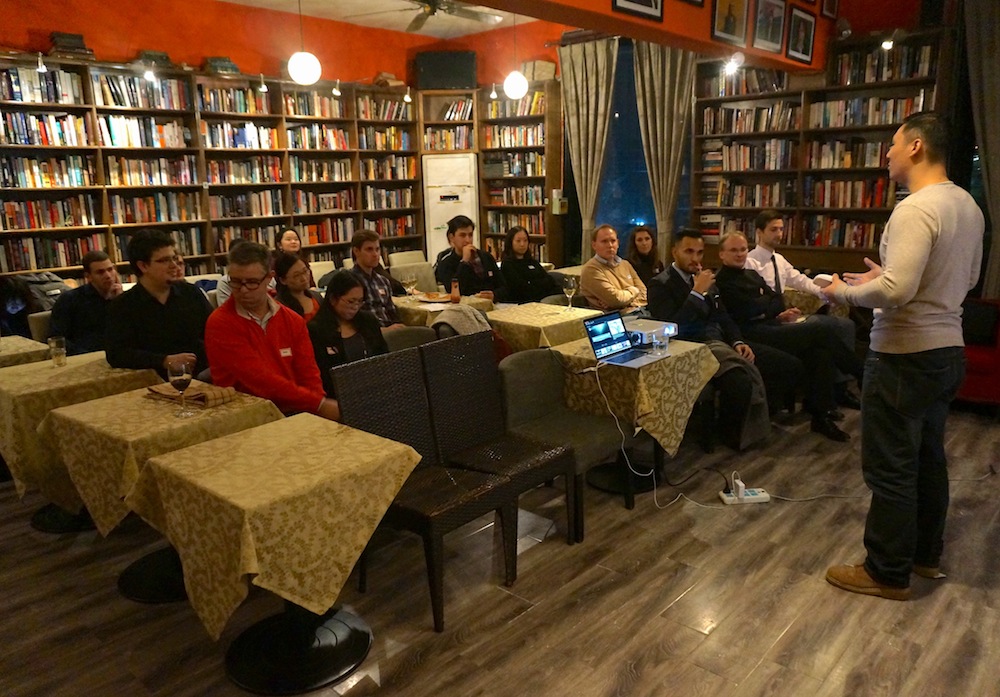
The Beijing Rotaract Club in conjunction with The Bookworm presented “How to Run A Business in China And Other Useful Insights.” Location: The Bookworm Beijing from 19:30 to 22:00.
The colloquium’s purpose was to bring together professionals, both foreign and Chinese, to come and learn more about business processes in China.


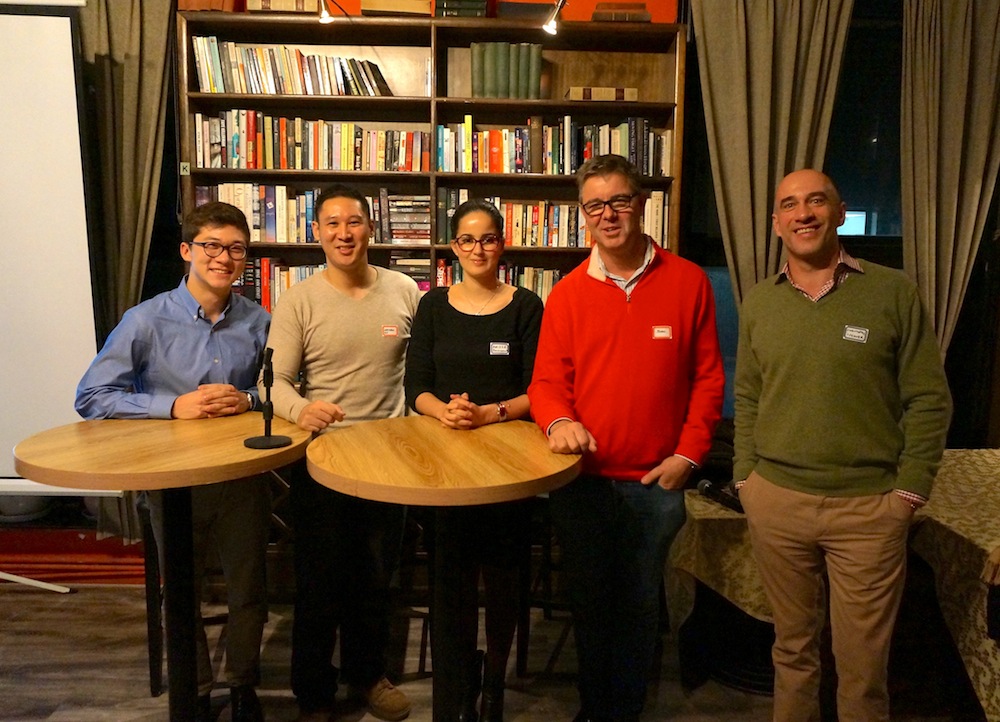
This year we featured three distinguished speakers:
Christoph Wandt, Managing Director at the Screen group,
Nathan Siy, CEO of Evoke motorcycles,
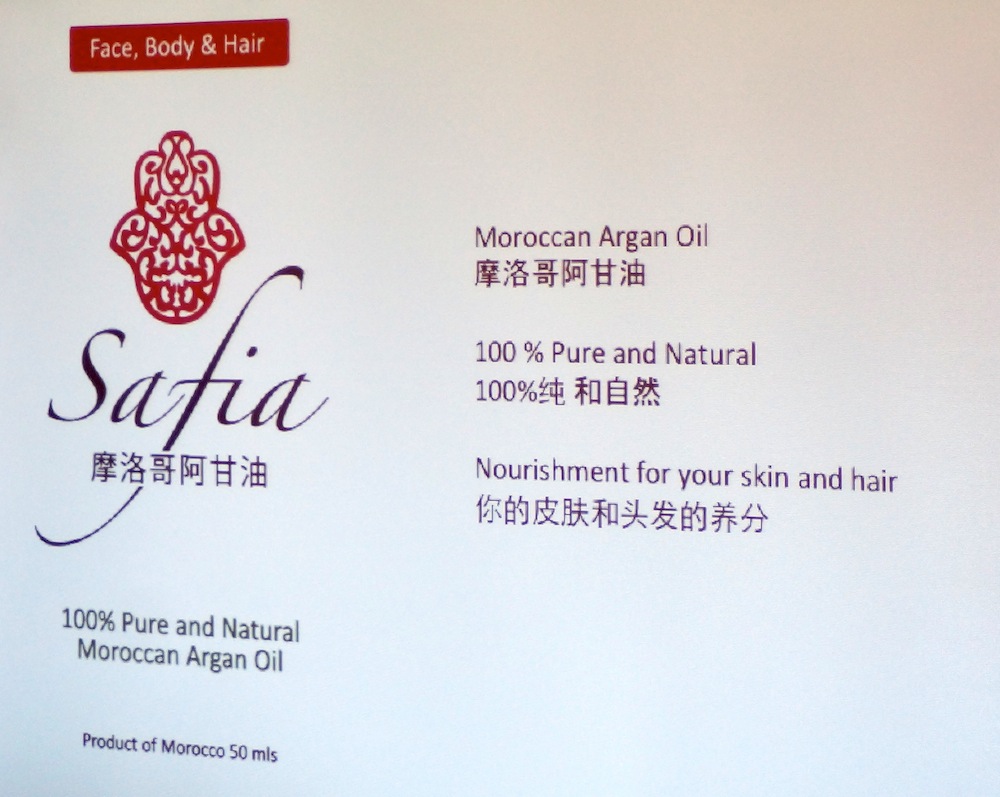
John Horniblow, of Safia Trading (Beijing) Ltd., Digital Jungle and photojournale.com
After the presentations we had a networking session.

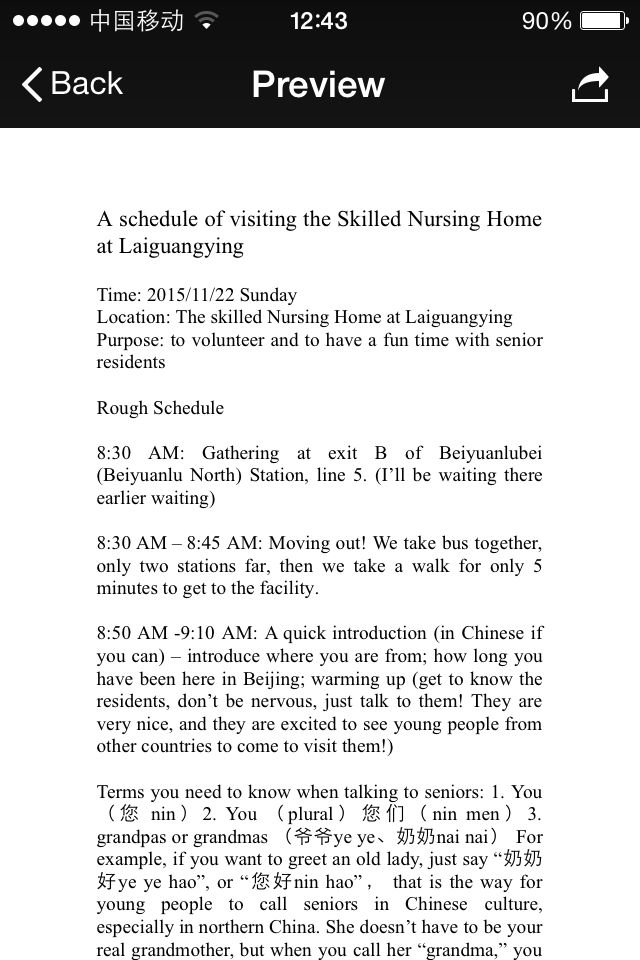
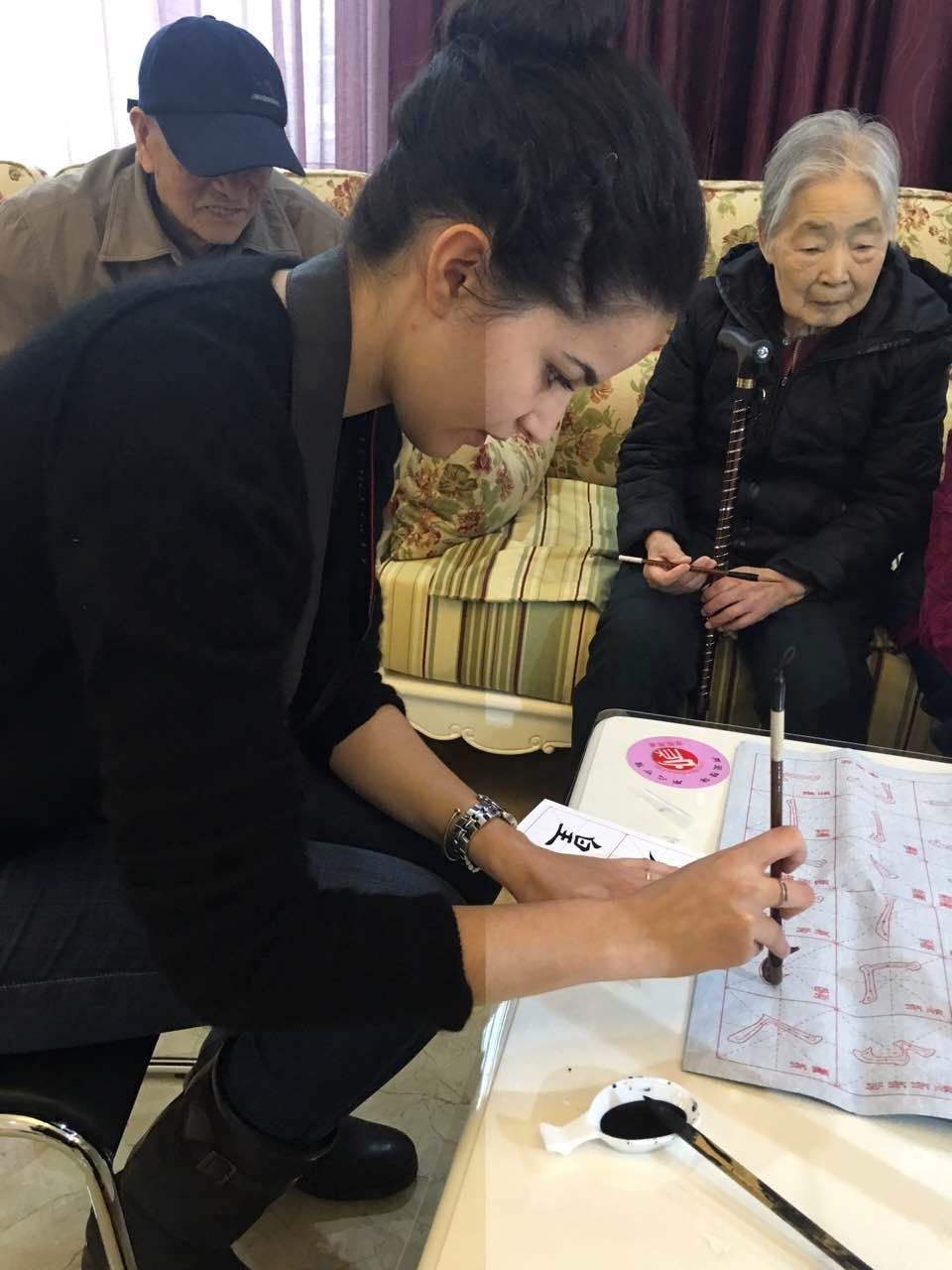
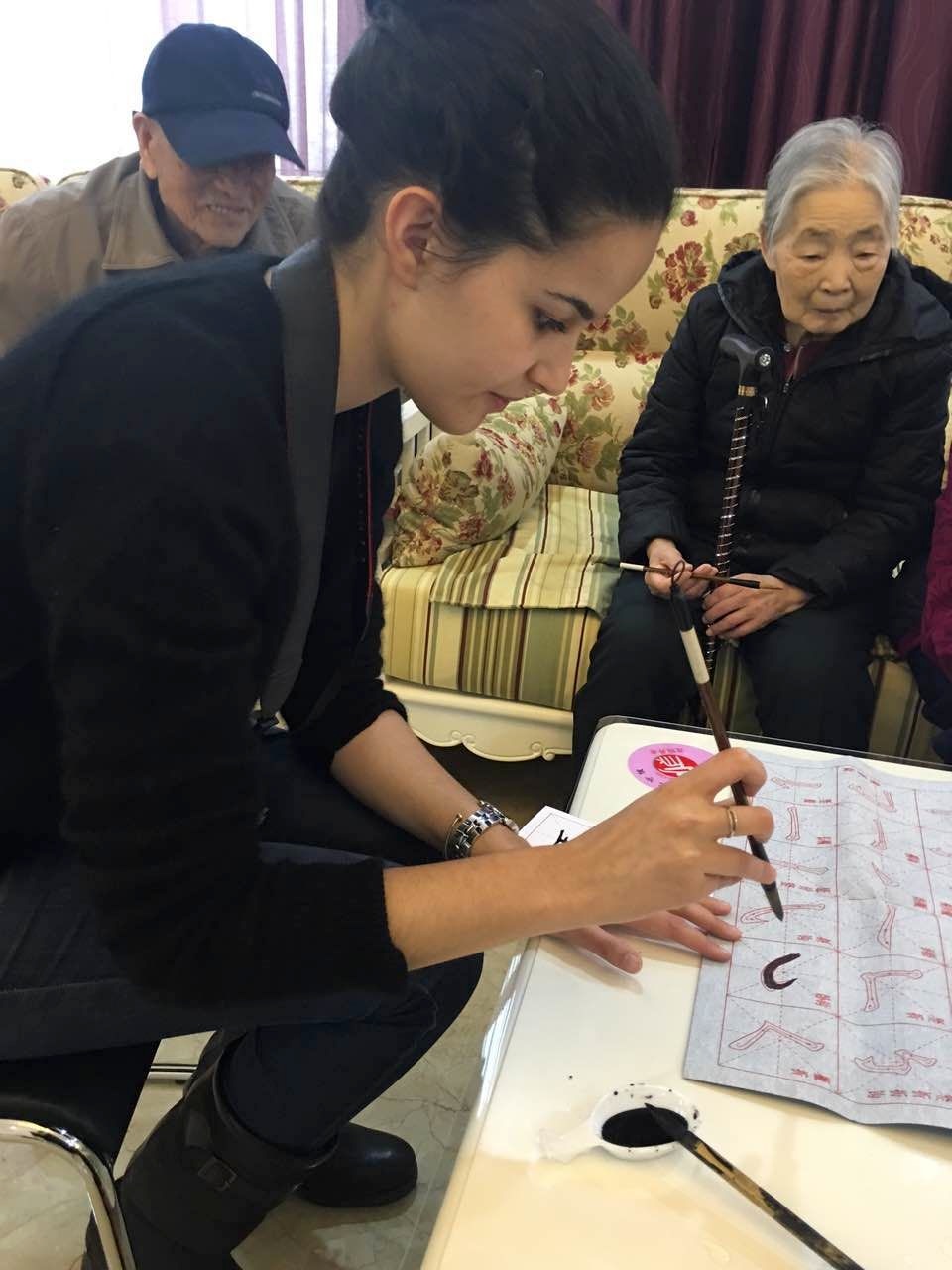
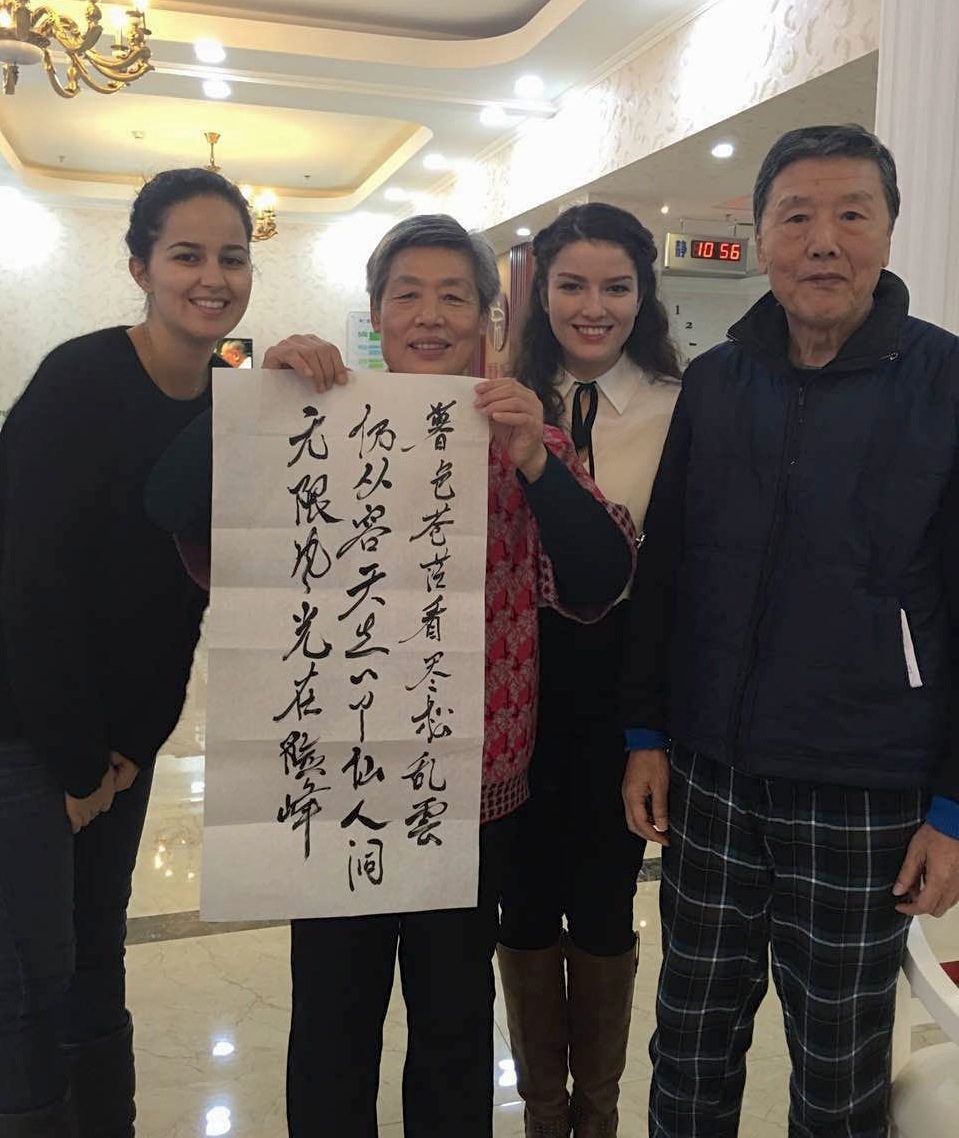
On Sunday 22 November, Rotaract volunteers braved the snow to visit the Skilled Nursing Home for retired seniors, in Laiguangying. Our volunteers entertained the seniors by playing games, calligraphy and more. Great job!
The next upcoming event: Artjam Saturday 28 November.Visit the website http://www.rotaractbeijing.org for more details.

Rotary lunch and agriculture in China

During our Tuesday lunch at the Kempinski, we had as speaker Ms. Philippa Jones, Managing Director of China Policy. Topic: Feeding China: you have not seen anything yet!

See here an overview by our Club:

China’s agriculture may have reached an inflection point. Grain production is at all time highs, as are reserves. Agriculture, like industry is suffering from overcapacity. But costs have skyrocketed and land in many areas is exhausted and, in some others, polluted. For the last thirty years the government has been more or less happy to let the agriculture system continue, and since accession to the WTO in 2001, has gradually increased subsidies to support prices. This is now changing. Funds are being directed to the countryside and a massive legislative agenda is underpinning an aspirational desire for change on the part of the state.
Changing diets, as incomes grow, are also driving agricultural change. China own production of corn, mostly used for feeding pigs, and its imports of soybeans (60% used for animal fodder) have risen sharply.
The presentation illustrated changing production and imports of basic commodities, compared China’s production to the rest of the world, described the dilemma of price support amid rising costs, including storage of reserves and detailed the post-WTO accession rise of subsidies.
To counter the issues facing agriculture the administration has an aggressive agenda to upscale farms, increase mechanisation, make full use of big data, introduce e-commerce, consolidate markets and last but not least elevate peasants into professional farmers.
This new agenda is being implemented against many insuperable obstacles. Land reform is a central problem. Many in government and the Party cannot sanction the possibility of a landless class of peasants, should land become freely saleable. As young people settle in the cities, the countryside lack incentives to bring them back home. Xi Jinping himself has asked who will feed China? Constraints of exhausted land and lack of water will only exacerbate the situation.
Philippa expects a bumpy ride over the next few years as new models are tested ,and China attempts to integrate further into global agricultural markets.


(thanks to Celine for the pictures)
I also gave a short comment on my trip along the Yangtze River.