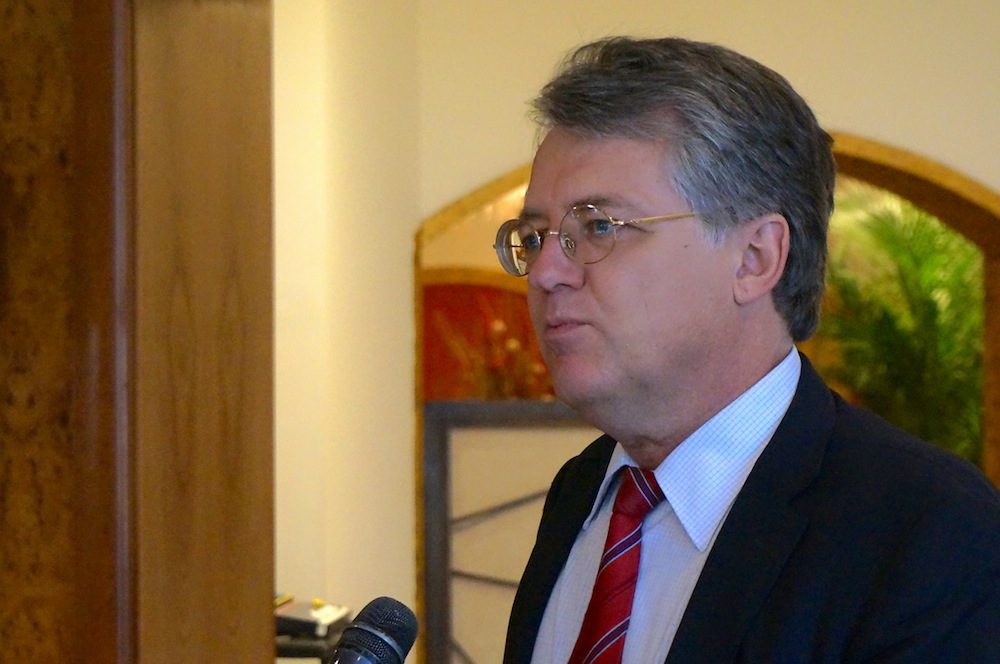
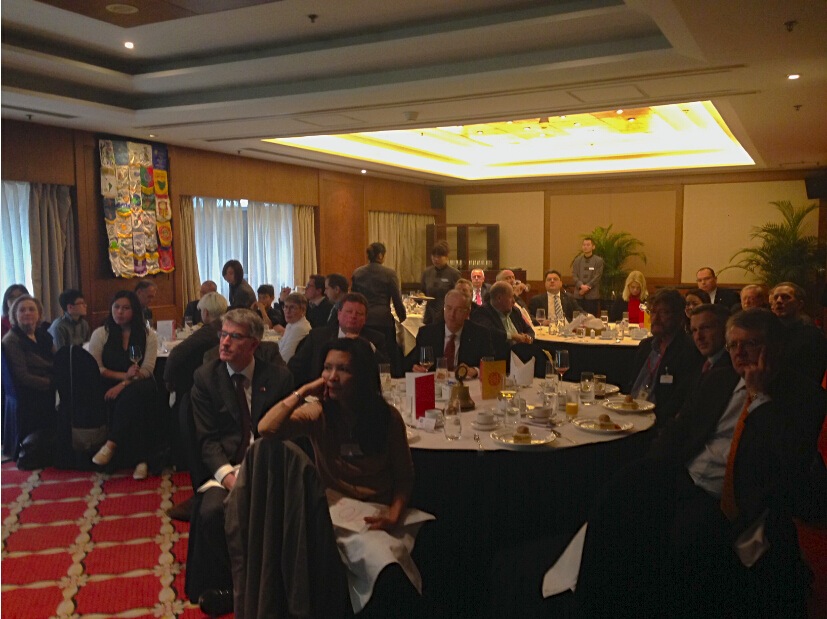
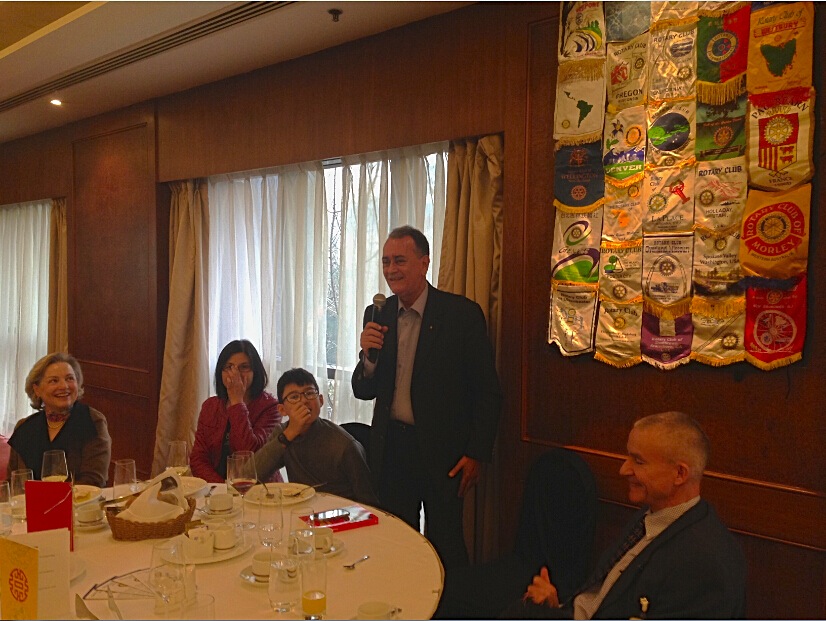
Benjamin Lim, Thomson Reuters, talking to Rotary Beijing

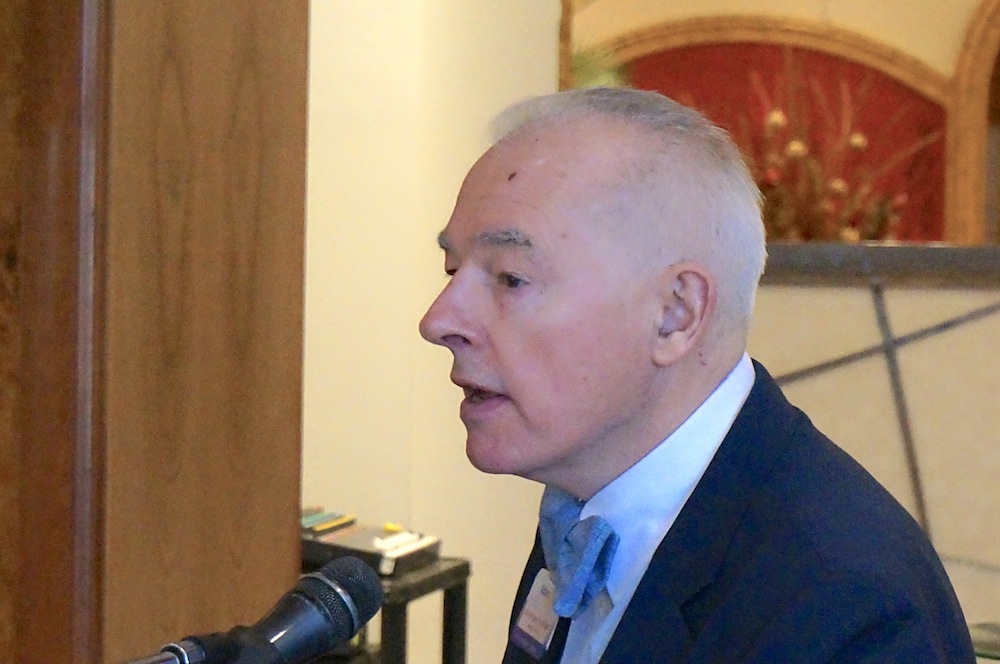
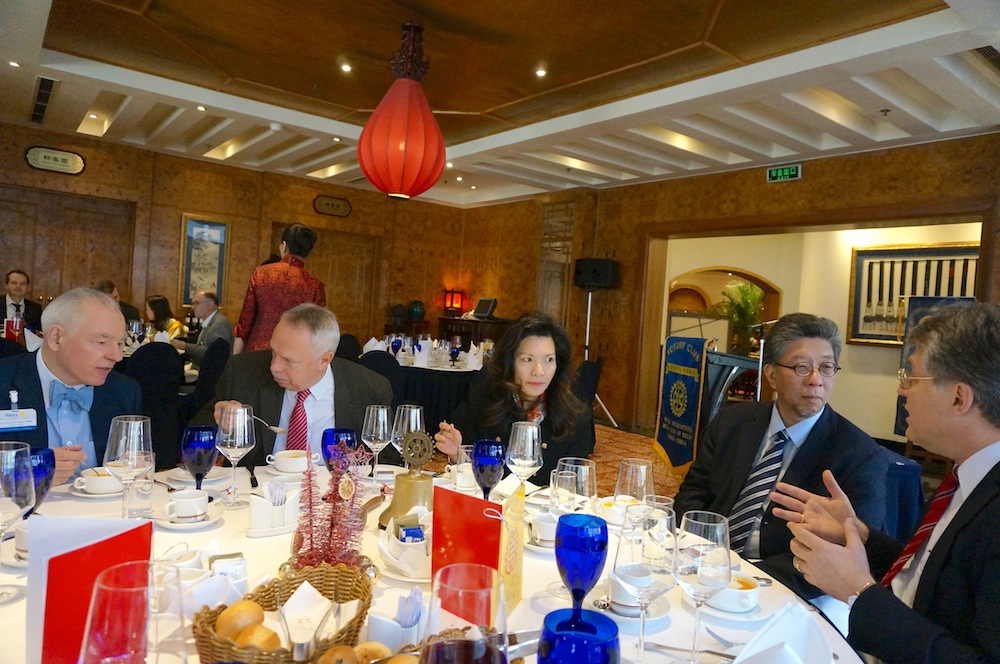
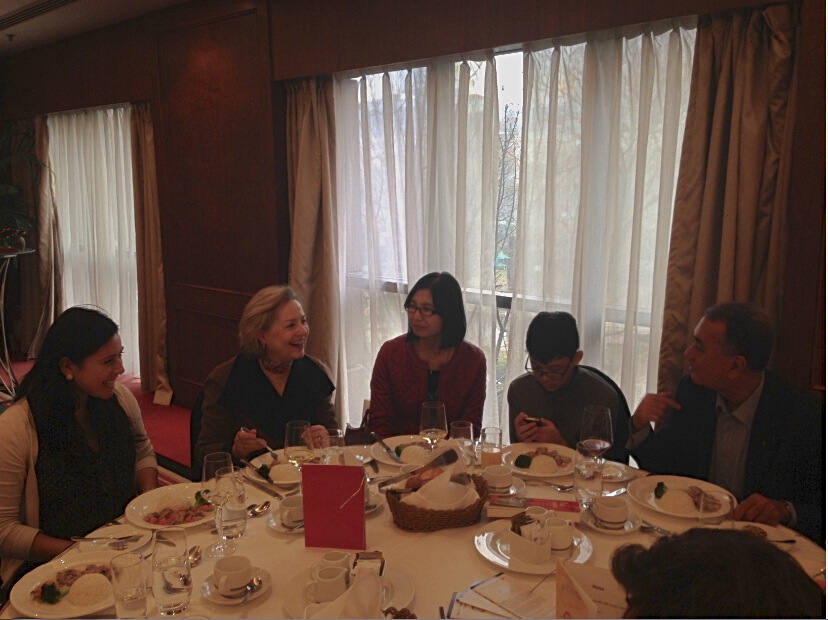
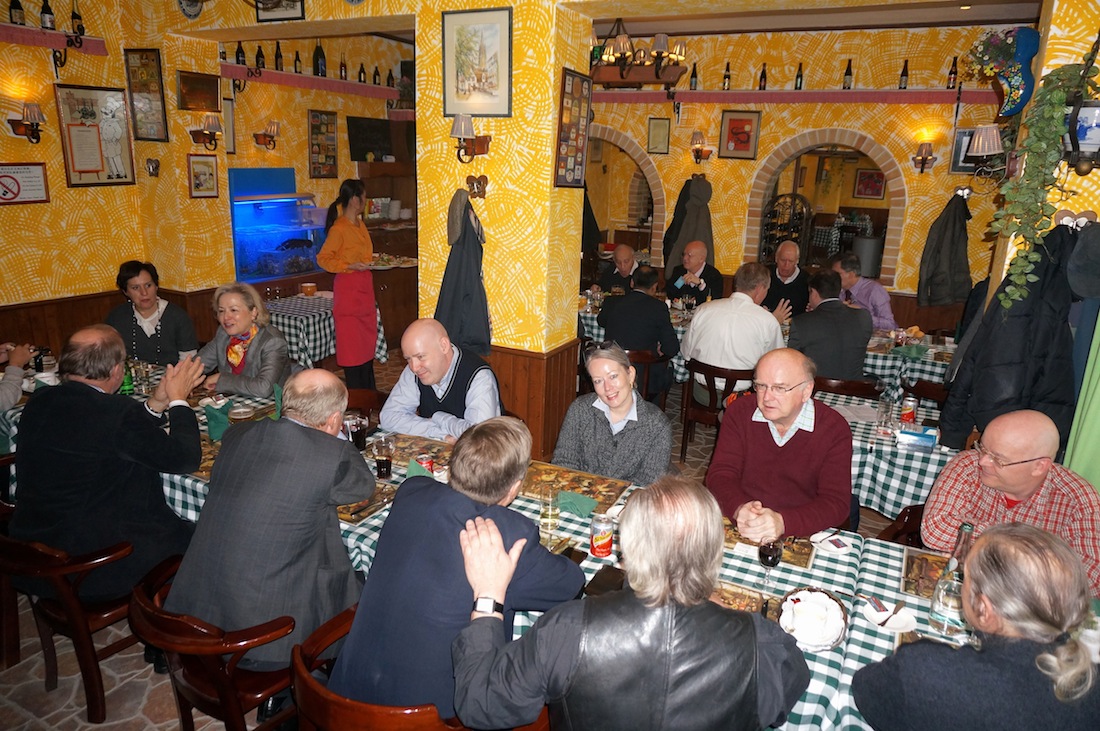
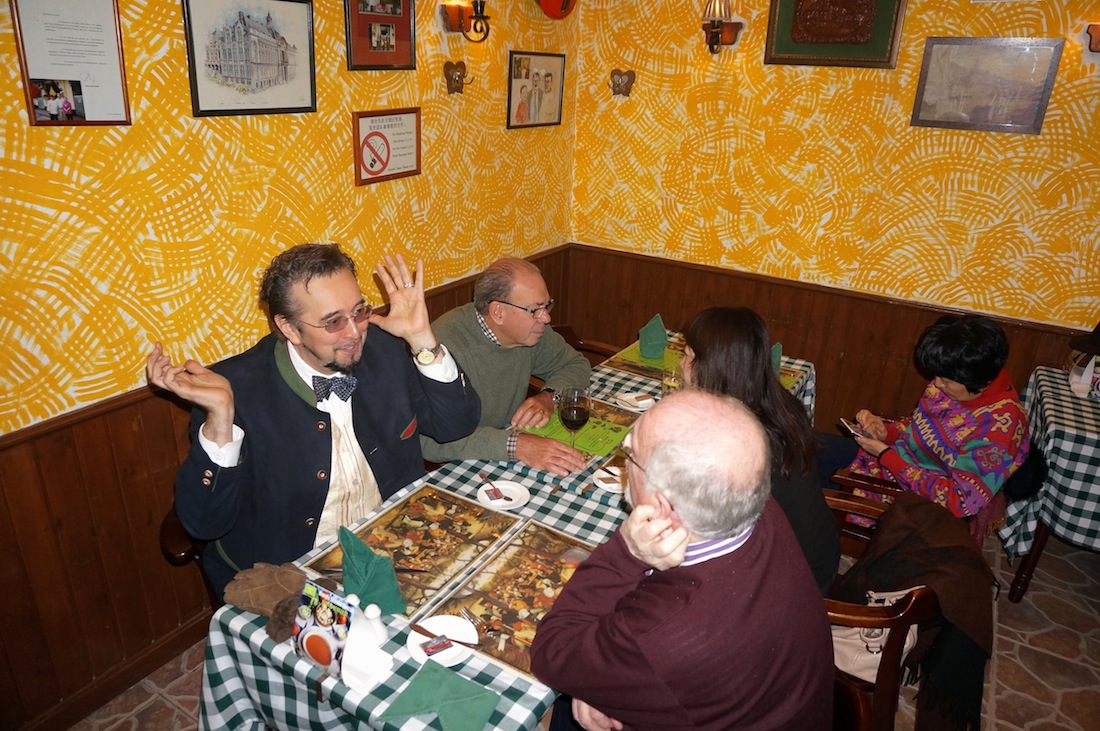
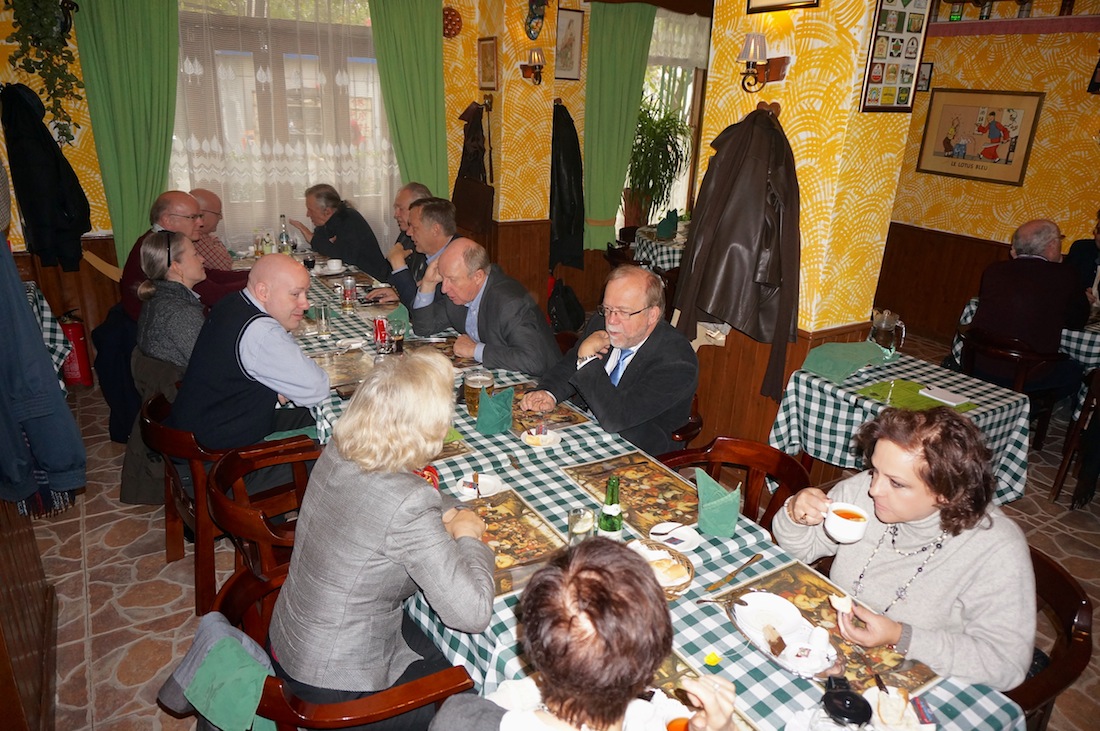
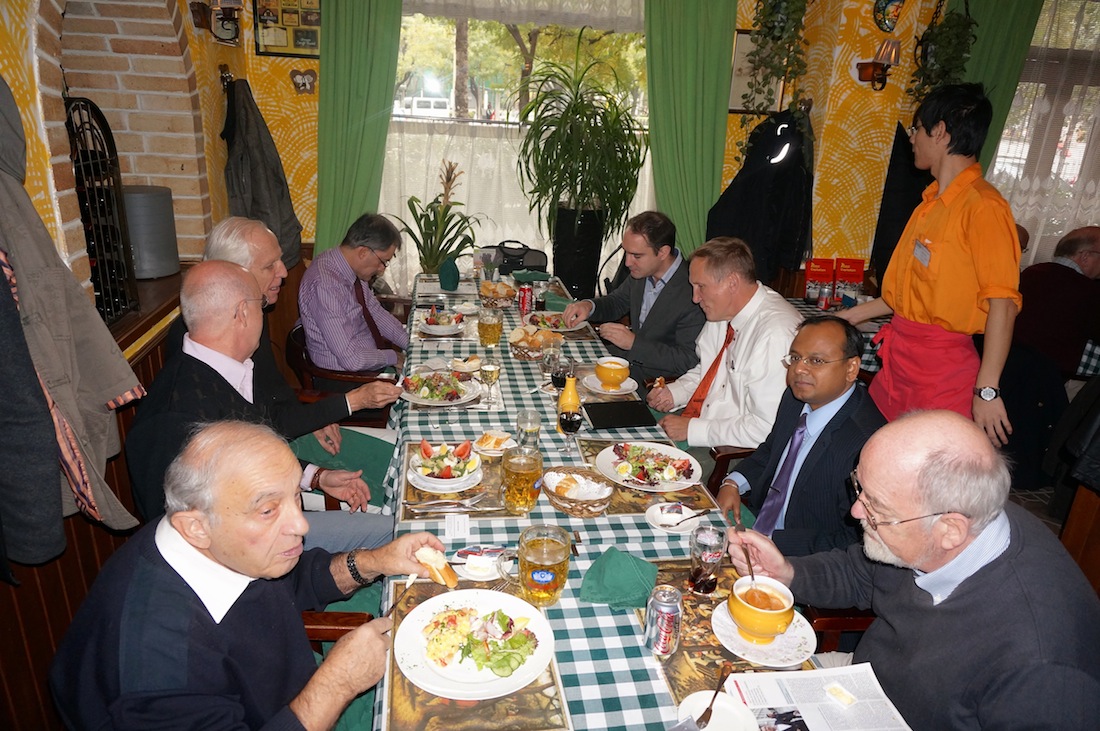
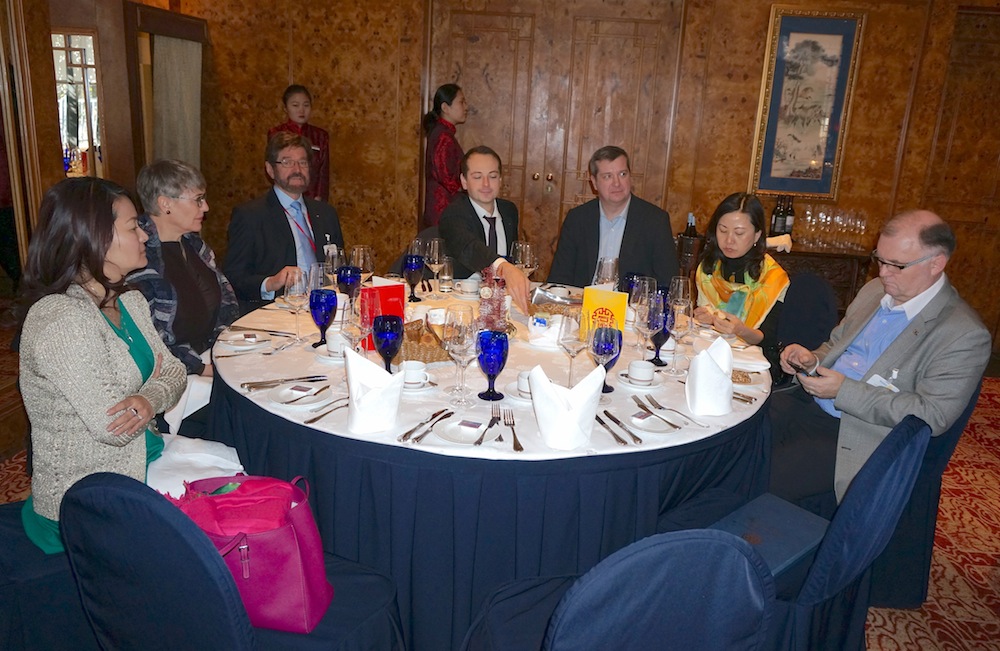
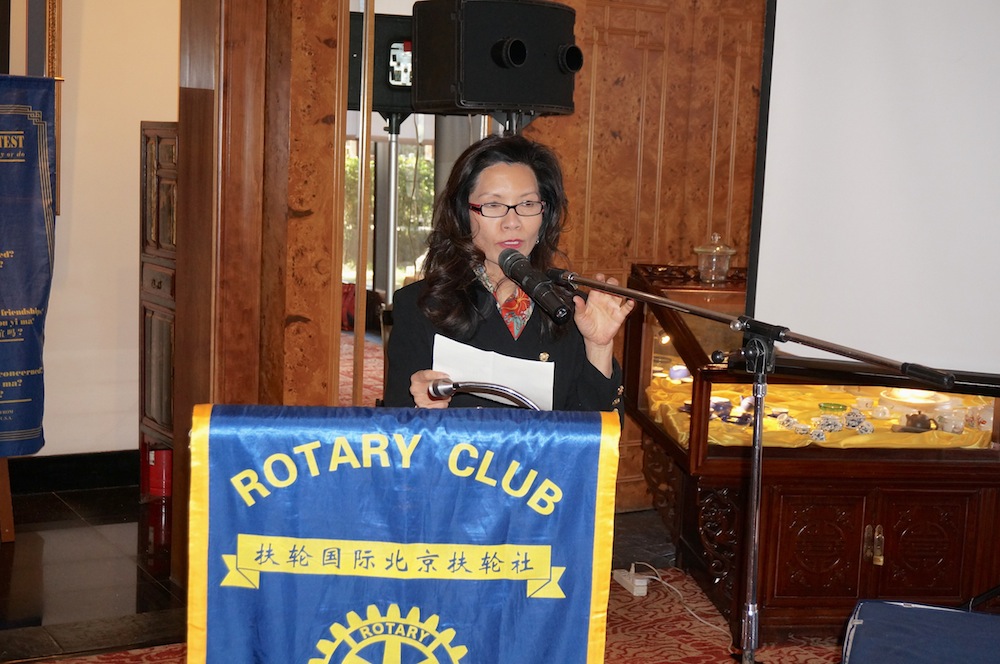
During our weekly lunch at the Kempinski on 16 December we had another exceptional speaker.
Indeed, Benjamin is a seasoned journalist with a sharp vision, the North Asia Specialist Correspondent from Thomson Reuters in Beijing.
He gave us his valuable remarks and insights on how the new Chinese top team tries to steer China through a rather difficult period.

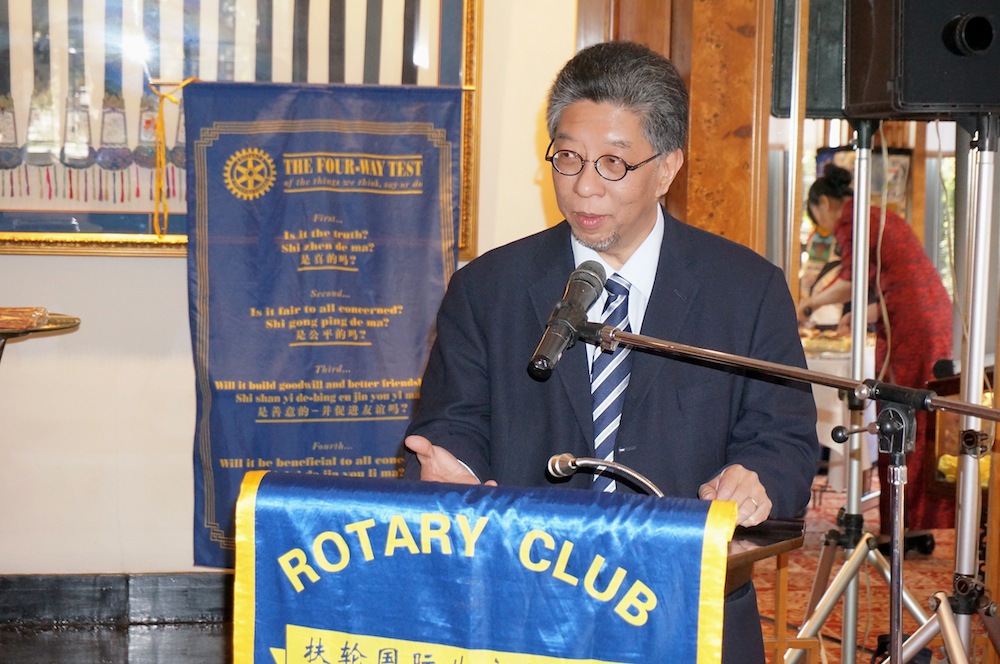
Introduction was done by Rtn Joerg, thanks to speaker by Rtn Alan.
Our Club president Piper also briefed us on the latest Club news.
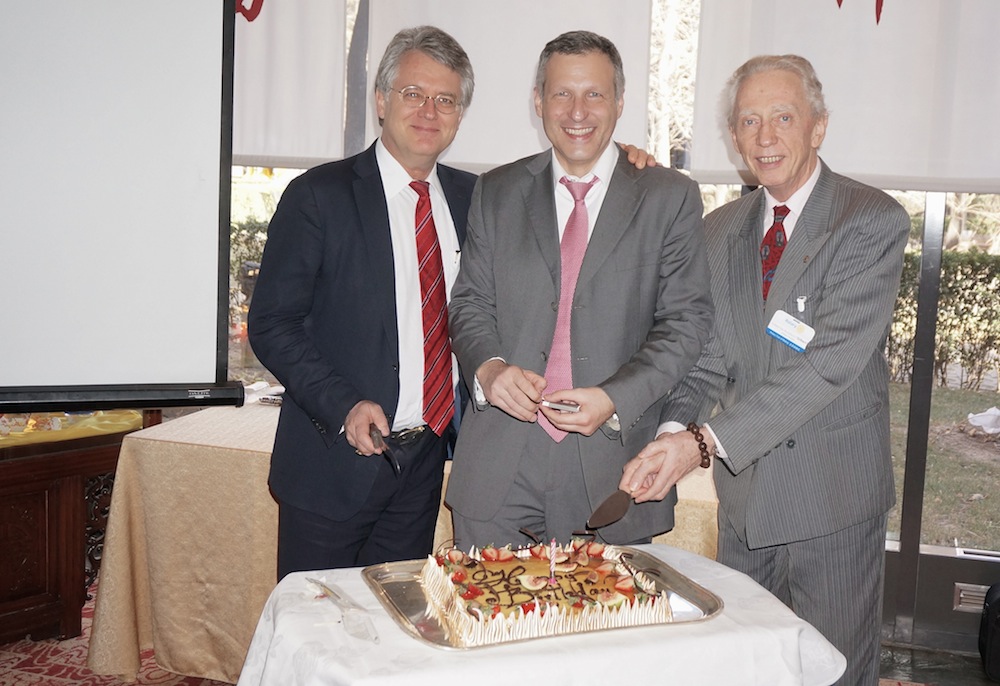
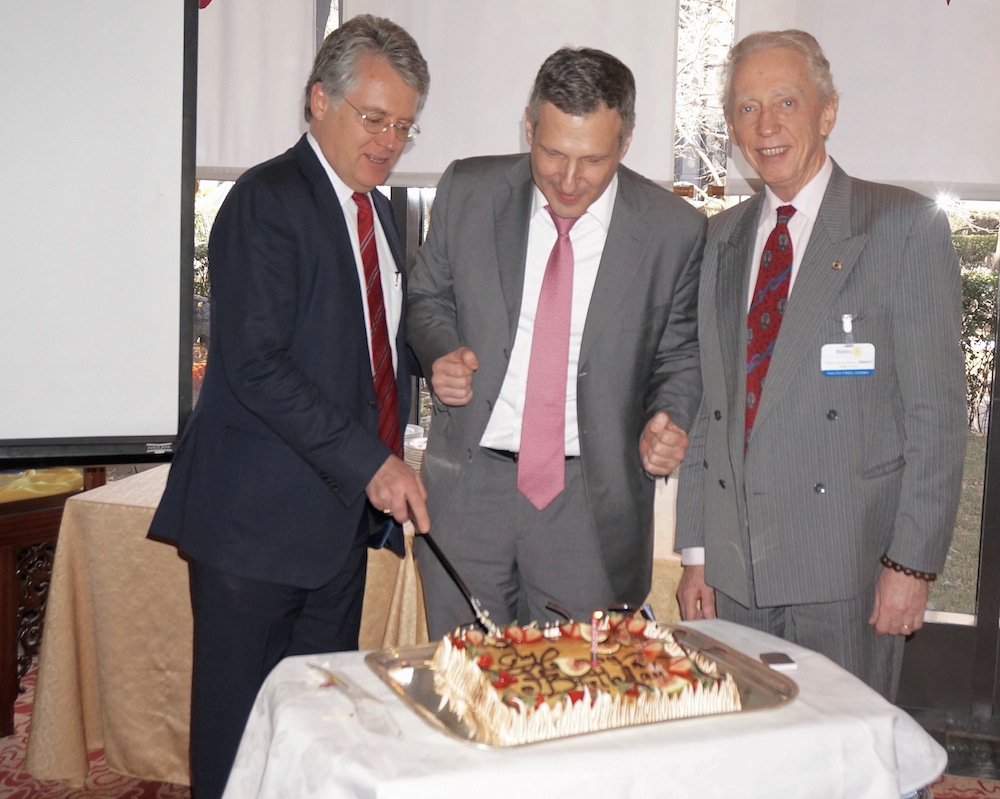
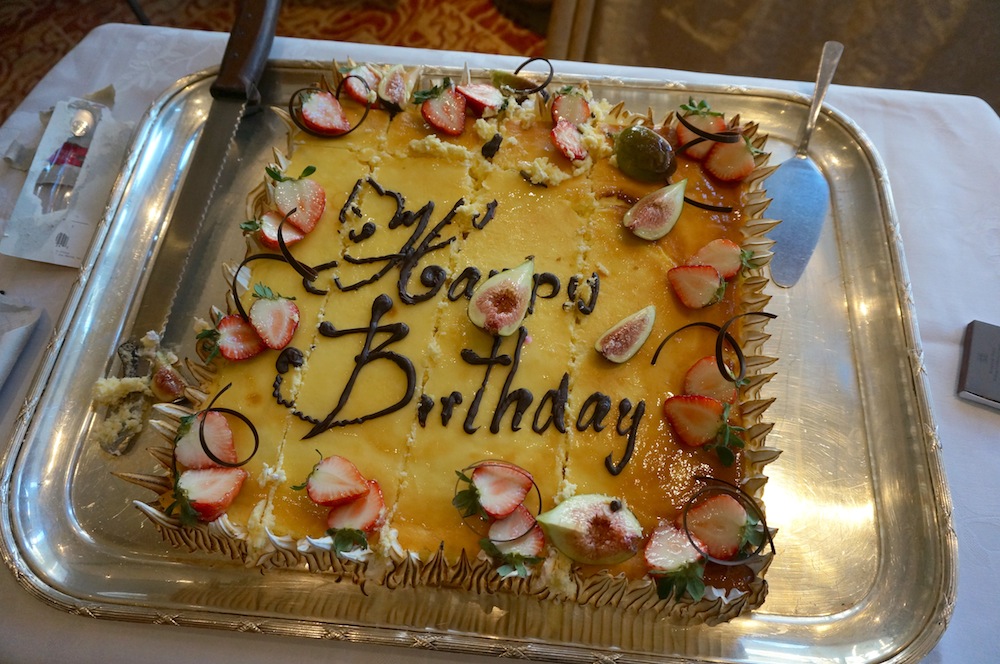
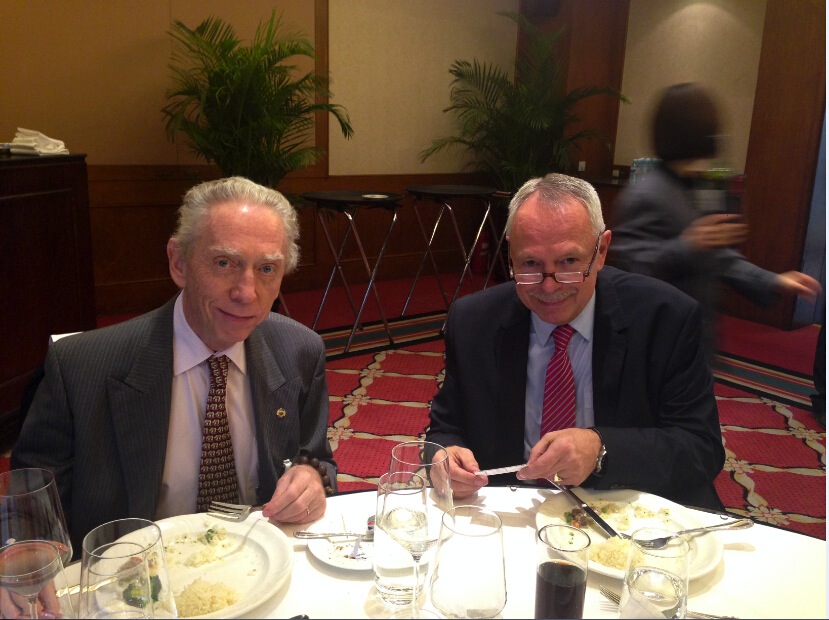
For once I was lucky: there was indeed a December birthday cake! (They often forget about us December Bday people).
It was also exactly Joerg’s birthday. Pictured the tree December lucky fellows: Joerg, Stéphane and myself.

Chinese men attack foreigners in Beijing?

These days on Wechat several postings on reported incidents where foreigners are being attacked in Beijing by a group of Chinese men and beaten up. Several locations are mentioned. Attacks seem to occur if the foreigner is accompanied “by Chinese or Mongolian girl”.
Those “rumors” are not new and we have had a case of an American intern being beaten up on the street, for no reason, years ago. He left China the next day.
I would recommend, if those things happen, to file a police report and insist they check the CCTV cameras on the street. They are installed a bit everywhere.
It would be interesting to know in how far this is happening. And the police should seriously look into this, to check in how far those incidents happen, and why.

Rotary lunch 9 December with Jurgen Conrad, ADB

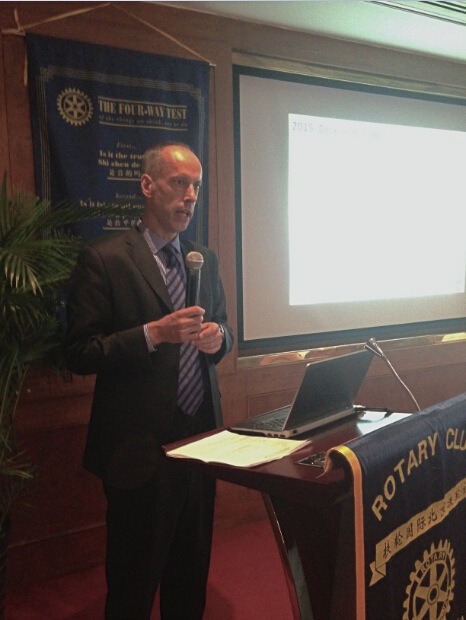
Mr. Jurgen Conrad, the head of the Economic Unit at Asian Development Bank, spoke about “The People’s Republic of China in 2015 and 2030” at our weekly lunch.

See here a short overview of his interesting insight:
China’s high long-term GDP growth has been slowing down from the average of 10% in 1980-2009 to an average 8.3% in 2010-2014.This was mostly caused by structural changes in the Chinese economy. In 2015, economic deceleration and rebalancing will continue, which will cause China’s GDP to continue to stay around 7% to 7.5%. Industry and Investment will keep going down as the government is trying to reduce the industrial overcapacity, lower local government debt and maintain a tighter monetary supply, while service and consumption will grow as the state’s spending on social spending and urbanization will drive the income growth. Past growth drivers of state’s led investment, low-cost advantage, and demographic dividend are becoming less relevant, as China stays on the course of restructuring and encouraging more private investment. Dr Jurgen believes that unless the Chinese government is committed to economic restructuring it will lose this window of opportunity to steer the country to more sustainable growth.
In restructuring the economy, China is facing the challenges of raising its productivity, improving its business climate, reforming its education and continuing the urbanization. Each of these challenges presents a formidable task.

(pics by Celine)

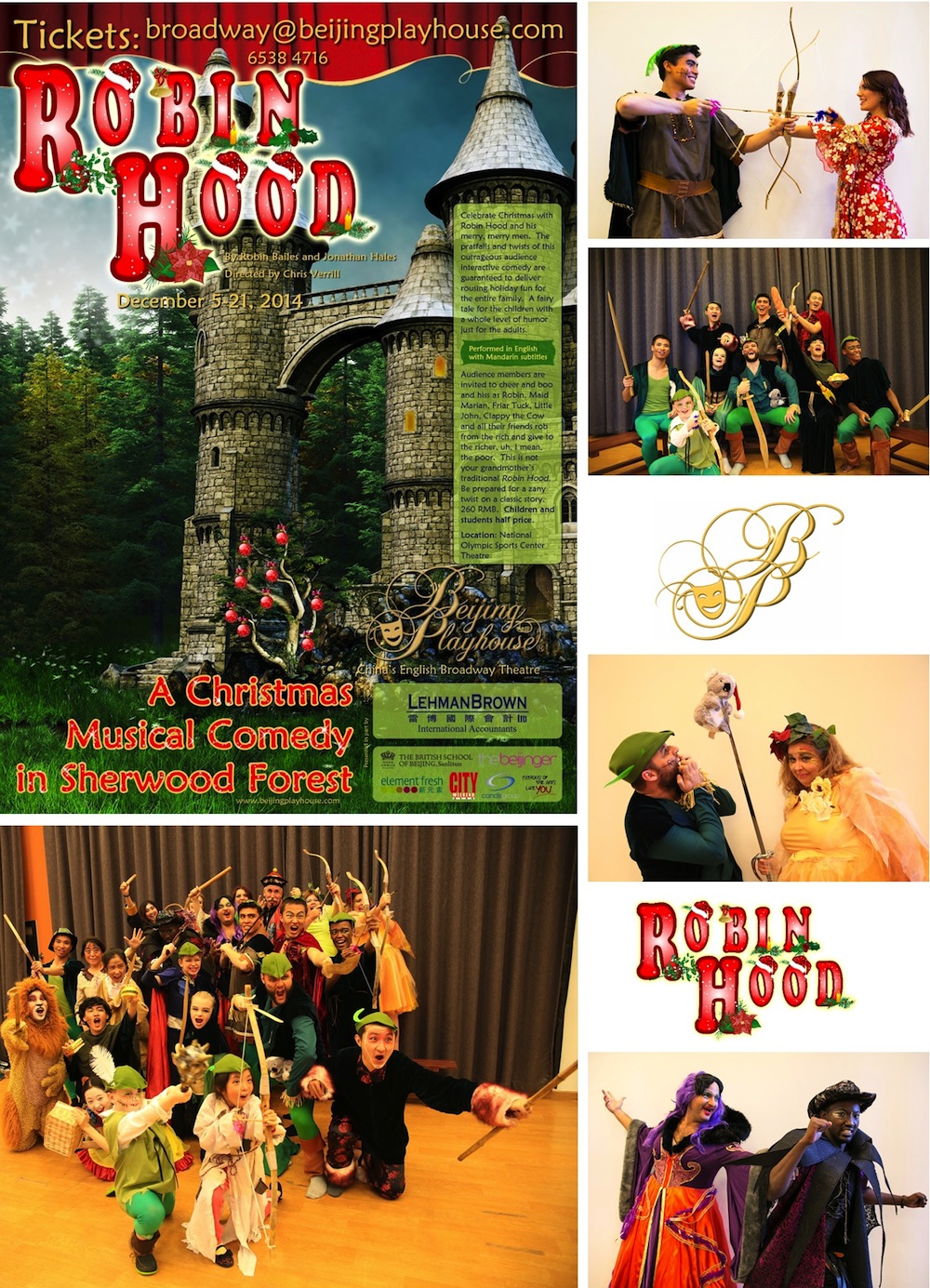
On another note, it was good to hear that the Rotary Bazaar made still quite a nice sum, even if attendance figures were lower than last year. See also the poster of the play “Robin Hood” starting from 5 December, another great exploit of Rotarian Chris Verrill.

Beijing celebrates Belgium’s Kings Day

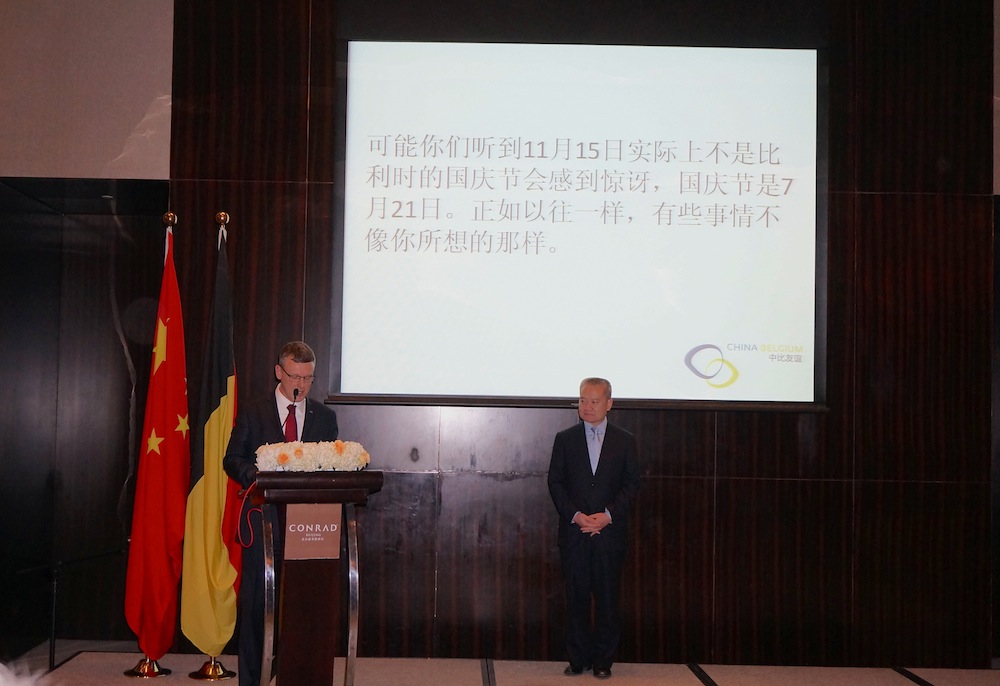
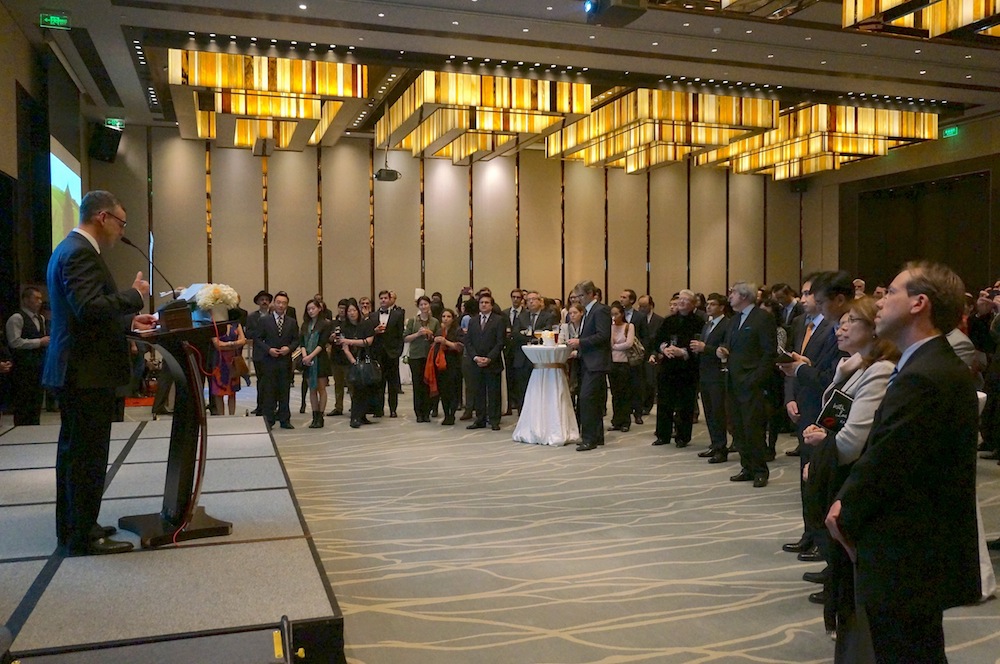
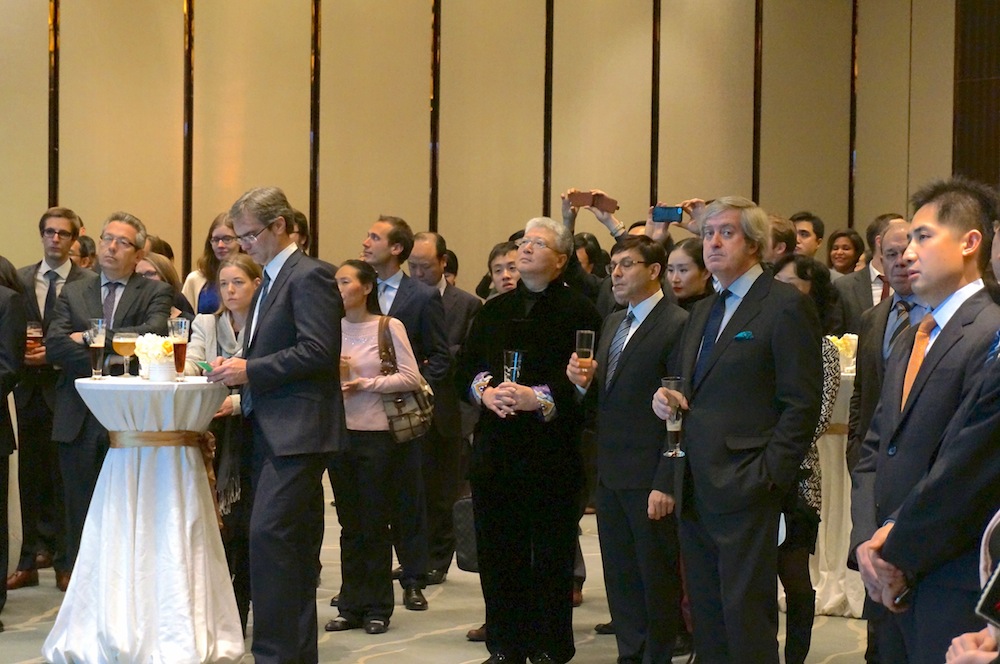
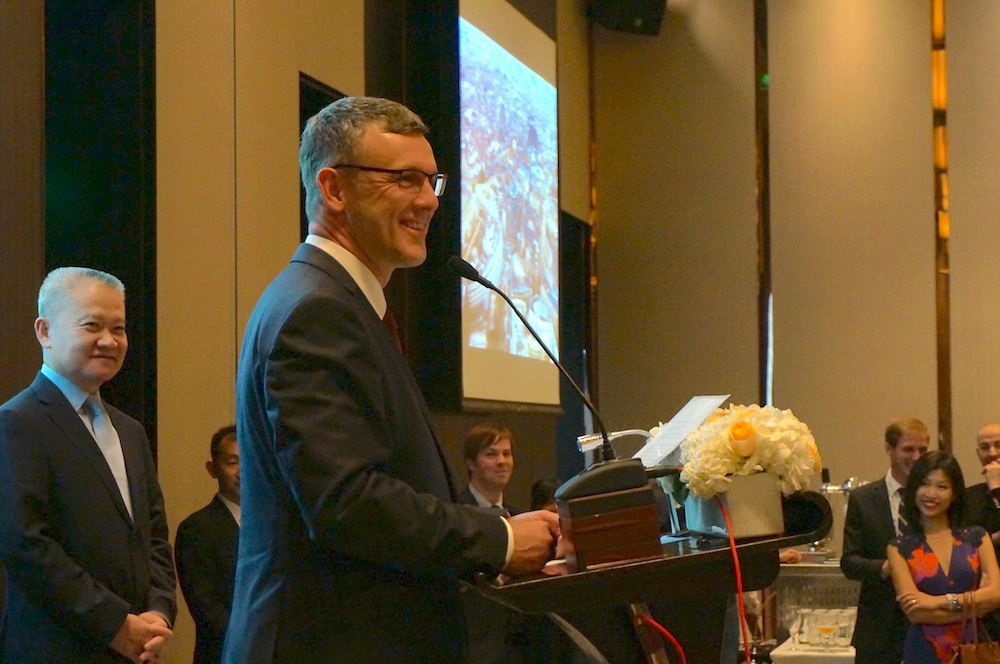
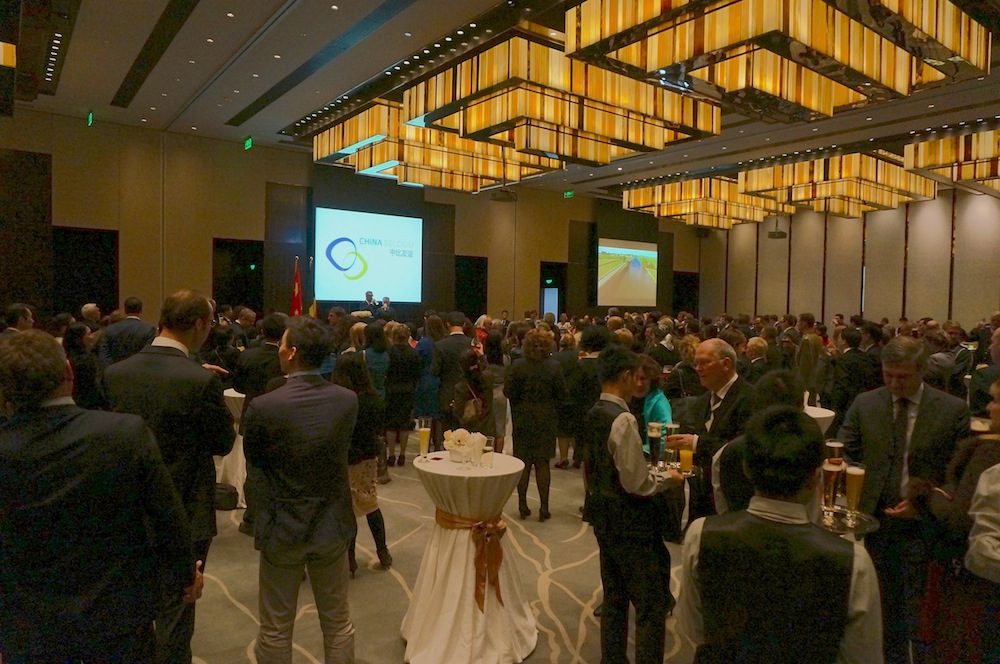
On 14 November the Belgian Embassy in Beijing organized a nice reception in the Conrad Hotel for over 300 guests. H.E. Michel Malherbe was a good host as usual.
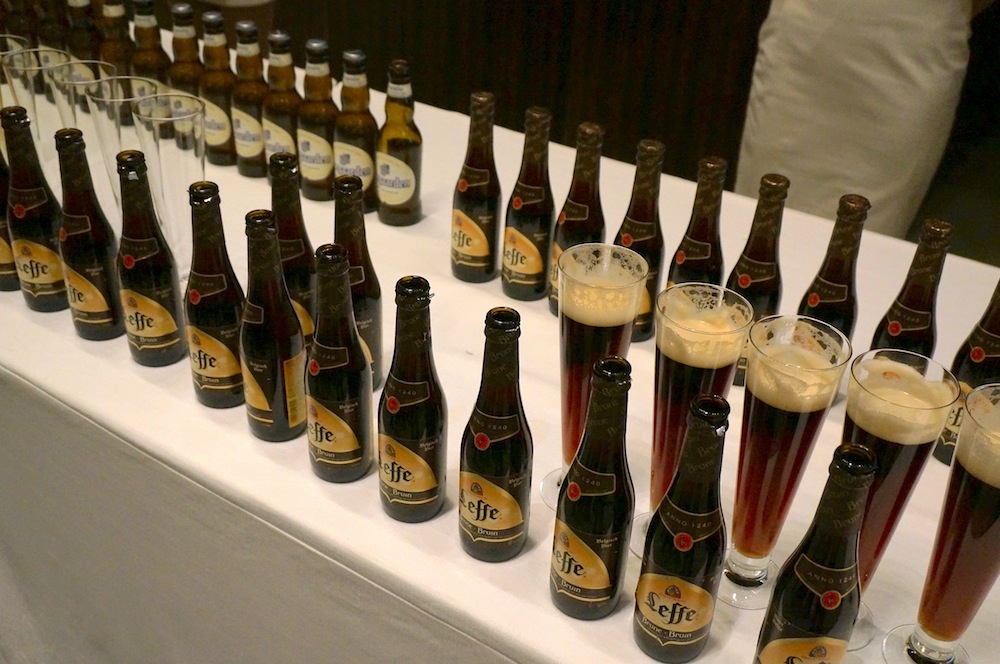
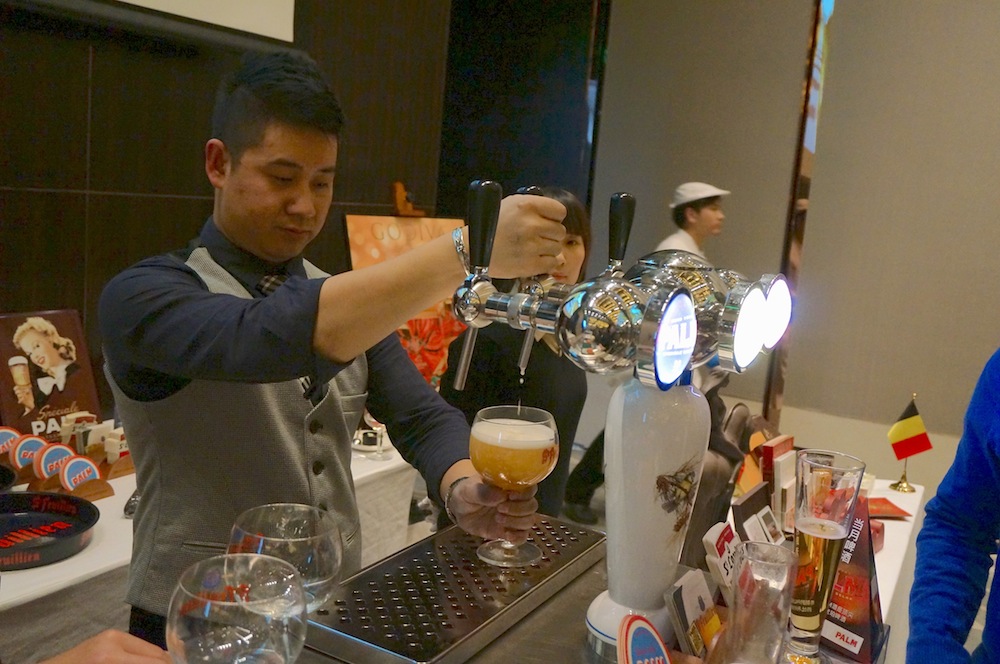
See some few pics of the event, also with some of the Belgian beer served along with a buffet of “Belgian cuisine” (oh well the cooks tried their best but Renaat Morel is stile “the one”!)

Portal Belgium.be:
Belgium is an ancient and yet still young nation. Belgians were first mentioned about 2,000 years ago (by Julius Caesar in his book on the Gallic Wars). Nevertheless, Belgium was for centuries part of a larger state structure.
The independent State of Belgium was born on October 4, 1830.
National Day is celebrated on July 21. Its commemorates the day on which Leopold I took the constitutional oath as the first King of Belgium, on July 21st 1831.
As July is a rather quiet month, especially in Beijing, the unofficial day for “National Day” is 15 November. We mostly call it “King’s Day” however the correct term is King’s Feast.
The Feast Day of the German-speaking Community is also the Day of the King.

King’s Feast (Wikipedia)
The King’s Feast (Dutch: Koningsfeest, French: Fête du Roi, German: Festtag des Königs) has been celebrated in Belgium on November 15 since 1866. Since 2001, the Belgian Federal Parliament holds a ceremony in honor of the King, in the presence of members of the Belgian Royal Family and other dignitaries. Federal ministries are closed on this day. Traditionally, a Te Deum is sung as well as a private observance being held.
November 15 is the name day of Leopold (the feast of Saint Leopold in the German liturgical calendar) and Albert (the feast of Saint Albert the Great in the General Roman Calendar). In 1951, King Baudouin decided to honor November 15, as did his brother King Albert II. During the regency of Prince Charles, the designations Day of the Dynasty or Feast of the Dynasty were used, and these terms are still often erroneously used. However, it is not the correct name, as was confirmed in a circular letter in 1953.
APEC did not stop our monthly lunch!

On 7 November, the first Friday of the month, we had our monthly Old China Hands lunch in Morel’s. We were a bit worried if people could make it or not with all the hoopla and annoyances because of APEC.

Yes some people left Beijing for more welcoming locations such as Thailand but we ended up with even more people than before. Again new faces among the usual crowd.
Next round will be Friday 5 December.
Open for expats with at least ten years of China experience.