Rotaract Club of Beijing: elections

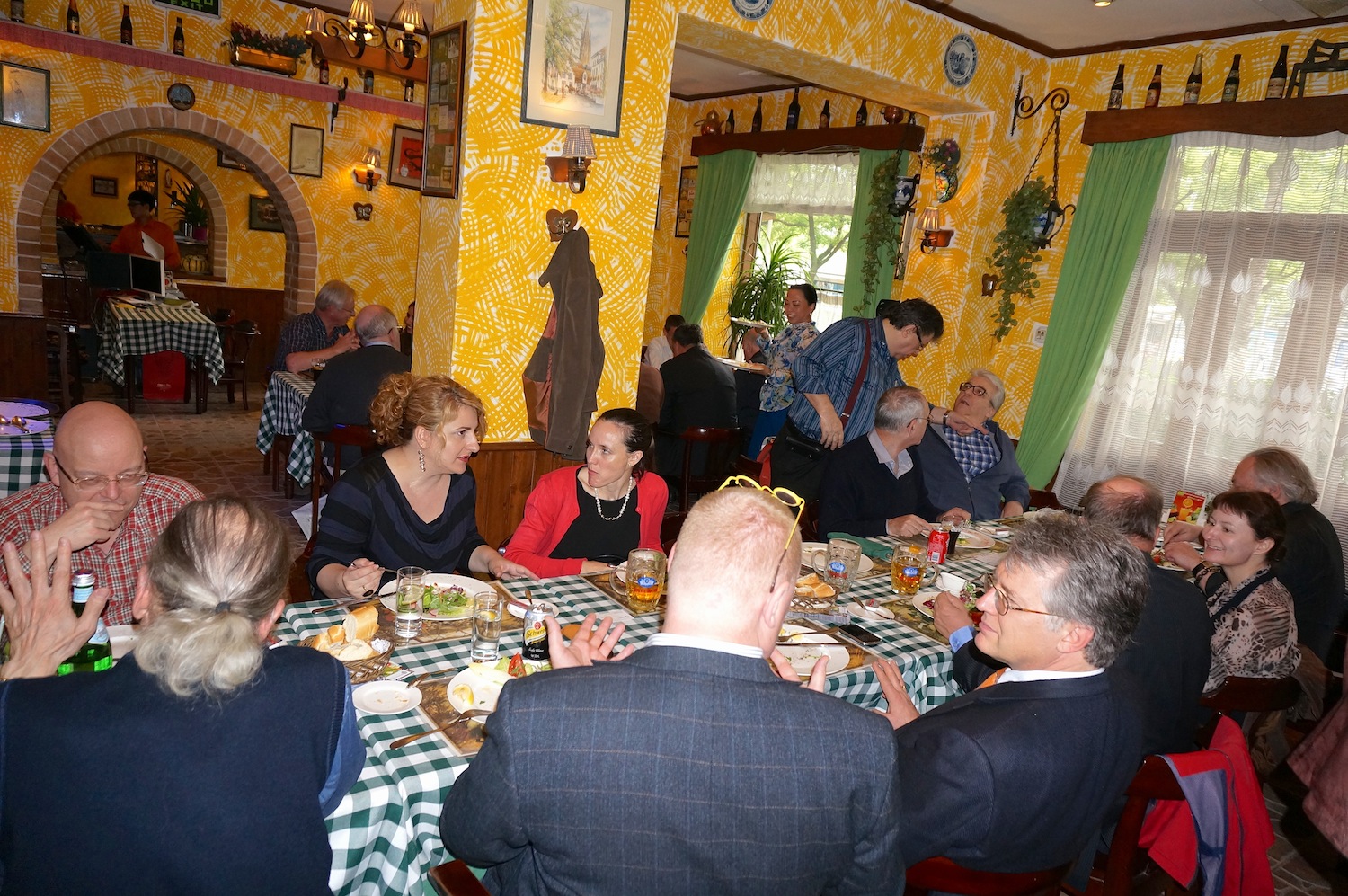
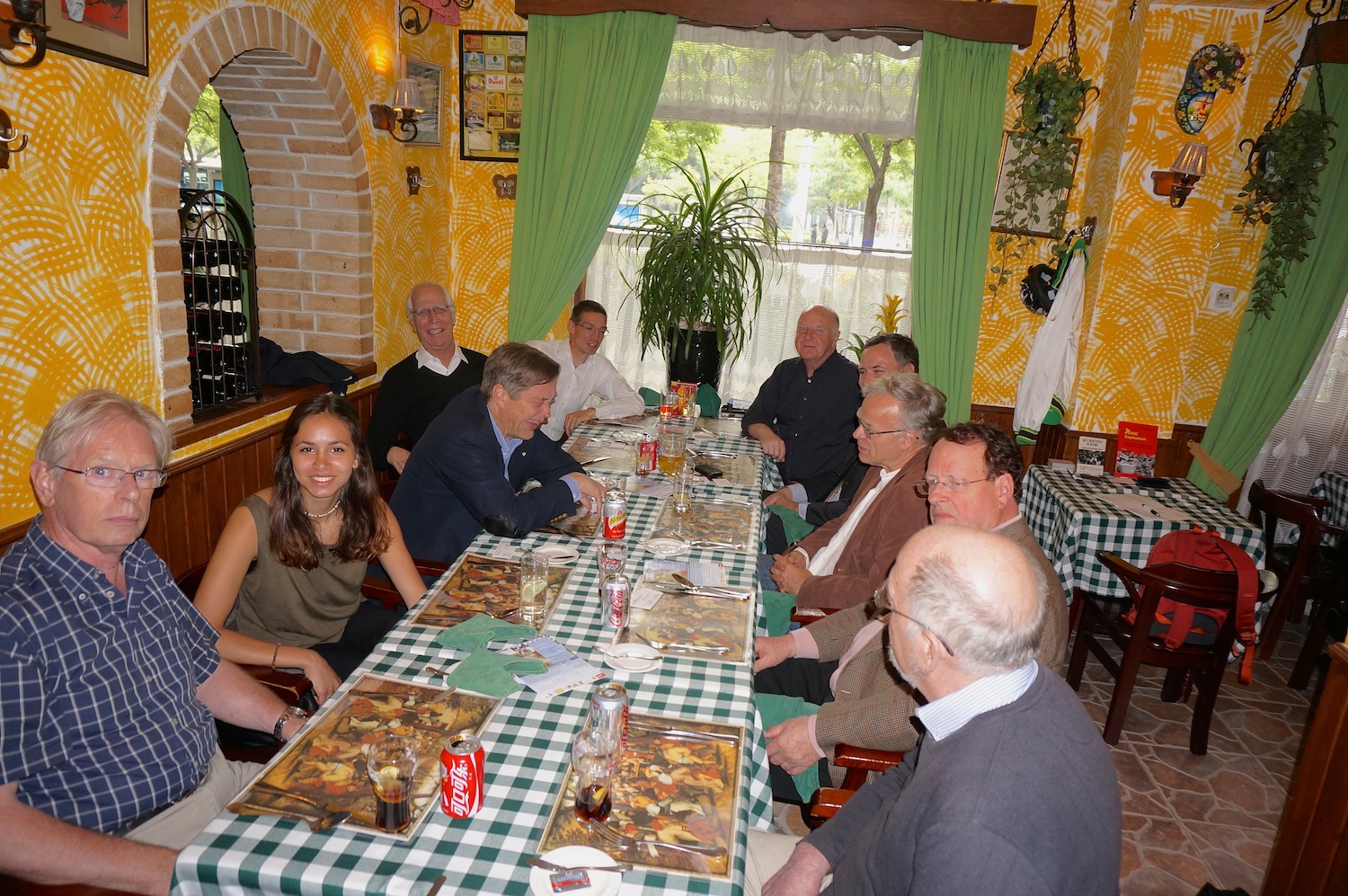
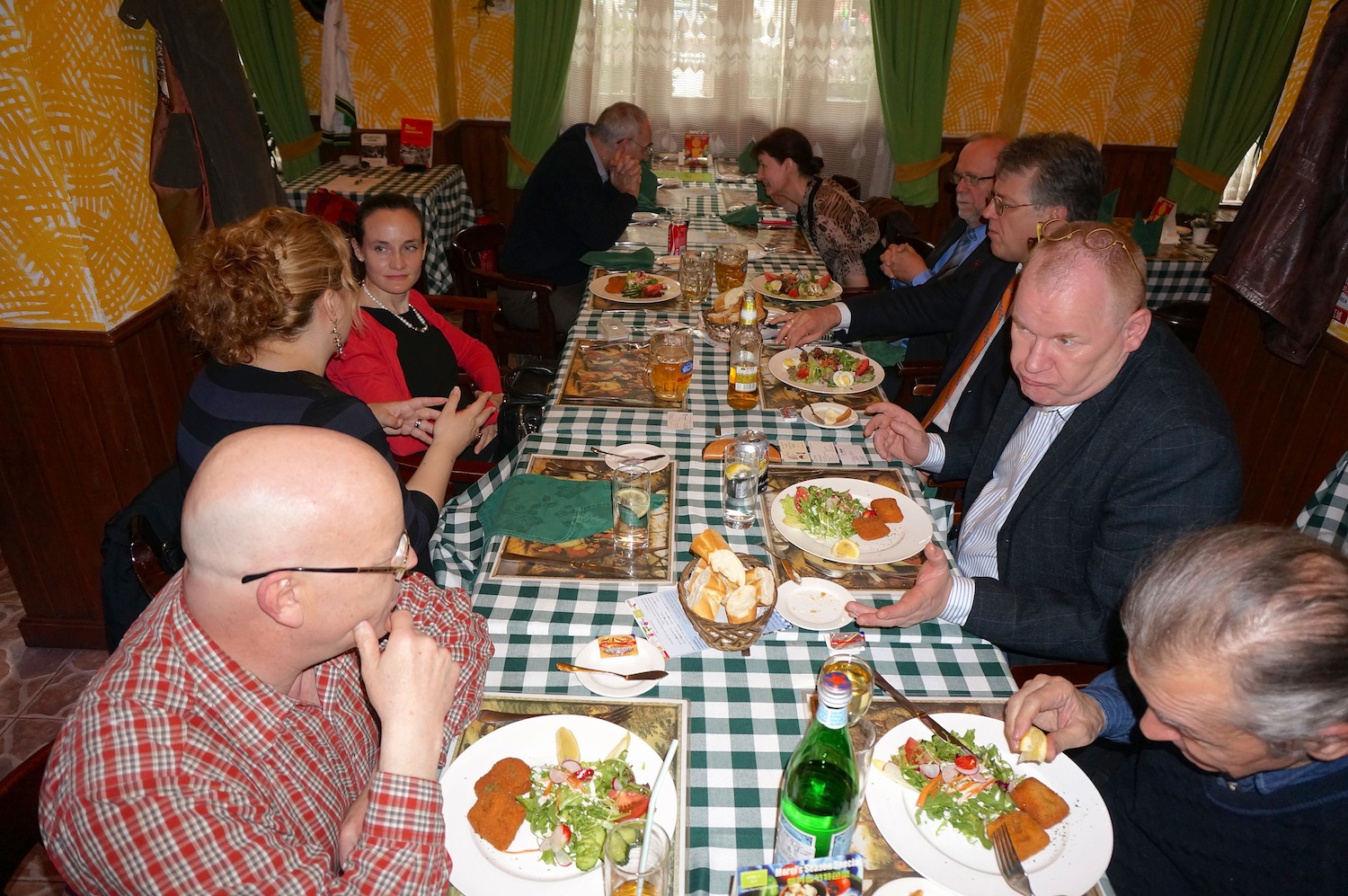
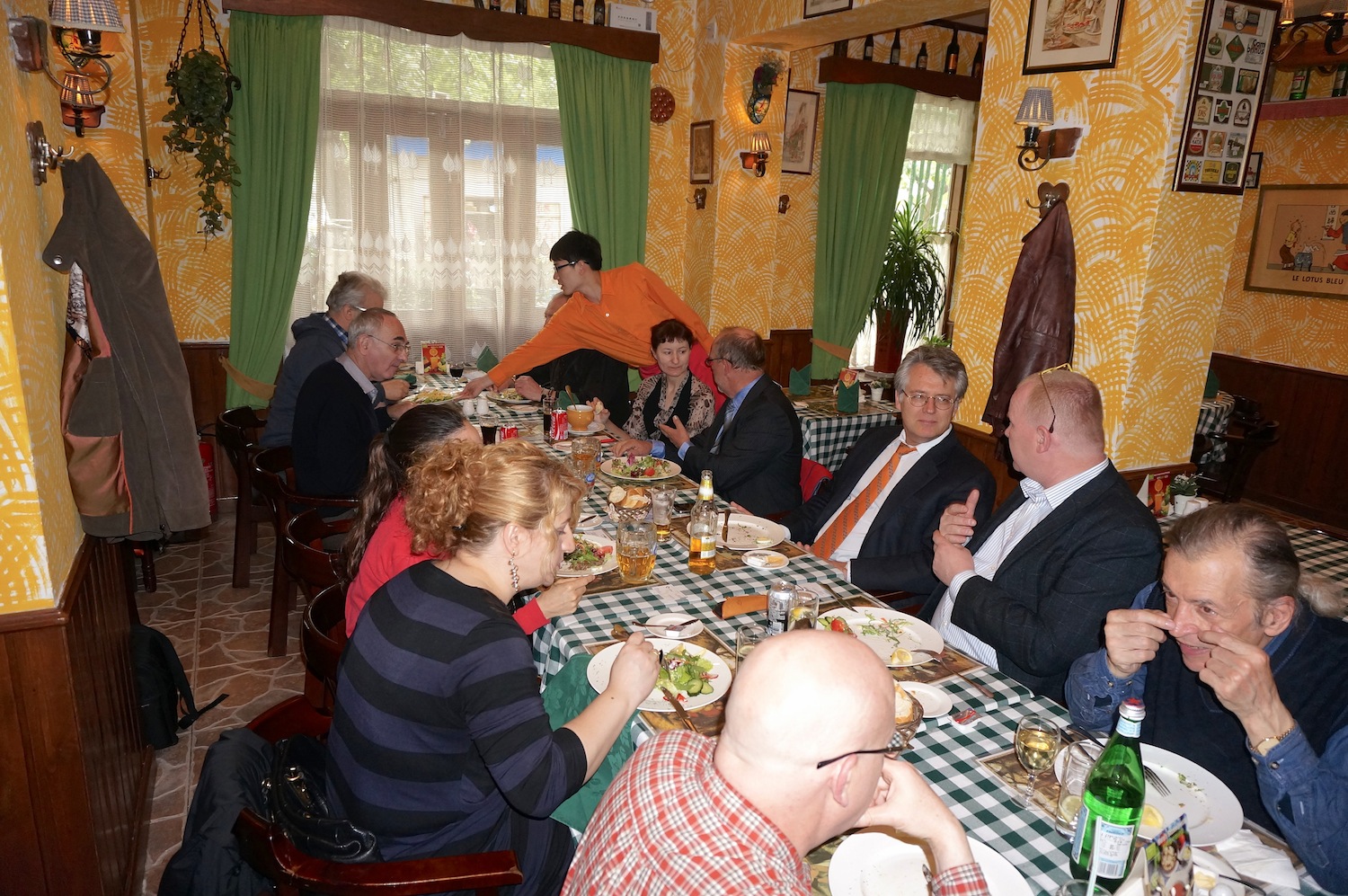
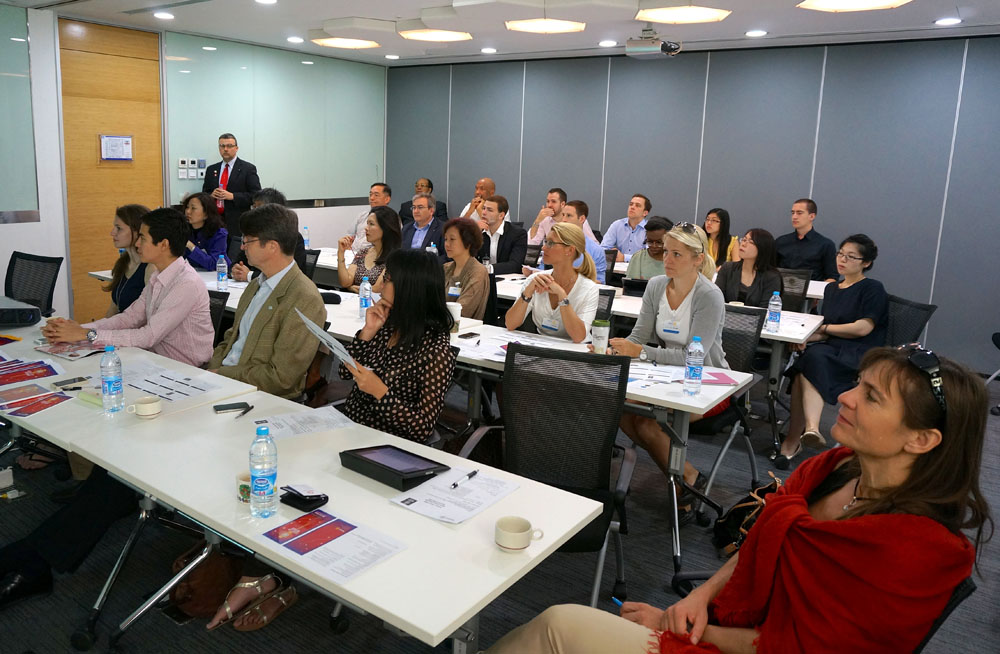
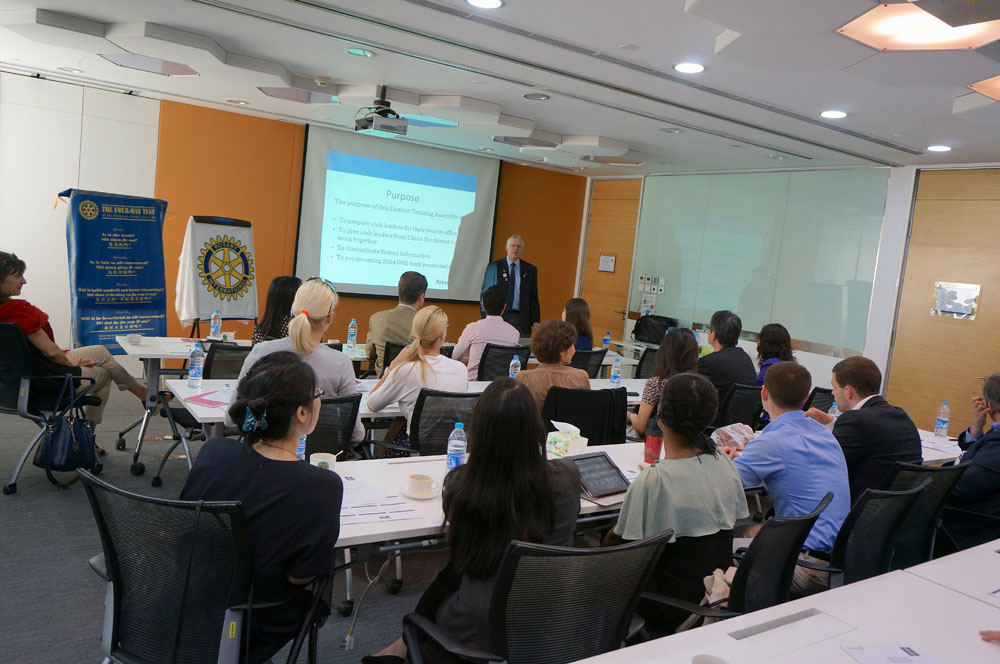
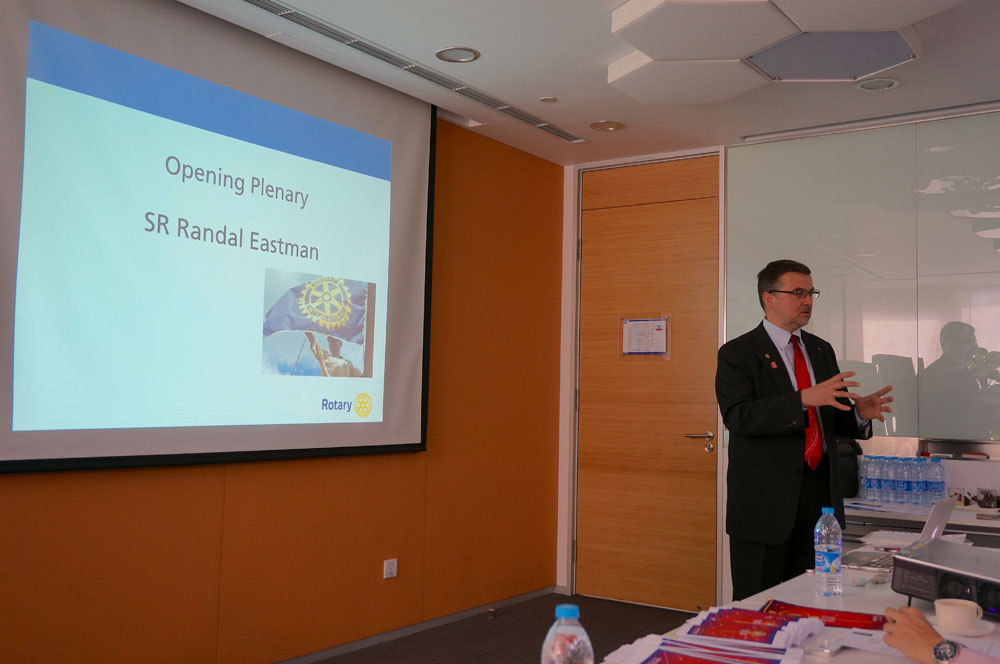
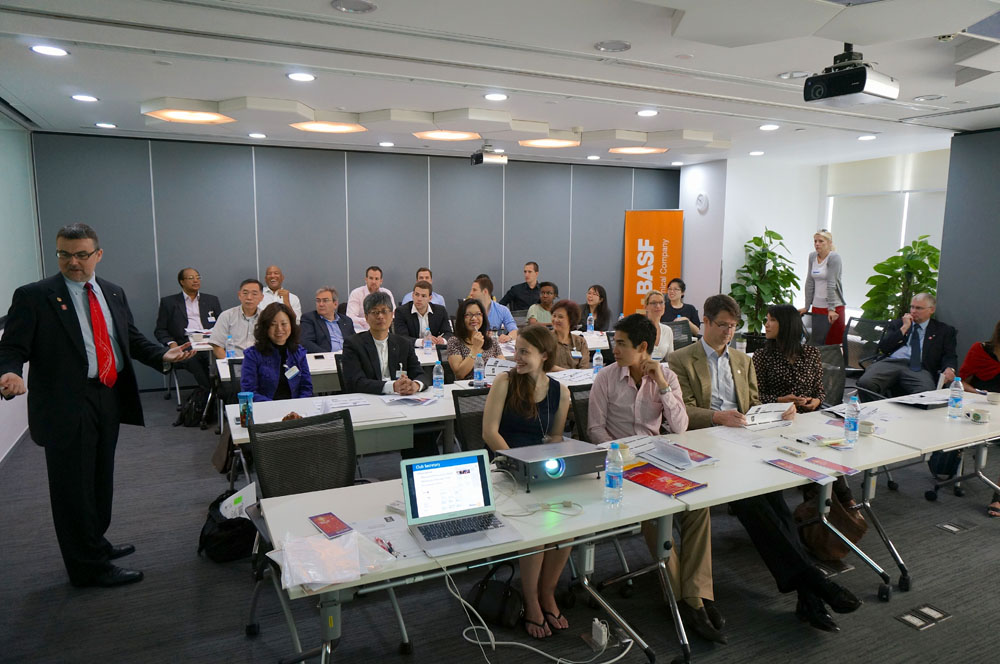
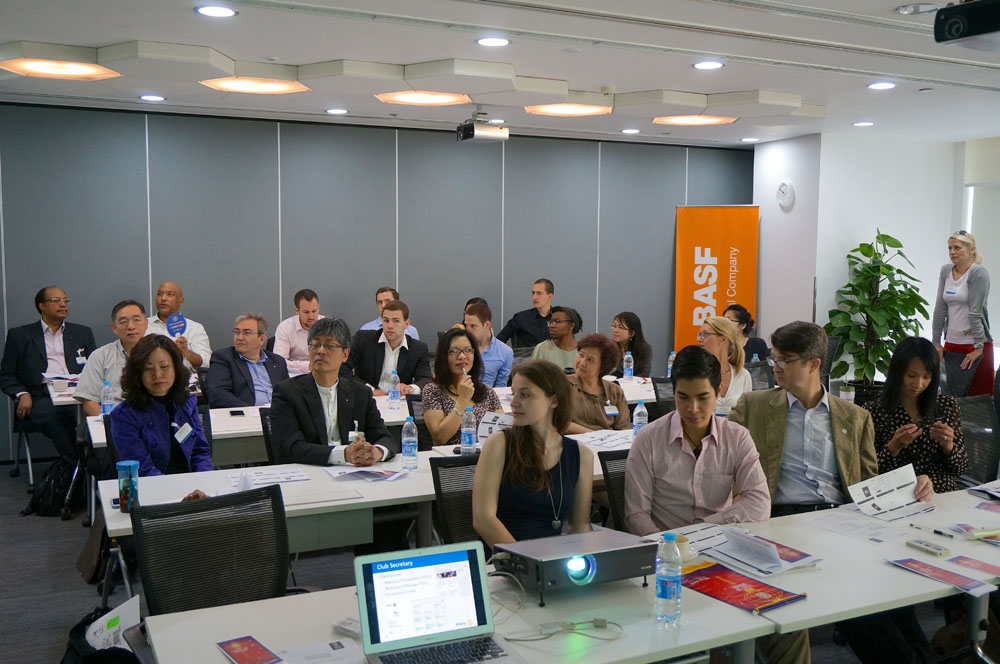
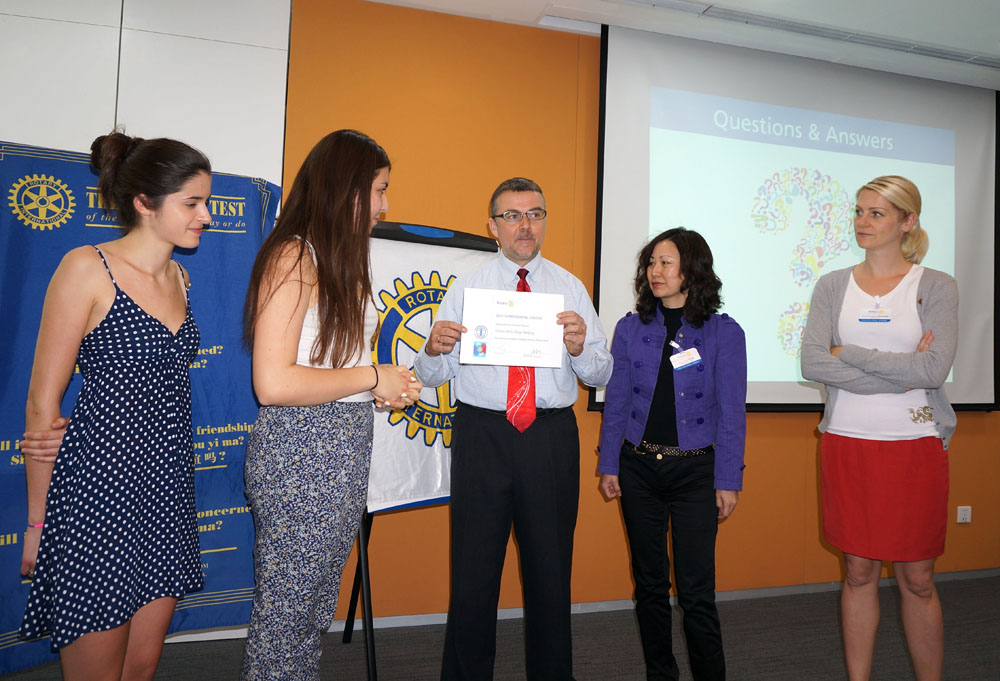
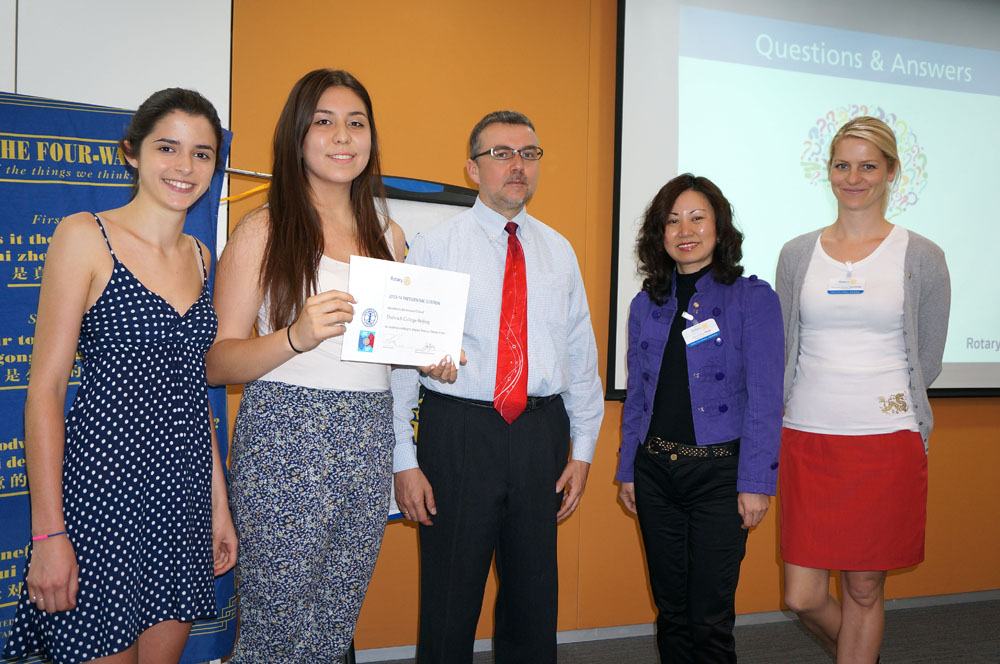
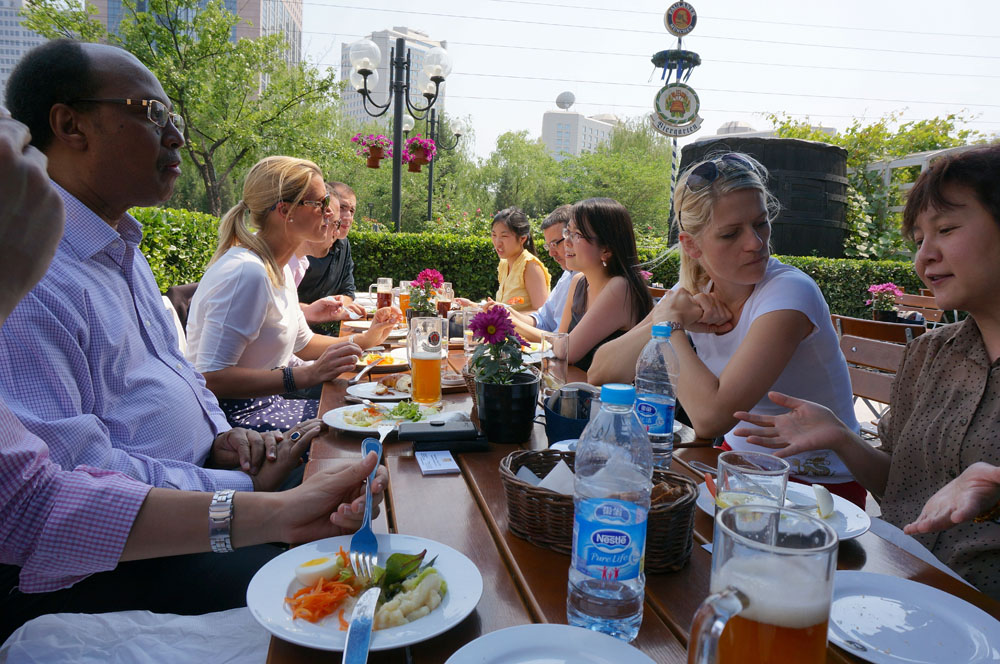
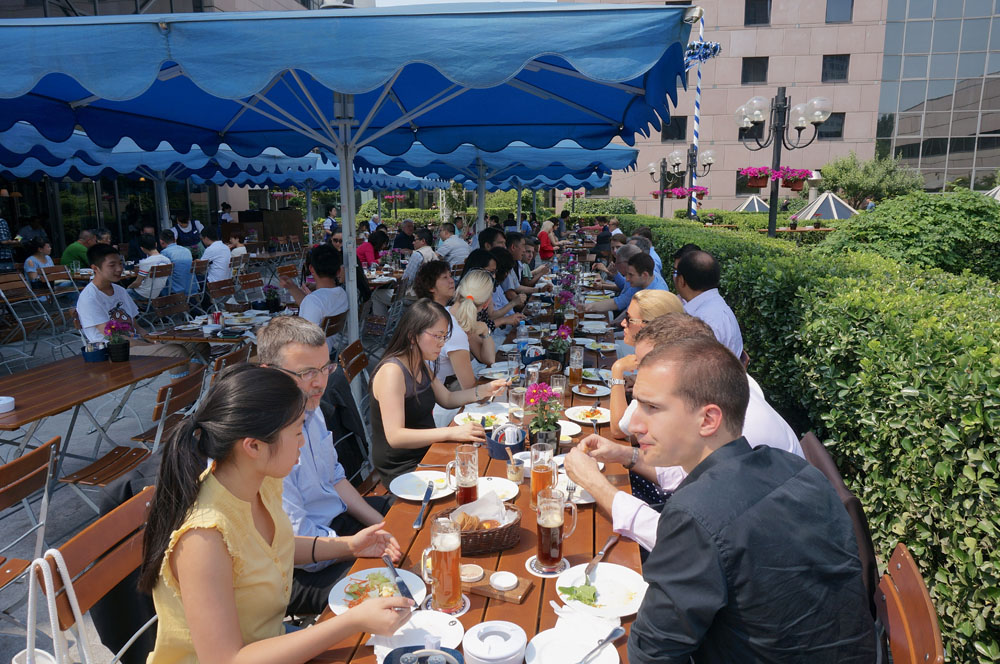
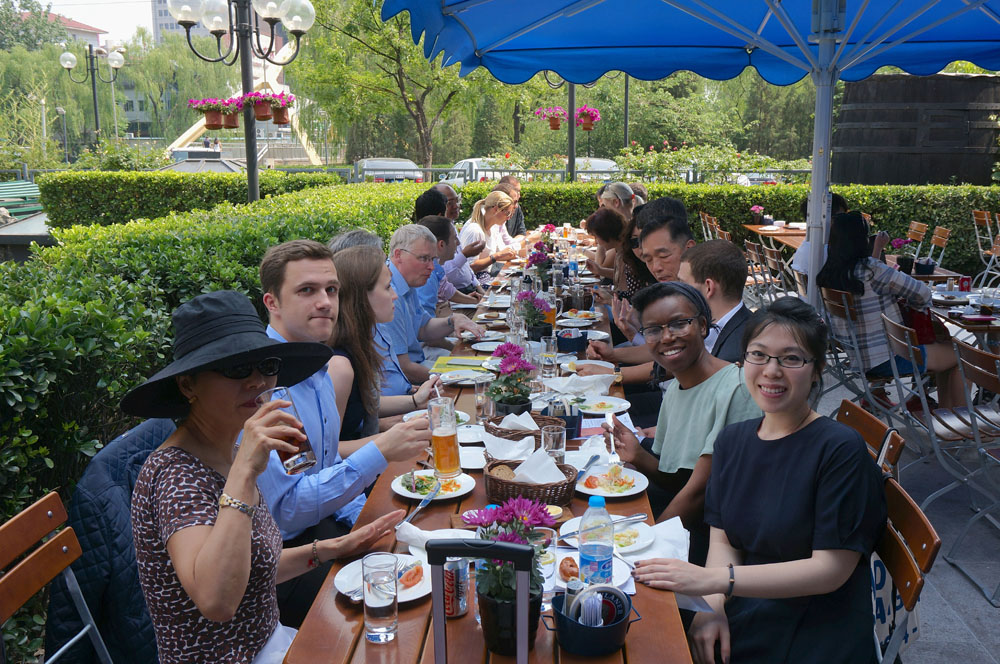
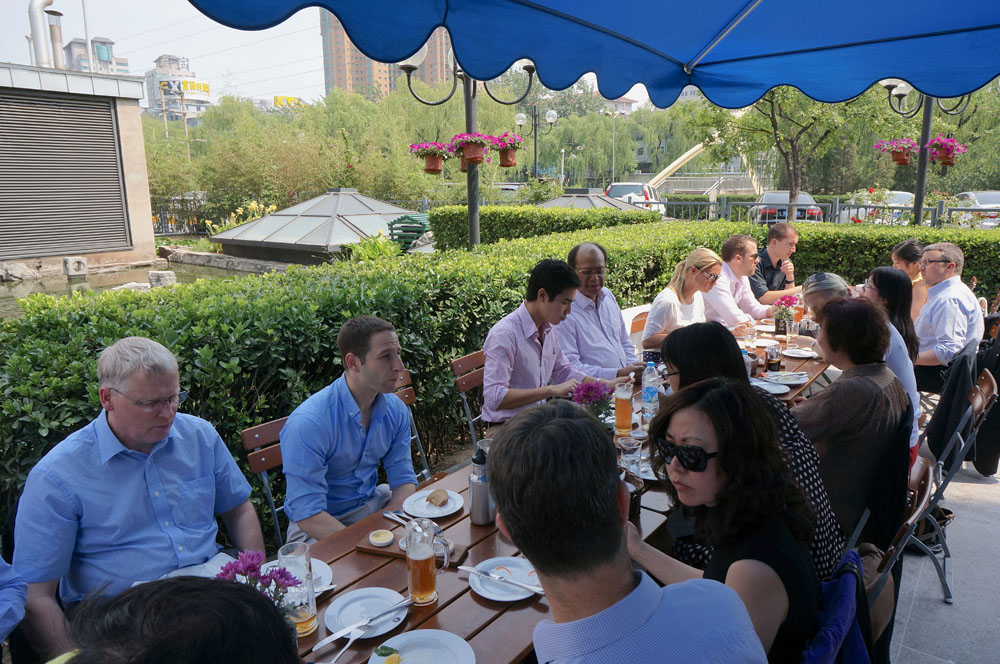
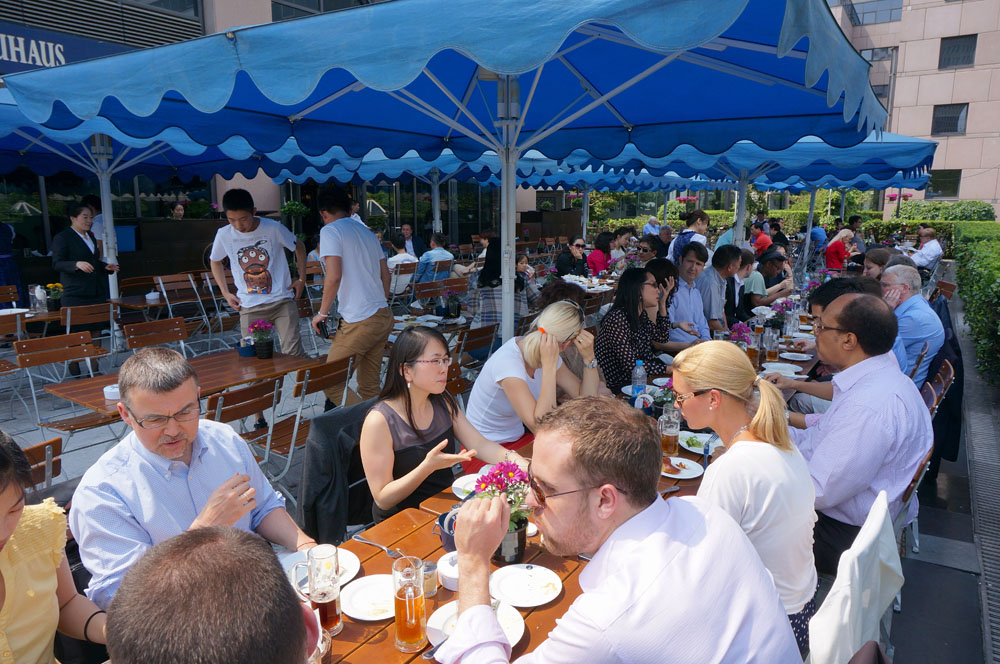
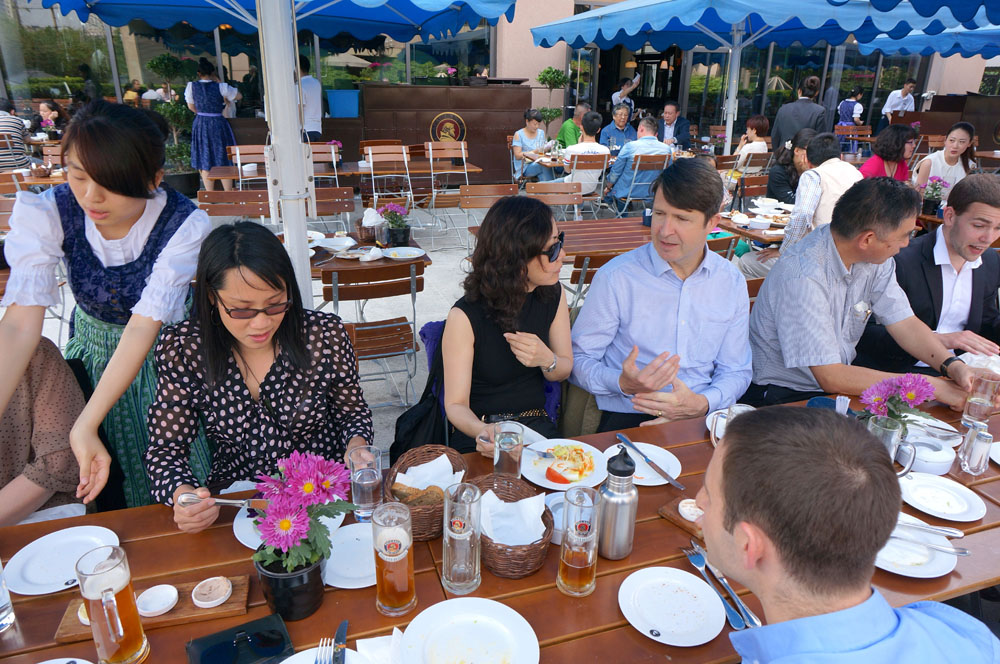
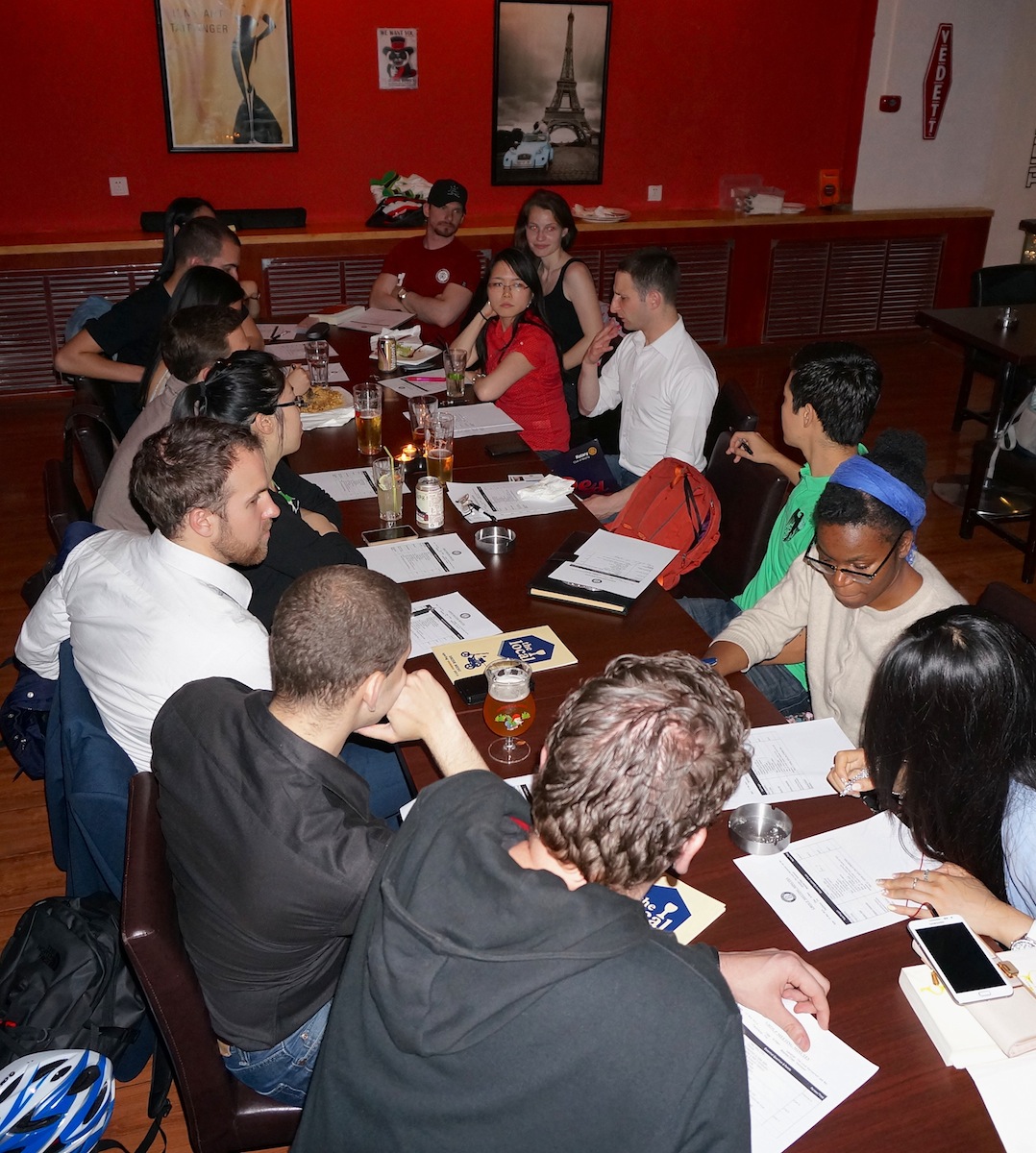
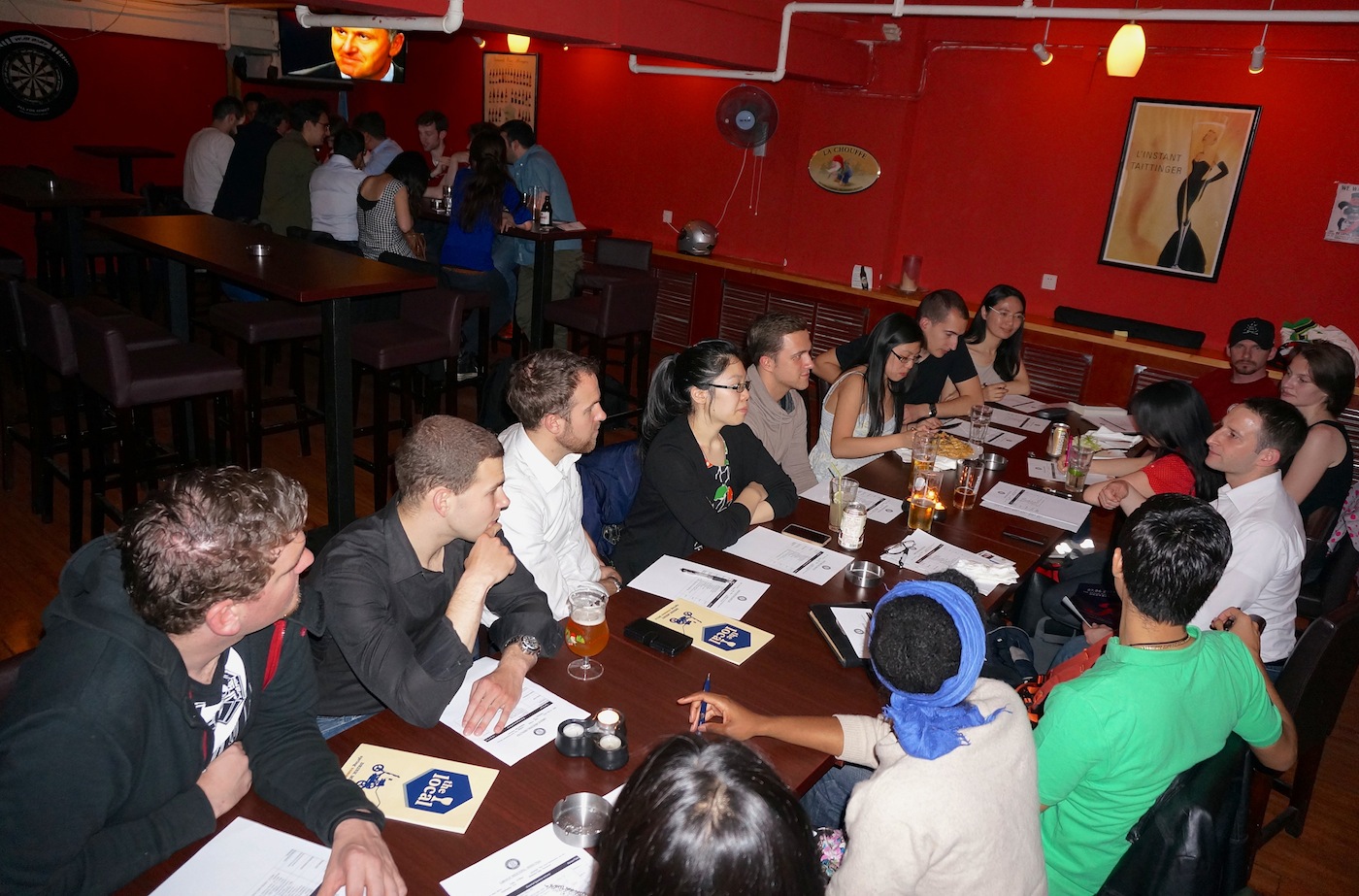
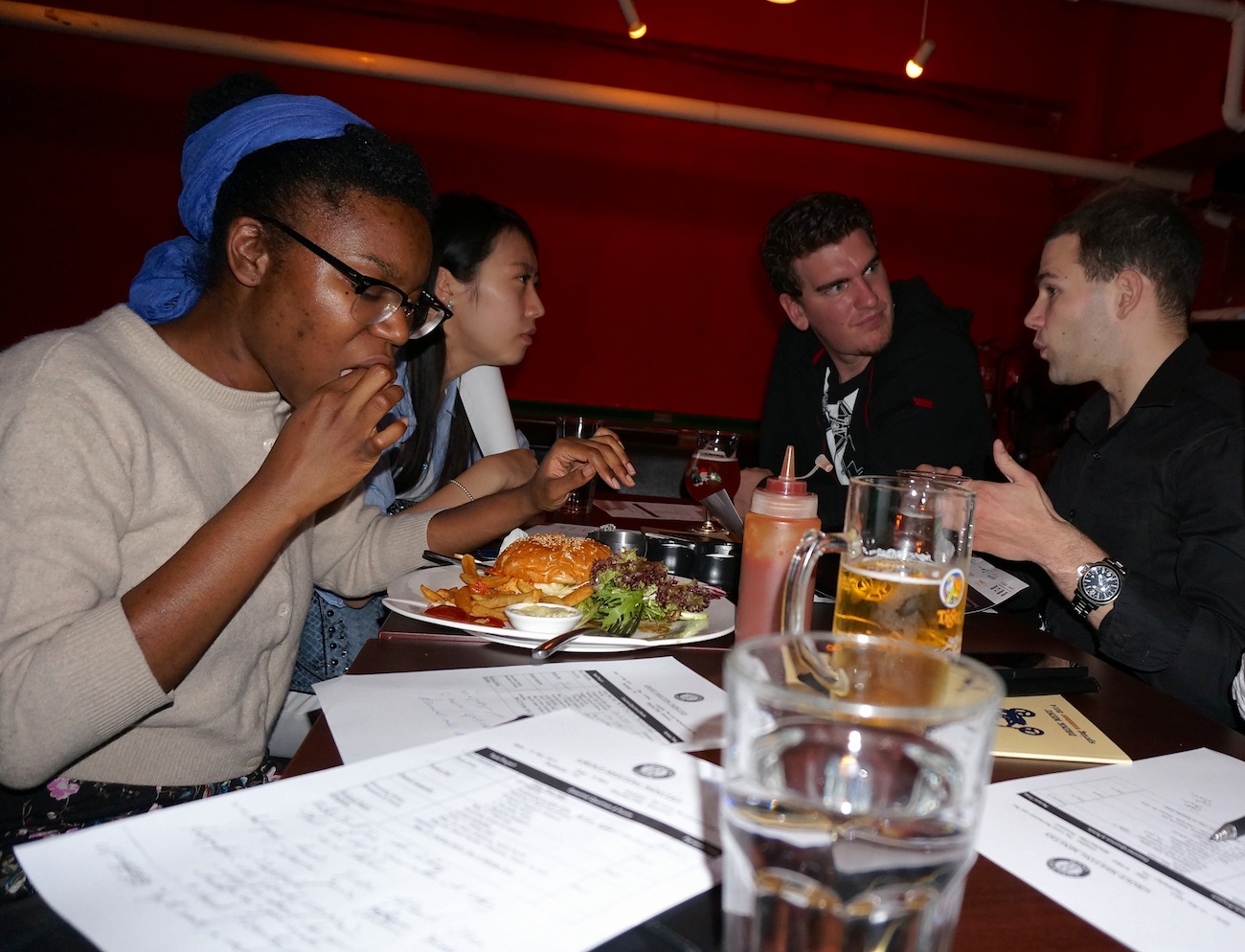
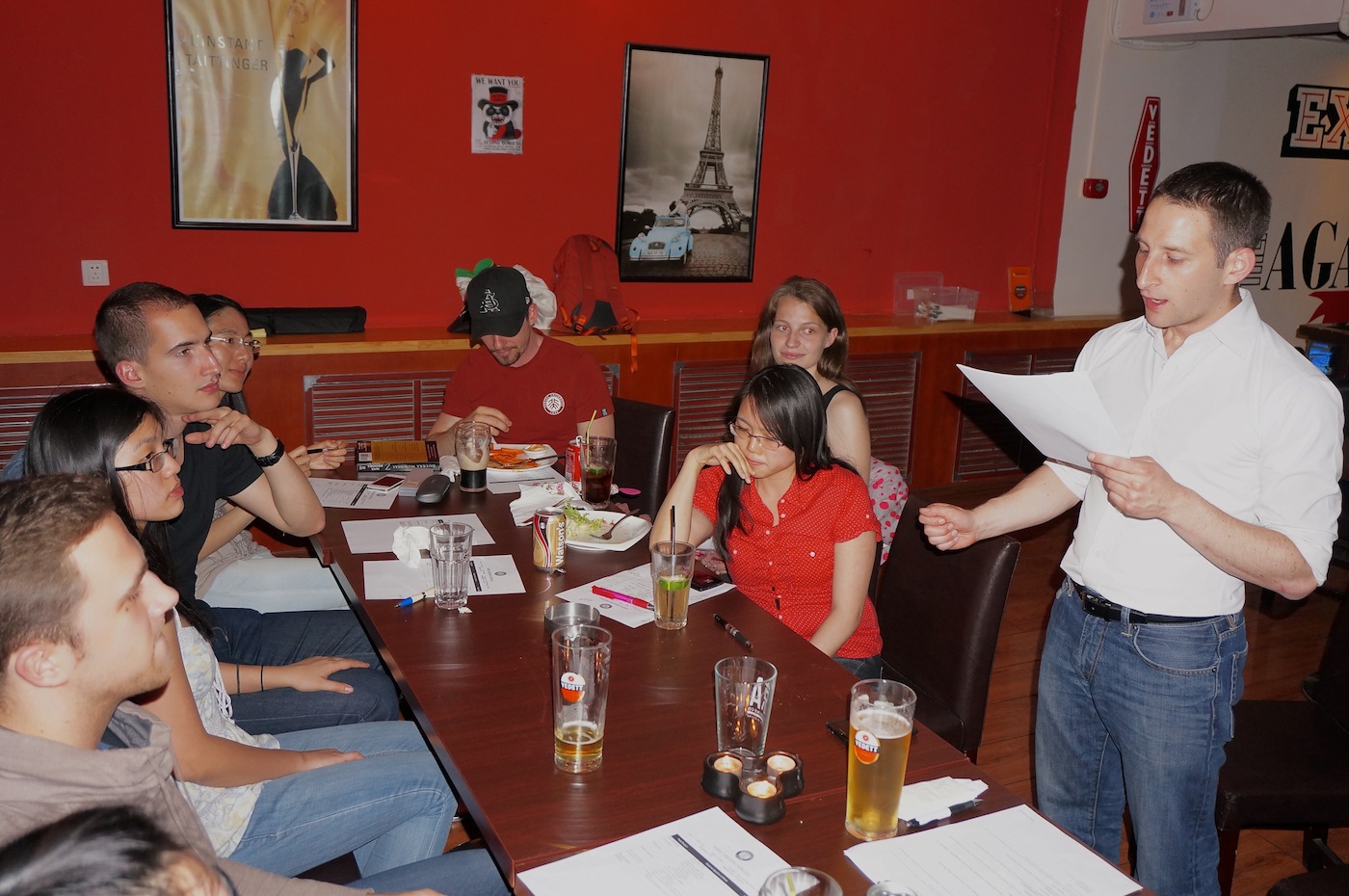
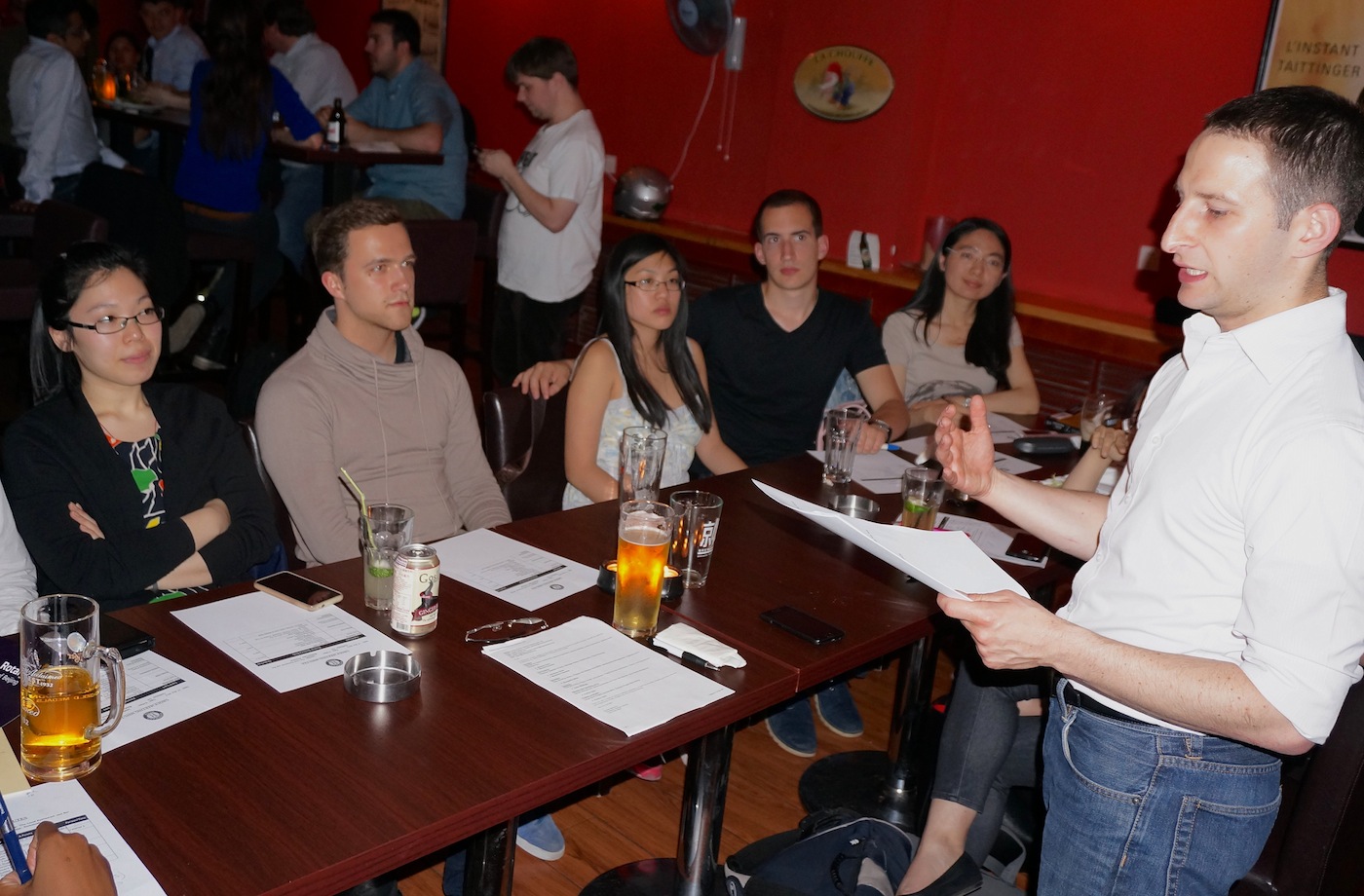
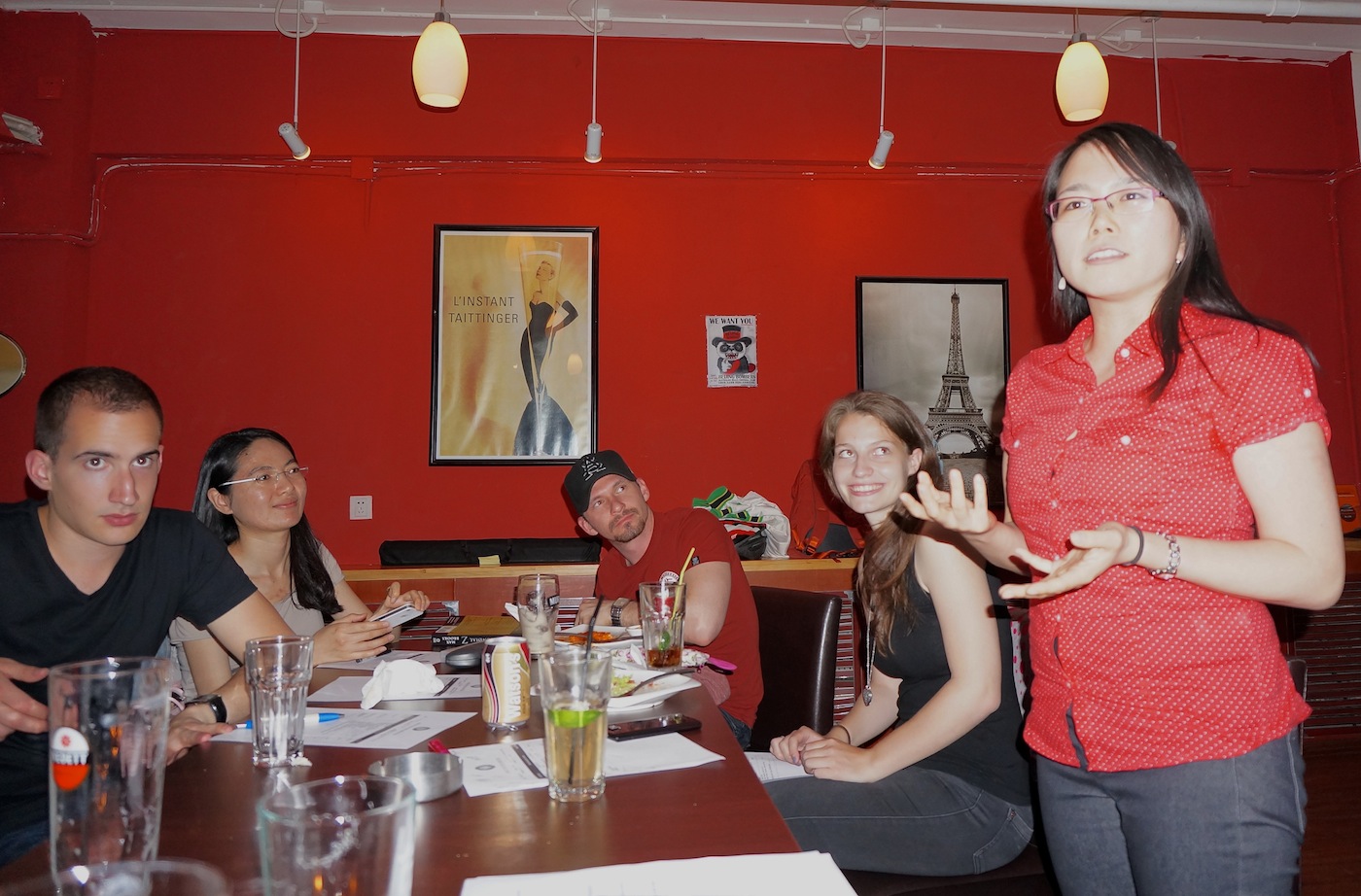
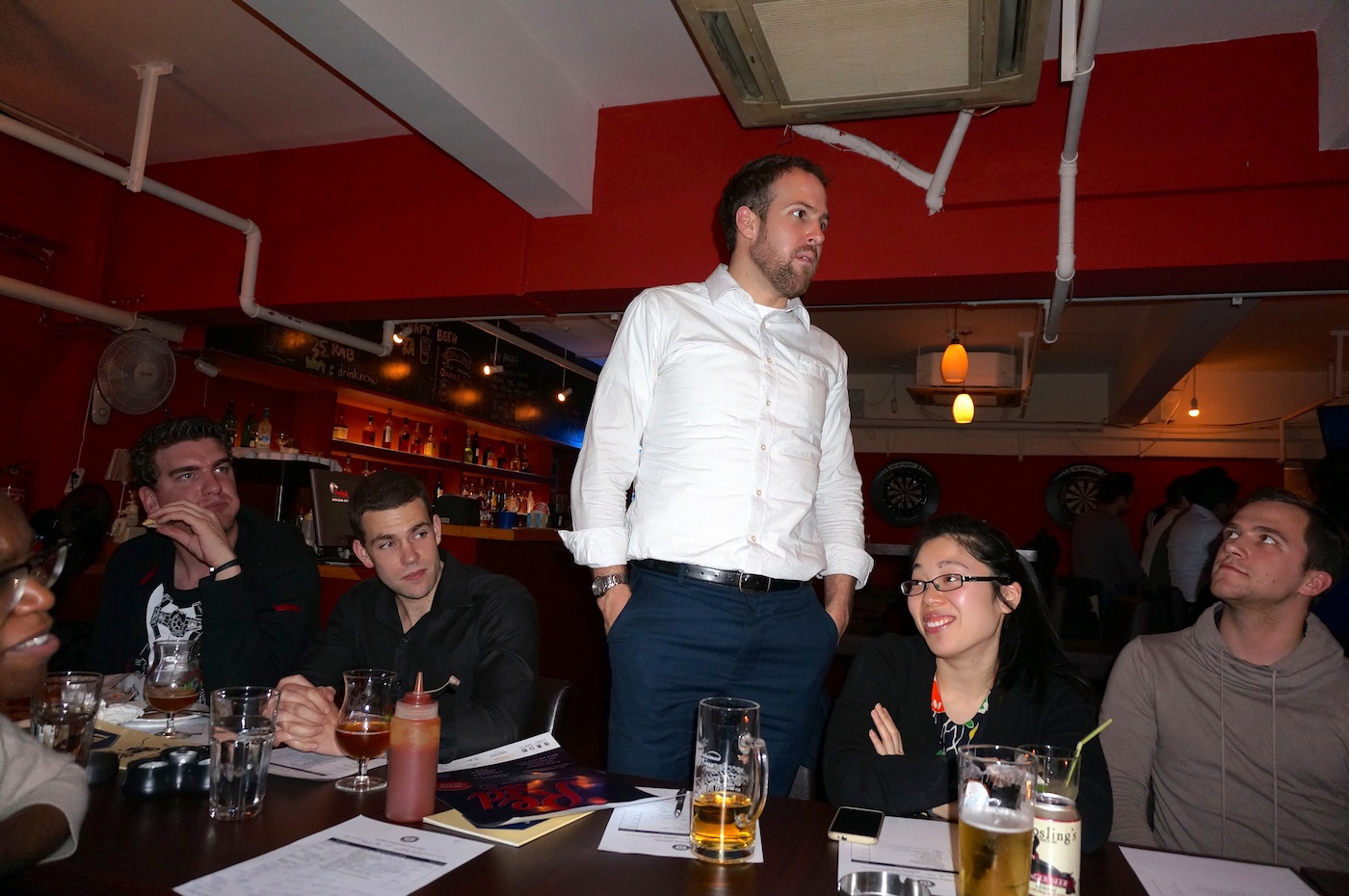
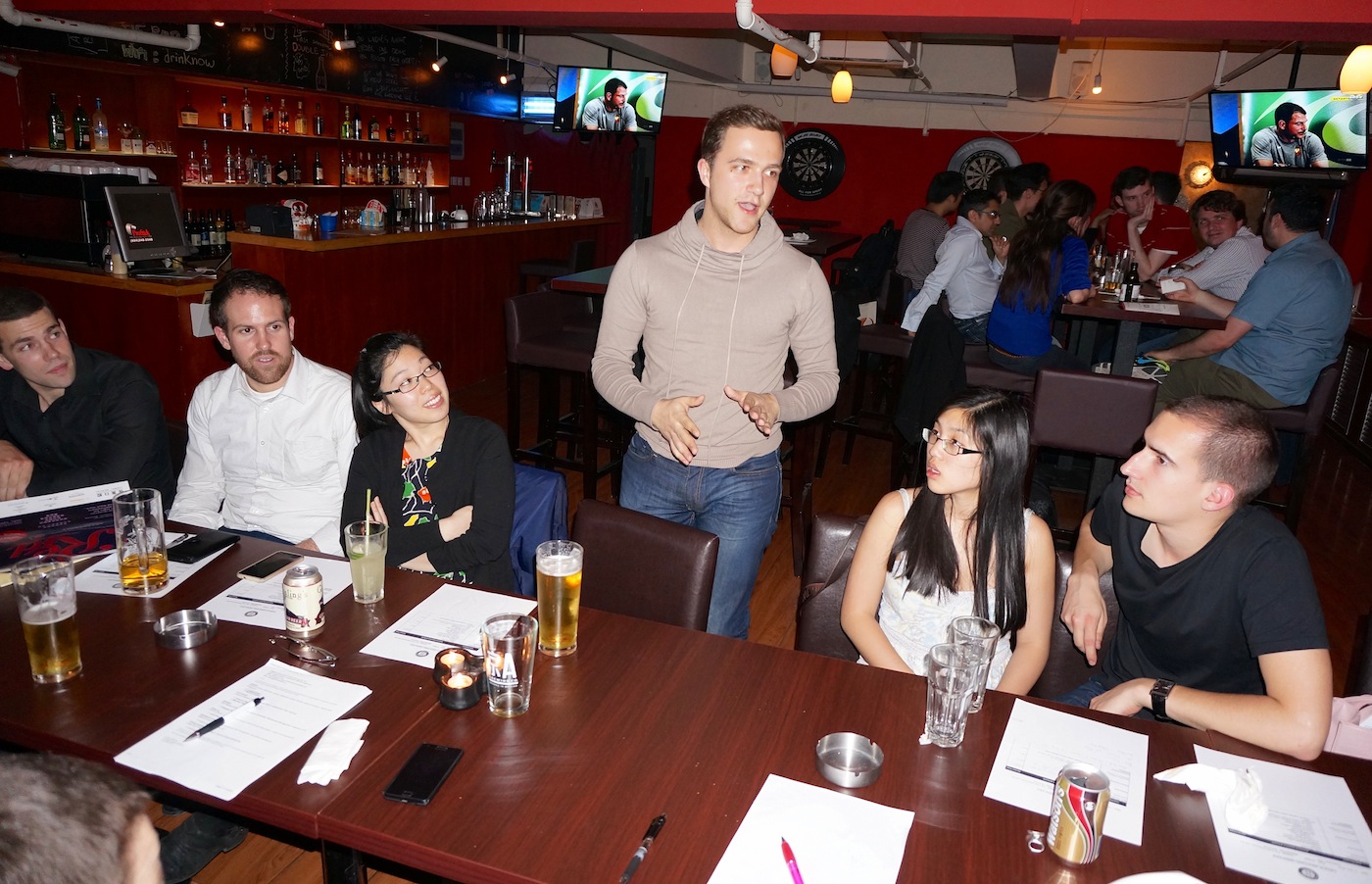
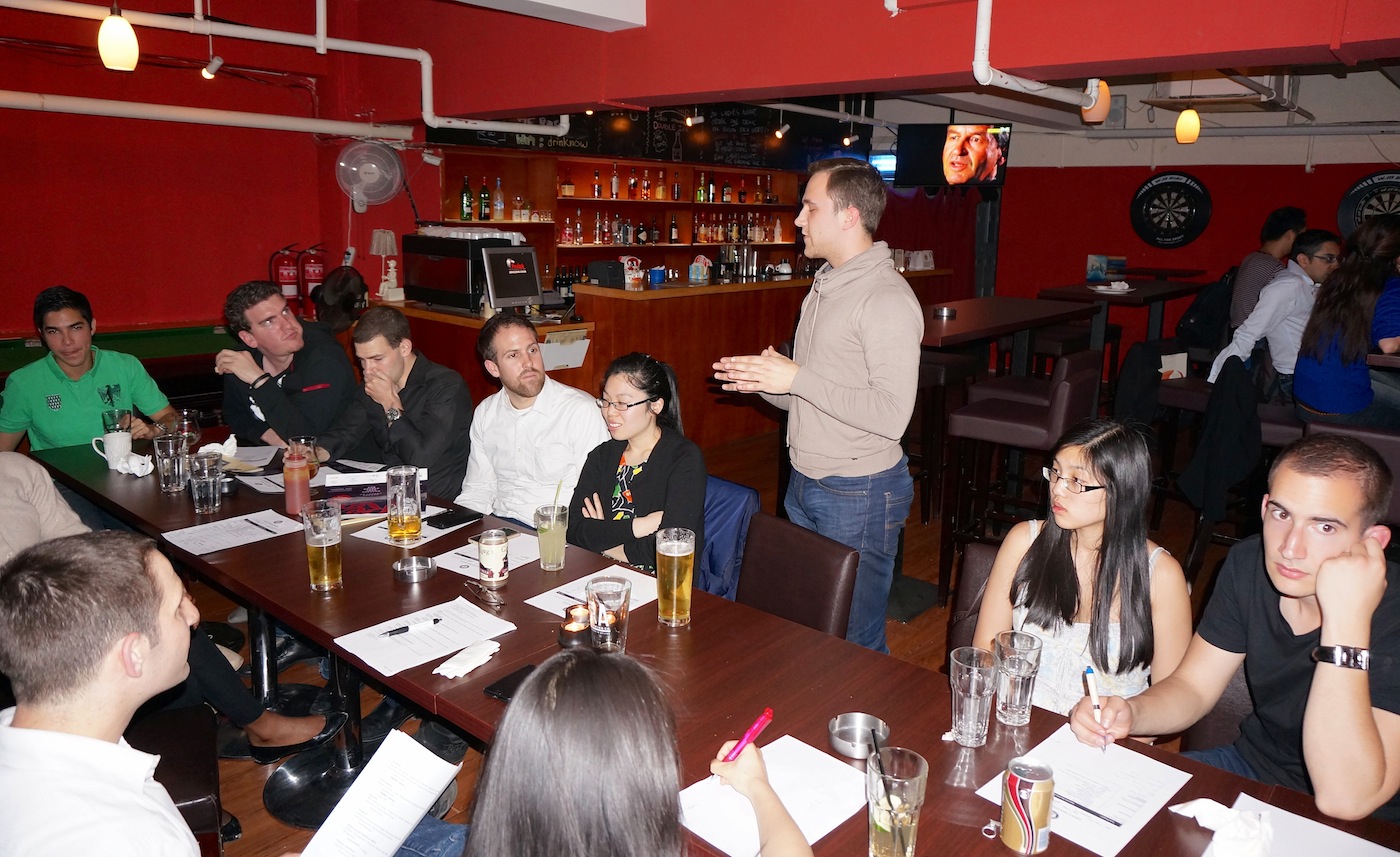
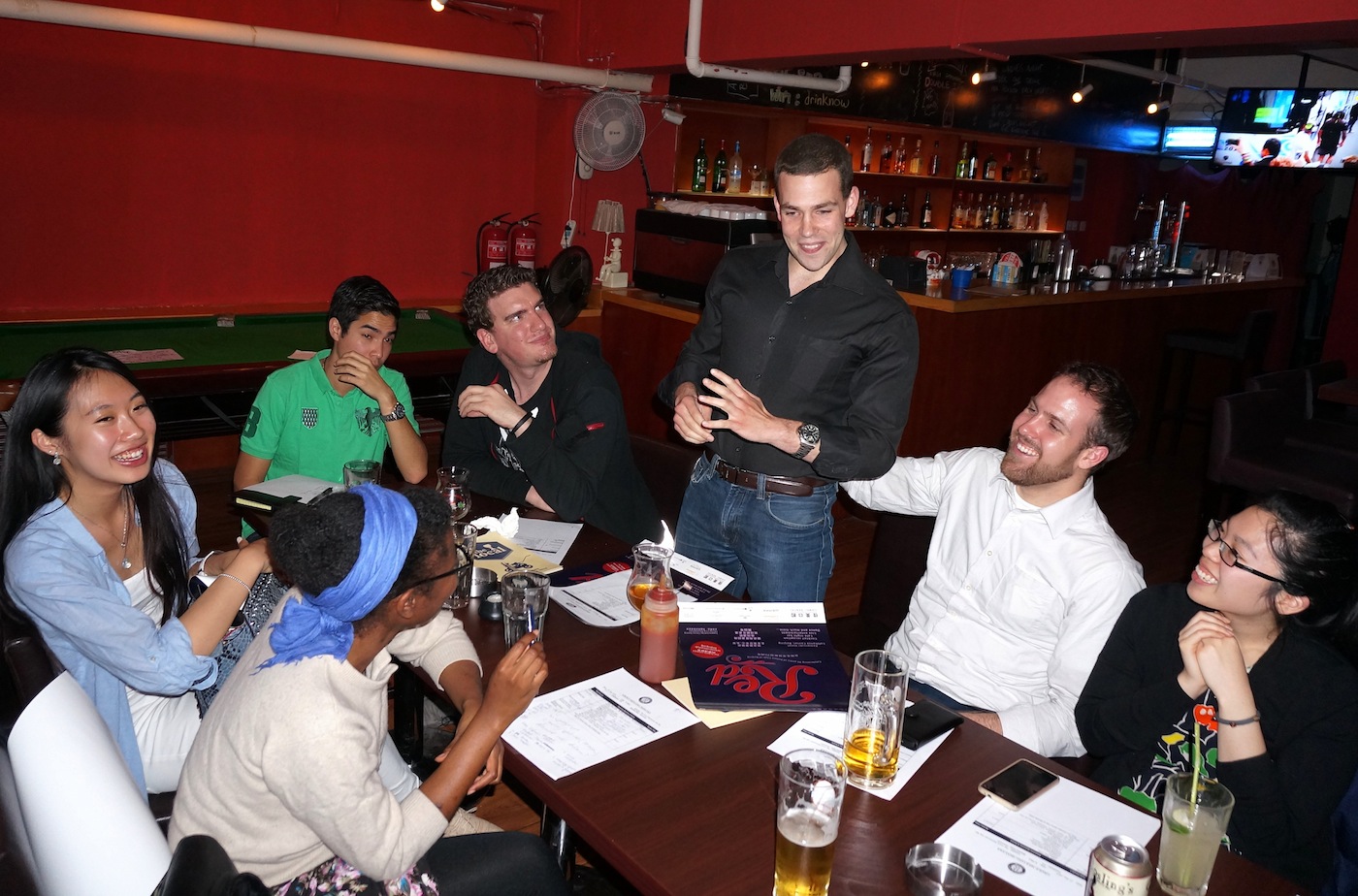
On 12 May 2014, in the usual meeting place – The Local – we had a large turnout for the elctions.
See here the results:
Result of the elections for Board positions, Rotaract 2014-2015
President: Johanna Chen
Manage the Rotary Relationship, Meeting Preparation/ Leading, Meeting Location Coordination, Meeting Reminders, General Club Oversight and Management

Vice President: Blair Fox
Organize Speaker Events, Manage Rotary Relationship, Party Planning

Secretary: Cleopatra Wise
Take Meeting Notes, Prepare the Weekly Newsletter, Membership Management, Collection of Project Review Forms

Treasurer: Justin Maldegar
Financial Tracking, Project Budget Disbursement, Project Earnings Reconciliation, Charity Fund Disbursement, Membership Dues Collection

Marketing and Operations (MAO): Frederik Kerckhof
Website Management, Marketing Materials and Team Management, Social Media Management

Projects Coordinator: Position Open
Long-Term Project Coordination, General Project Monitoring


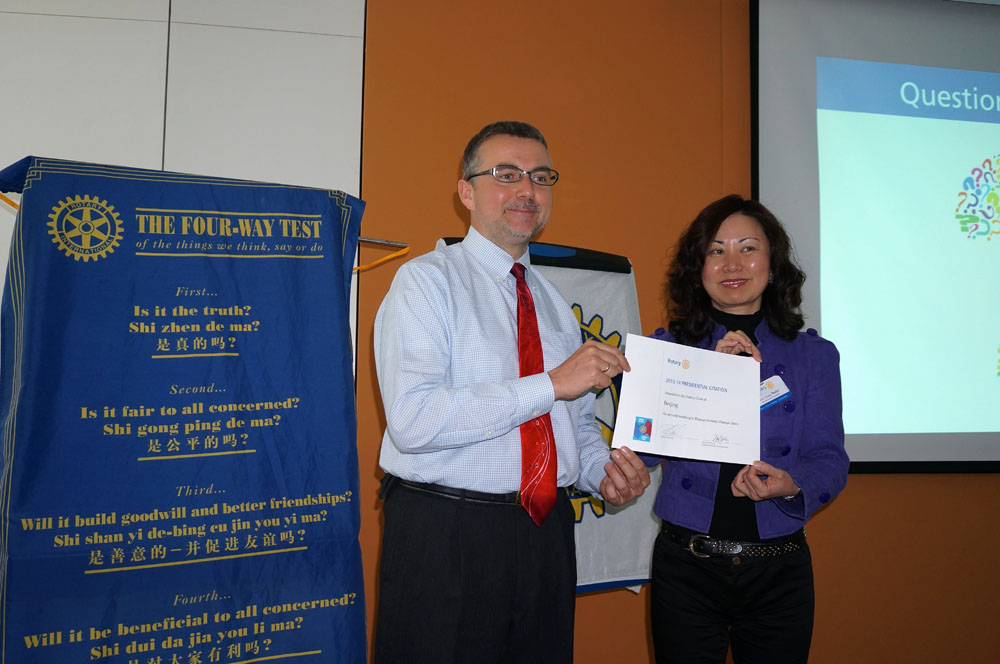
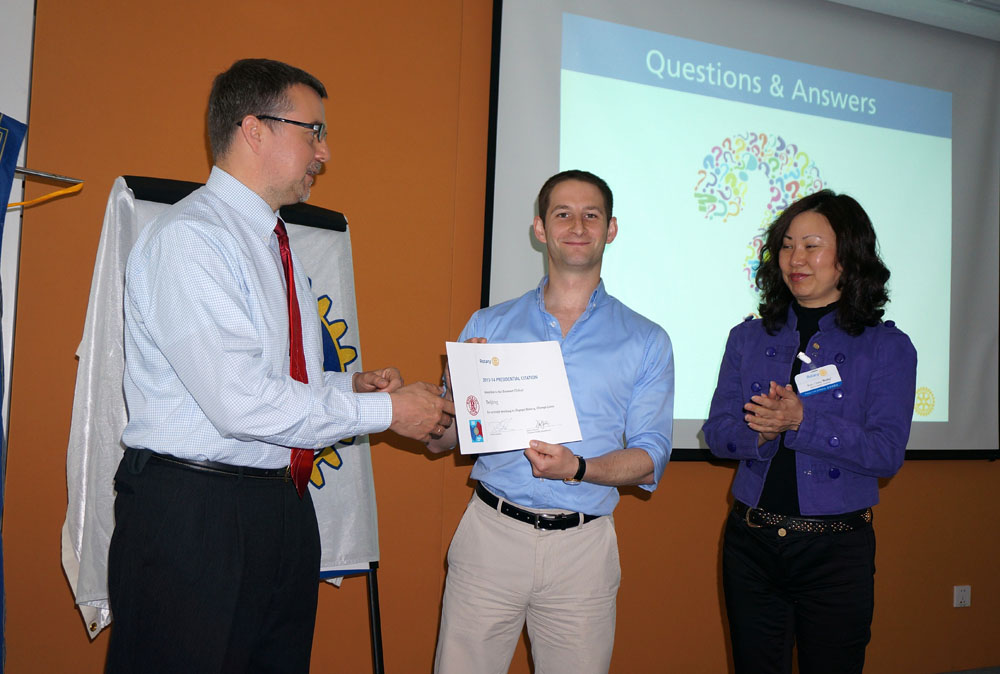
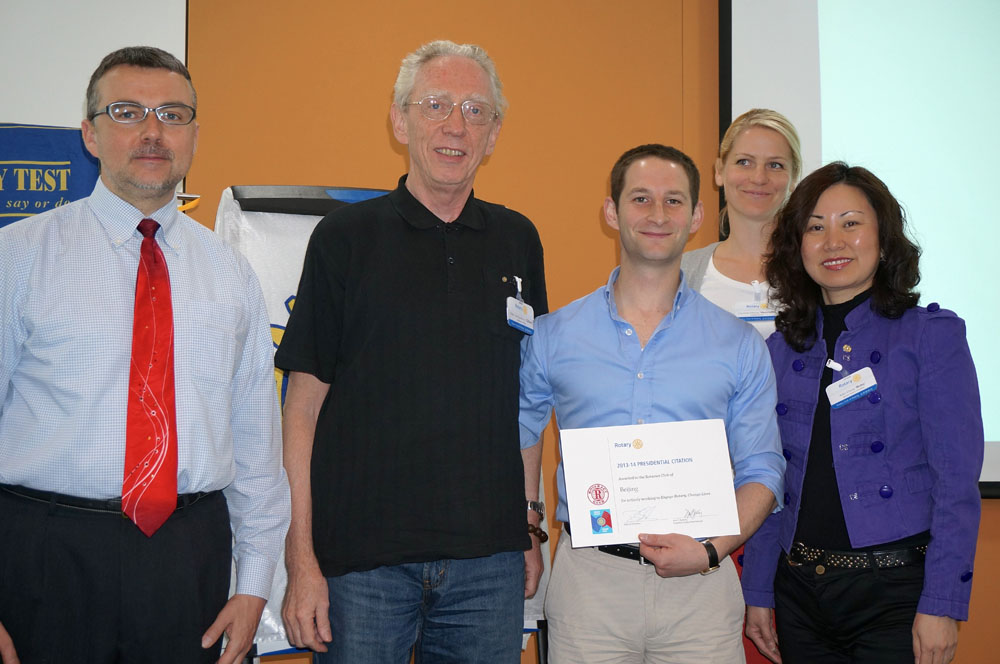
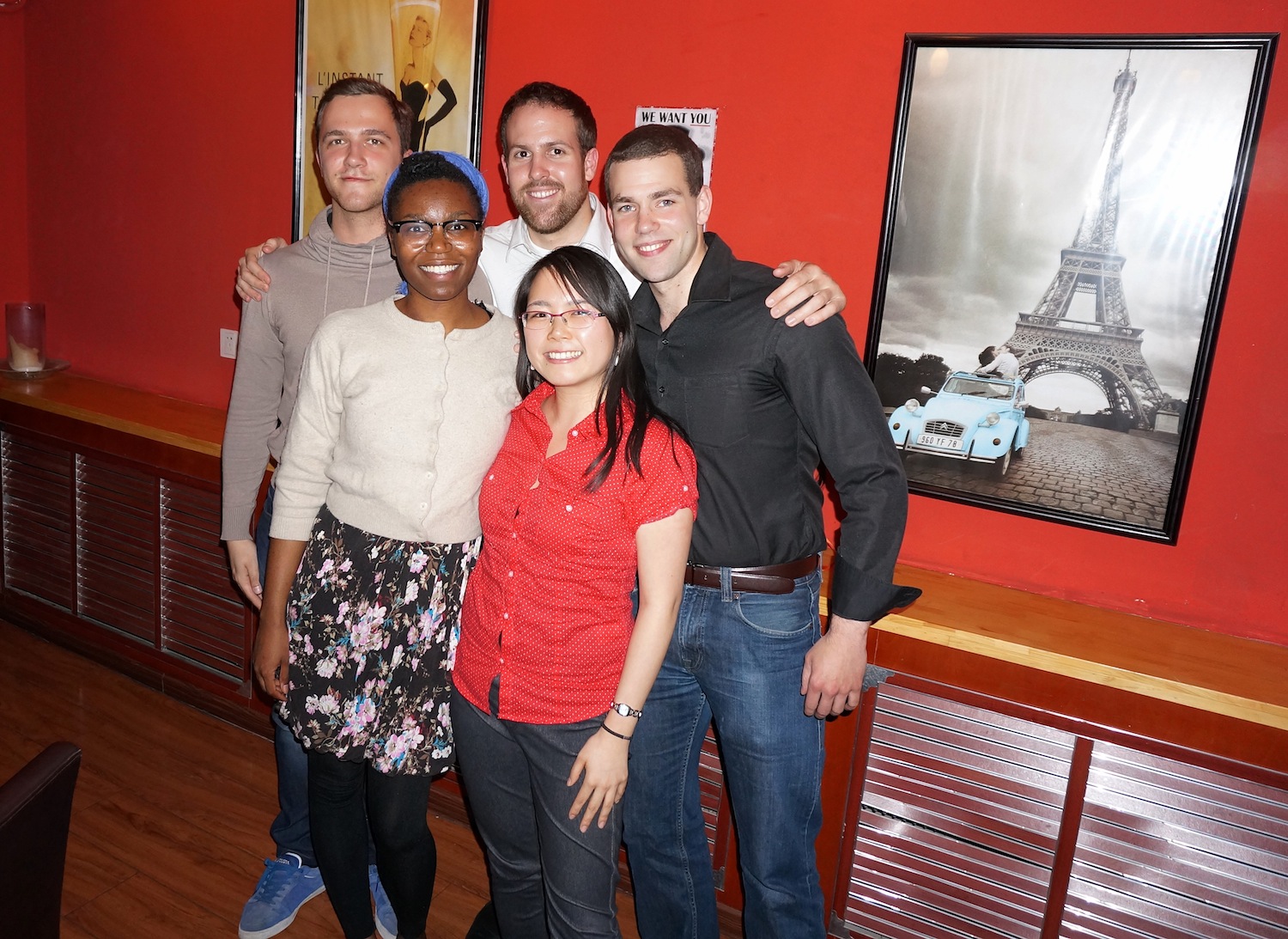
See the lively and large turnout, and the group pictures of the new board.

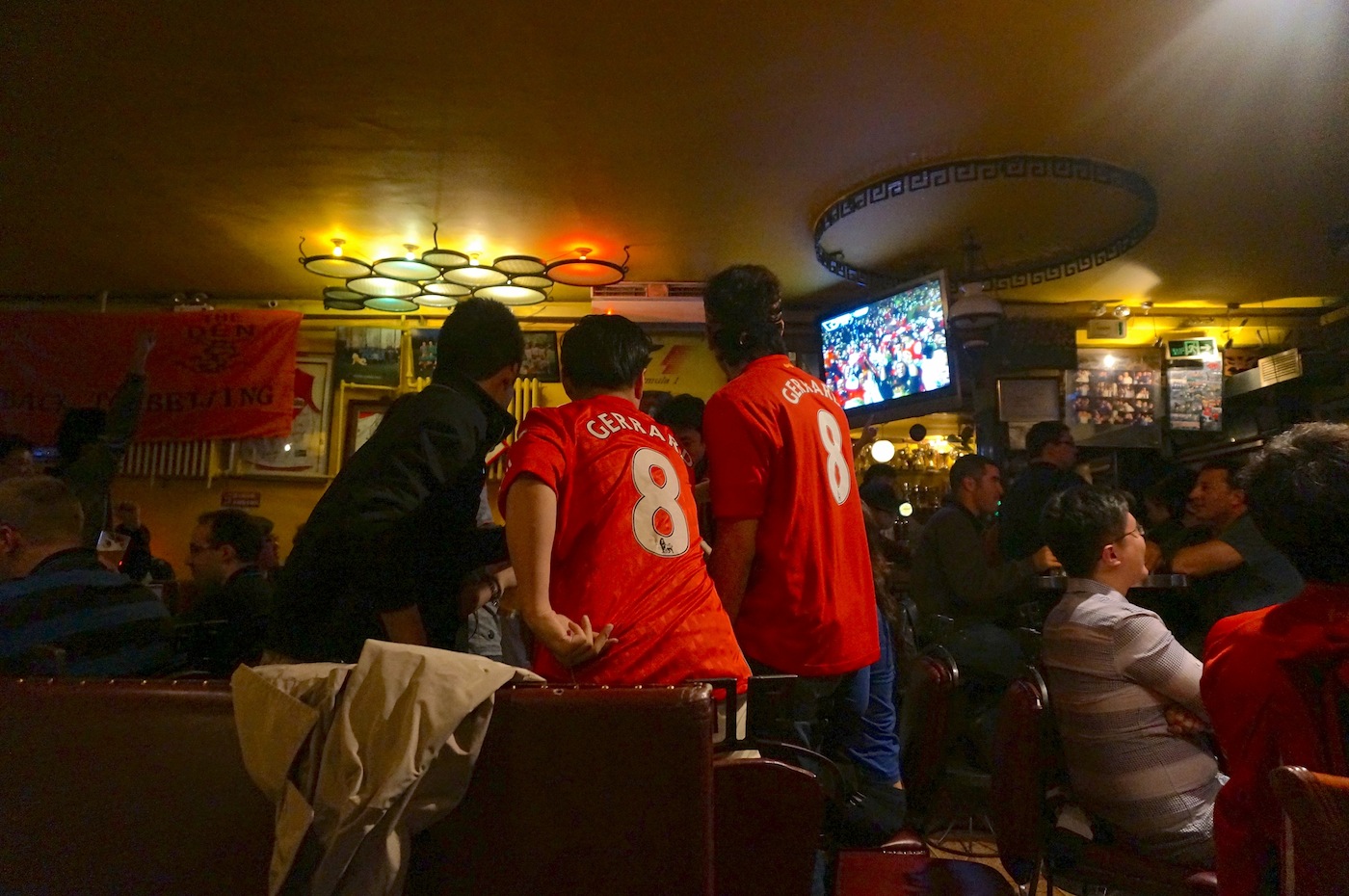
Watching Liverpool in The Den

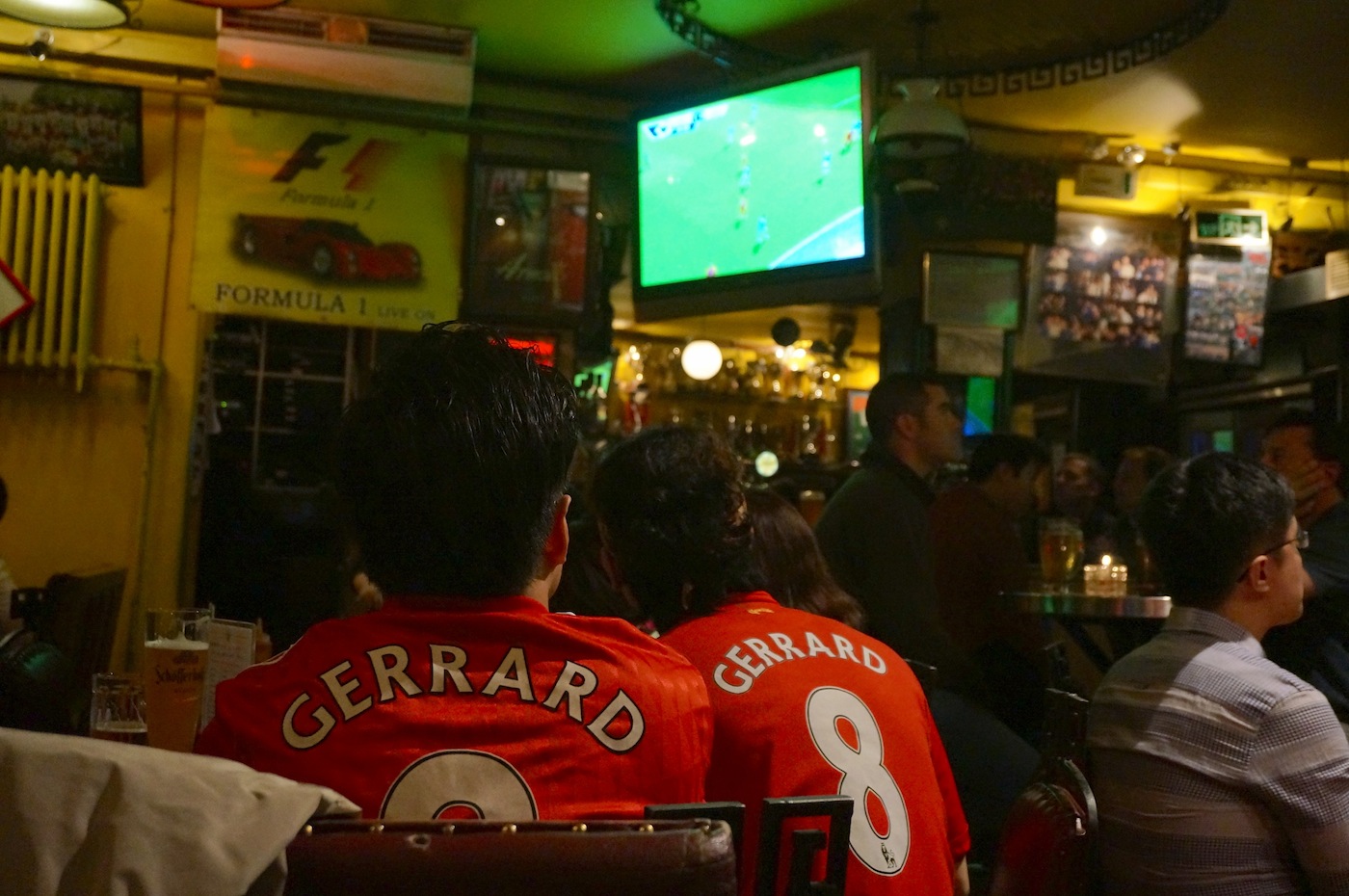
On Sunday evening 13 April I went to my usual “pit stop” at The Den, thinking it would be quiet on a Sunday night. It was full house and I was wondering what was going on with all the Chinese having a red T-shirt.

Then the soccer match started between Liverpool and Manchester City, at the Anfield stadium. I did not know the Chinese were big supporters of Liverpool, cheering and jumping up as Liverpool scored two goals in the first half. They finally won by 3-2.
There was also a minute of silence at the start of the game, to mark the 25th anniversary of the Hillsborough disaster in which 96 of their fans died during an FA Cup semi-final, one of the darkest days in the history of English soccer. The supporters lost their lives in a crush at the Leppings Lane End of Sheffield Wednesday’s Hillsborough ground at the start of the match between Liverpool and Nottingham Forest on April 15, 1989.
The Den is probably the oldest and best known sports bar and restaurant in Beijing, frequented by a mixed crowd of Chinese, expats (most being pretty close to retirement), the occasional girls of the night looking for business, and tourists. Families with kids are also regulars. It is

Sights of Beijing: Lama Temple

Lama Temple is the largest and best-preserved lamasery in Beijing. The “Yonghe Temple” is located in Beijing’s Dongcheng District, near the northeastern corner of the Second Ring Road. Lines 2 and 5 of the Beijing Subway both stop at Yonghegong Lama Temple Station.
It was built in 1694 during the Qing Dynasty (1644-1911) as the residence of the Emperor Yongzheng. It originally served as an official residence for court eunuchs. It was then converted into the court of the Prince Yong (Yin Zhen), a son of the Kangxi Emperor and himself the future Yongzheng Emperor. After Yongzheng’s ascension to the throne in 1722, half of the building was converted into a lamasery, a monastery for monks of Tibetan Buddhism. The other half remained an imperial palace.
The temple is said to have survived the Cultural Revolution due to the intervention of Premier Zhou Enlai. It was reopened to the public in 1981.
The resplendent architectural complex is endowed with the style of an imperial palace, making it distinctive from others. It occupies an area of 66,400 sqm and can be described as a mini-palace with yellow glazed tiles on the roof and red walls circling the group of buildings.
Every element of the temple is entirely symmetrical, with main halls on a north-south axis and wing halls on both sides.
The Temple is arranged along a north-south central axis, which has a length of 480m. The main gate is at the southern end of this axis. Along the axis, there are five main halls which are separated by courtyards: the Hall of the Heavenly Kings (Tian Wang Dian or Devaraja Hall), the Hall of Harmony and Peace (Yonghegong), the Hall of Everlasting Protection (Yongyoudian), the Hall of the Wheel of the Law (Falundian), and the Pavilion of Ten Thousand Happinesses (Wanfuge).
The temple combines various architectural styles of the Han, the Manchu, the Mongolian and the Tibetan.
The Pavilion of Ten Thousand Happinesses the last main hall, is the highest hall of this temple. It is a three-storey building  and contains an 26 m tall (18 m above the ground and 8 m underneath) statue of the Maitreya Buddha carved from a single piece of White Sandalwood. The seventh Dalai presented it to the Emperor Qianlong, the son of Emperor Yongzheng. The statue is one of three artworks in the Temple which were included in the Guinness Book of Records in 1993.


Pics taken in Spring 2014.
The temple is intensively used by Chinese people to pray and ask for favors. Incense is now strictly controlled to reduce pollution and one gets a standard package when going inside. Normally one uses three incense sticks each time at each altar, sometimes the tips are first put into a fire, sometimes just used like that. After kneeling and then bowing three times, the sticks are left in a container. Mostly people have to stand in line for their turn to kneel down.
The admission ticket also comes with a mini disk with a VCD introducing the temple.

More details:
http://www.beijingtrip.com/attractions/lamatemple.htm
http://en.wikipedia.org/wiki/Yonghe_Temple

Sights of Beijing: Ming City Wall Relics Park

The park in Beijing has the longest and best preserved section of the city’s Ming Dynasty city wall. The park is located 3 km from the city center and extends west from Chongwenmen to Dongbianmen and then north to near the Beijing Railway Station. The park features a 1.5 km section of the Ming city wall and the Southeast Corner Tower, which are over 550 years old and surrounded by green park space to the south and east.


Pictures taken on 6 April 2014.
Beijing’s inner city wall was built during the Ming Dynasty in 1419. The Ming city walls stood for nearly 550 years until the construction of the early 1960s when most of the gates and walls were torn down to construct the Beijing Subway, which runs underneath where the walls stood. The subway’s inner loop line turned into the old city at Chongwenmen to stop at the Beijing Railway Station, and did not need to run beneath a section of the wall at the southeast corner of the inner city. Of the 40 km of the original wall, only this 1.5 km section was spared. Inside this section of the wall (north of the wall) are railway yards of Beijing Station. Outside the wall (south of the wall) stood residential homes and small businesses.
In the late 1990s, the city government decided convert the remnants of the wall into a park and relocate the small businesses and homes between the foot of the southern city wall and Chongwenmen East Avenue. Construction began in November 2001 and the park was completed in September 2003.
More details: http://en.wikipedia.org/wiki/Ming_City_Wall_Relics_Park

Sights of Beijing: Conrad Hotel and WTC3

On 2 April I was invited for a tour of the Conrad Hotel on the Eastern 3rd Ring Road. After a great lunch (nice steak!) I was shown around the hotel. Nice architecture and the rooms are really impressive, even the so-called “standard” room. See the exterior and also views of the polluted 3rd Ring Road, as seen from one of the corner rooms.

On 4 April some night pictures from what I call World Trade Center Tower III. Officially it is called “China World Summit Wing”, the newest part of China World Trade Center that started in 2002 and was completed in 2010. Summit Wing is a 5 star hotel located in the upper section of the China World Trade Center Tower 3. The Summit Wing has 278 hotel rooms and 8 different notable restaurants. The tower is a 330m high and is the tallest skyscraper within Beijing.
Read more: http://en.wikipedia.org/wiki/The_China_World_Trade_Center