Rotary lunch and agriculture in China

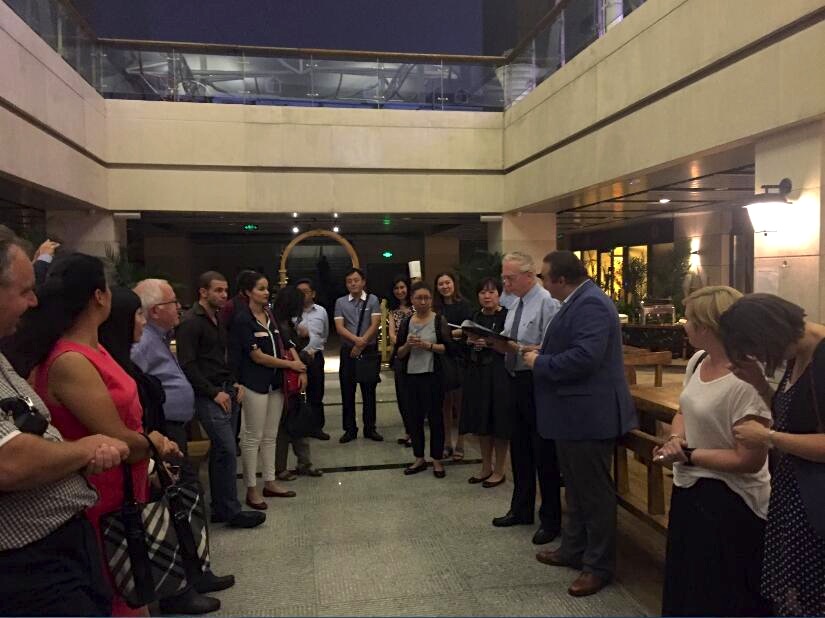
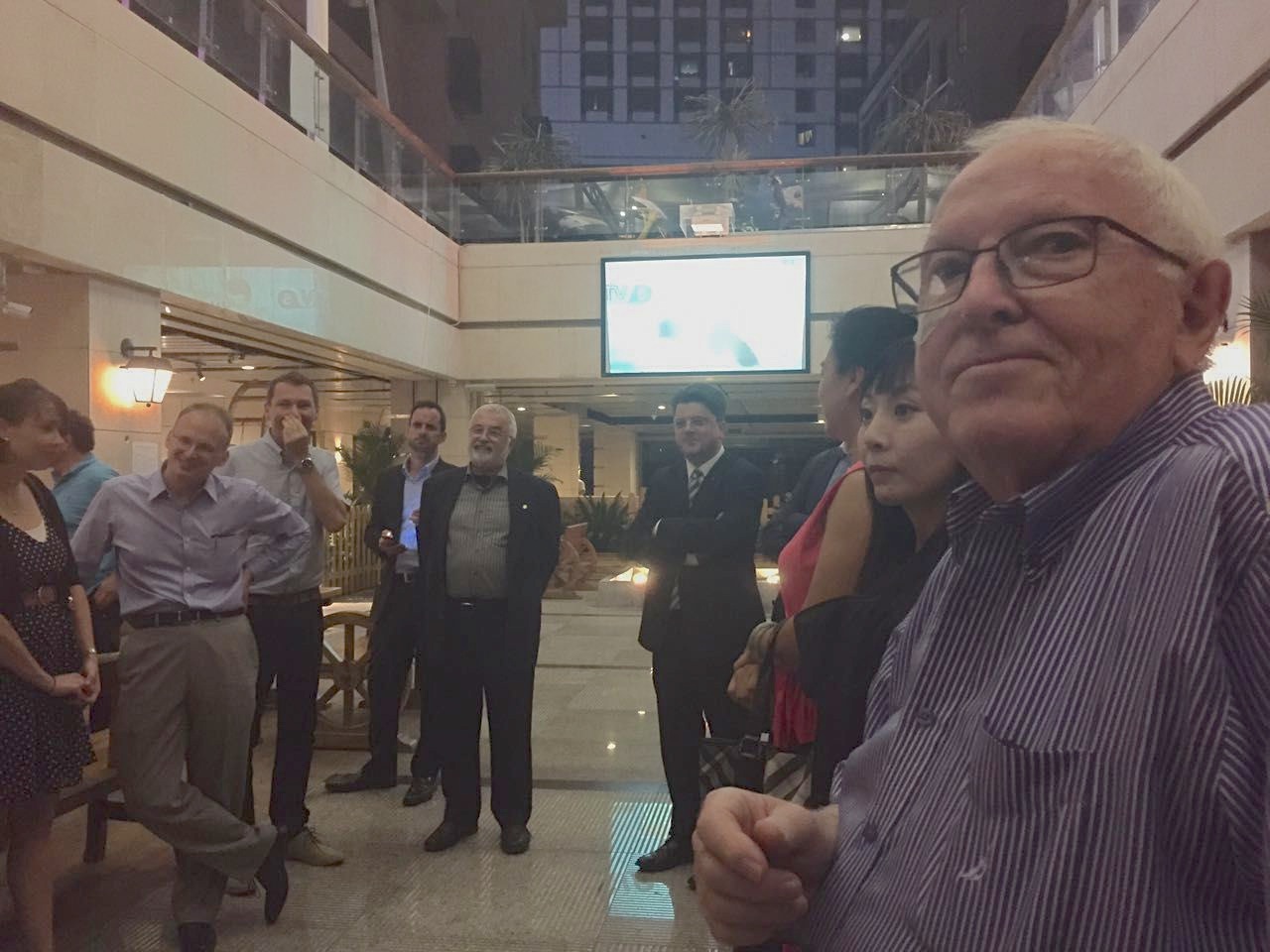
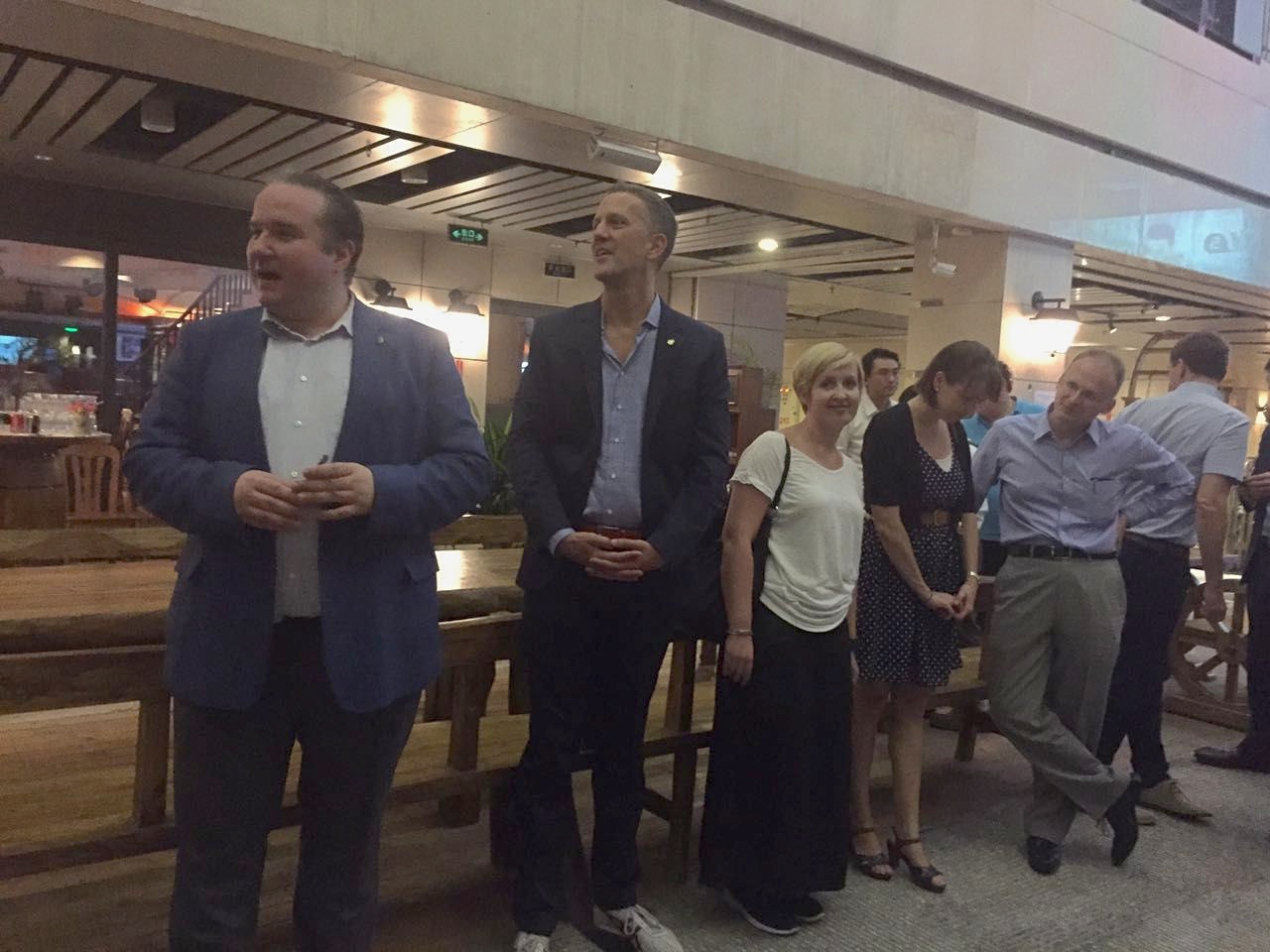
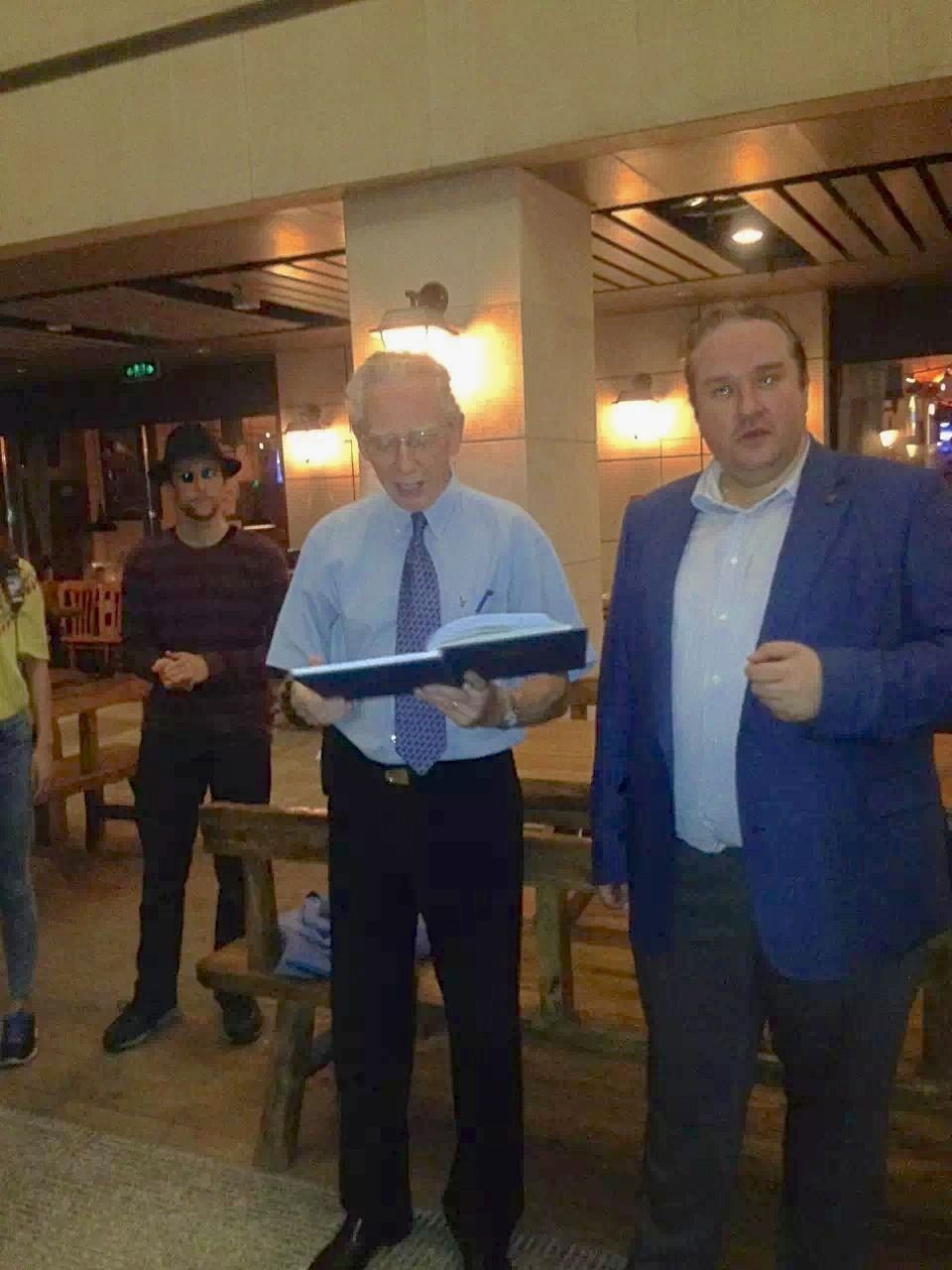
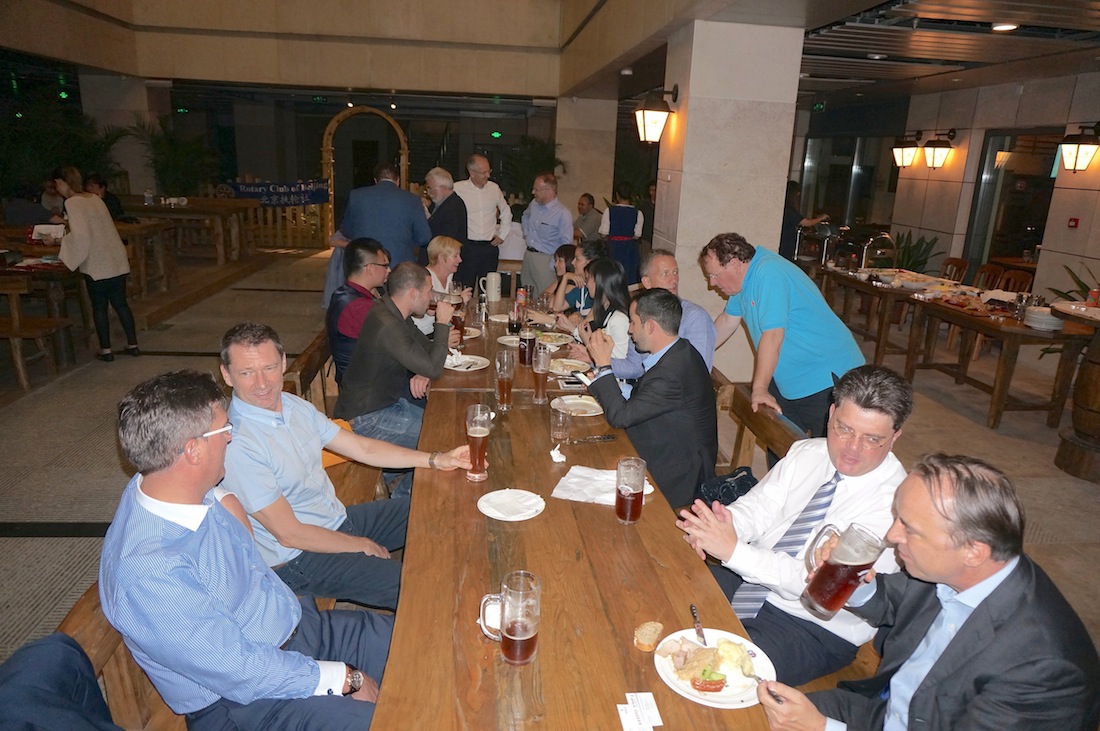
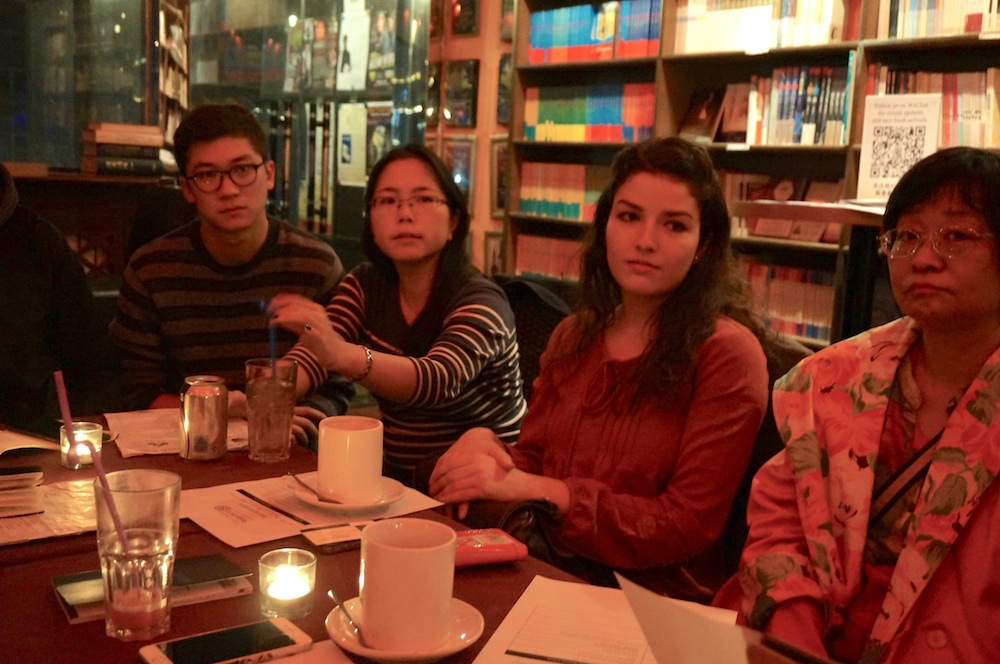
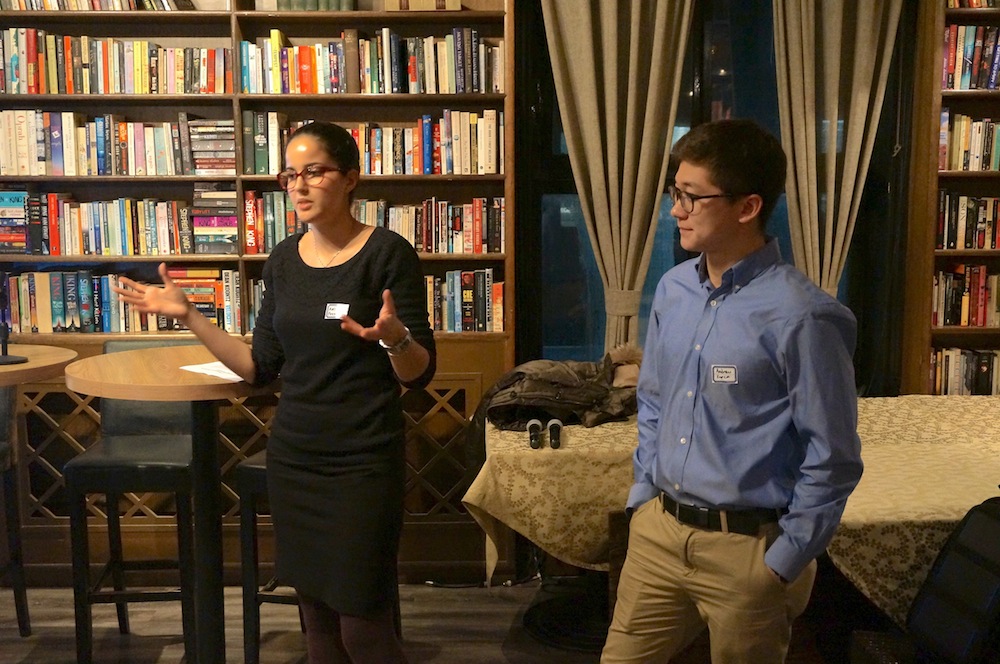
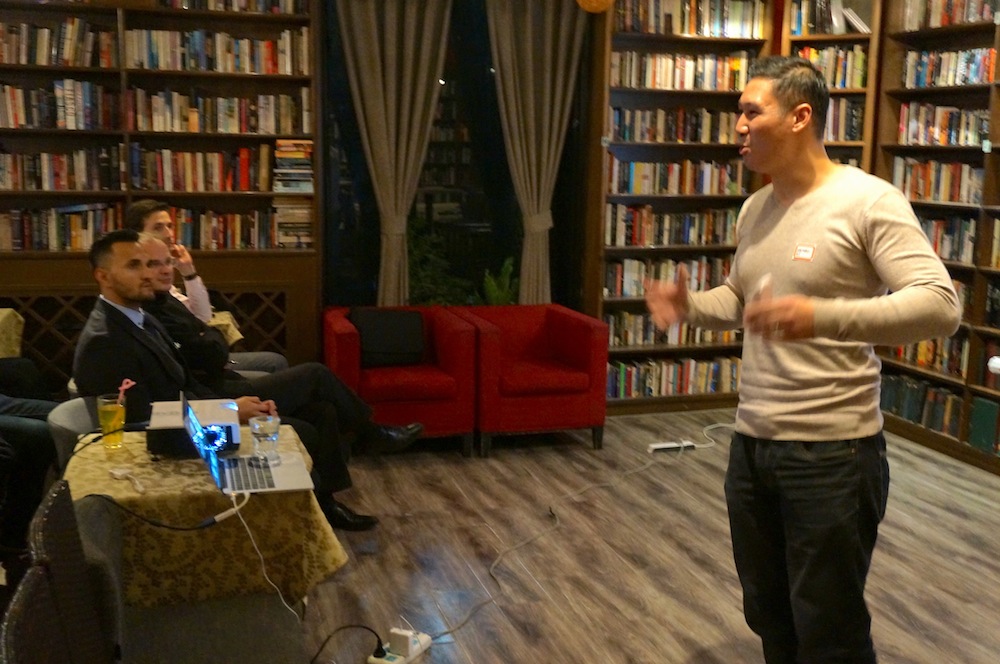
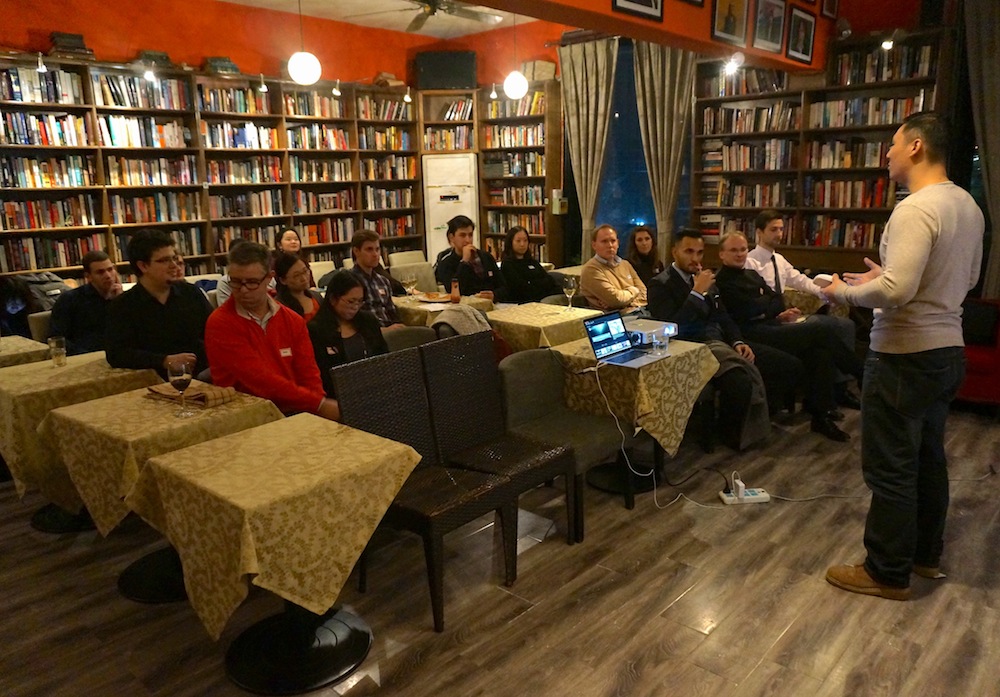
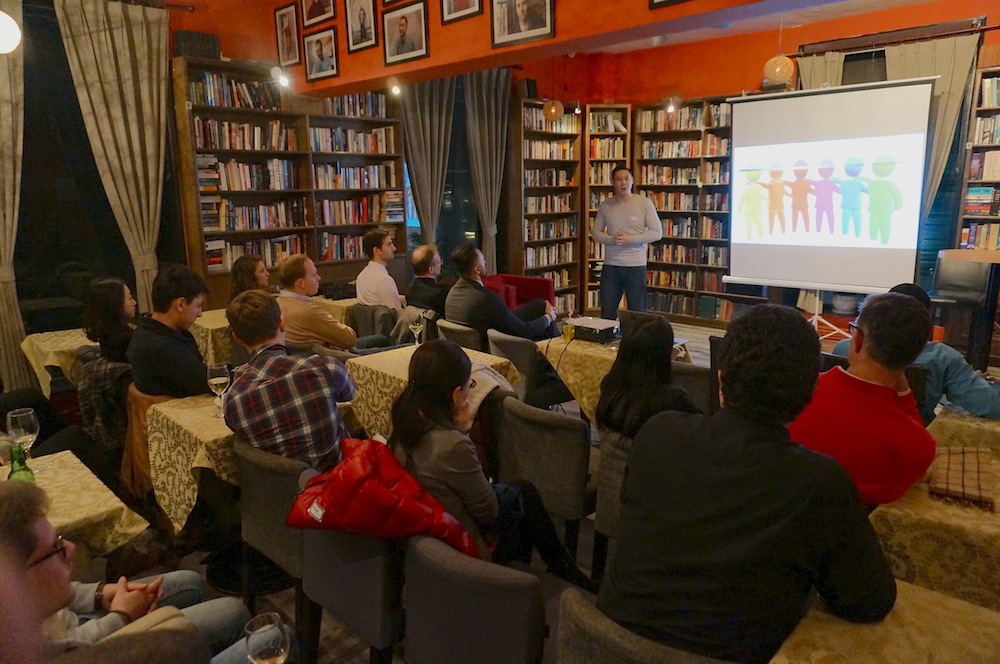
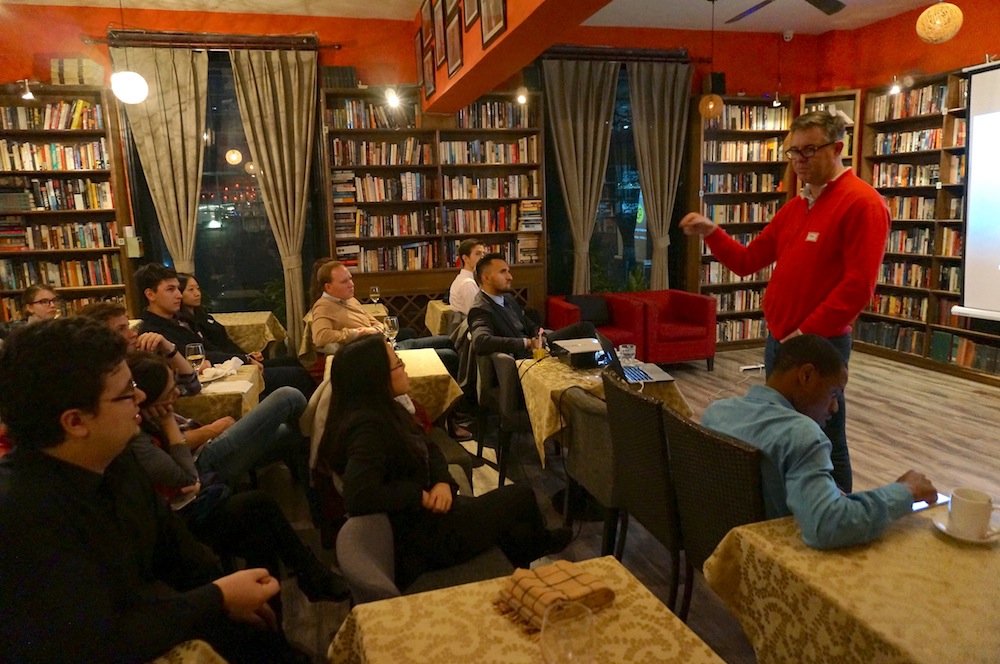
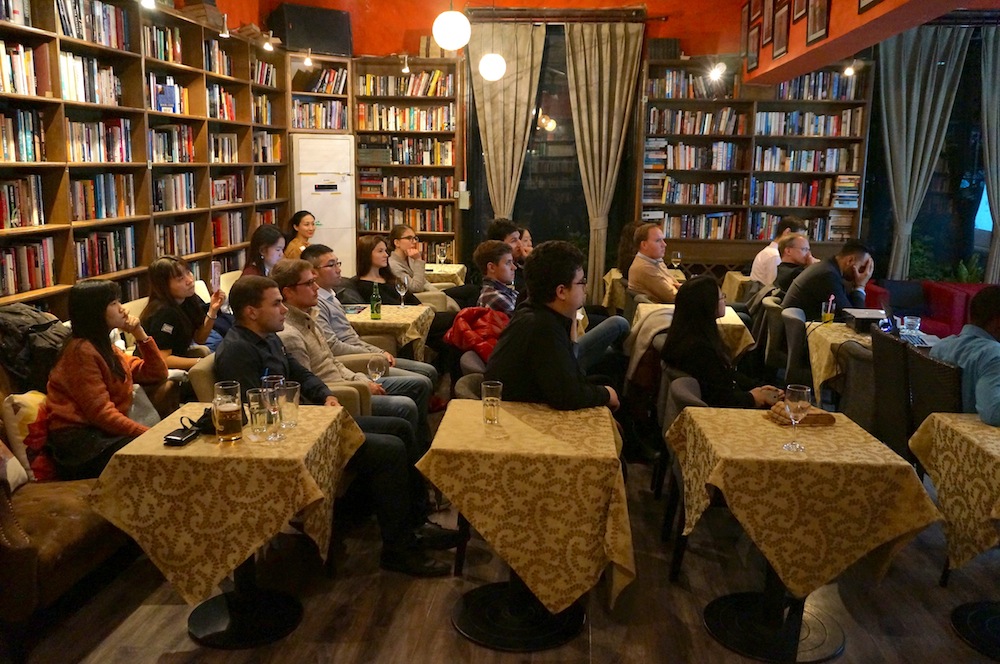
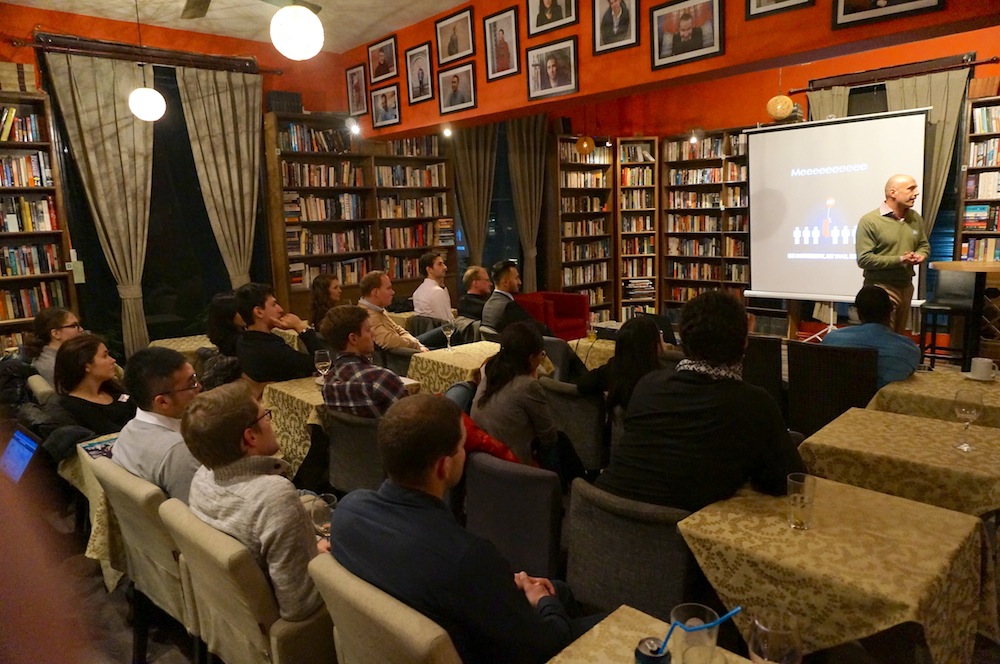
During our Tuesday lunch at the Kempinski, we had as speaker Ms. Philippa Jones, Managing Director of China Policy. Topic: Feeding China: you have not seen anything yet!
See here an overview by our Club:

China’s agriculture may have reached an inflection point. Grain production is at all time highs, as are reserves. Agriculture, like industry is suffering from overcapacity. But costs have skyrocketed and land in many areas is exhausted and, in some others, polluted. For the last thirty years the government has been more or less happy to let the agriculture system continue, and since accession to the WTO in 2001, has gradually increased subsidies to support prices. This is now changing. Funds are being directed to the countryside and a massive legislative agenda is underpinning an aspirational desire for change on the part of the state.
Changing diets, as incomes grow, are also driving agricultural change. China own production of corn, mostly used for feeding pigs, and its imports of soybeans (60% used for animal fodder) have risen sharply.
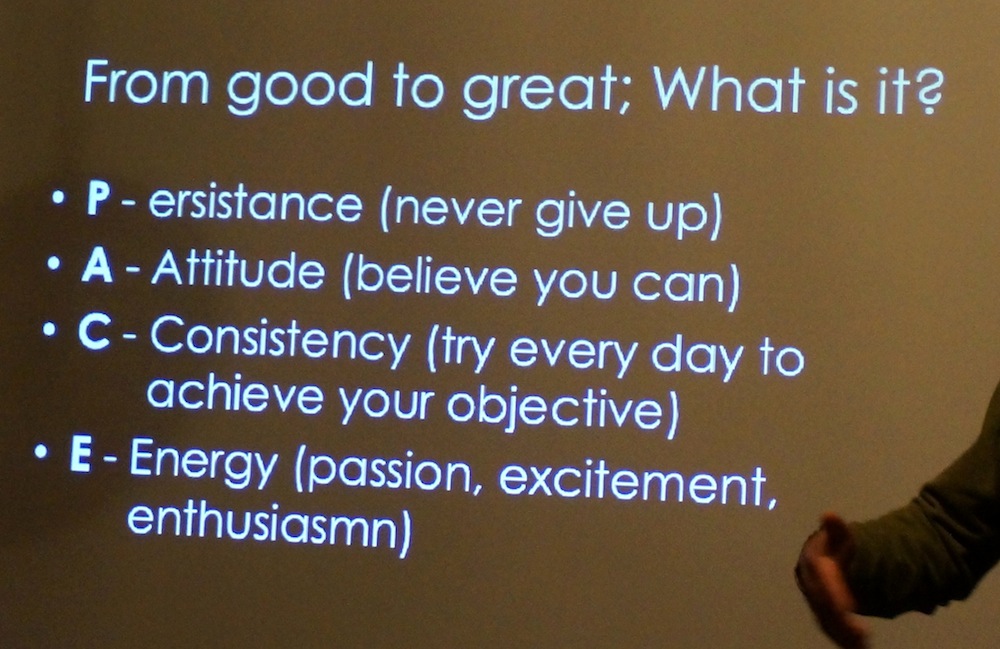
The presentation illustrated changing production and imports of basic commodities, compared China’s production to the rest of the world, described the dilemma of price support amid rising costs, including storage of reserves and detailed the post-WTO accession rise of subsidies.
To counter the issues facing agriculture the administration has an aggressive agenda to upscale farms, increase mechanisation, make full use of big data, introduce e-commerce, consolidate markets and last but not least elevate peasants into professional farmers.
This new agenda is being implemented against many insuperable obstacles. Land reform is a central problem. Many in government and the Party cannot sanction the possibility of a landless class of peasants, should land become freely saleable. As young people settle in the cities, the countryside lack incentives to bring them back home. Xi Jinping himself has asked who will feed China? Constraints of exhausted land and lack of water will only exacerbate the situation.
Philippa expects a bumpy ride over the next few years as new models are tested ,and China attempts to integrate further into global agricultural markets.


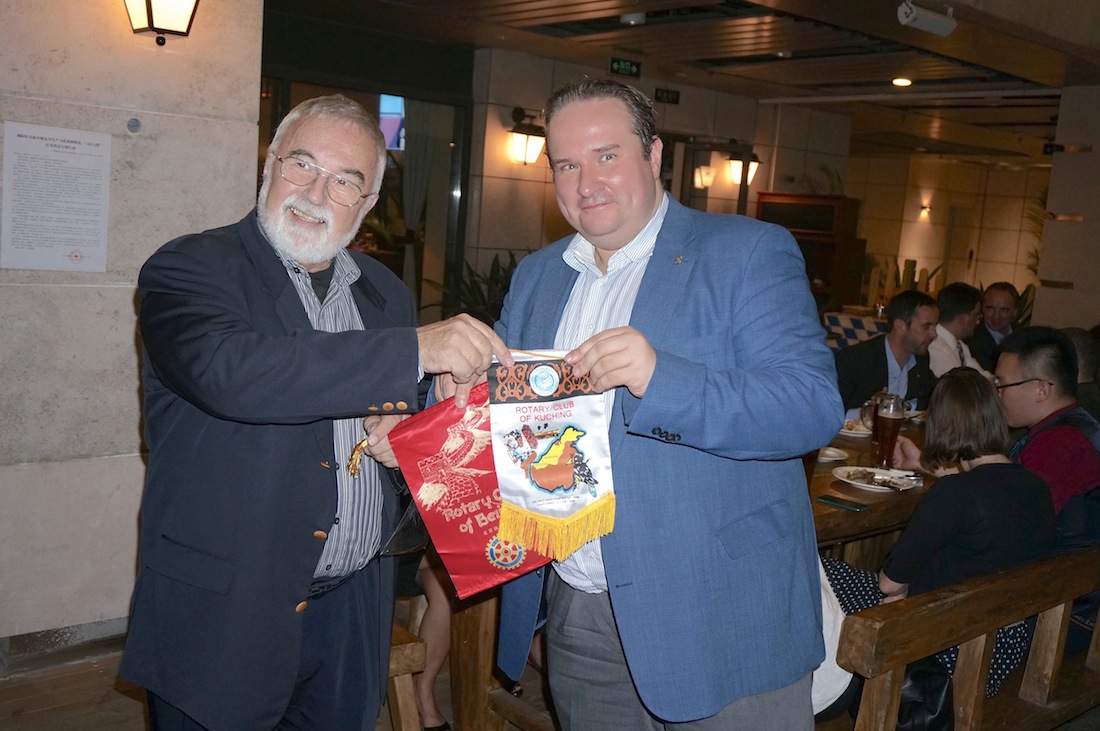
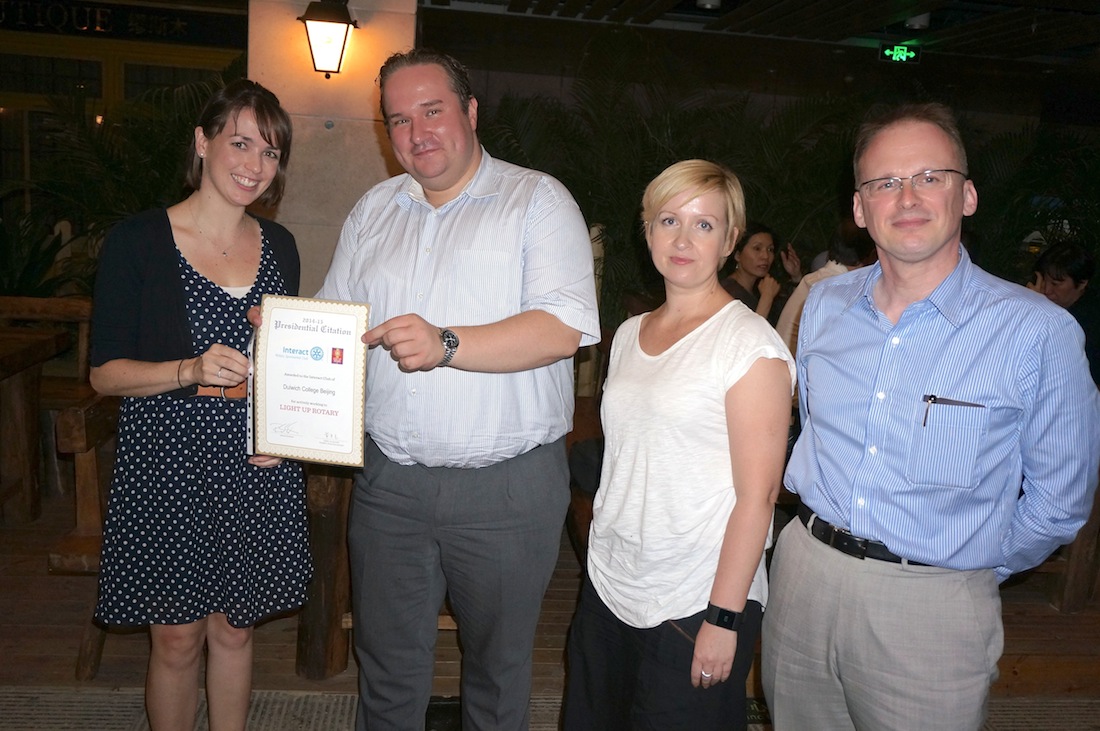
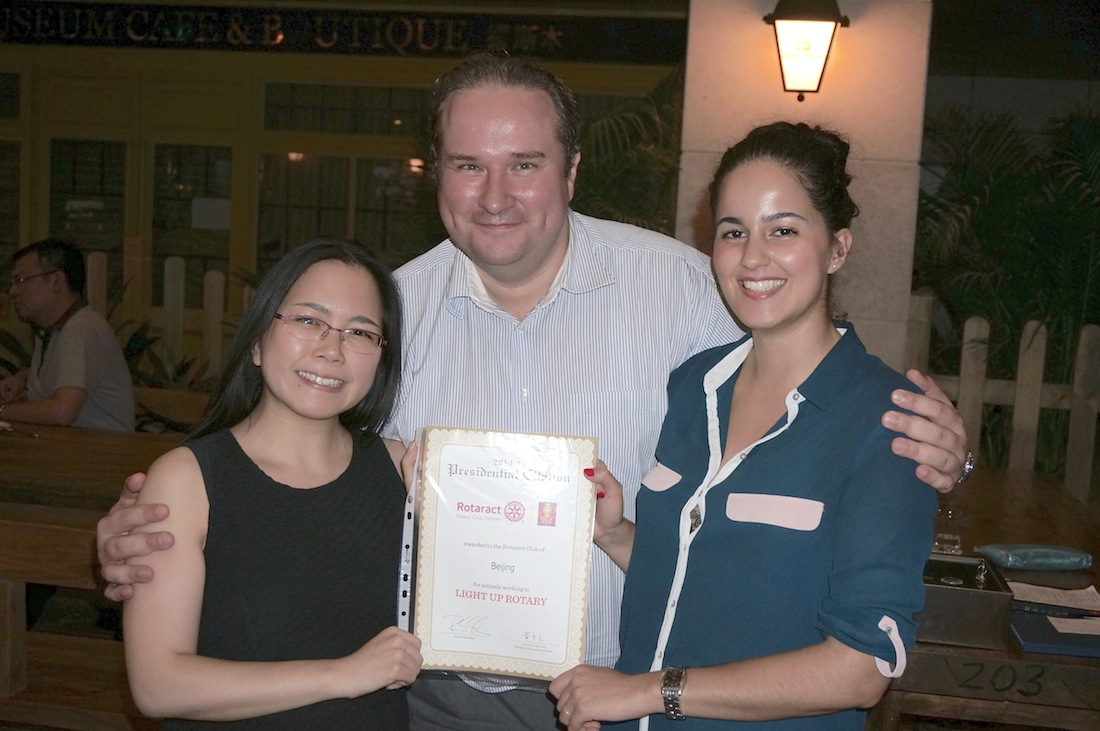
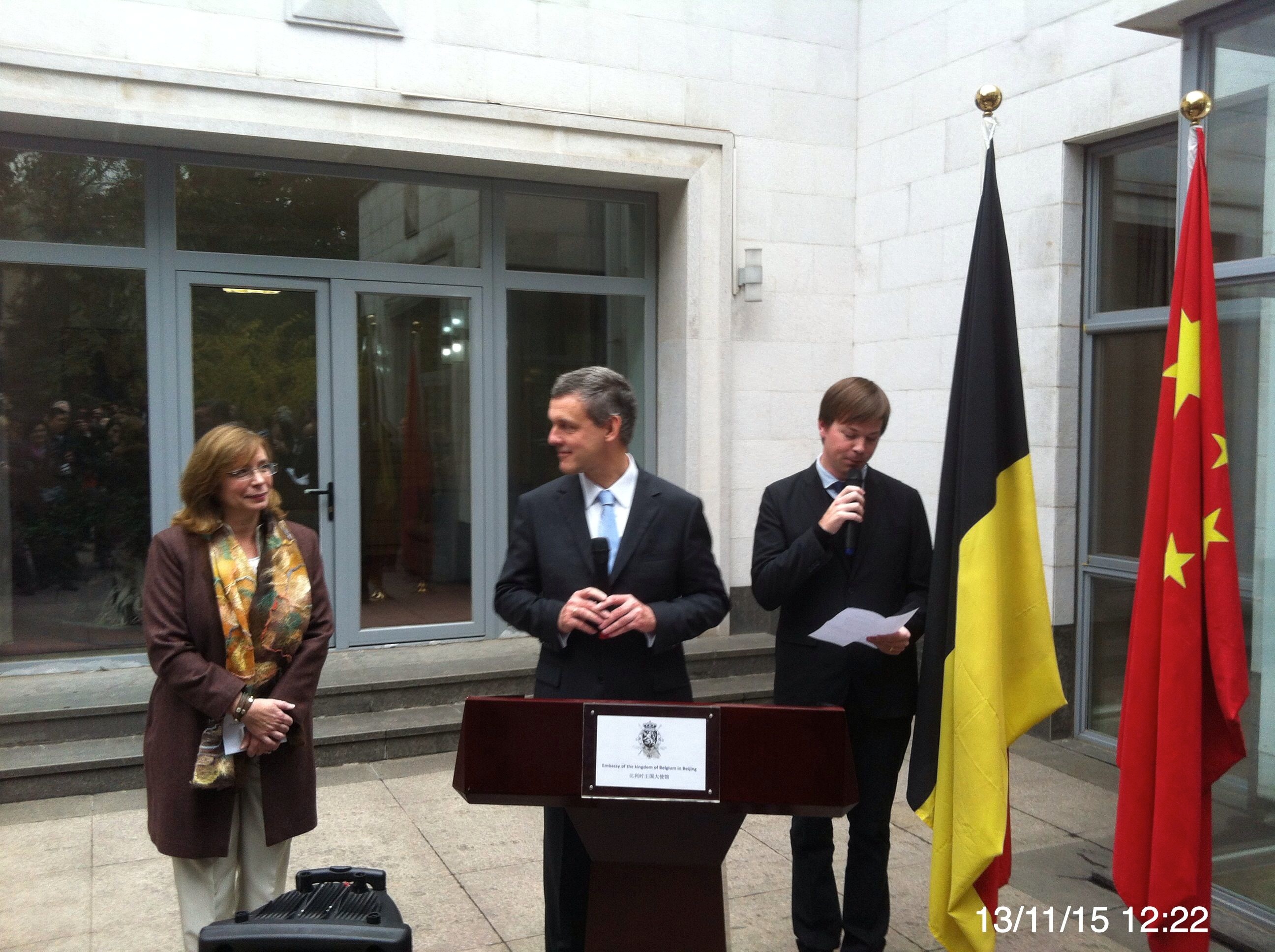
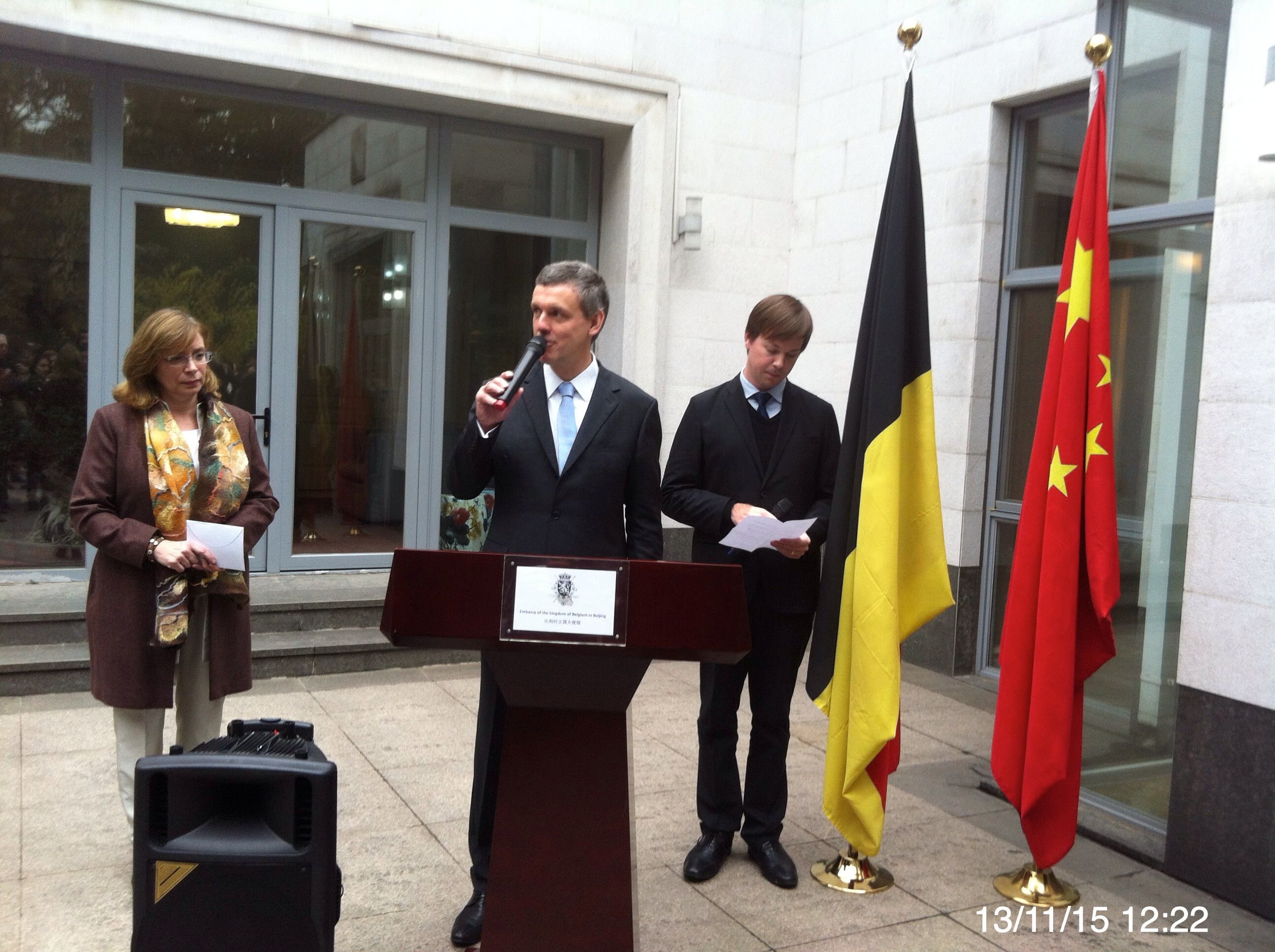
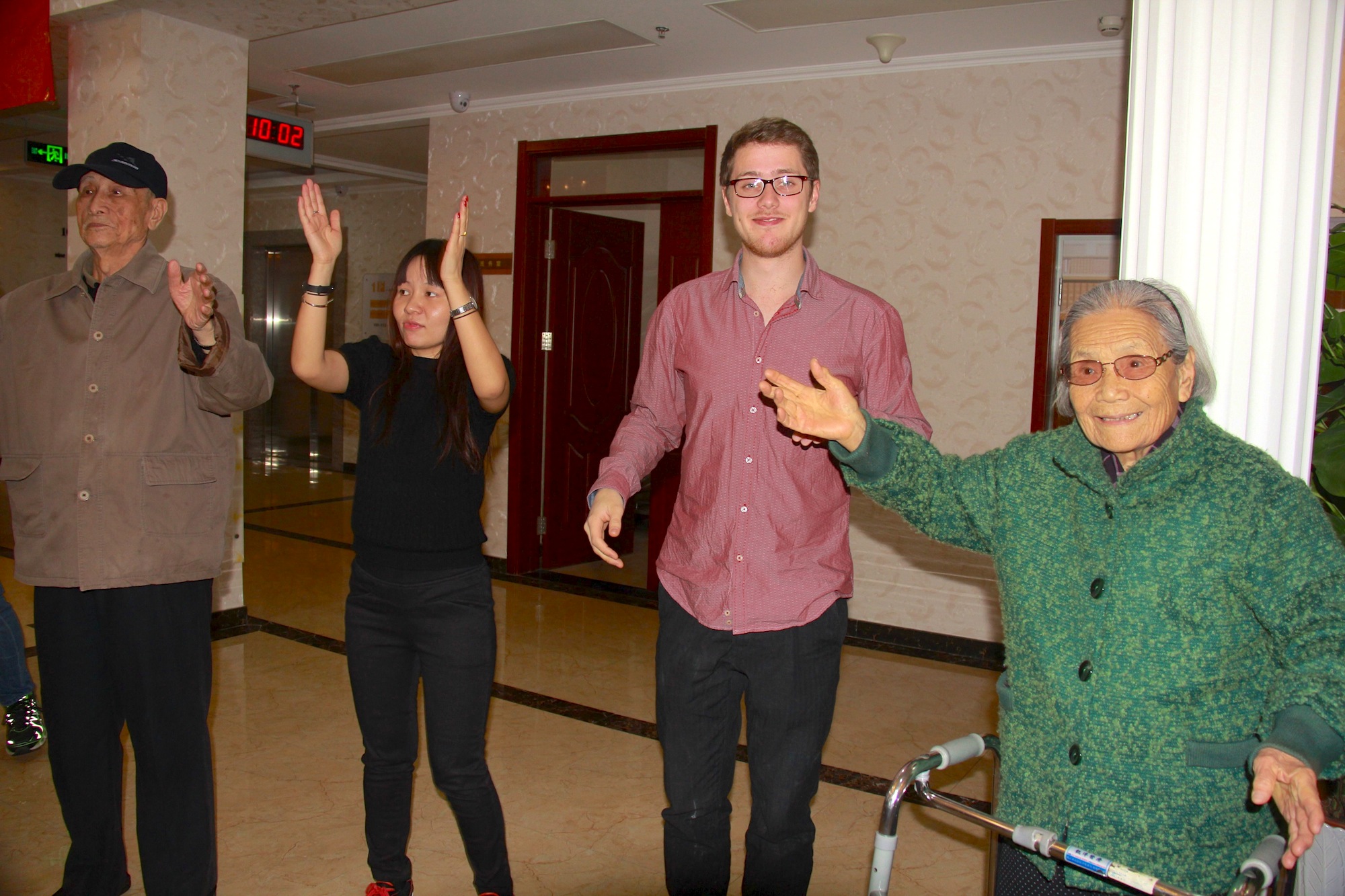
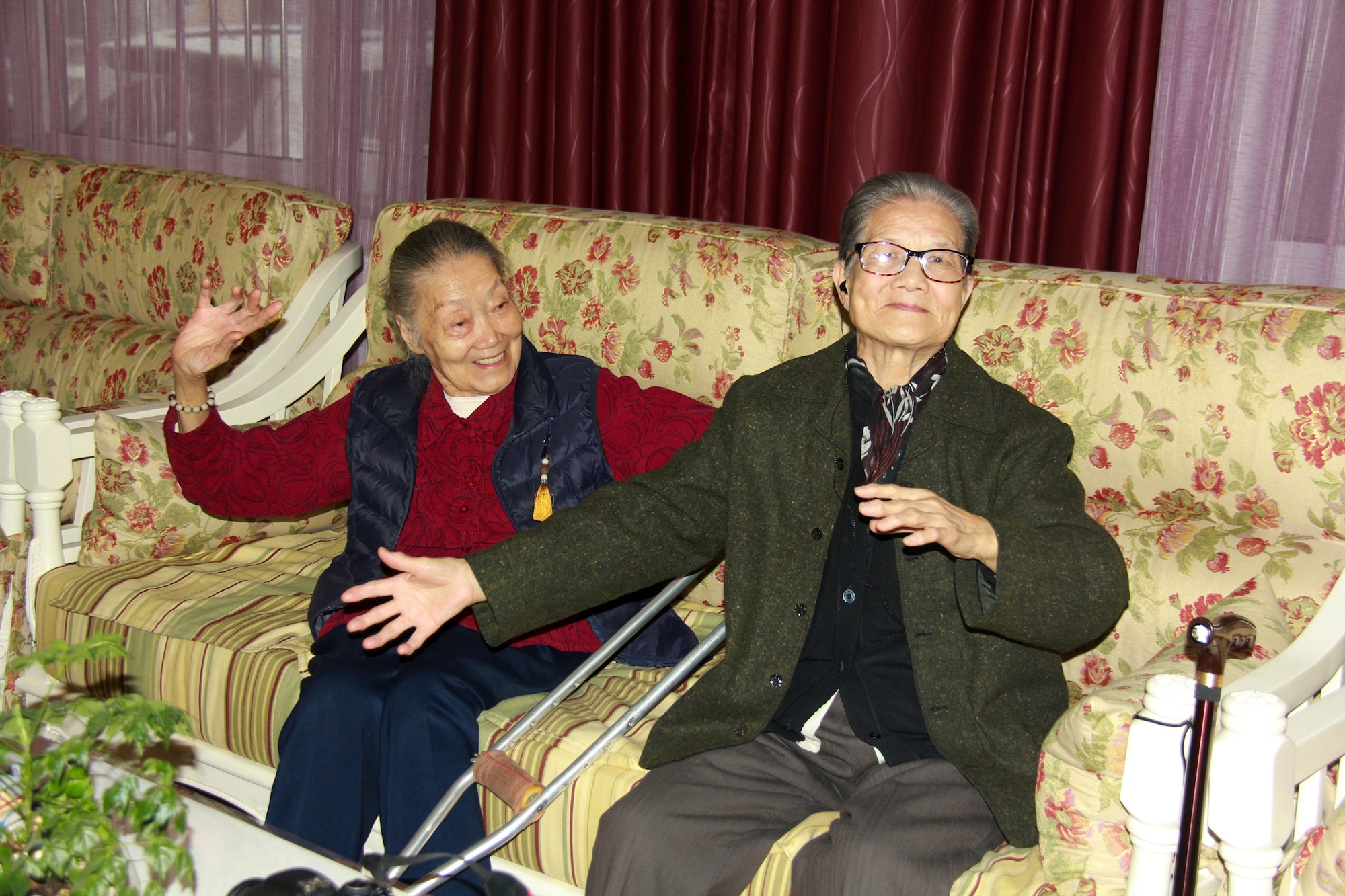
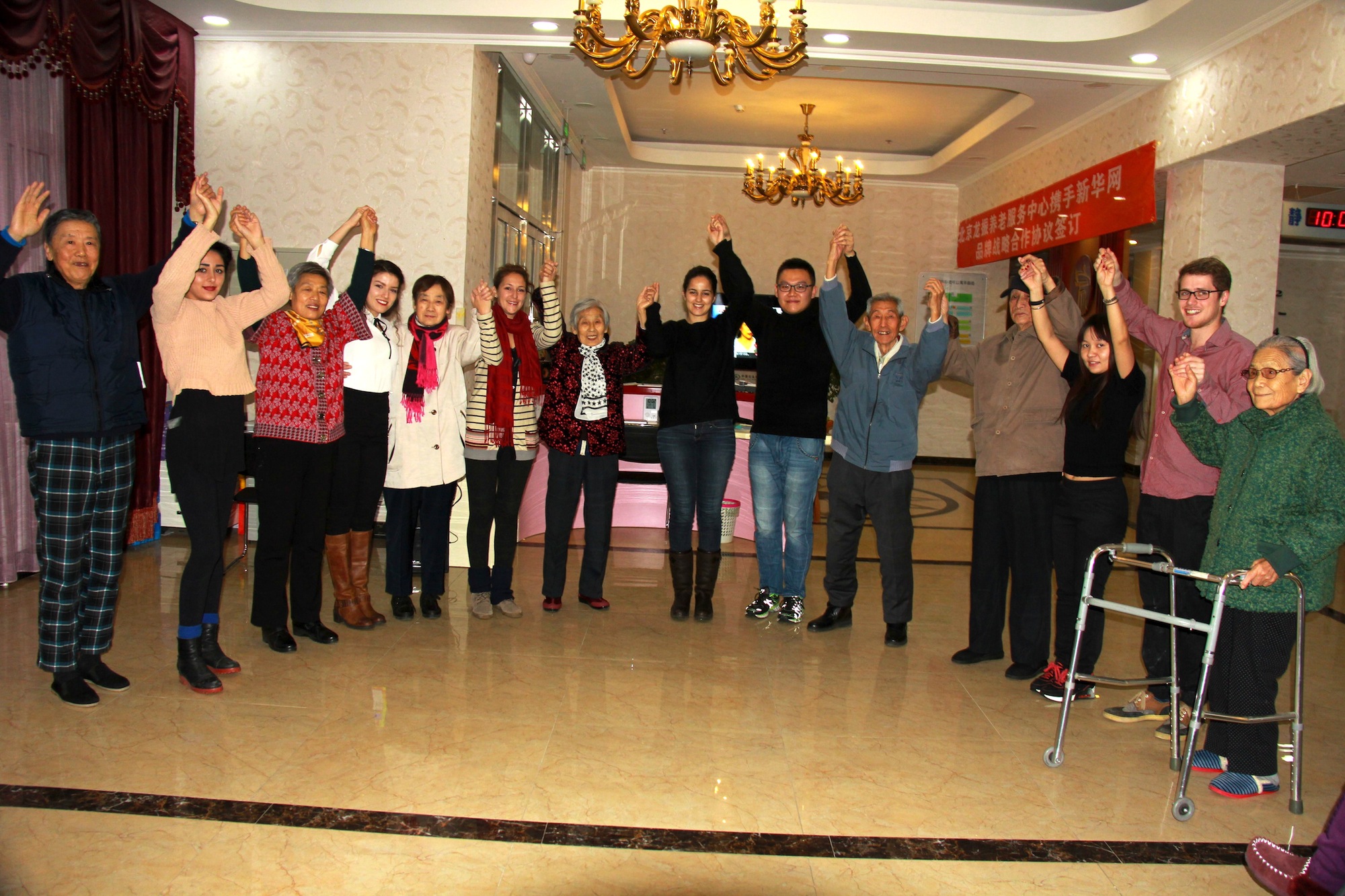
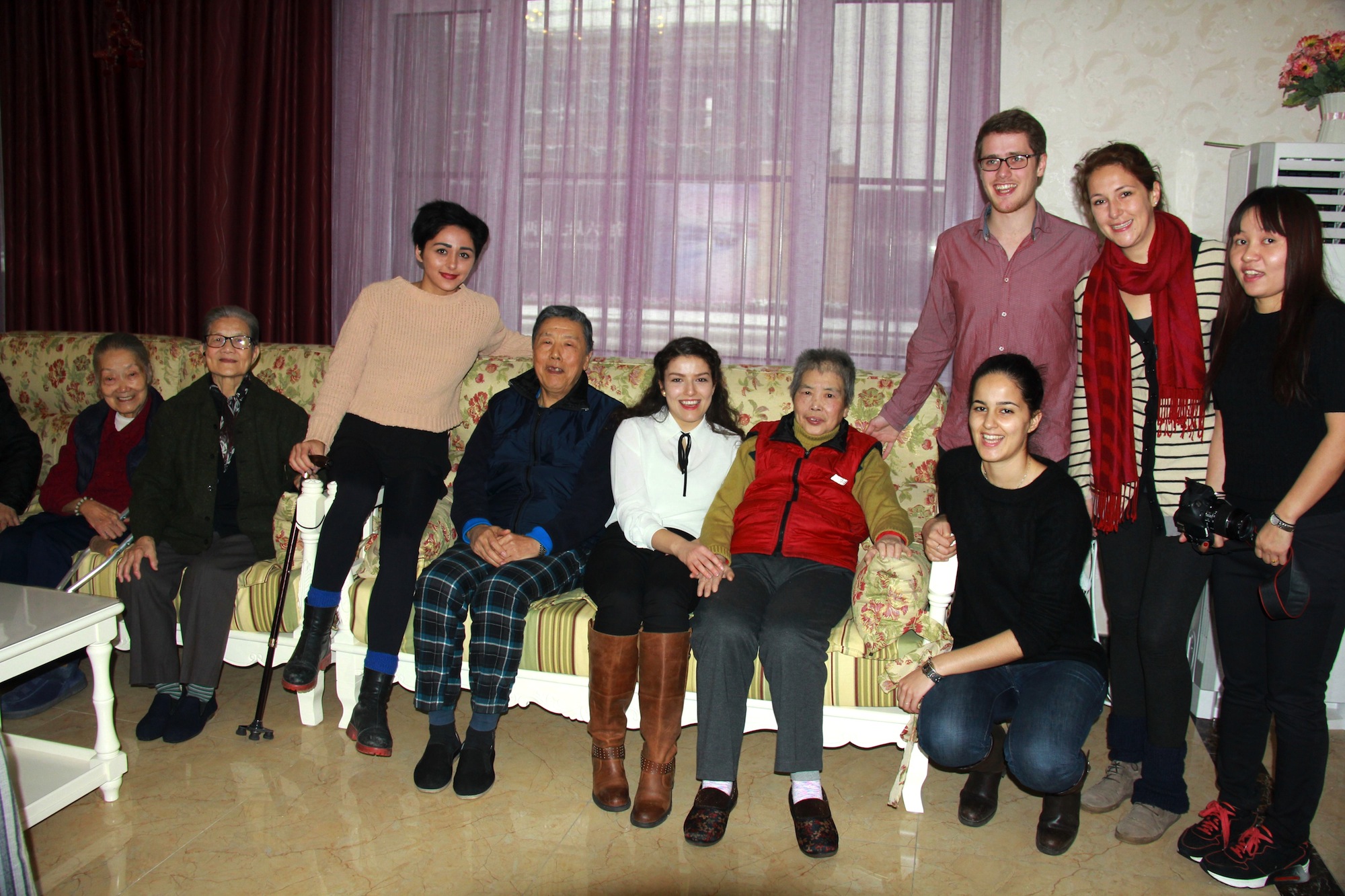
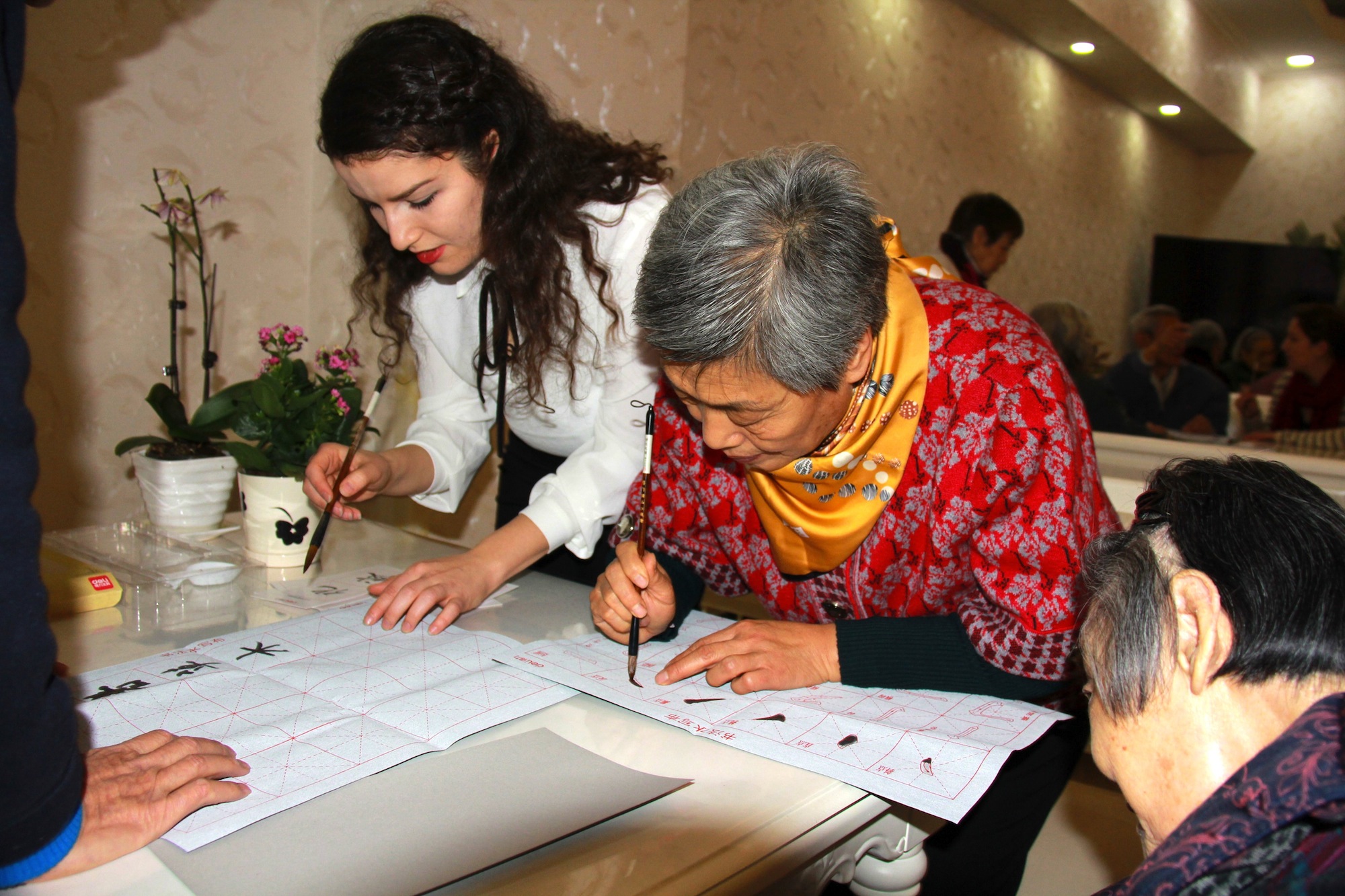
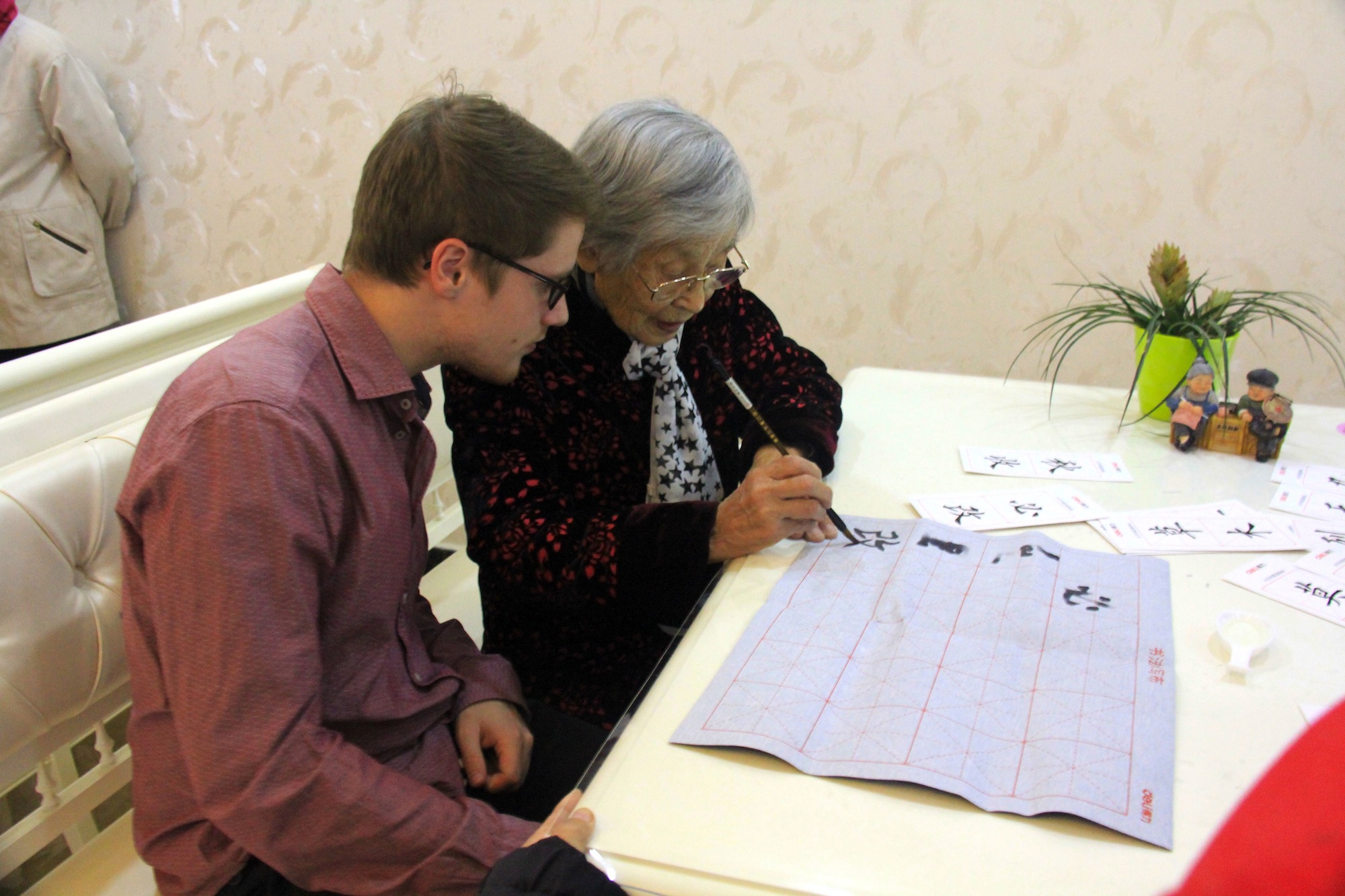
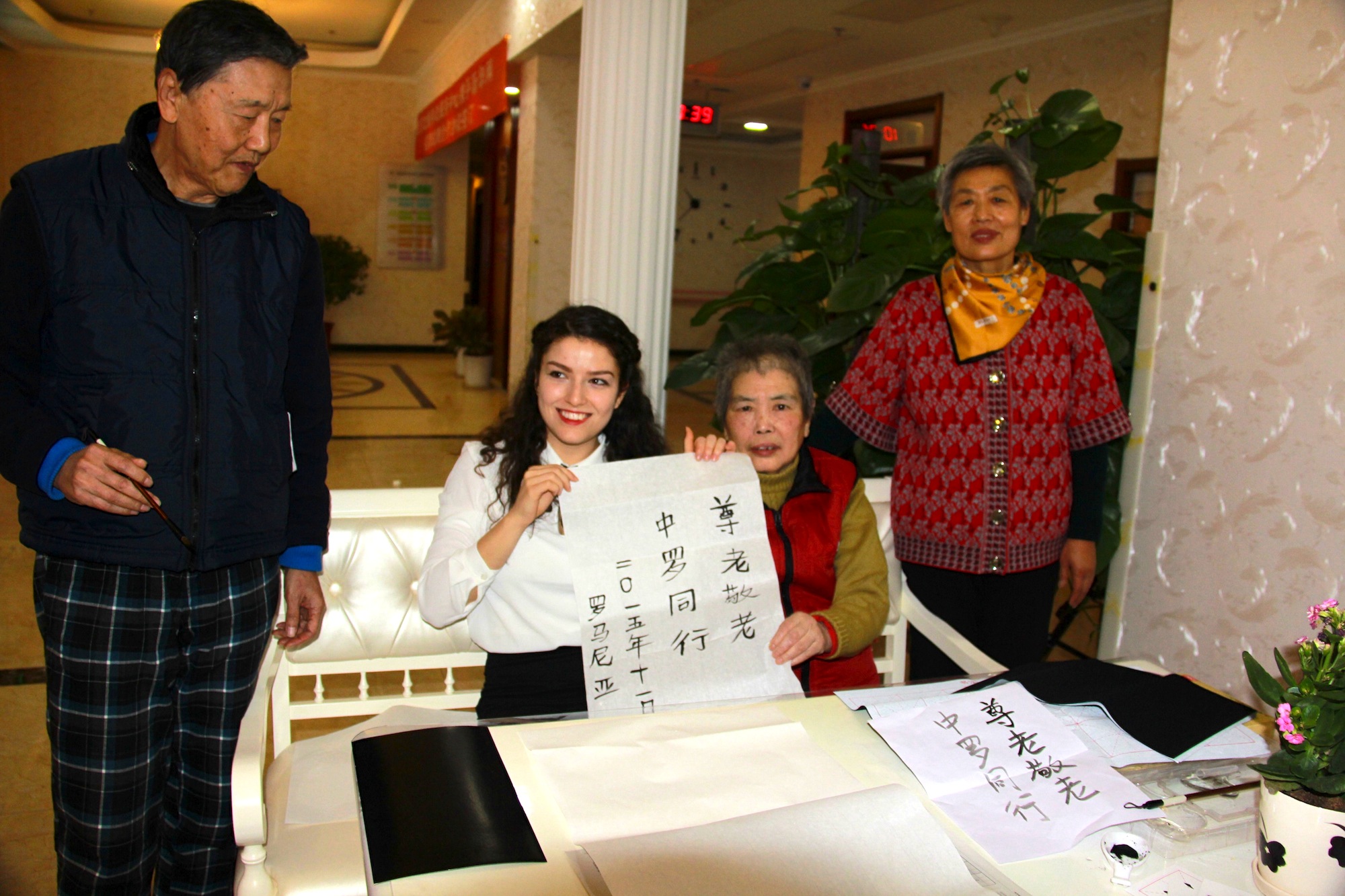
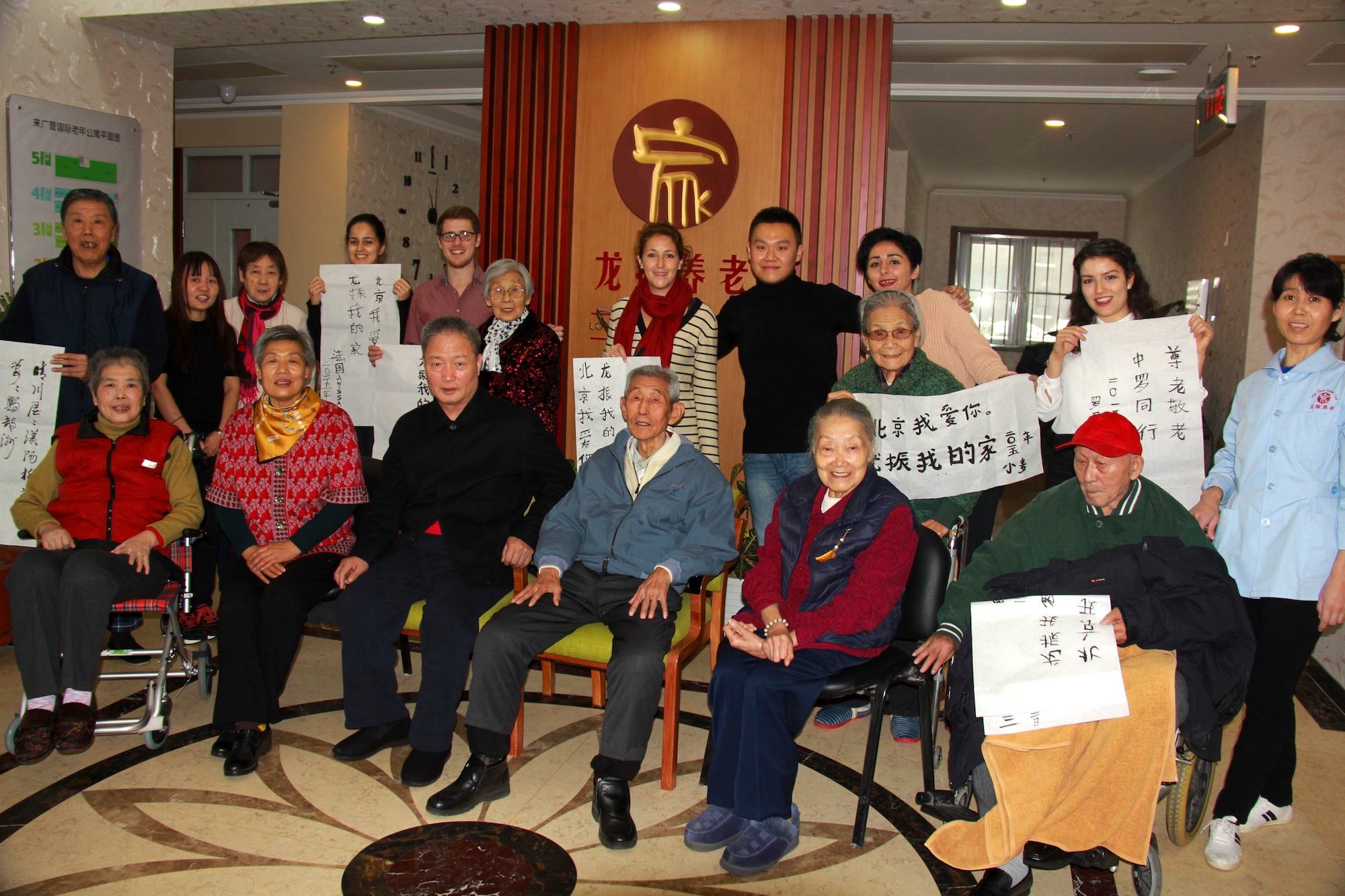
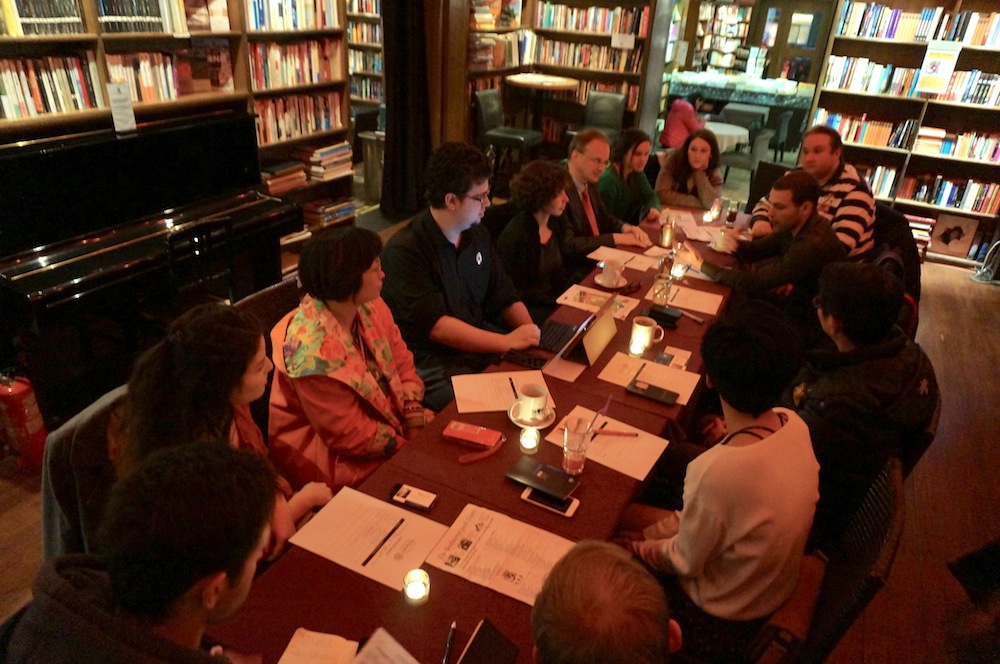
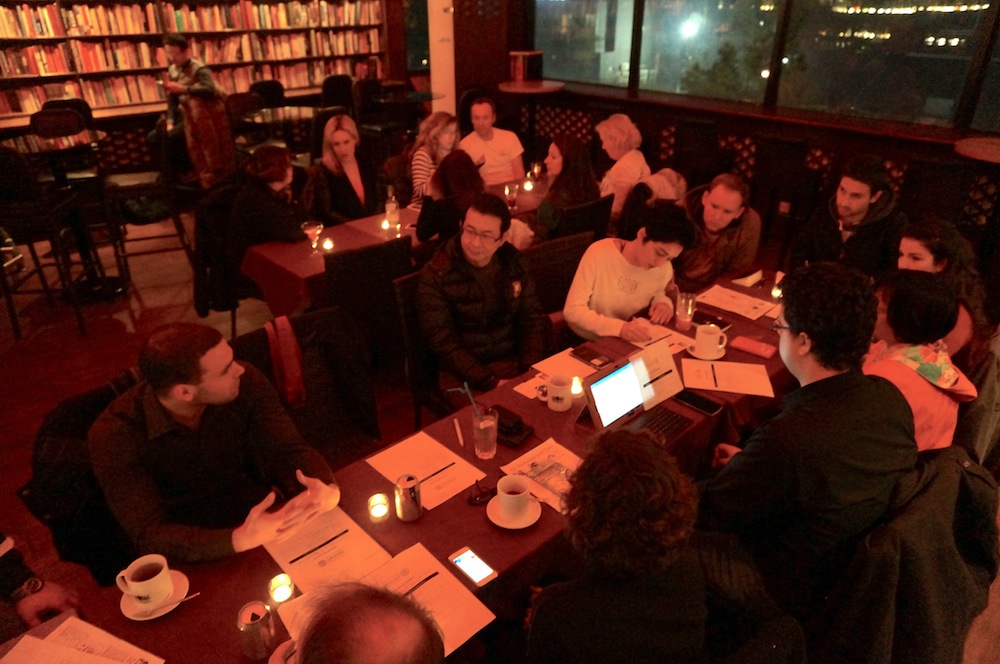
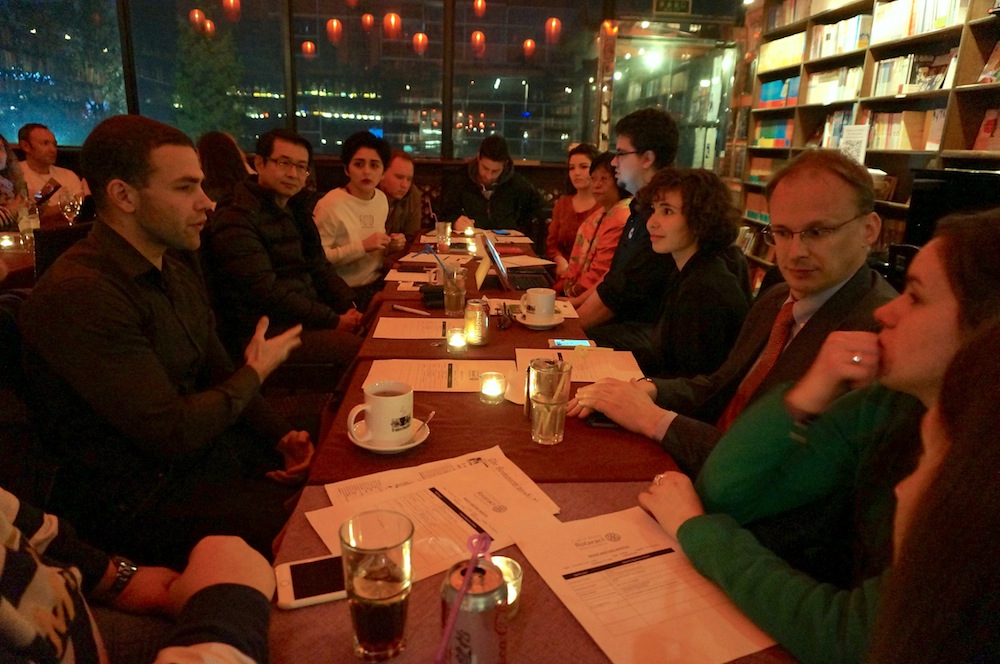
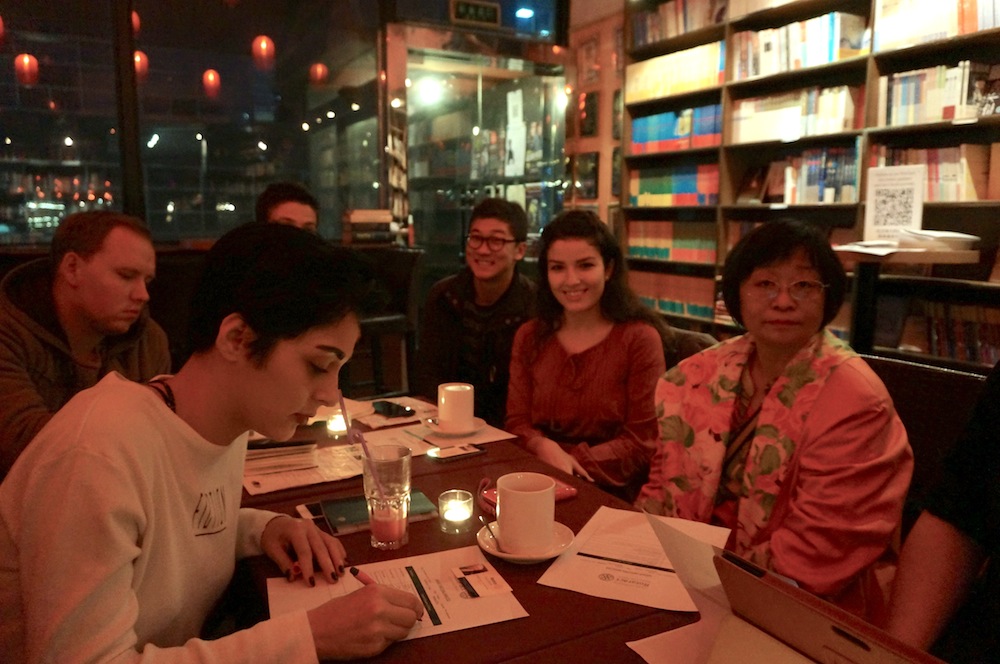
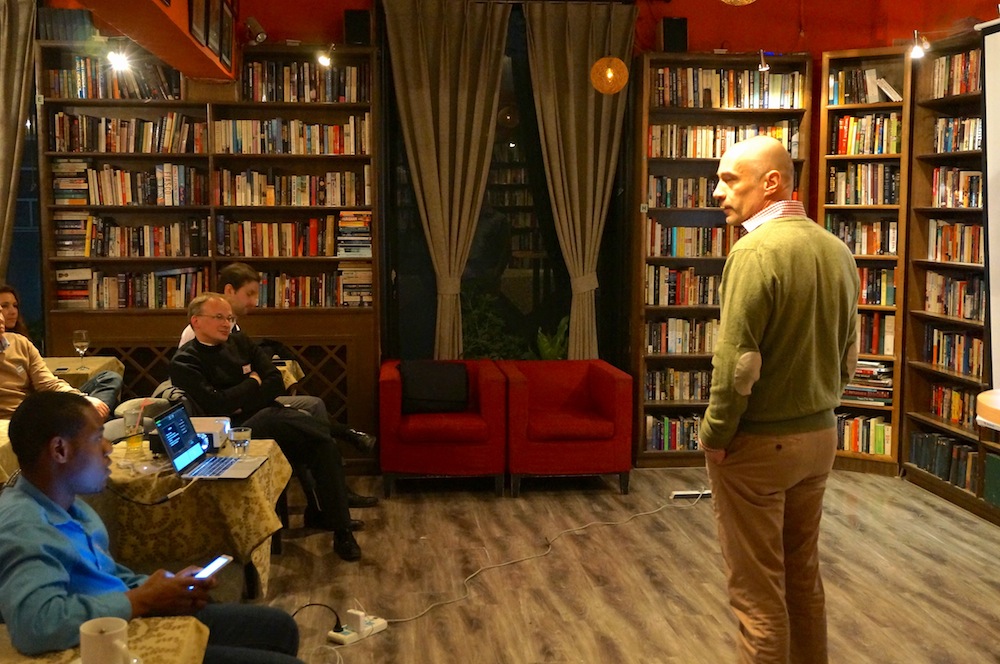
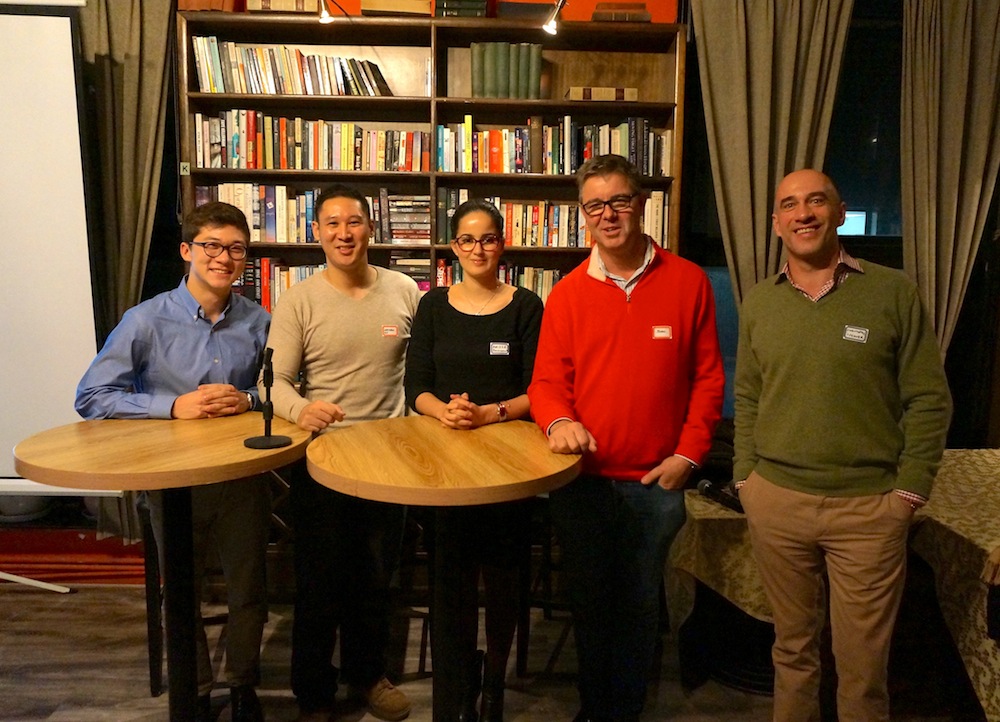
(thanks to Celine for the pictures)
I also gave a short comment on my trip along the Yangtze River.

Yeah, not Christmas yet but we have a white Beijing!

Snow is rather rare in dry Beijing but this Sunday 22 November I woke up to a white Julong Garden

Now later I have to jump on my bike…

Exploring Zeit Berlin, German restaurant

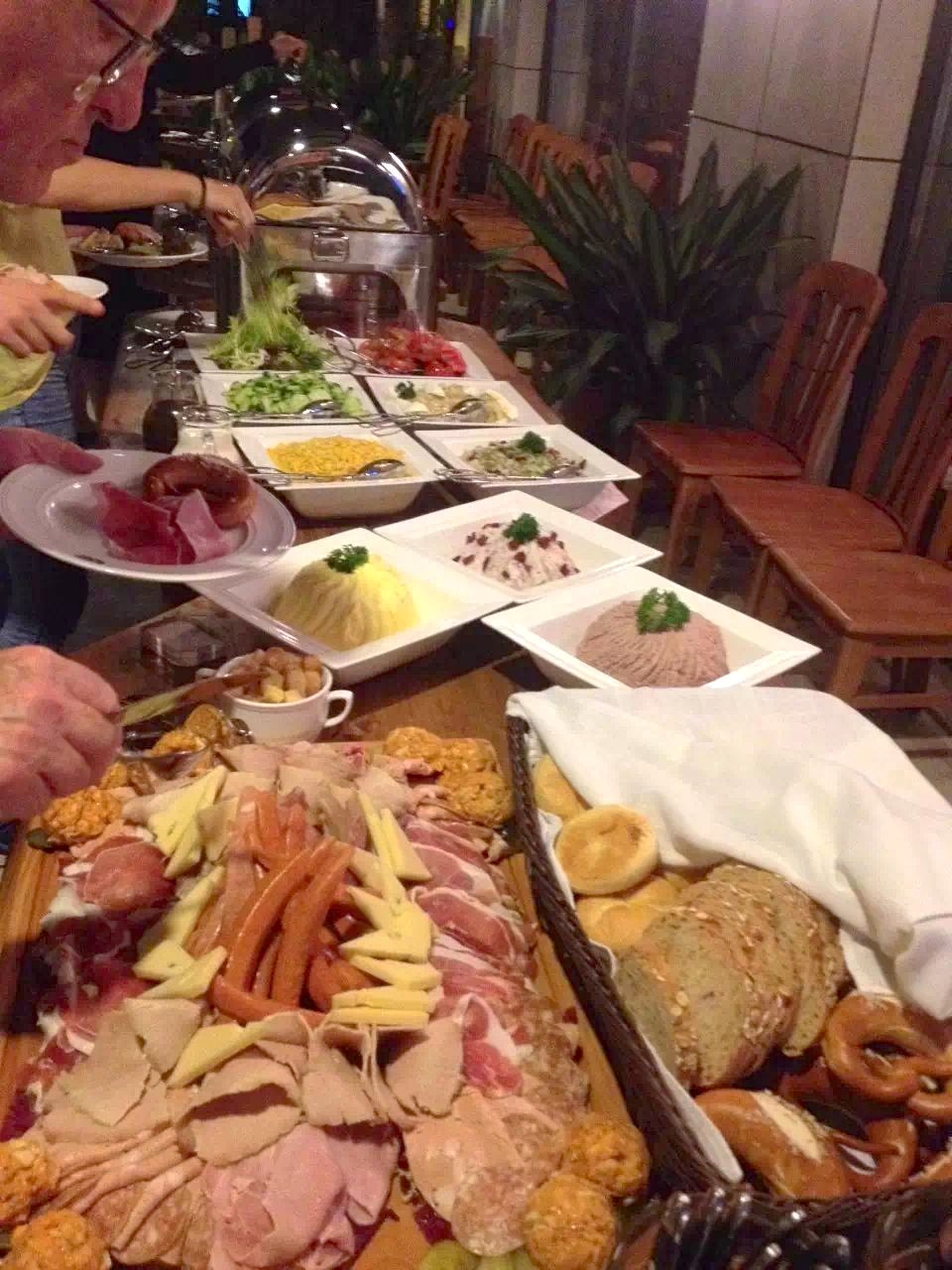
I finally found the restaurant, close to the Marriot North East Hotel in a rather dark alley. One has to know… Off Xiaoyun Lu. Pretty big, rather empty when I was there with a Filipino band playing nearly for me alone. Good choice of German beers.

Did not try the food yet, they have the typical variety of German dishes. Said to be run by a Chinese coming back from Germany. Prices seem reasonable but I wonder about the quality of the food: some of the dishes need to be done “freshly” and cannot be reheated, with so few clients that might be a question mark.

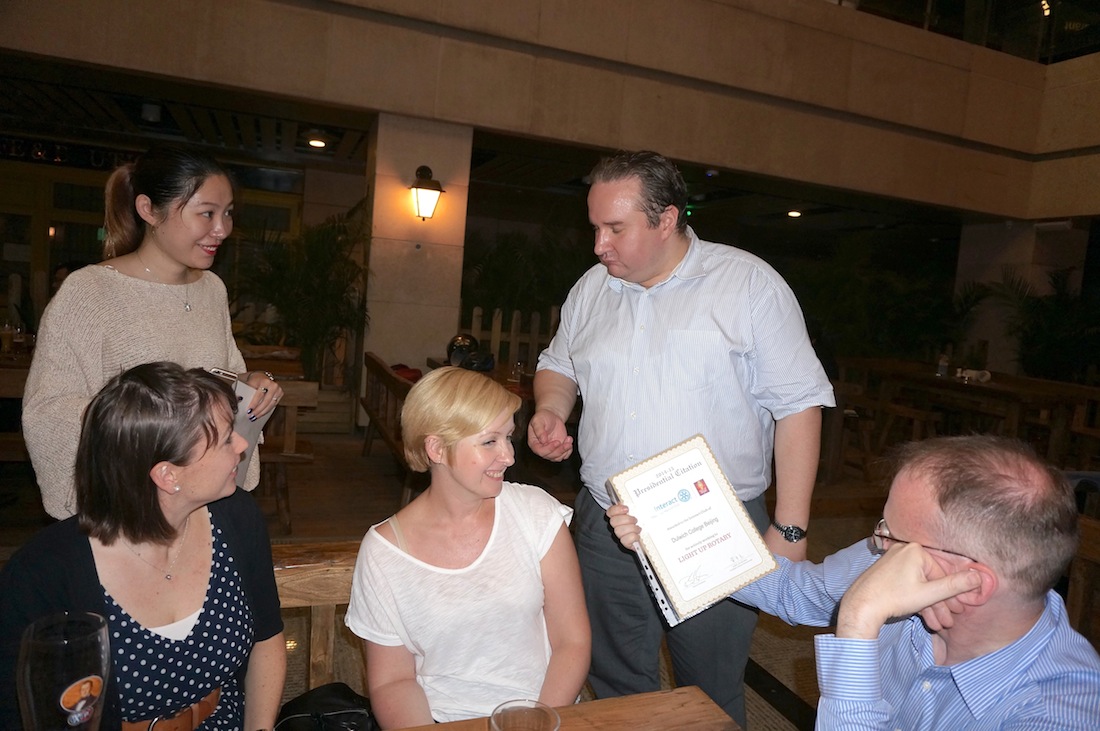
Old China Hands 9 October

Just after the October 1 holidays – combined with the Mid Autumn holiday, everyone was either busy getting back to work or getting back to Beijing.
Anyway we were just over 20, not too bad!

Our next lunch is on Friday 6 November. I will be away from Beijing from 2 to 15 November to be part of the filing of a 3D documentary of the New Three Gorges”, another adventure. Colin will take care of the RSVP.

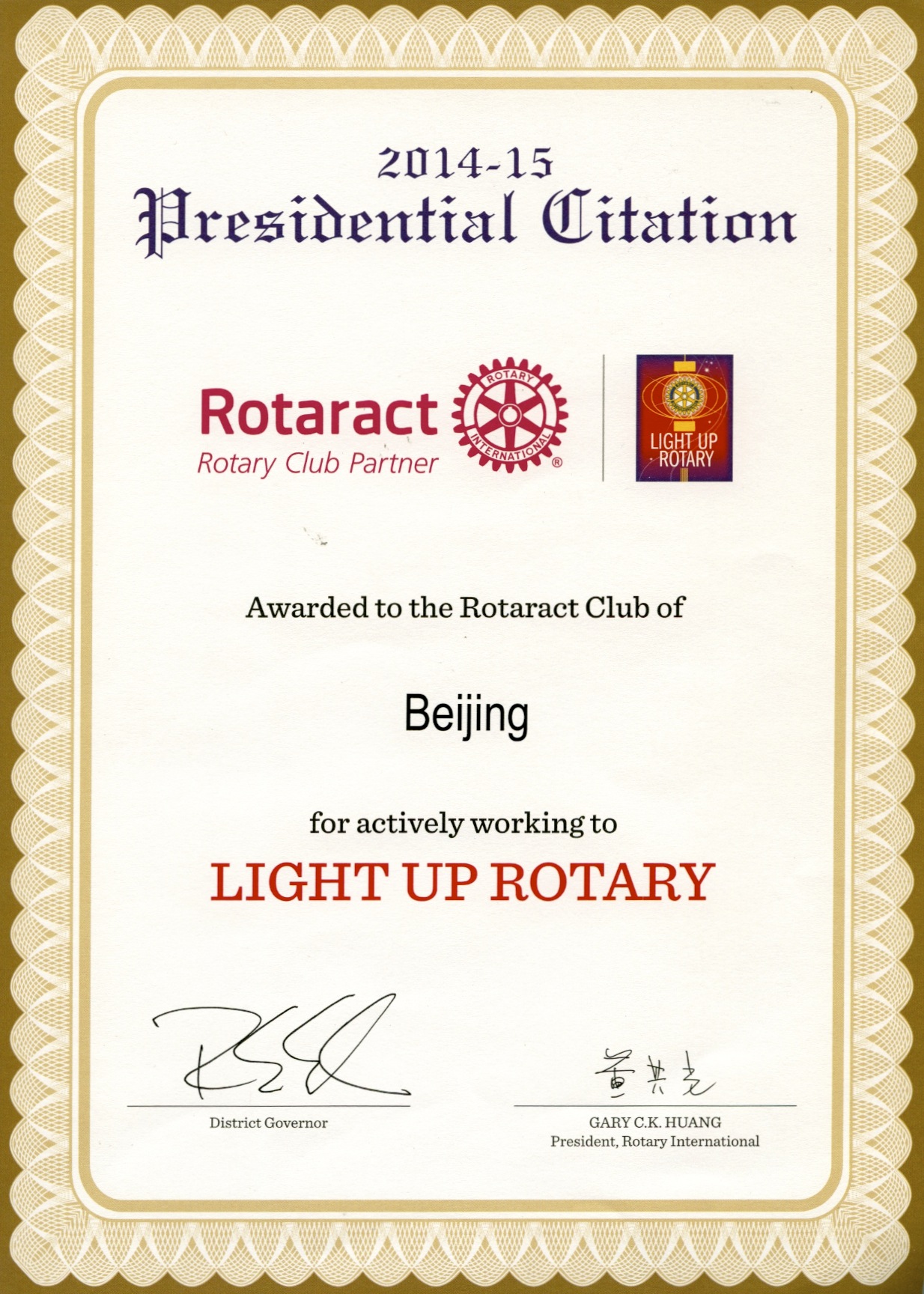
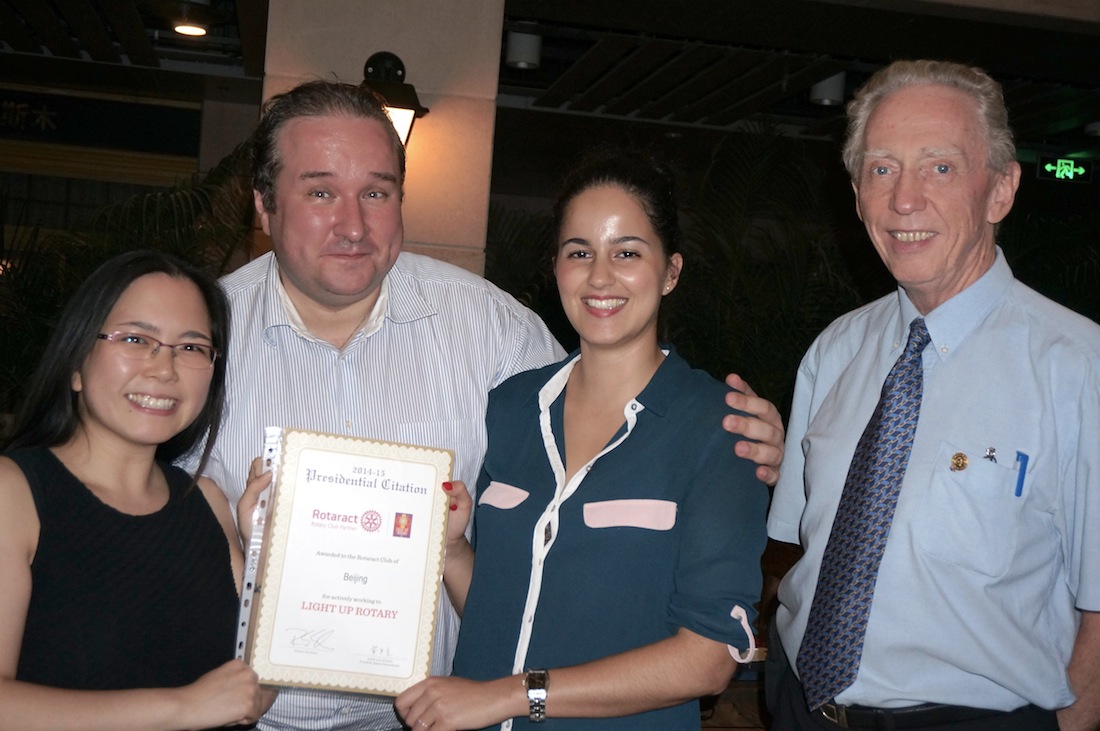
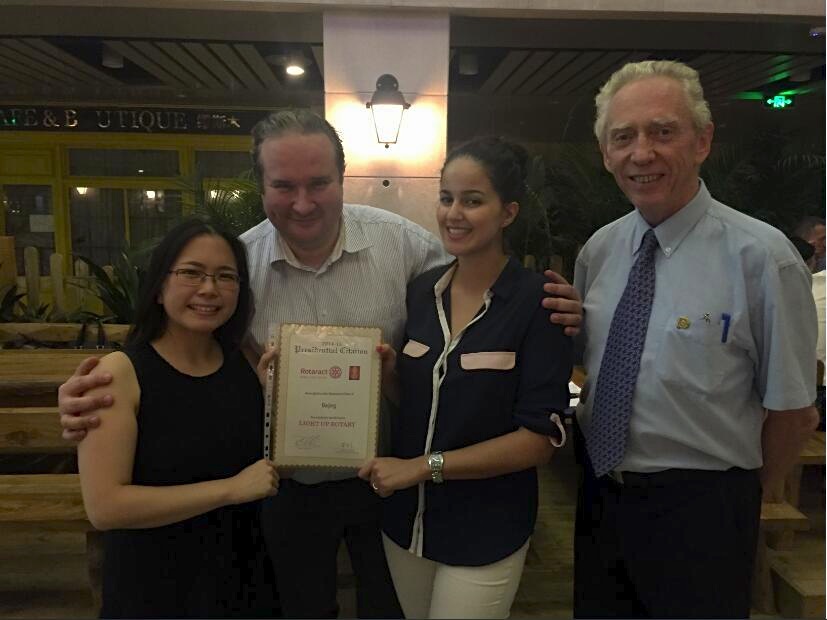
Rotaract Beijing back to full speed

During and after the quiet summer break, the new team of the Beijing Rotaract Club has been pretty busy.
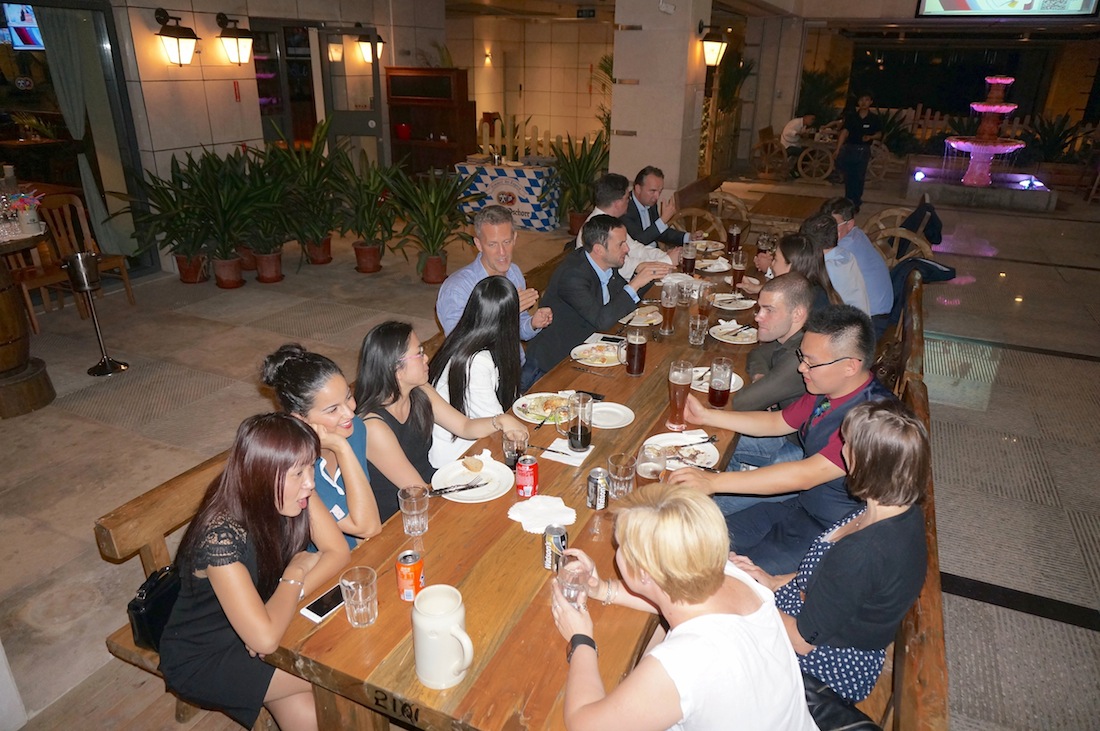
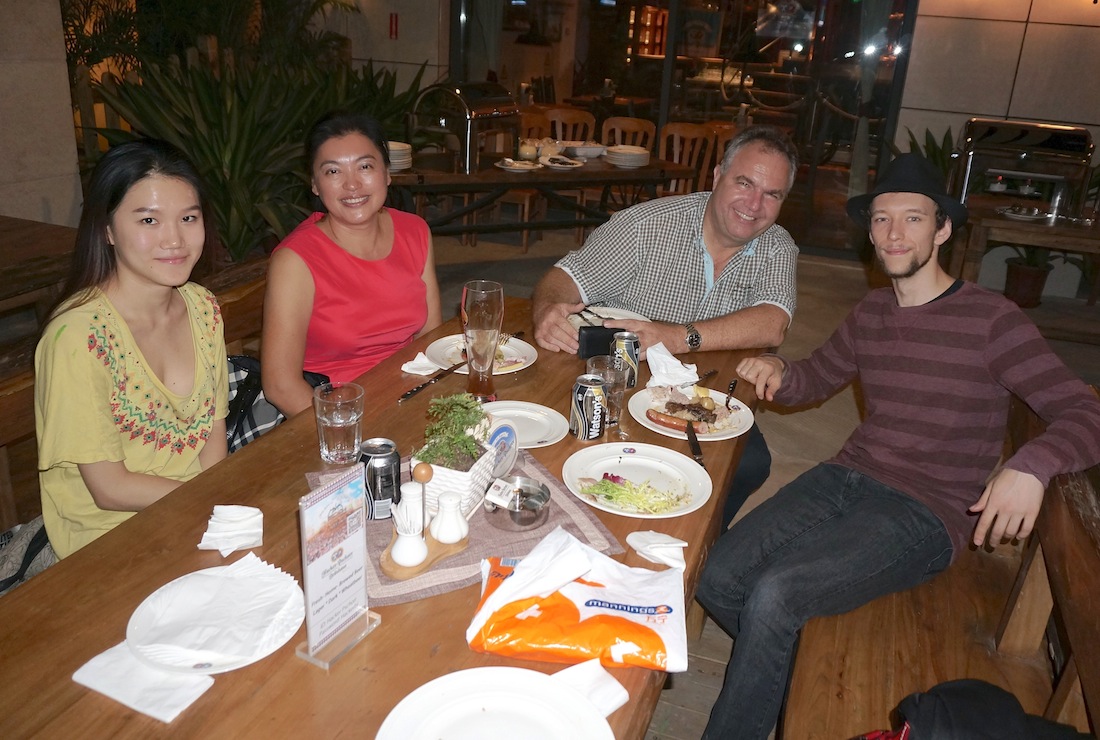
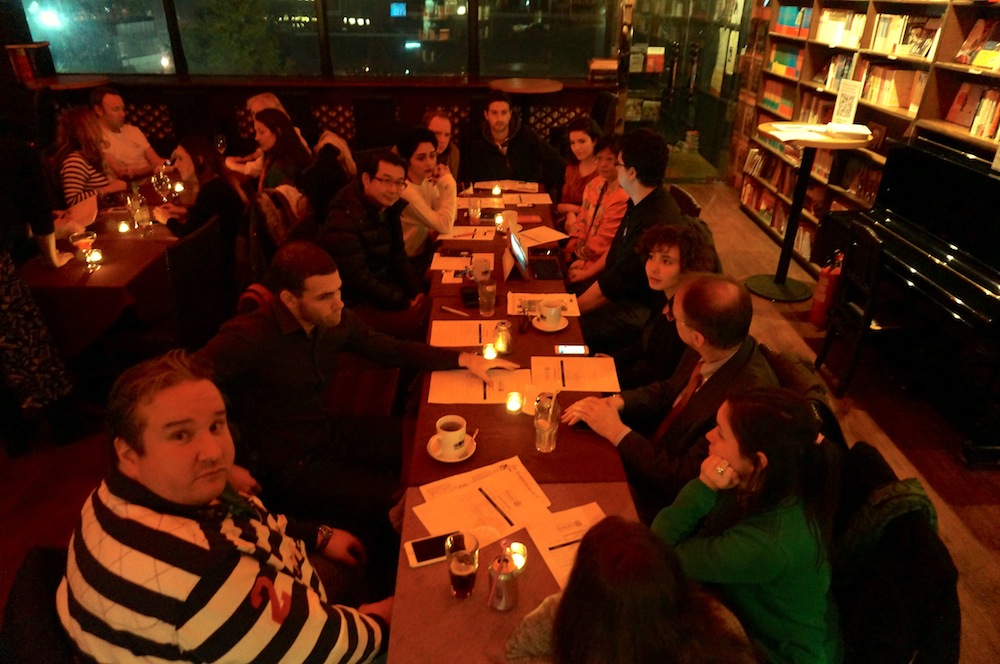
We had several good meetings: 20 July in Luga’s, 24 August, 28 September in Homeplate BBQ, 12 and 19 October in The Bookworm.

I will miss the upcoming meetings as I will be away from Beijing taking part in a documentary on The Three Gorges.