The unspoken disadvantage of the Chinese HSR

Many specialists but zero clarification

The unspoken disadvantage of the Chinese HSR leaves me puzzled and none of the so-called China Rail Buffs pays attention.
Here a pretty good introduction about the impressive Chinese network:

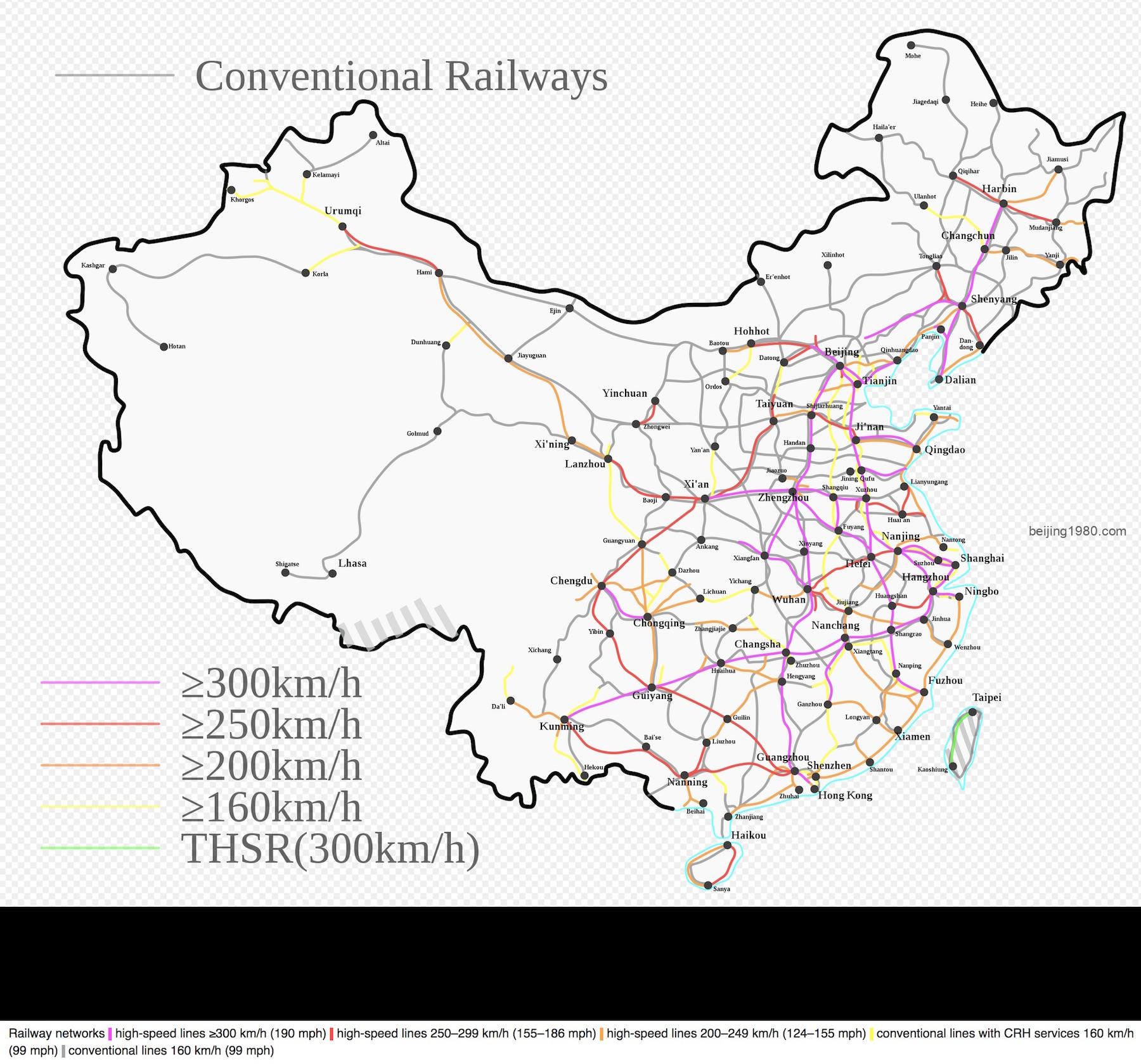
High-speed rail (HSR) in China is the world’s longest high speed railway network and most extensively used — with a total length of 37,900 km by the end of 2020. The HSR network encompasses newly built rail lines with a design speed of 200–350 km/h. China’s HSR accounts for two-thirds of the world’s total high-speed railway networks. Almost all HSR trains, track and service are owned and operated by the China Railway Corporation under the brand China Railway High-speed (CRH).
Read more: https://en.wikipedia.org/wiki/High-speed_rail_in_China

One of the maps showing the network.

A great network

As a former engineer & project developer in rail projects, I can fully appreciate the impressive state-of-the-art of the Chinese trains and network. There are certainly improvements to be made, especially for foreigners, but if you travel between Beijing and Shanghai the HSR is highly recommended.

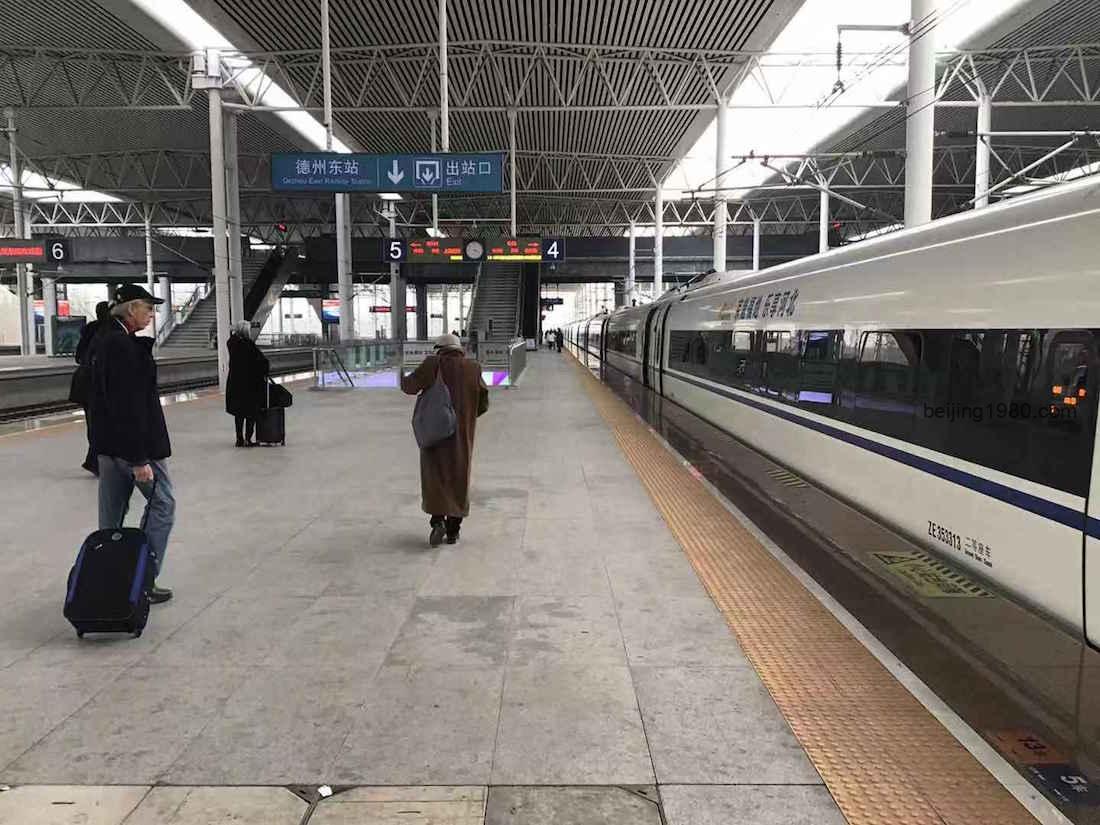
Arriving in Binzhou, Shandong, after another train trip.

I am also impressed with the stability of the HS trains.

180610 coinintrain

Yeah it took some patience but see the clip I made with a coin stable at 300 km/h! (click to play)

The unanswered question

However one critical issue is overlooked. A practical question:
“I arrive from Belgium by air in Shanghai and I want to take the train. The checked-in luggage for my flight from Europe has a bottle of whisky, anew  kitchen knive (so difficult to buy in China), deodorant spray and shaving foam. Now how can I go to Beijing?”

Well the answer is clear: YOU CANNOT.
All items mentioned are prohibited and will be removed during the “security check”. Those are just some of the “prohibited items” but are very realistic examples. Think also about your Swiss knife, hair lotion, some sunscreen types, nail clippers, …
I have not been able to understand if there is any kind of “checked-in luggage” system for the trains. I heard some vague stories there would be a some kind of service to send those items somewhere before entering the railway station, but it is not clear how and when those items can be retrieved on arrival. And then, how do you remove and repack those after landing?

In other words all the blabla of environmental issues and why you would fly instead of using a train is totally flawed. When arriving in China from another international (or even domestic) flight you cannot continue your voyage by train. Also, if you travel within China many of those items are needed during your journey.
I guess all the rail buffs now fall silent.

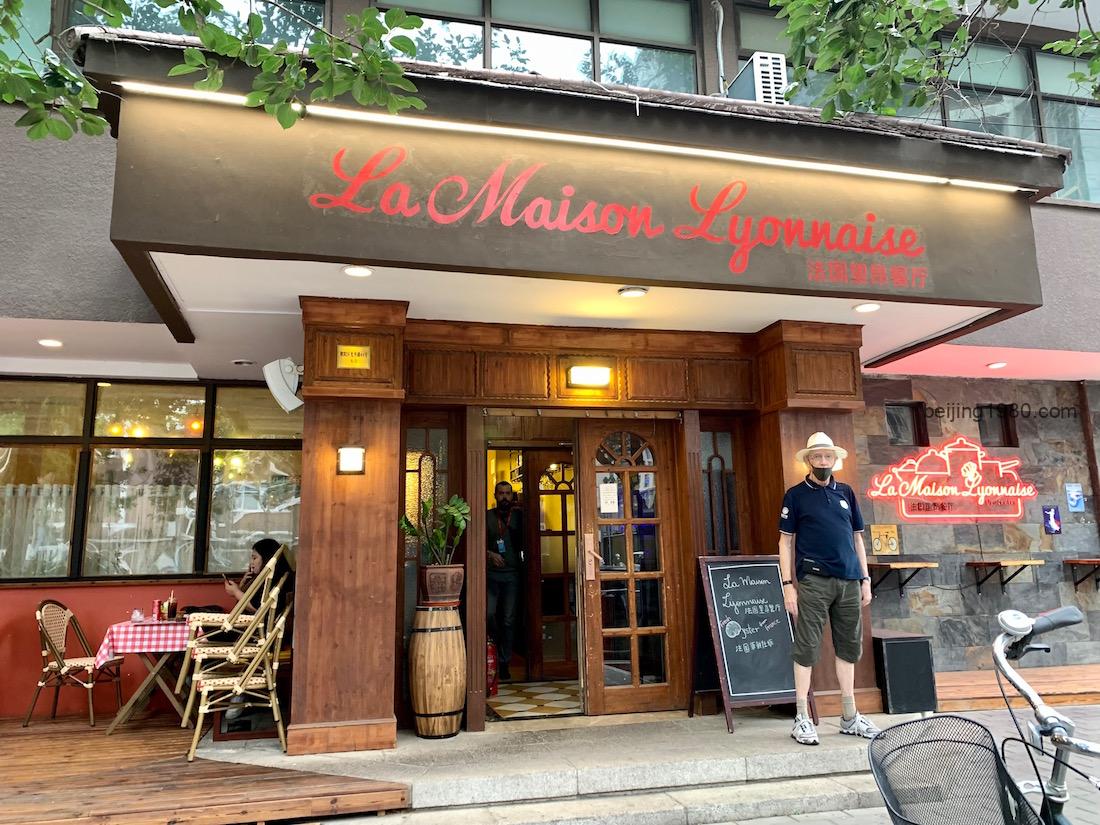
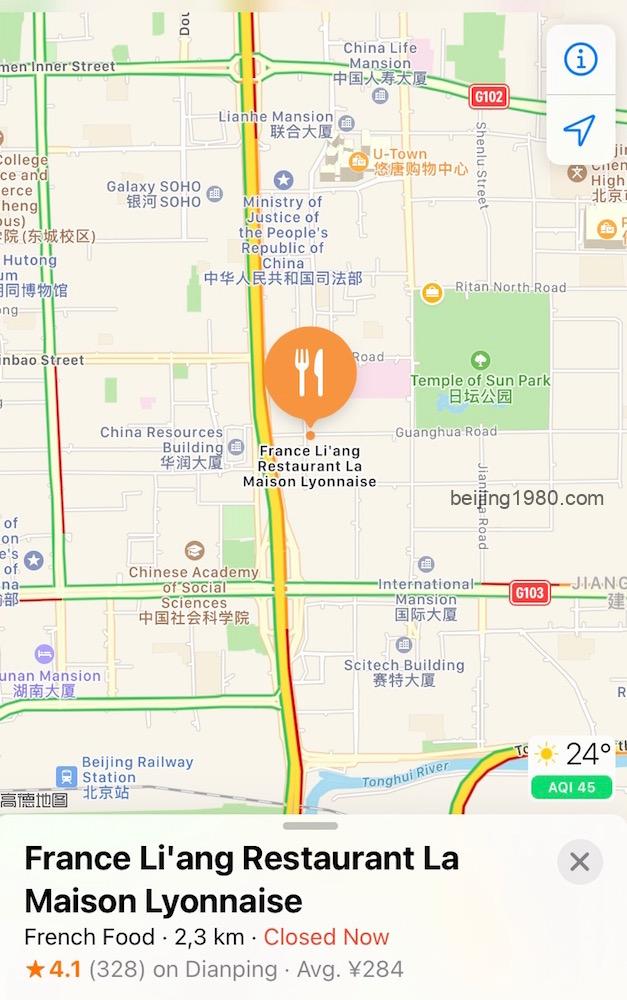
La Maison Lyonnaise in Beijing

In front of the Brazilian embassy

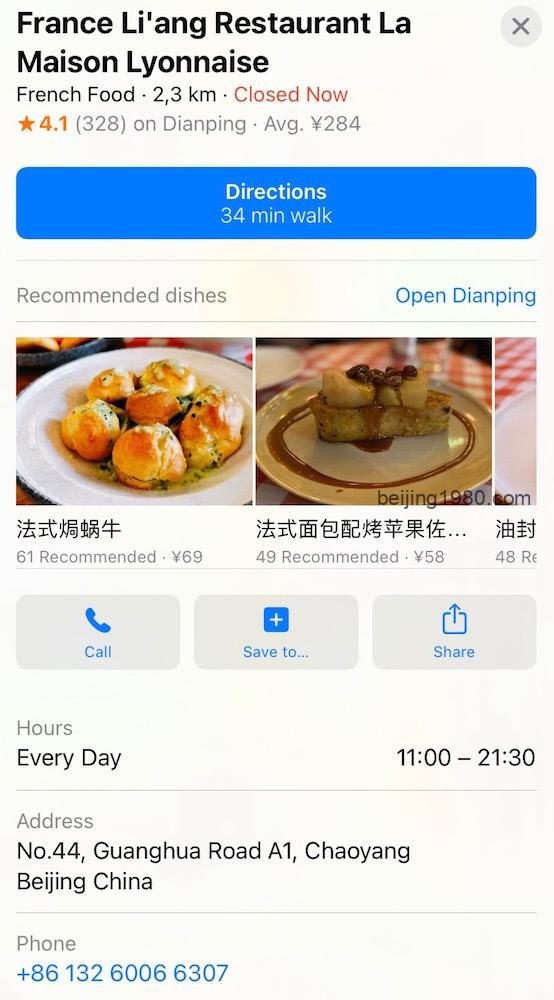
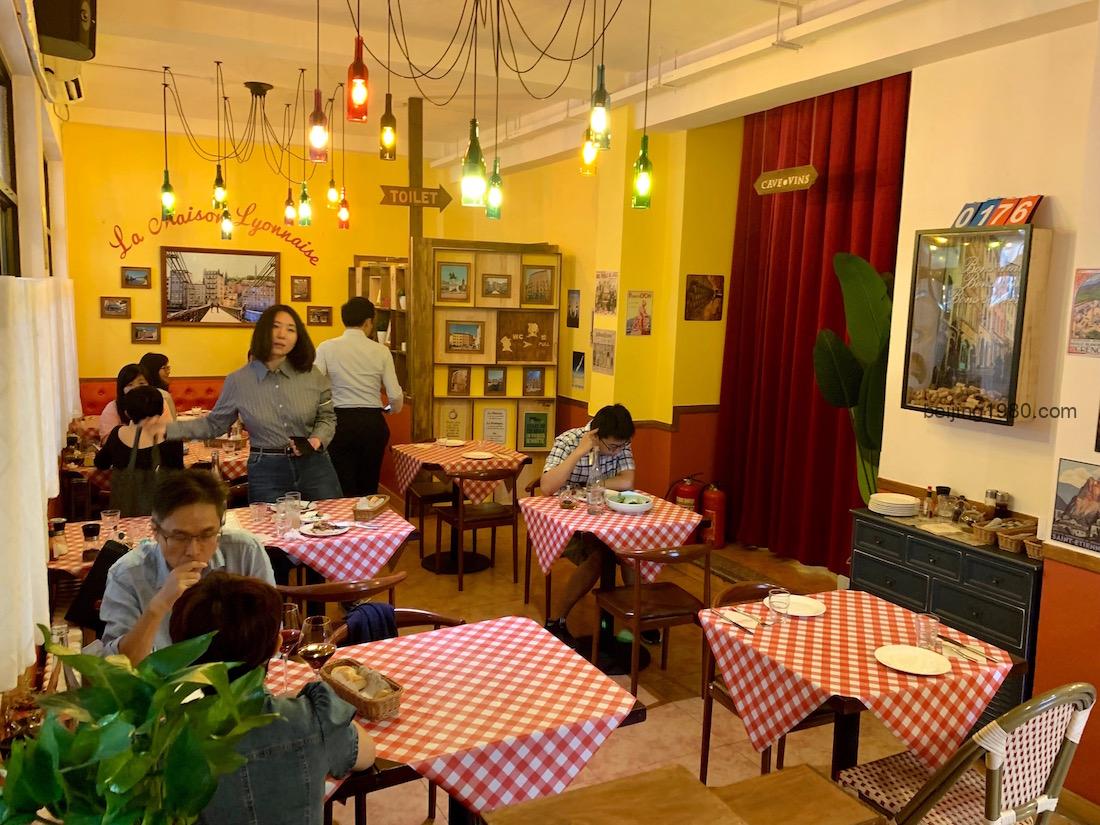
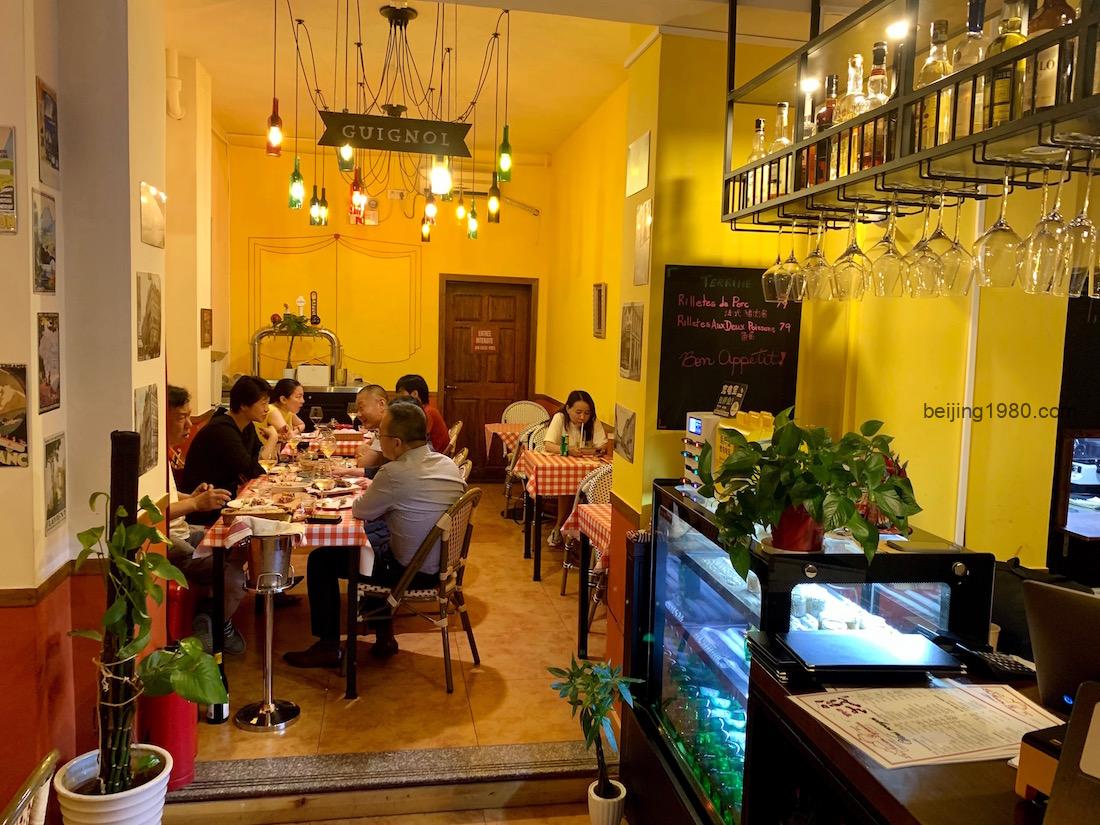
I finally made it to La Maison Lyonnaise in Beijing, located in the building that has seen so many eateries and more come and go, Hopefully this French restaurant will stay for a longer time. I think they changed little of what previously “Caravan”. Caravan has ceased operations as of February 14, 2020 after 5 years of operation. It served Moroccan and Cajun food. The 2nd floor is now basically vacant, where we previously had a book shop and a (great) Brazilian restaurant. About Caravan, see here earlier post with the details:
“Reality started to sink in” https://www.beijing1980.com/2020/02/28/reality-started-to-sink-in/

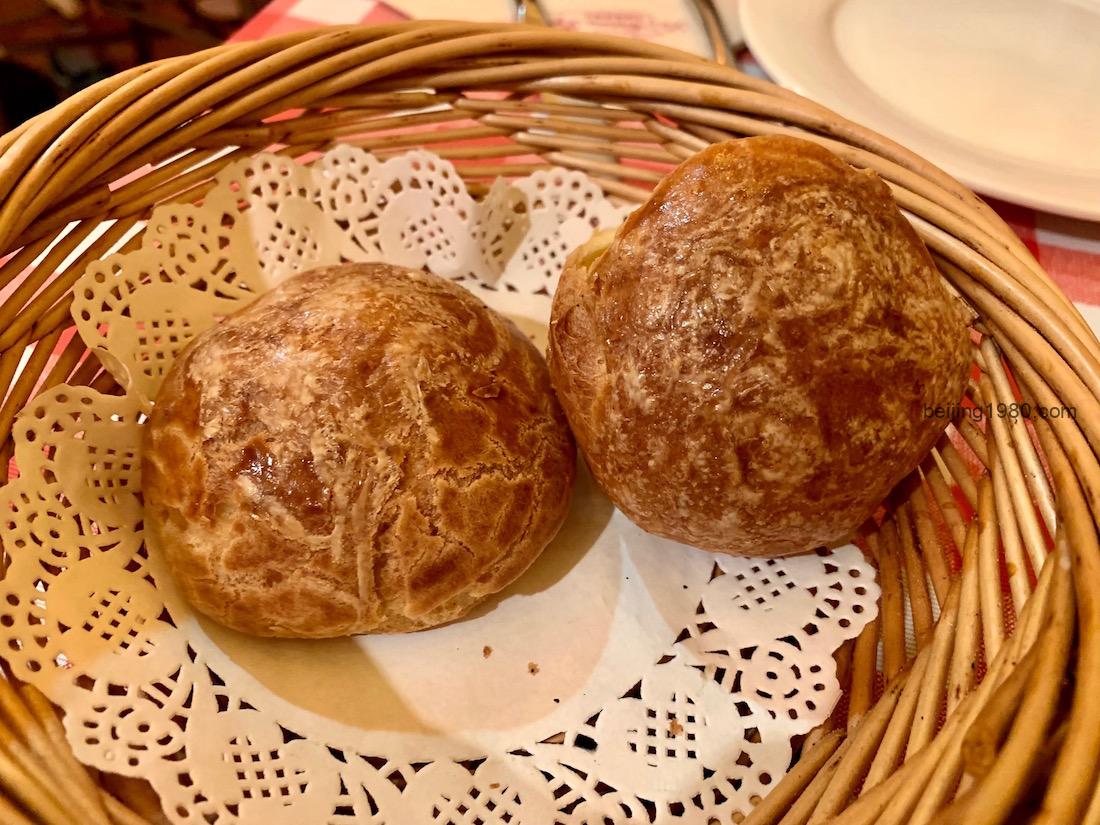
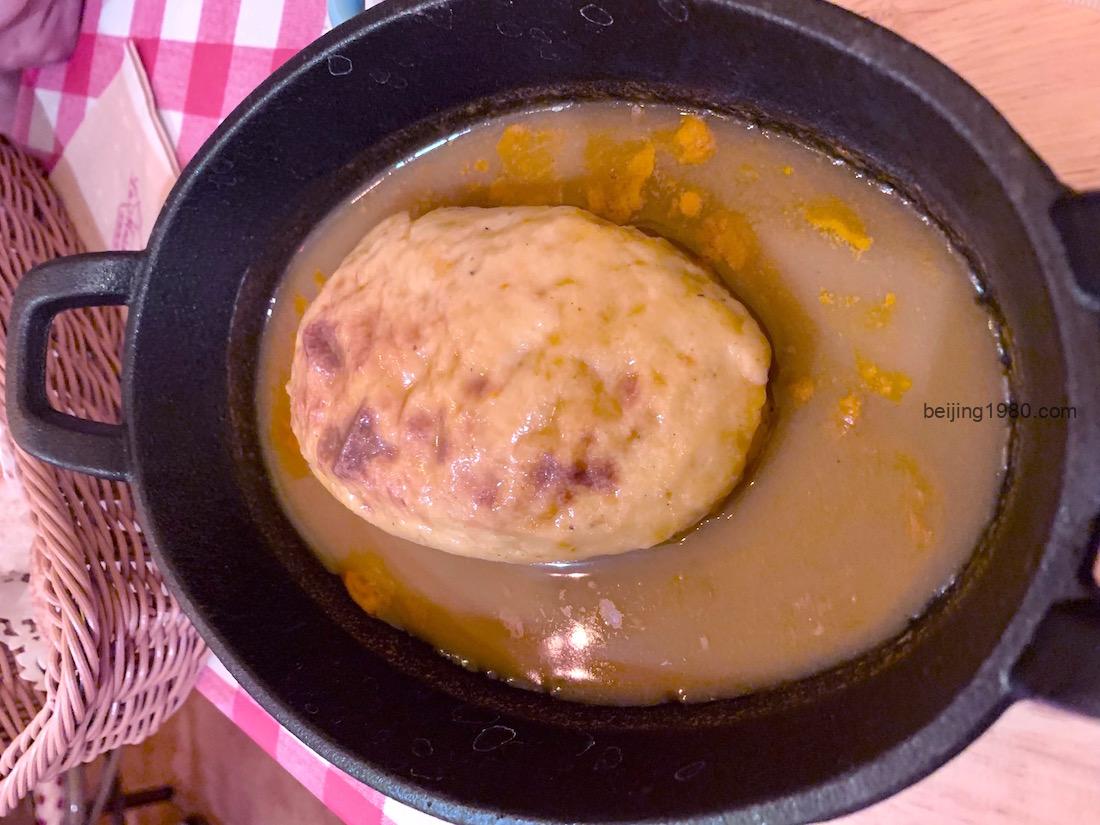
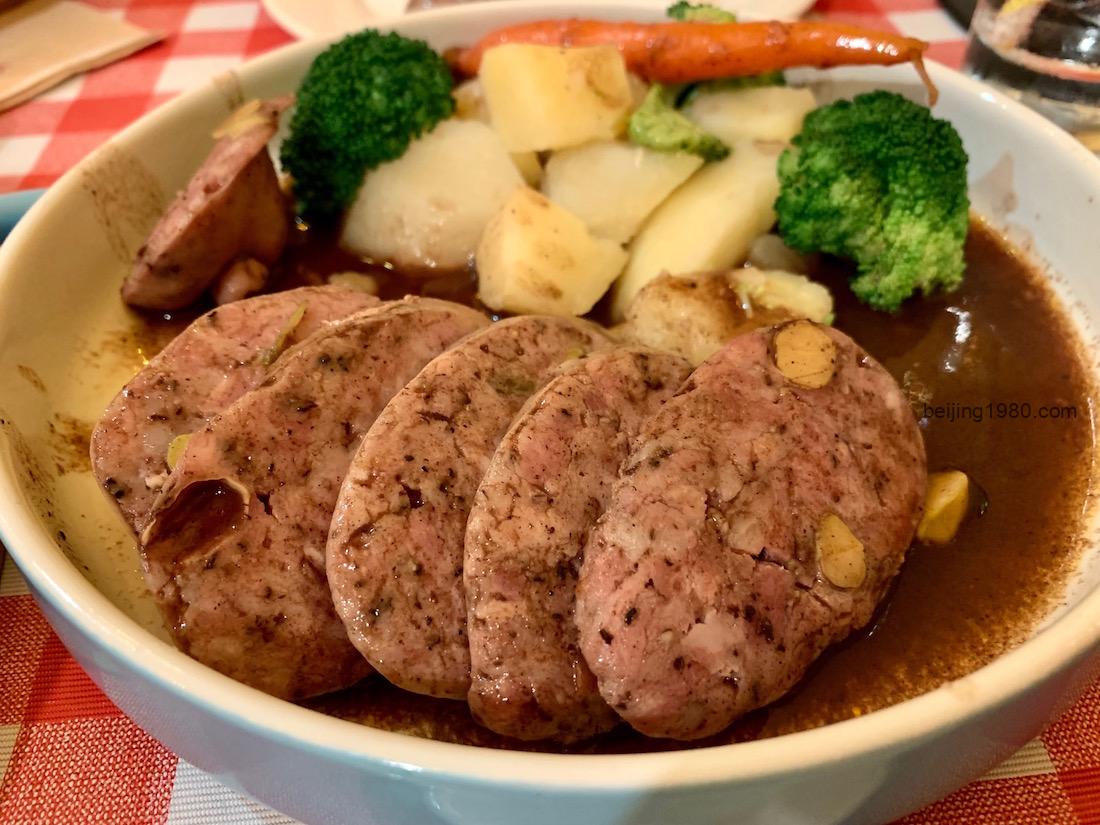
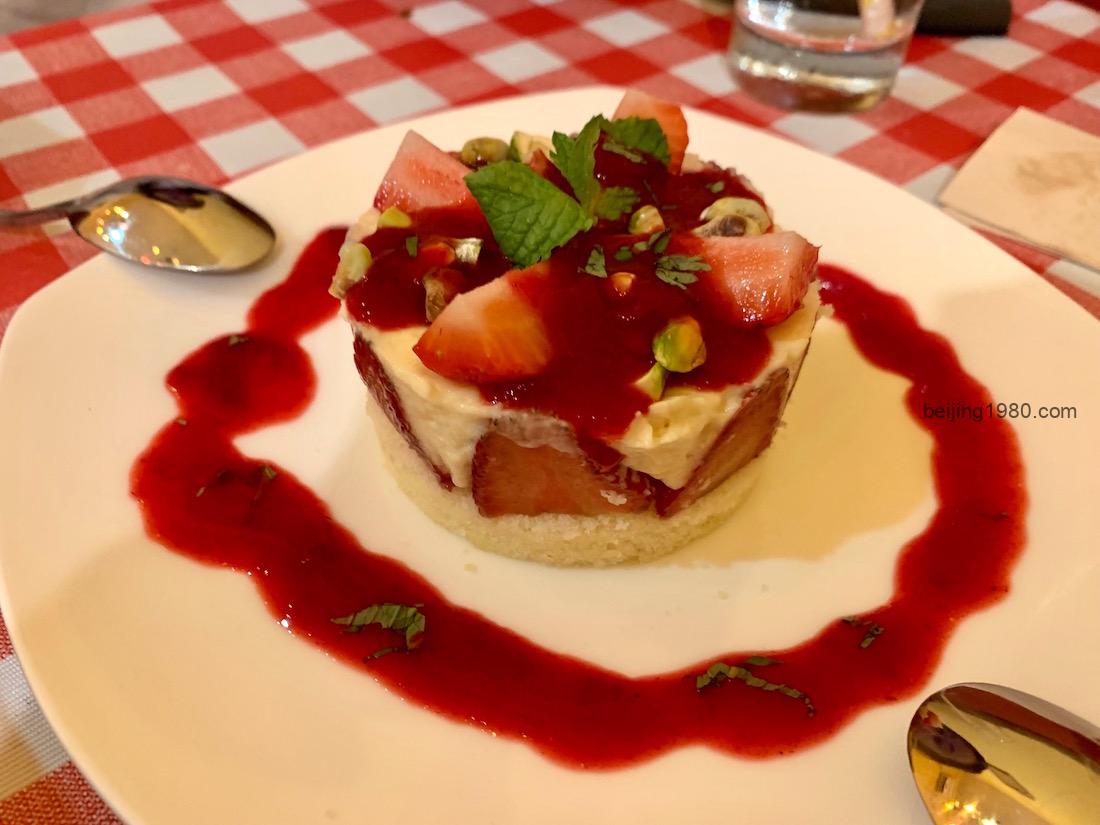
I asked the French owner for the special Lyon dishes, and see what he recommended and we ordered. The bread is nice and special. Then Lyon Quenelle, Saucisson de Lyon, strawberry cake. And a Belgian beer. See details about the dishes.
When I was often visiting Paris (for work) I always tried the regional restaurants. Sadly many have closed to make room for something like “Western International Restaurants”… So, good to have this in Beijing.
The service was nice, the food interesting. Not a cheap place. All customers were Chinese… (except me)

Lyon Quenelle de Brochet

See: https://www.regions-of-france.com/regions/rhone_alpes/food-gastronomy/lyon-quenelle#

The quenelles de brochet indeed represent the authentic Lyonnais cooking, made out with really local ingredients amongst which pike, usually fished in Rhône-Alpes streams, and free-range eggs from the neighboring French region of Bresse renowned for its quality poultry.
The well-known quenelles from Lyon are famous for their delicate mousse consistency and subtle taste of fish. The word “quenelle” is believed to originate from the German “knödel” meaning dumpling, but the Lyon recette has actually no equivalent in other countries – and even in French gastronomy.

or in French:
See: https://fr.wikipedia.org/wiki/Quenelle

La quenelle est une pâte moelleuse de forme cylindrique pochée dans l’eau bouillante. Elle est confectionnée à partir soit de farine, de mie de pain, de semoule ou de pâte à choux, mêlées de viande et pochées à l’eau ou dans un bouillon. Elles sont typiques dans la cuisine traditionnelle de plusieurs régions de l’Est de la France — en particulier les cuisines lyonnaise ou alsacienne. Elles peuvent se préparer en incorporant divers ingrédients, généralement des poissons (notamment le brochet), des viandes blanches (veau ou volaille), ou parfois de la moelle ou, en Alsace-Lorraine, du foie.

Saucisson de Lyon

Saucisson de Lyon is a large cured pork sausage in Lyonnaise cuisine. It sometimes includes some beef or a liqueur. It is similar to other large French cured sausages such as those of Arles, Lorraine, and Burgundy.
https://en.wikipedia.org/wiki/Saucisson_de_Lyon

and

Véritable Saucisson de Lyon
https://www.fondazioneslowfood.com/en/ark-of-taste-slow-food/lyon-saucisson/
Originally, the Lyon saucisson was a sausage made of a blend of meats: donkey or horse at the beginning, today beef, to which a mixture of lean pork is added (ham, shoulder, etc.). Its uniform, dark red filling, renowned for its delicacy, allows the cubes of lard to remain visible. It’s a lean sausage (only 10 to 12% fat), only consisting of lean trimmings, with the fat provided by the diced lard.

Dinner and show in Mango Restaurant

Mango Restaurant and Club

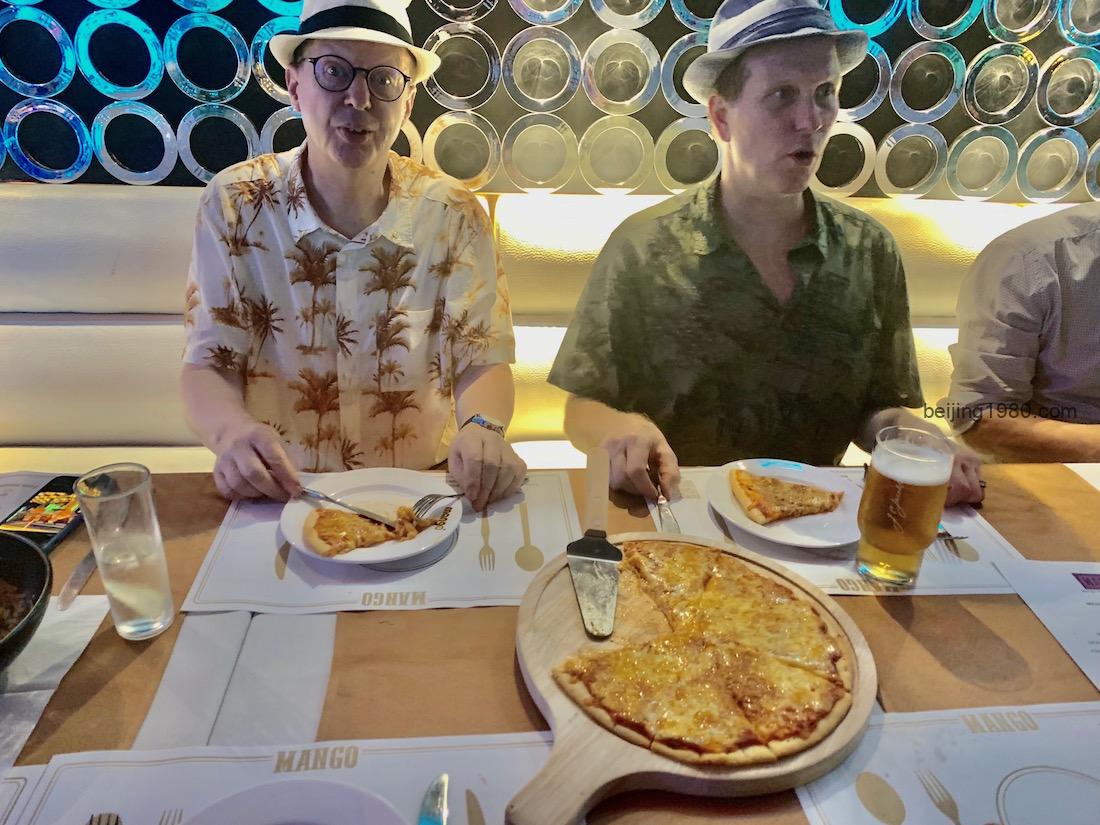
On 22 June 2021 I organized for some friends a dinner and show in Mango Restaurant. See my previous post about Mango: https://www.beijing1980.com/2021/06/15/mango-restaurant-and-club/
I prepared the menu and drinks and I think everybody was pretty happy. Very reasonable price!

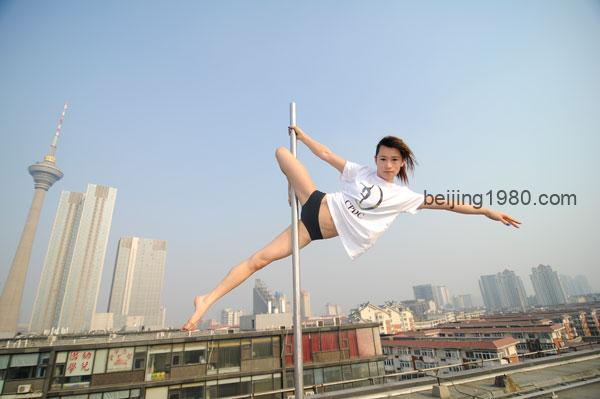
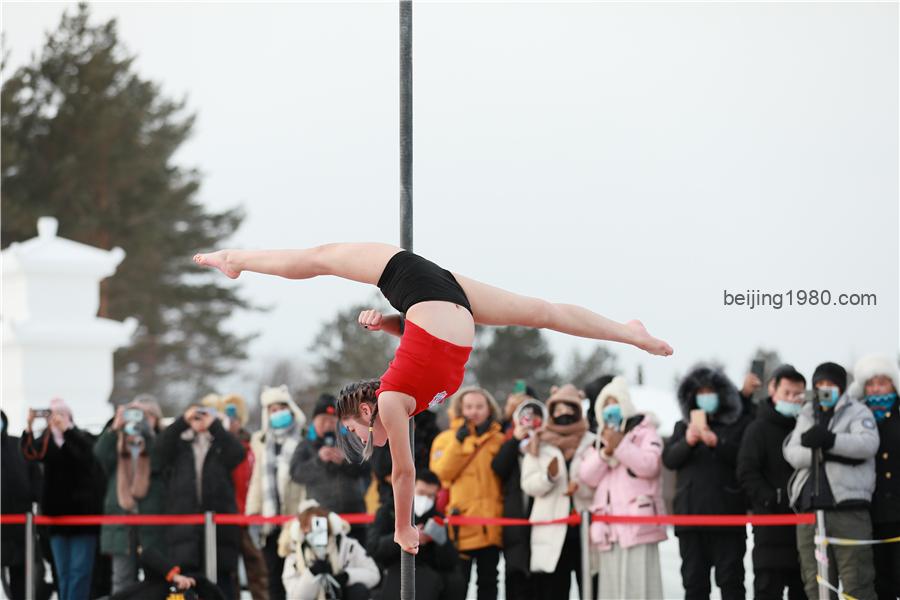
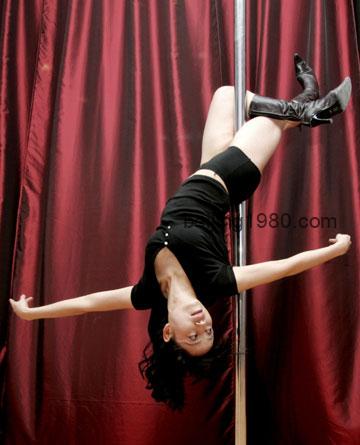
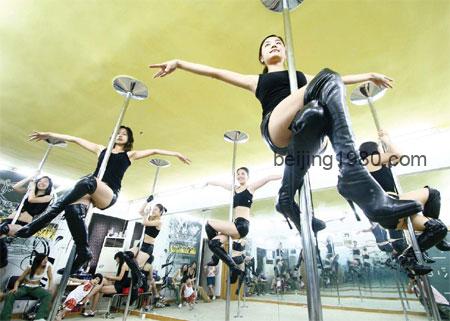
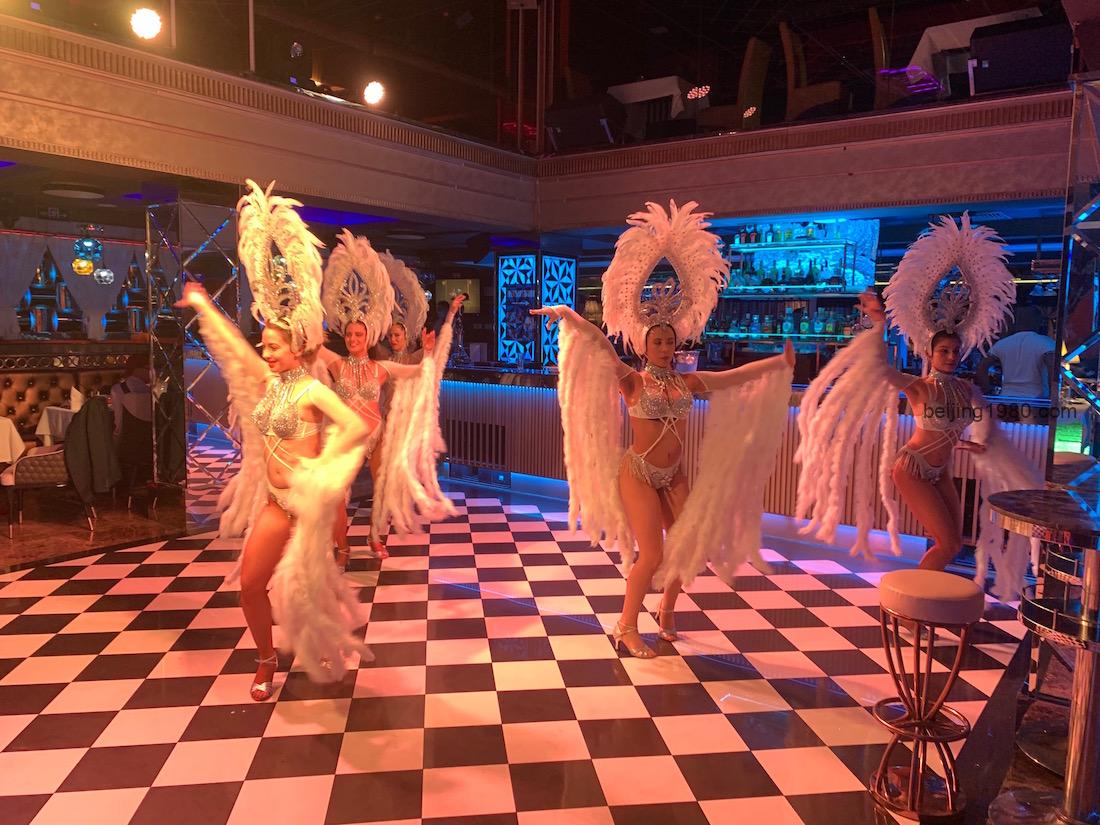
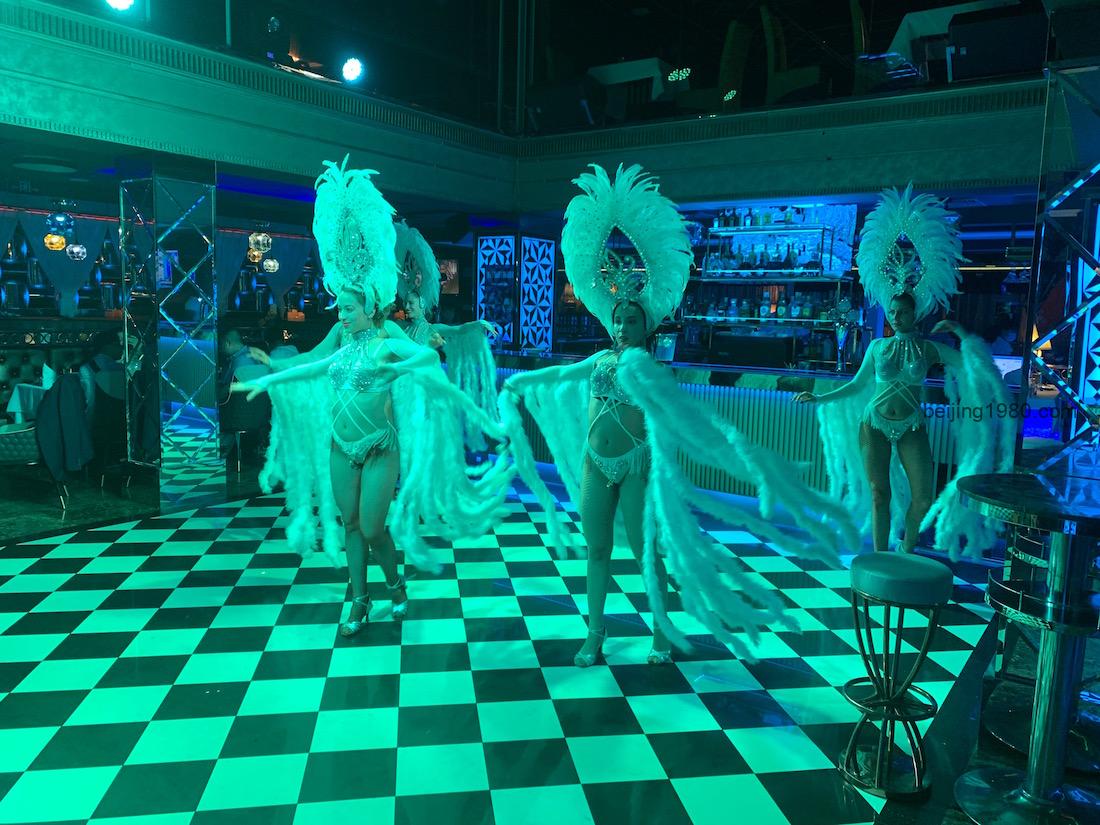
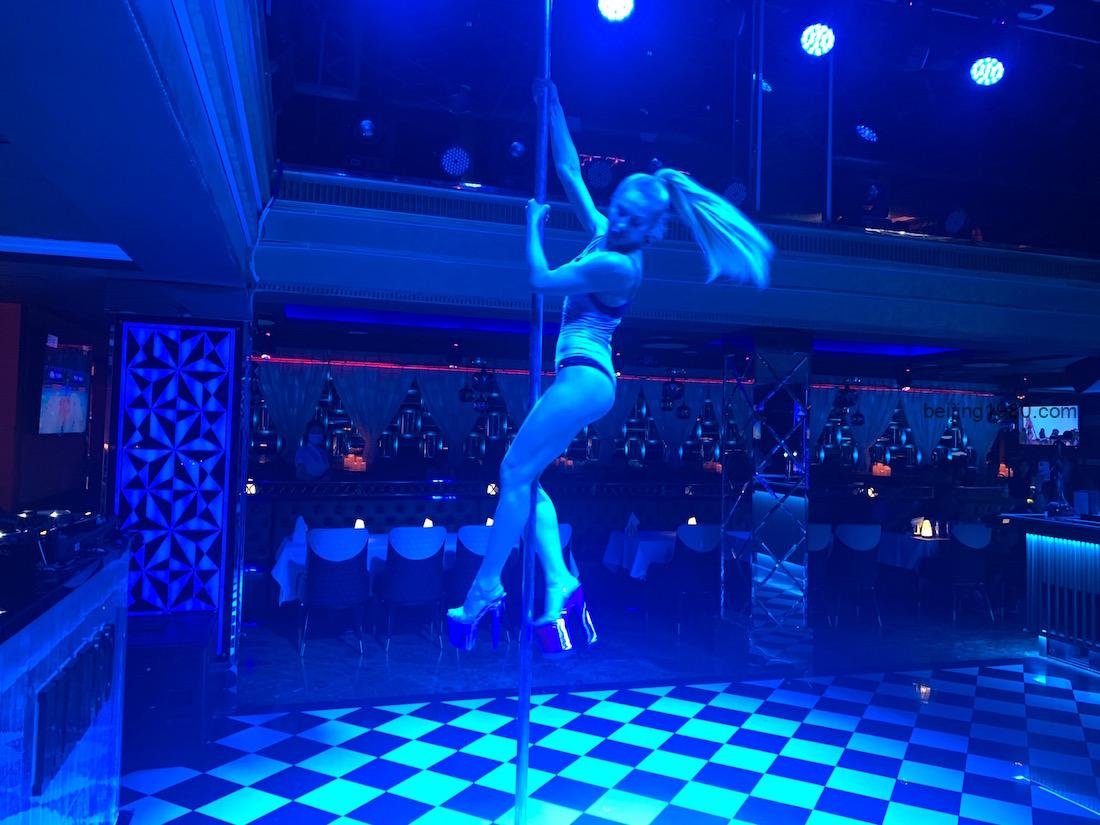
The show that started 8:30 pm was well received! I had never seen the pole dancing as it comes much later, well after 10 pm, this time a few of us were still there and we could watch it. Pole dancing is now very popular in China and is considered as a new workout, with many gyms organizing lessons. Years ago I was in the Hilton Hotel where I watched a pole dancing competition. It is certainly not easy and requires dexterity and a flexible body! At one point belly dancing also became very popular, even our daughter took part in it in the gym. Others prefer flamenco,  salsa, tango and other dances. Often just as a pleasant way to exercise. Sadly many people look at it as “sexy stuff”. Chinese don’t. In Mango many families with kids come to watch the shows…

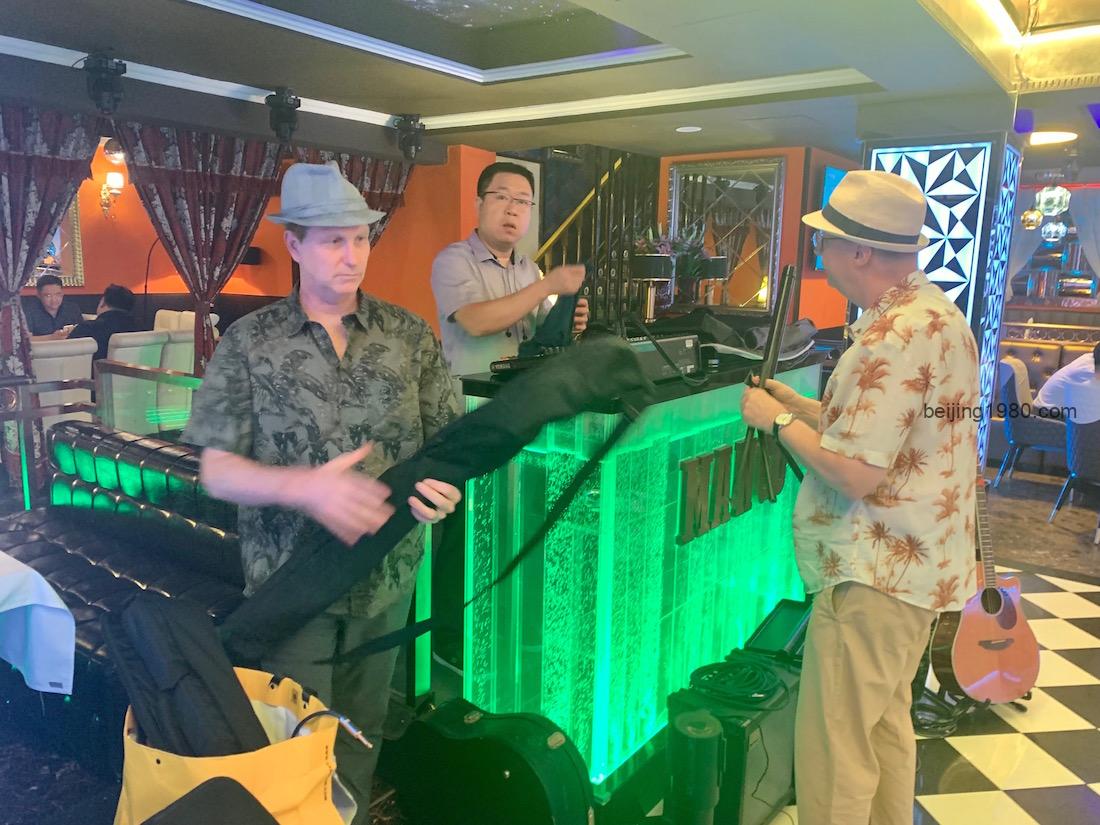
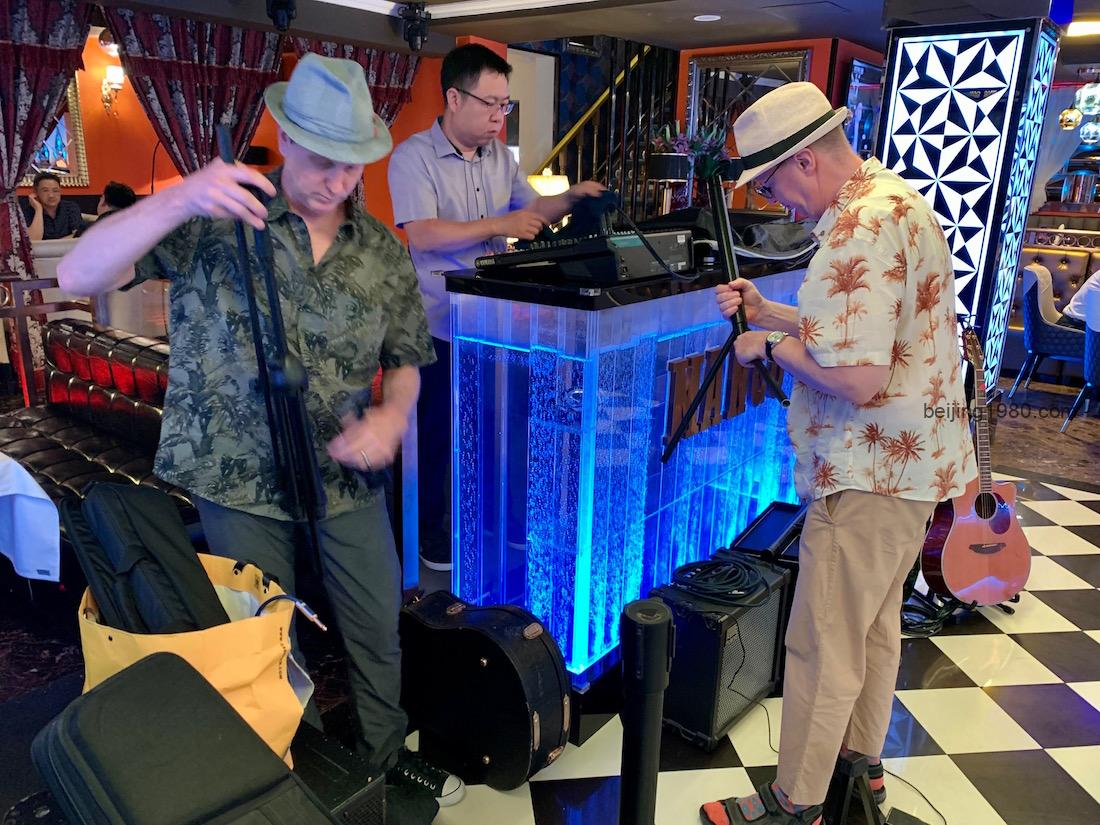
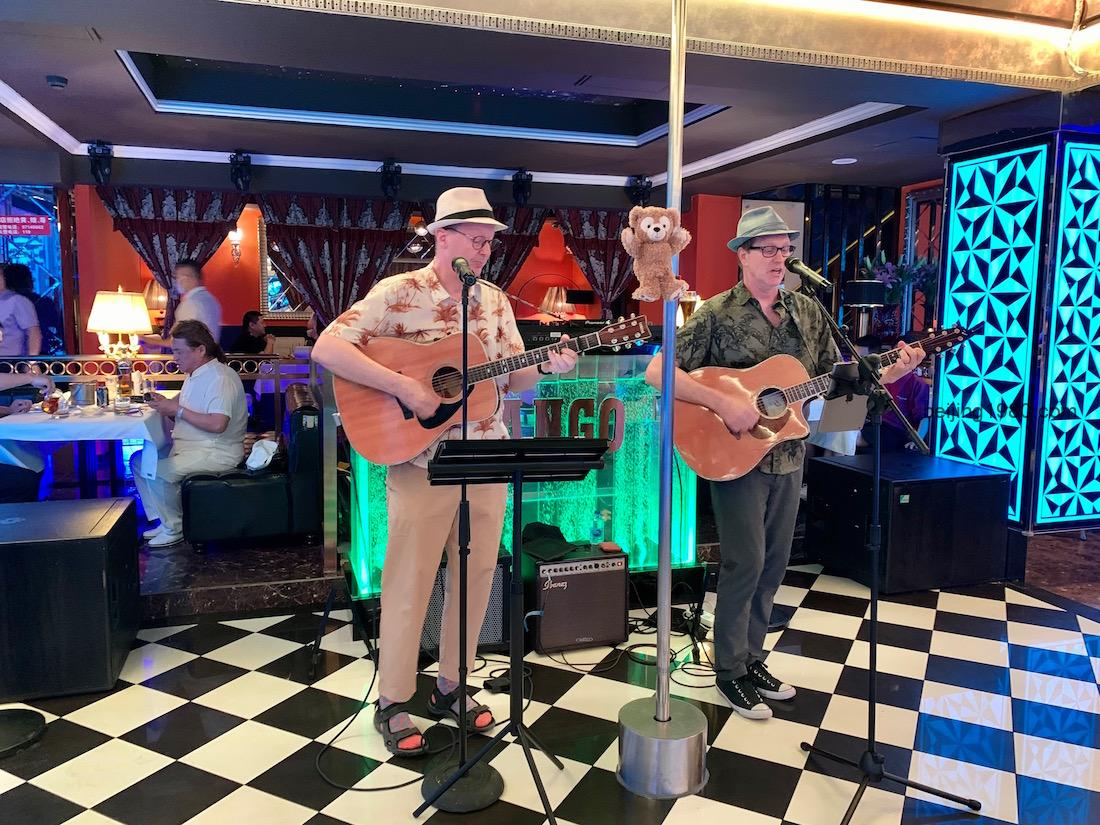
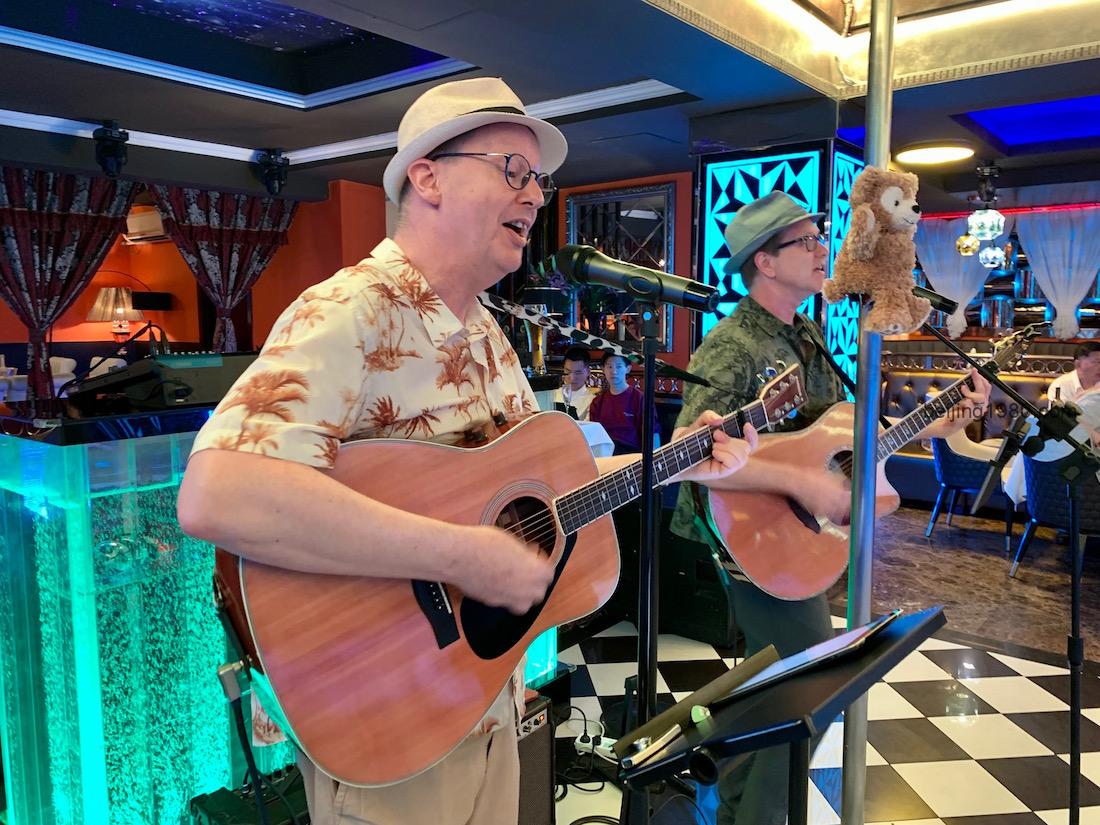
Our musicians

I could organize the floor for our two musician friends. Great performance by Kevin and Brian, real professionals. It took some work to get them wired but they brought most of the equipment so, all went perfect. They got an extra pizza to reward them.

See a few short clips of our musicians and of the late-night pole dancing. Need VPN in China to access Vimeo.

Rotary Club of Beijing memories

Cleaning up my paper mountain

As many friends know, I have this annoying statement since a few years that I am trying to clean up the mountain of files in my office. Annoying because I always mention it but failed to make any progress. But I am discovering a lot like Rotary Club of Beijing memories, among many other. It seems like a huge jigsaw puzzle as papers are all mixed up, sometimes with no date stamp. But yes I am making progress and my tricycle recycling friend has more waste paper to collect.
But sometimes I am left puzzled about those hazy memories.

A gold medalist

I stumbled on this small newspaper clipping:

I think the small article is from China Daily. I found the longer version here:
http://www.chinadaily.com.cn/olympics/2008-08/18/content_6945218.htm

I had nearly forgotten about it. I found back the old post on my website, see here the updated version:
Sergey Bubka, the IOC and Beijing Rotary Club, https://www.beijing1980.com/2013/08/20/sergey-bubka-the-ioc-and-beijing-rotary-club/

Few of our present members ever heard about Sun Children Village… One of the projects we supported. We even had a Rotary Villa there…

GSE 2008

GSE is “Group Study Exchange”. We did that in 2008 when we sent a Chinese team to New Zealand and we then received their team in Shanghai and Beijing. It was a difficult and complicated organization with our Kiwi friends staying all over the city in different locations and changing then from one family to the other. One, Jo, stayed with me and I found back her note, see the pic. I had also organized for her a meeting with one of the most important pharmaceutical companies involved in diabetes medicine; Ms. Joana Young BSc, PG Dip SCi was doing her PhD – Clinical Scientist, Lipid and Diabetes Research Group, Christchurch Hospital.

We had a very varied and full program for the group, but also filled with fun: I took them to a big lesbian evening where we had a great night. To say farewell to our New Zealand GSE team we organized a dinner on Friday 25 April 2008 in Restaurant Sahara (long gone, close to Salsa Caribe, also gone). We had a large VIP room with our own buffet of Middle East cuisine plus belly dancing in our room.

See some of the many pics (never published). One is during our Rotary lunch with the whole team presented; one in Pipe Cafe, long gone and razed, gongti nan lu, that time the biggest lesbian bar where I had privileged access; one in Sahara Restaurant.
Overall it was a big success but it also proved to be too much work for the Club.

Mango Restaurant and Club

Normally called “Russian”

Mango Restaurant and Club, aka Golden Mango Russian and MangGuo EShi Restaurant is located at 6 Ritan Beilu (Chinese: 金芒果餐厅俱乐部 – 日坛北路6号).
Serves Russian food, with a drink list including Baltika, Russian sparkling wine and various bottles of vodka and wine.
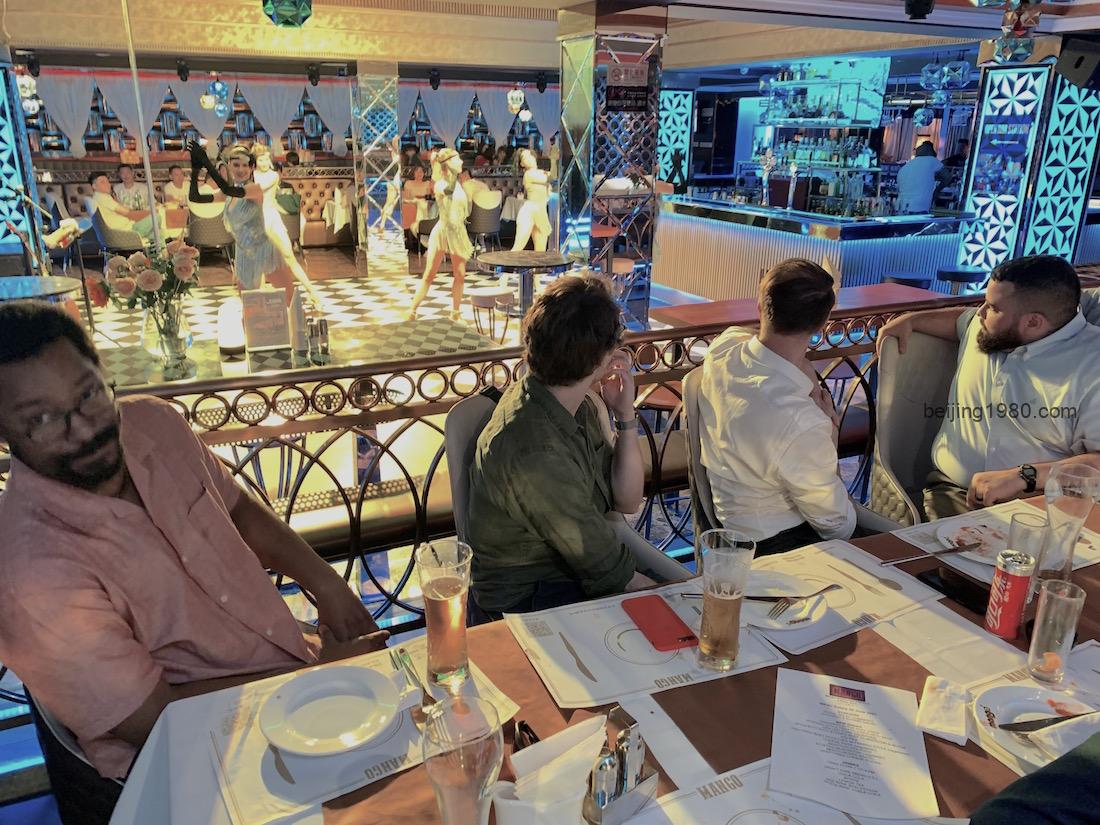
Besides the basement there are 3 floors: the 1st floor with the bar and the dance floor for the shows. The 2nd floor has several semi-private areas with large windows that give a good view of the dance floor. The 3rd floor is the open terrace with several nice corners plus another bar.
The menu is extensive, with Russian and Mexican dishes plus pizza, hamburgers, steaks, pork knuckle and more. The Russian honey cakes are really nice. Water pipes available (hookah, here often wrongly called “Shisha” being the tabacco, not the water pipe).
Prices are reasonable. I like the Russian beers.

See the pictures of the three floors, some of the dishes I had and some pages of the menu.
First floor is usually packed with Chinese, including families with kids. Third floor mixed public, Chinese and foreigners. Often private parties on the 2nd floor.

The show

See some pics of the show.

Tuesday to Sunday performances (8.30 pm the most popular) from Cuban and Russian singers and dancers. Looks like always the same group but with different costumes.

See the short clip on Vimeo (https://vimeo.com/563062594)(need VPN in China).