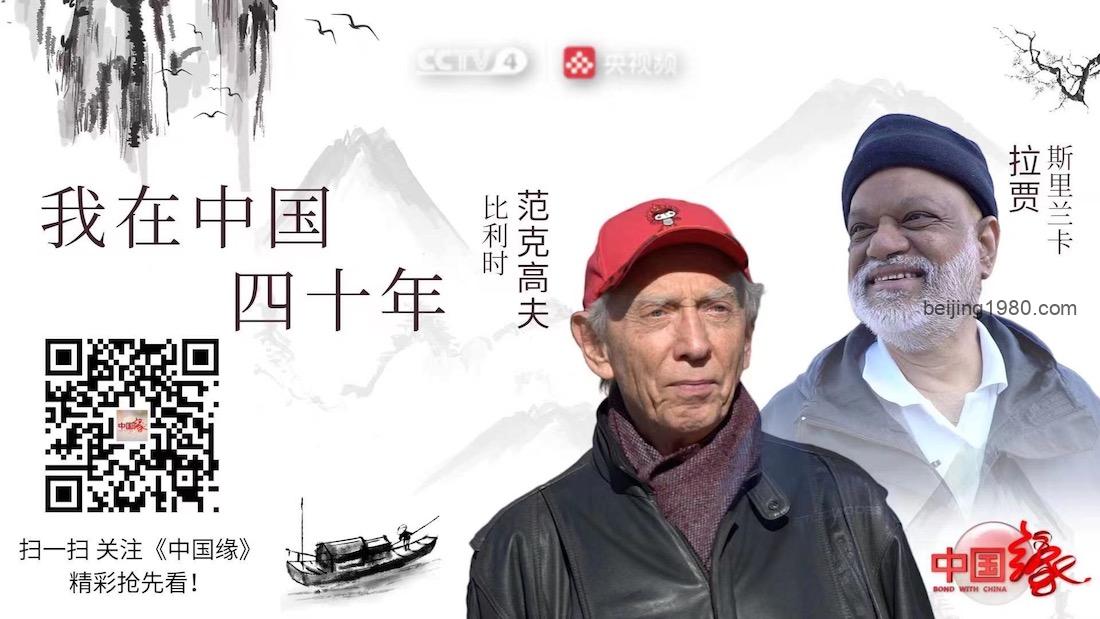
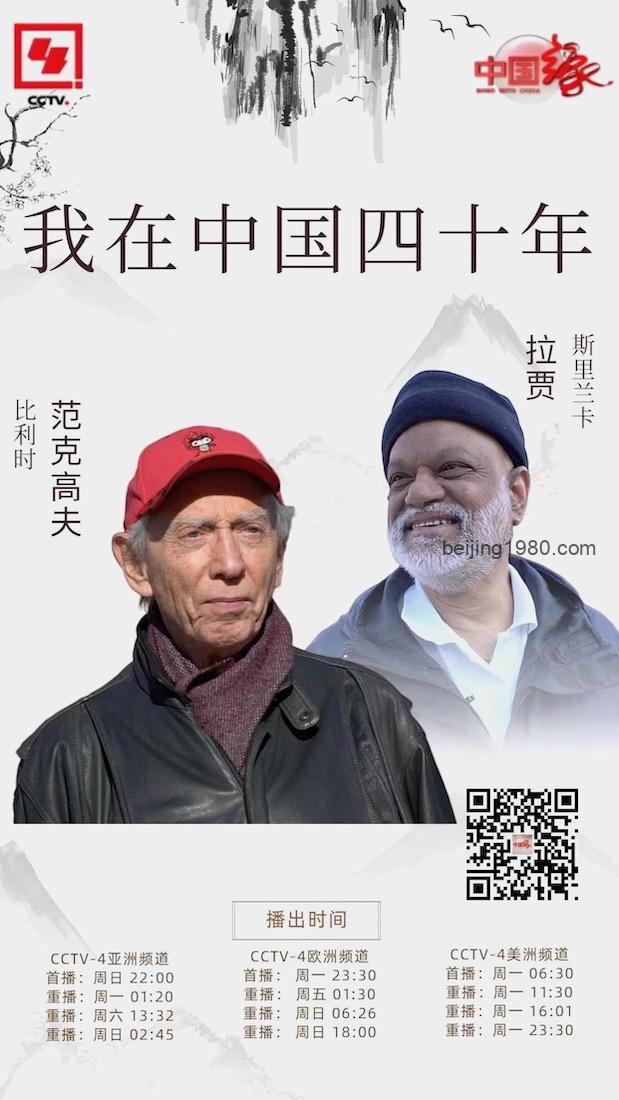
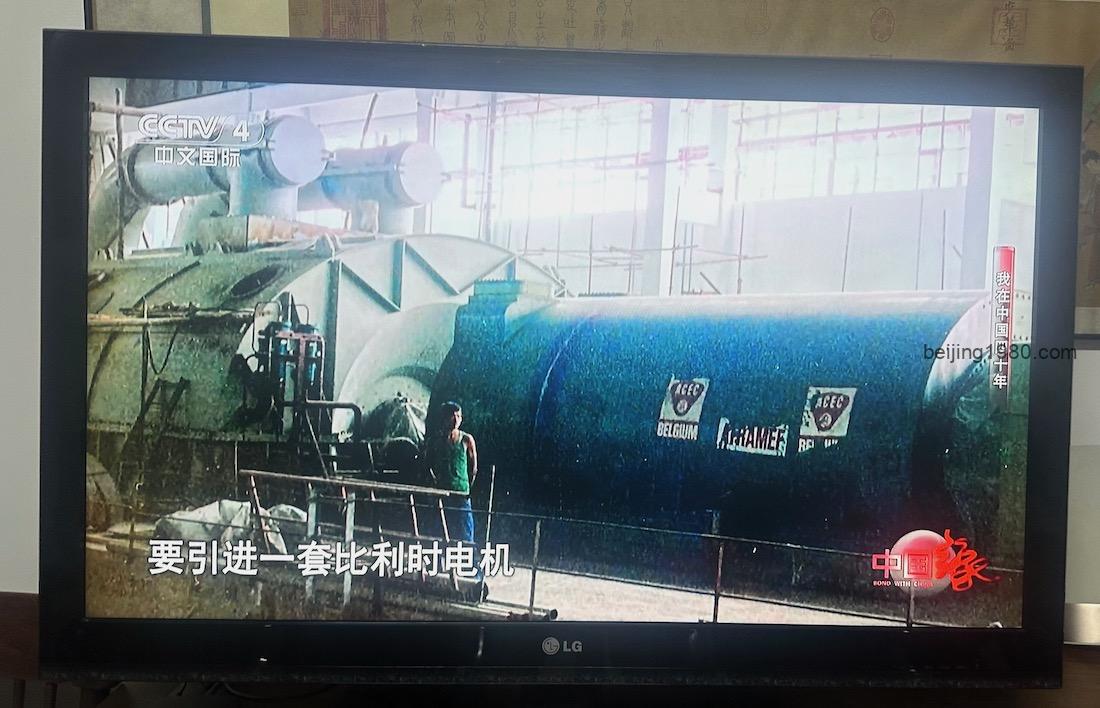
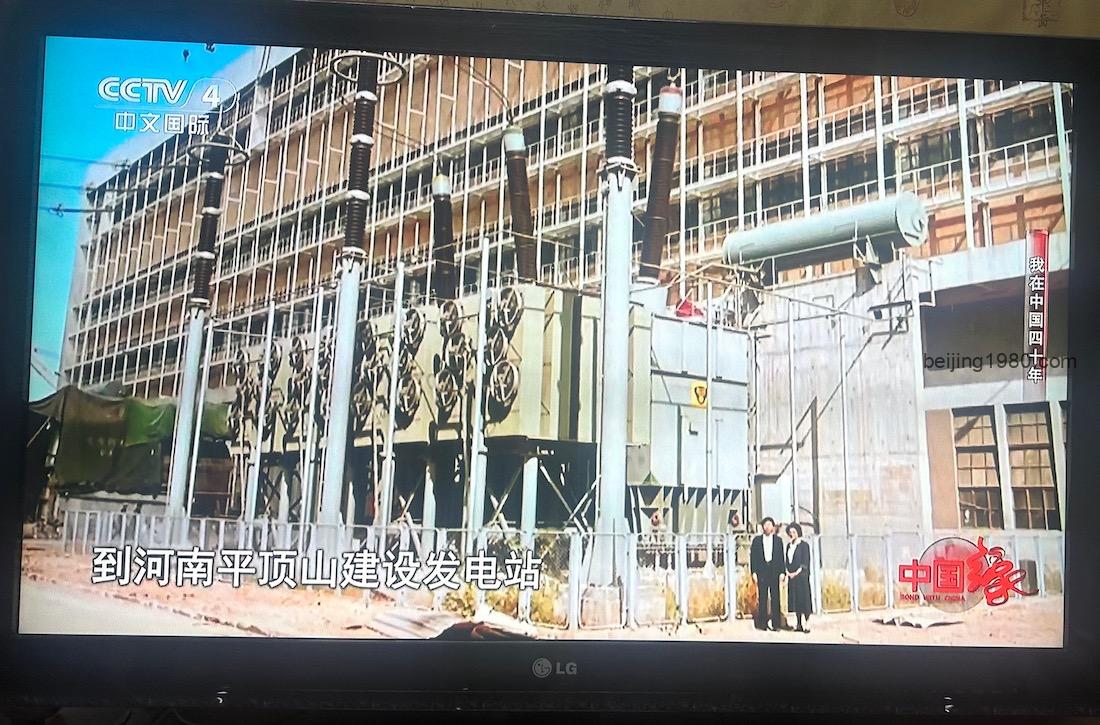
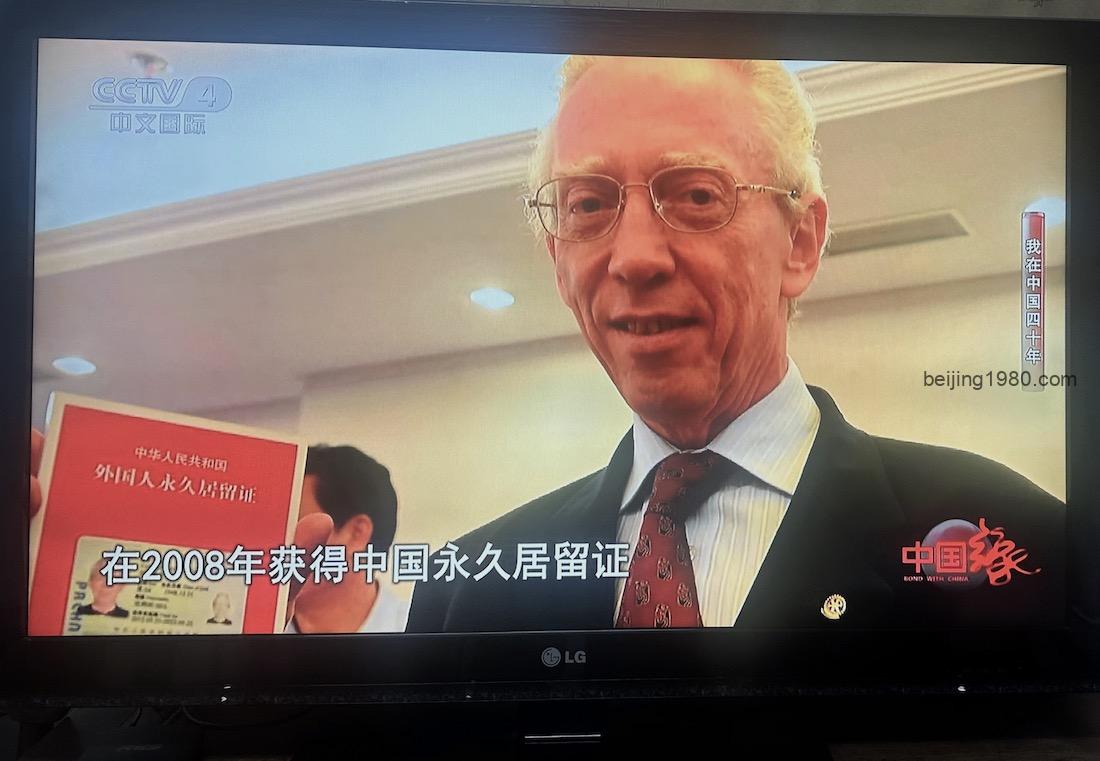
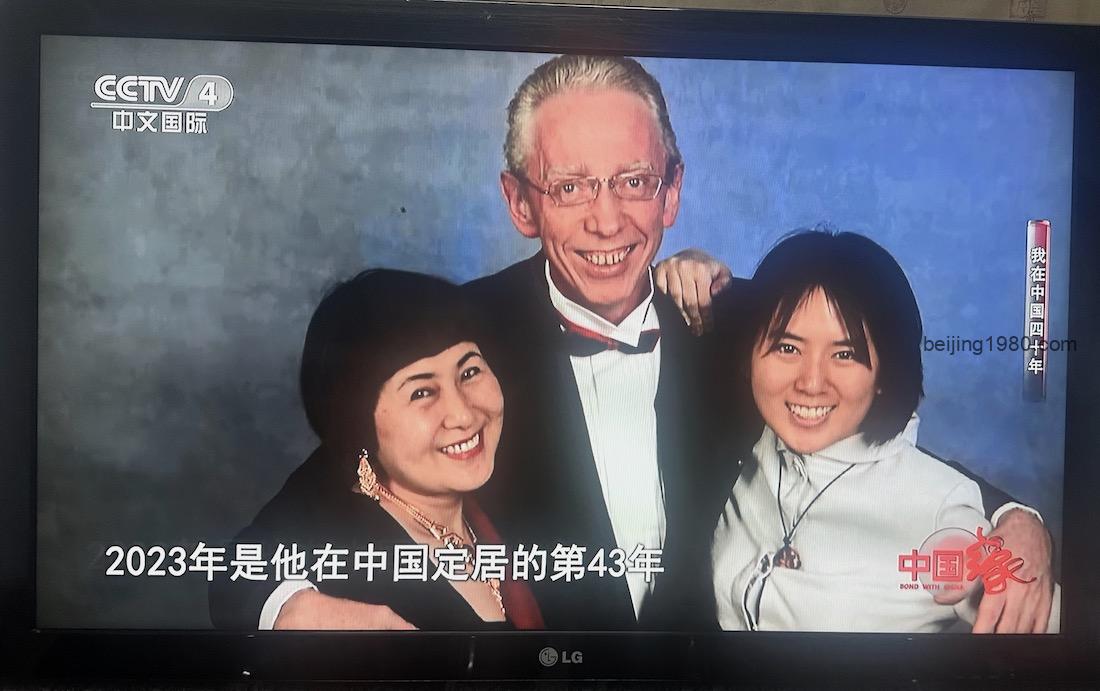
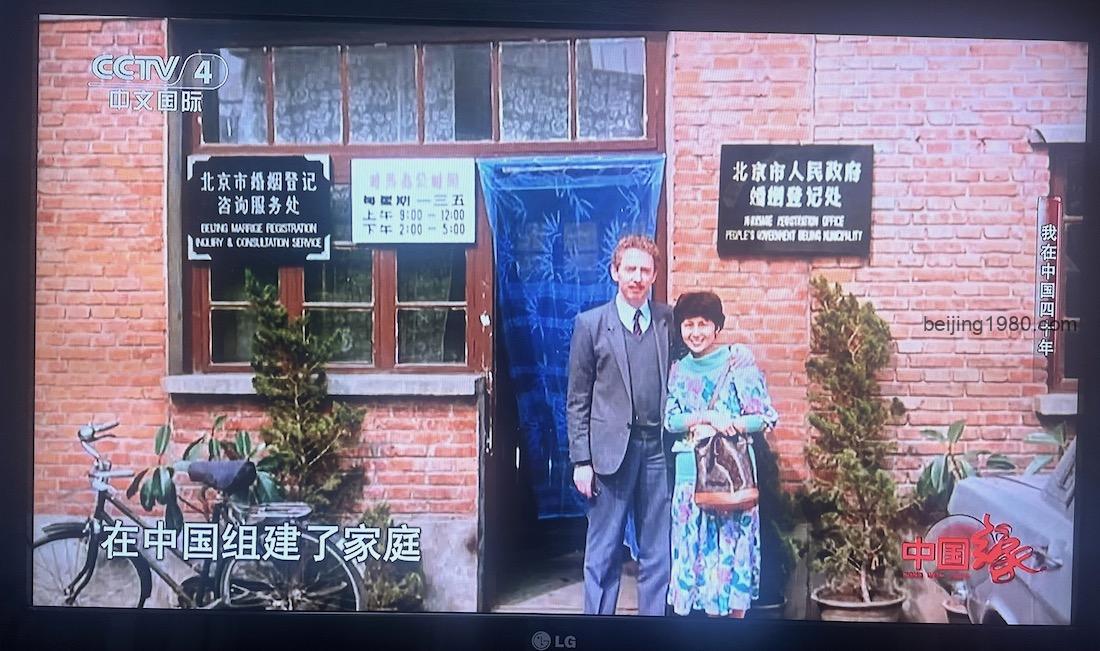
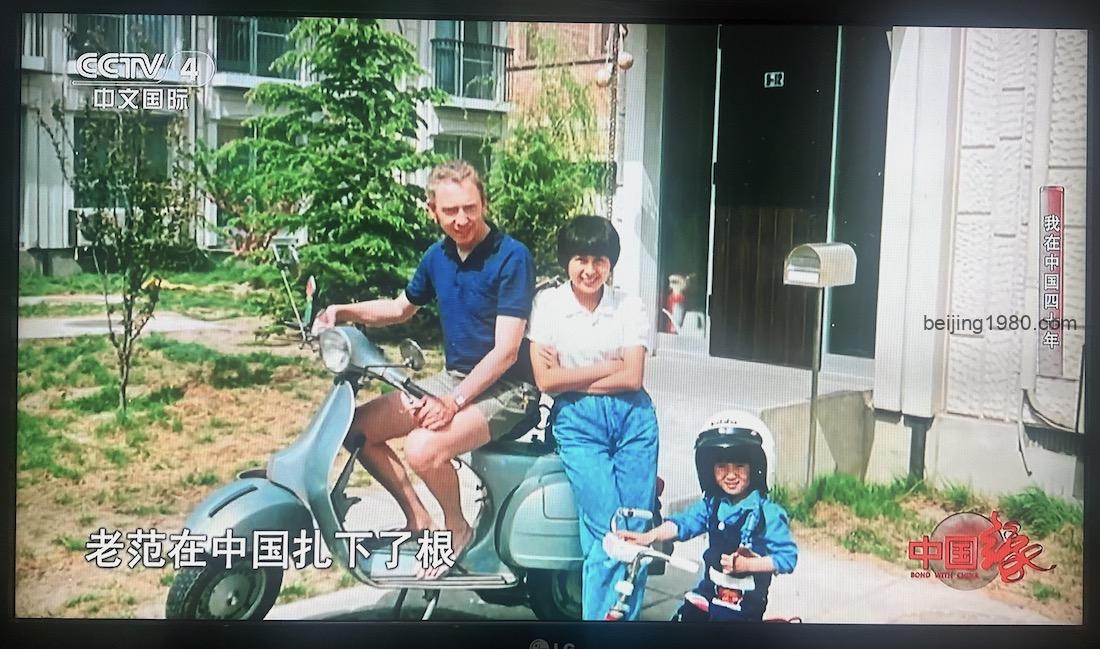
Gilbert was on CCTV4

Finally done

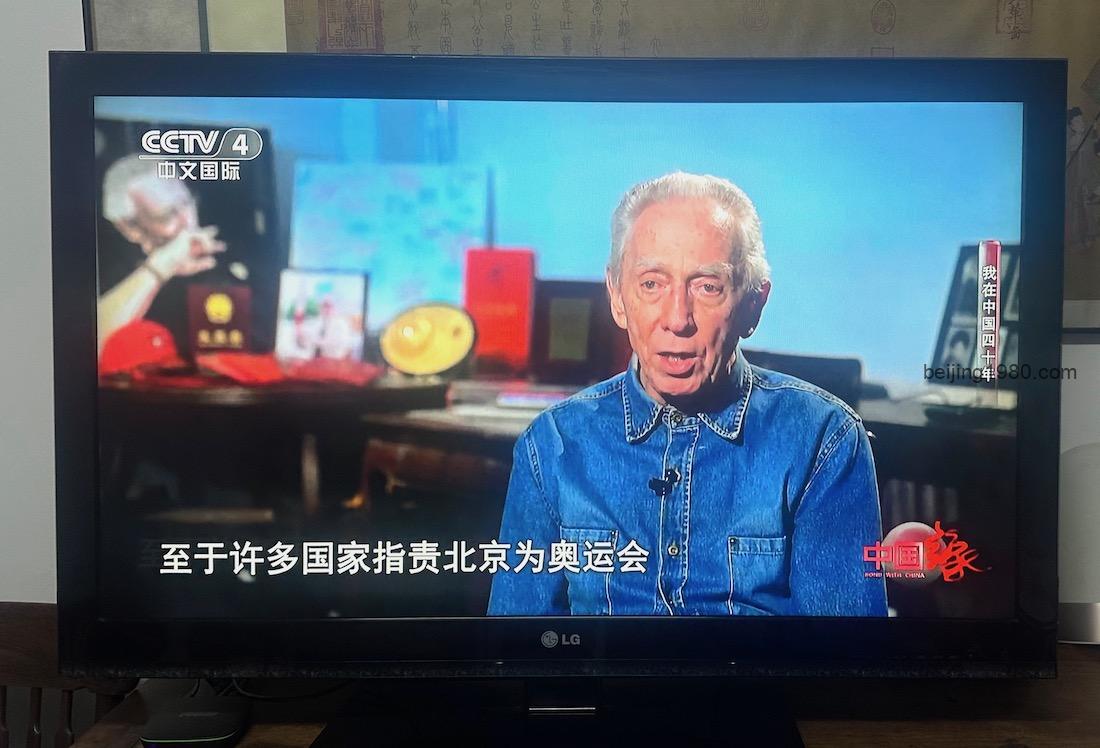
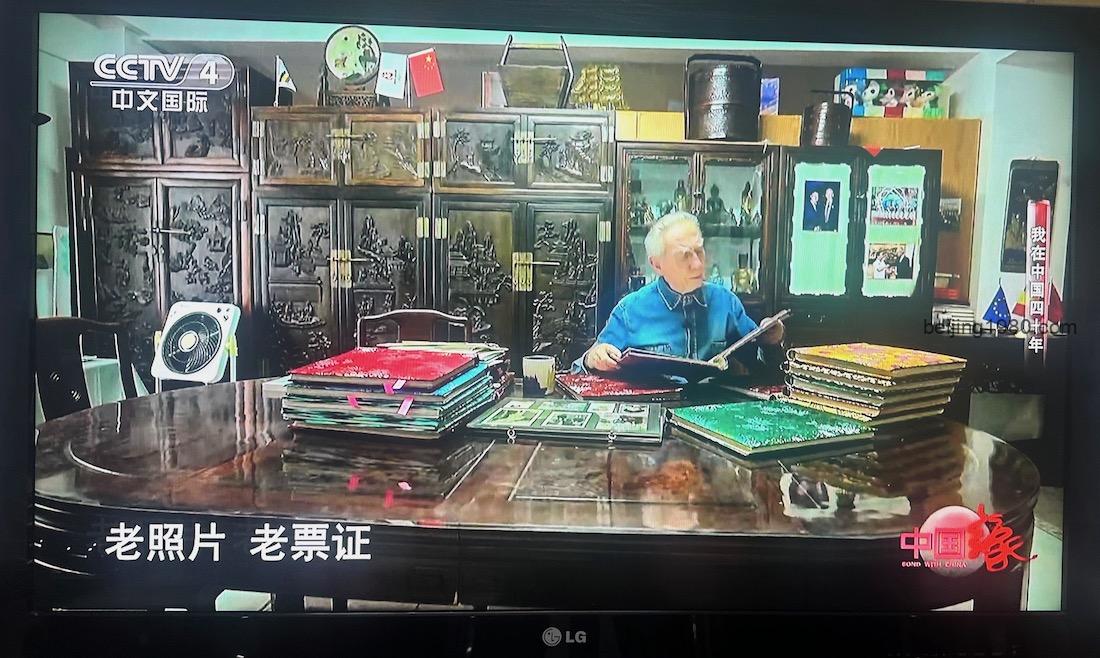
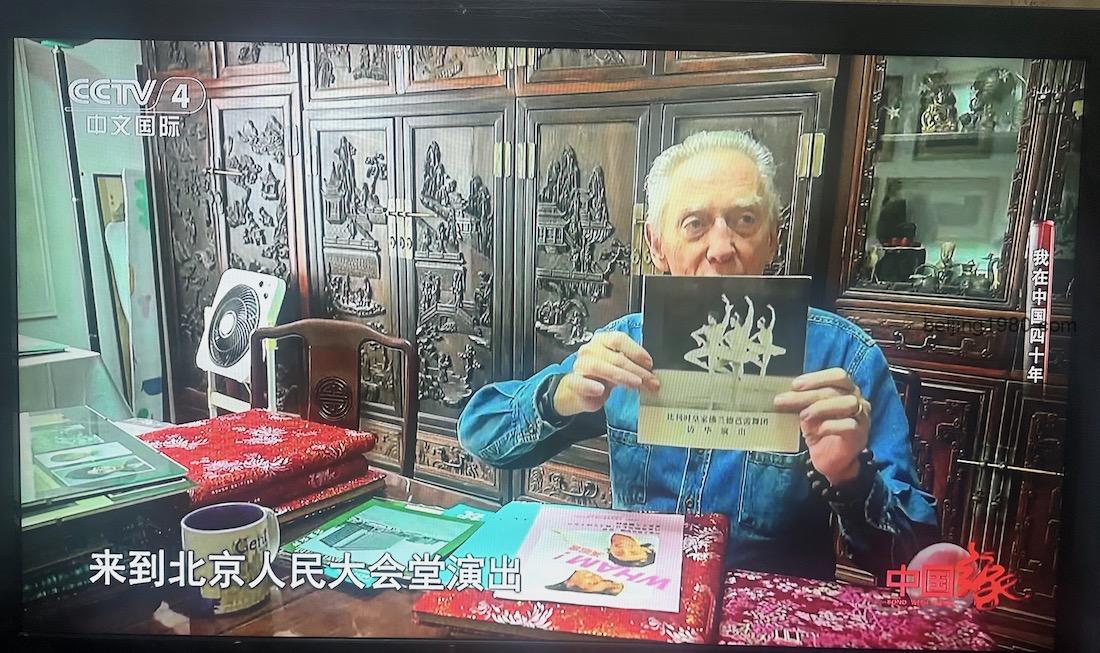
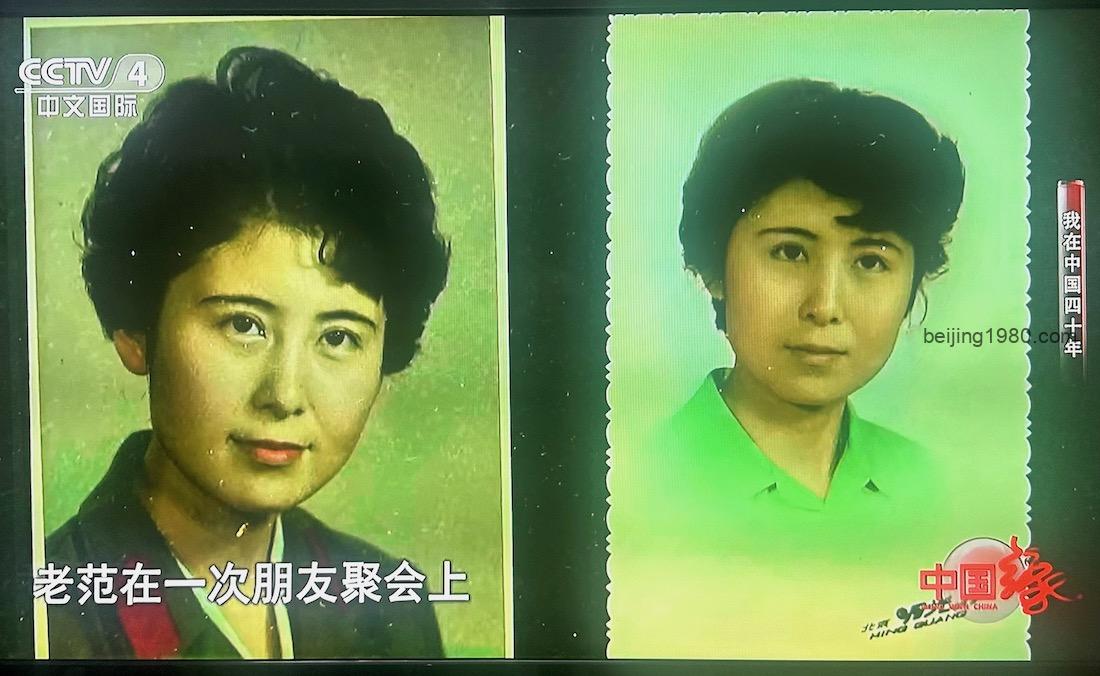
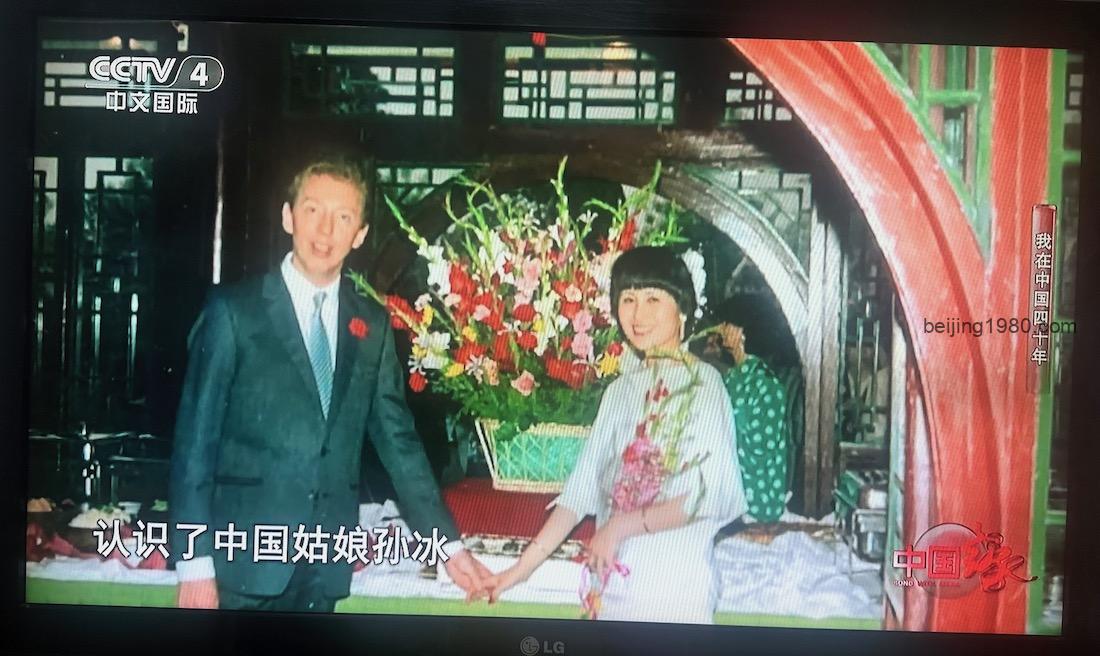
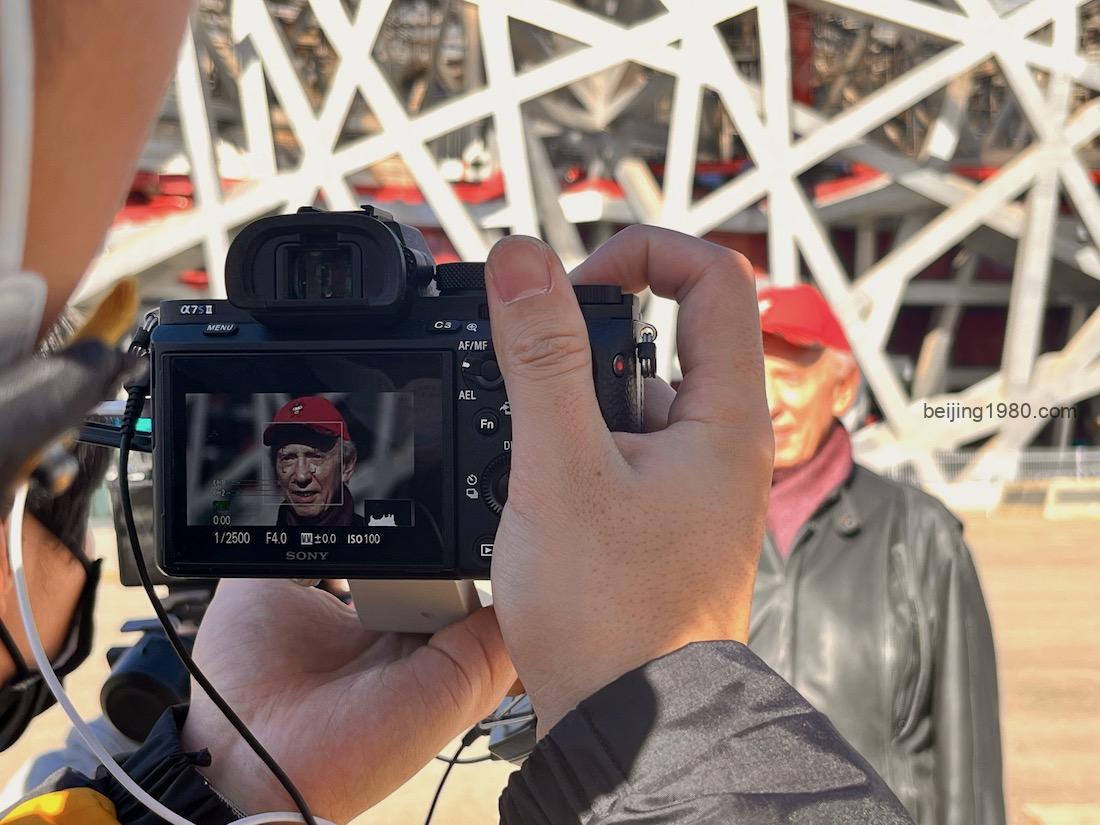
After months of waiting, days of shooting, meetings, and scanning old pictures, Gilbert was on CCTV4, with his friend Raja.
“China Edge” featured “I have been in China for 40 years”. The CCTV TV premiere was broadcast on CCTV-4 at 22:00 on Sunday 28 May 2023. Here is the CCTV program link. Click on the link to watch the nearly 30 minutes documentary. Look for the image with the Bird’s Nest. Or directly use this link, needs time to load.
A more easy link is here, where you simply click the play button.

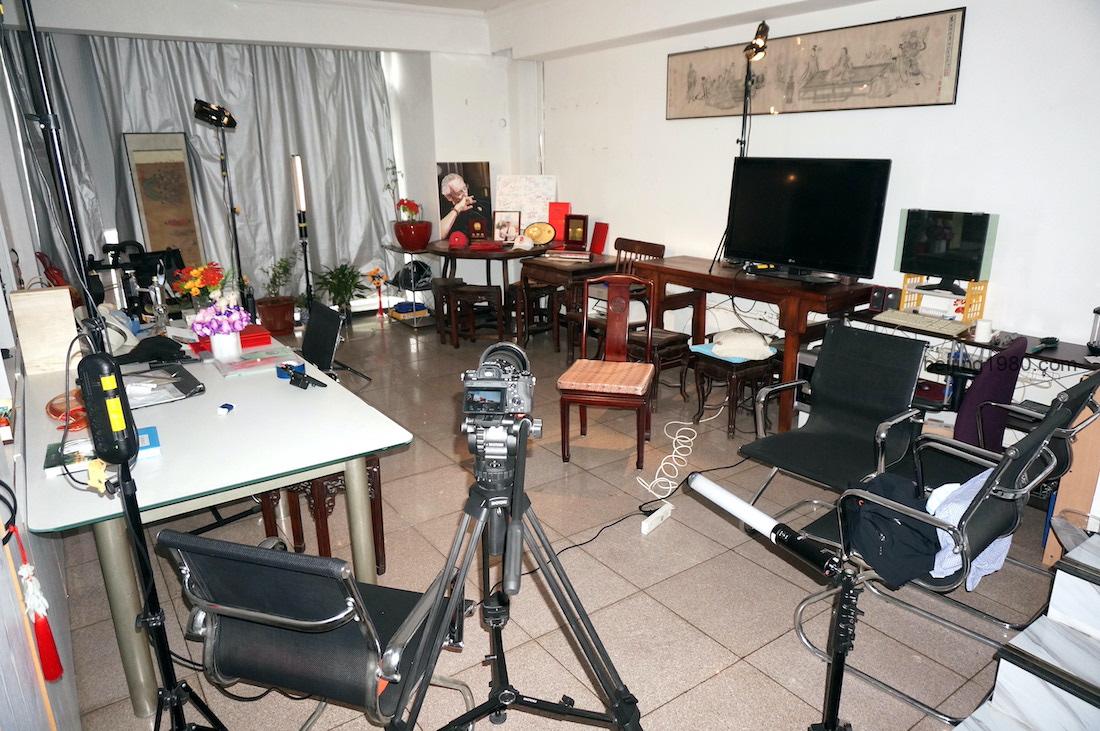
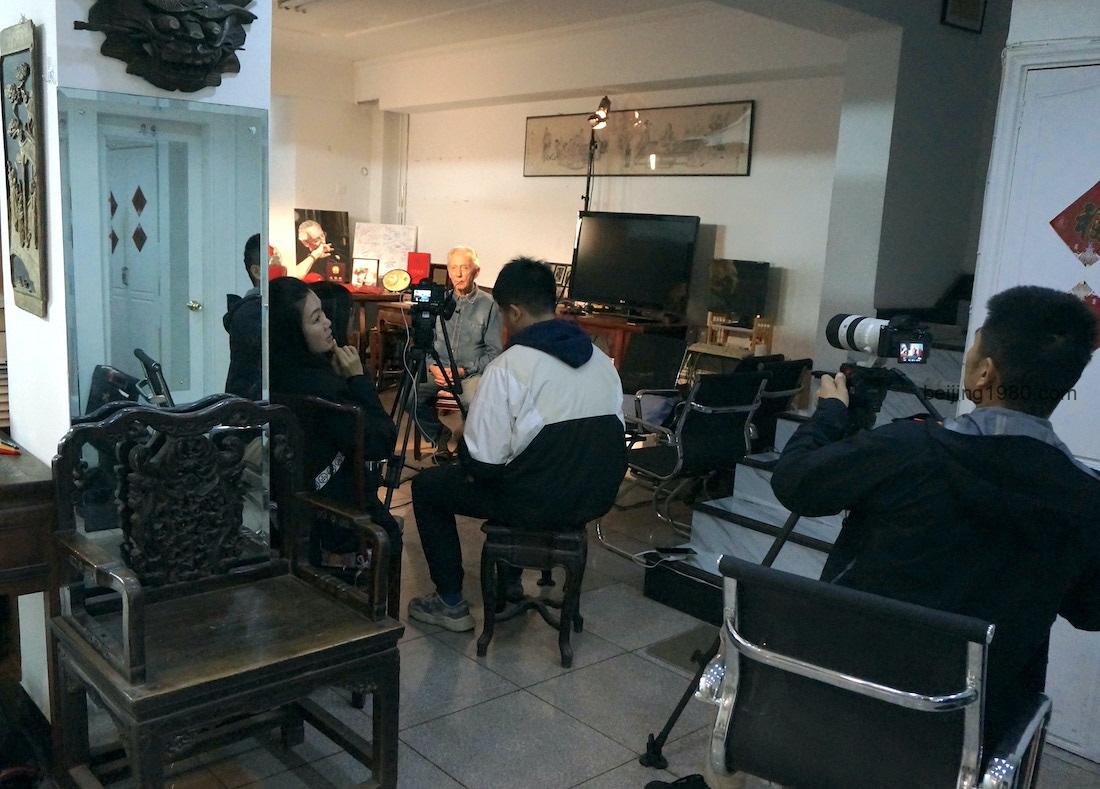
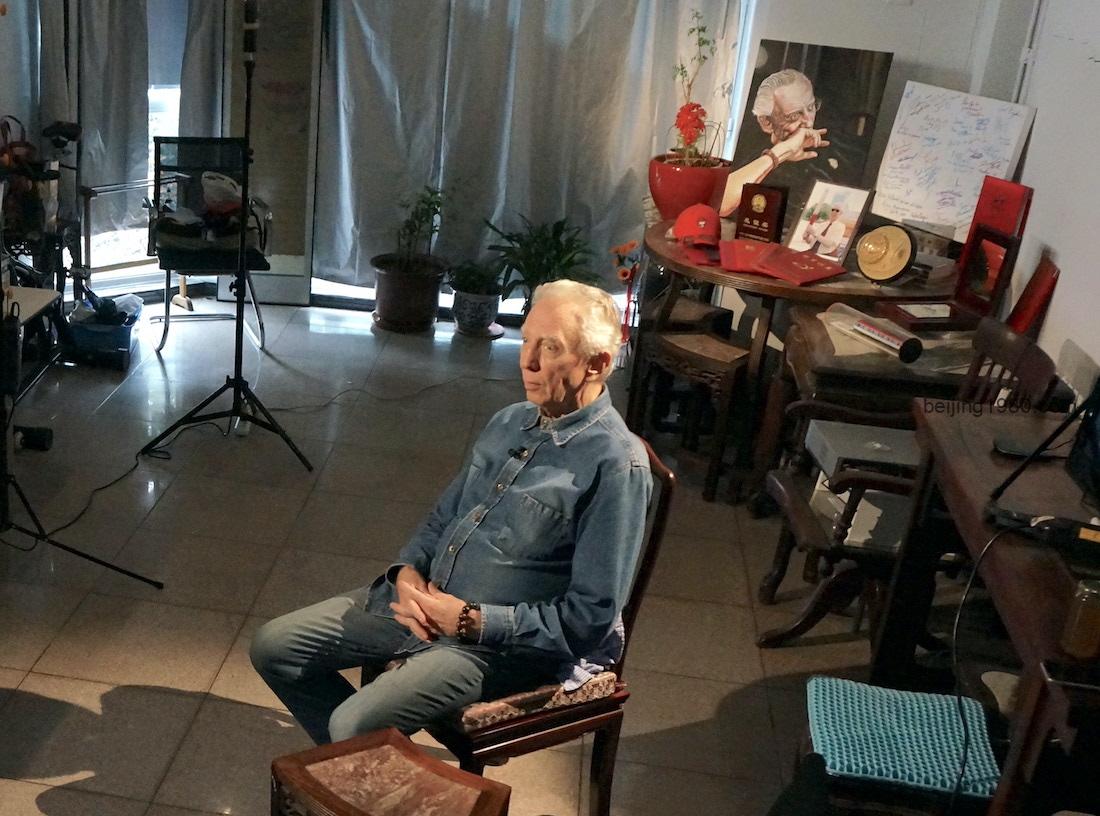
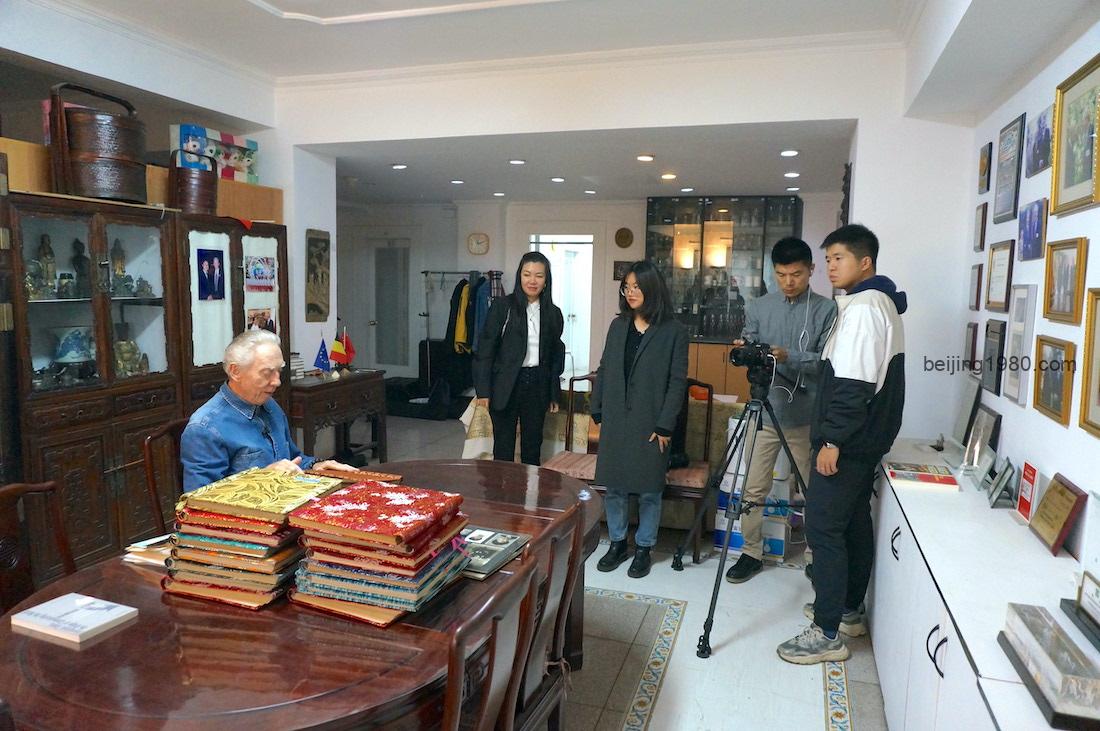
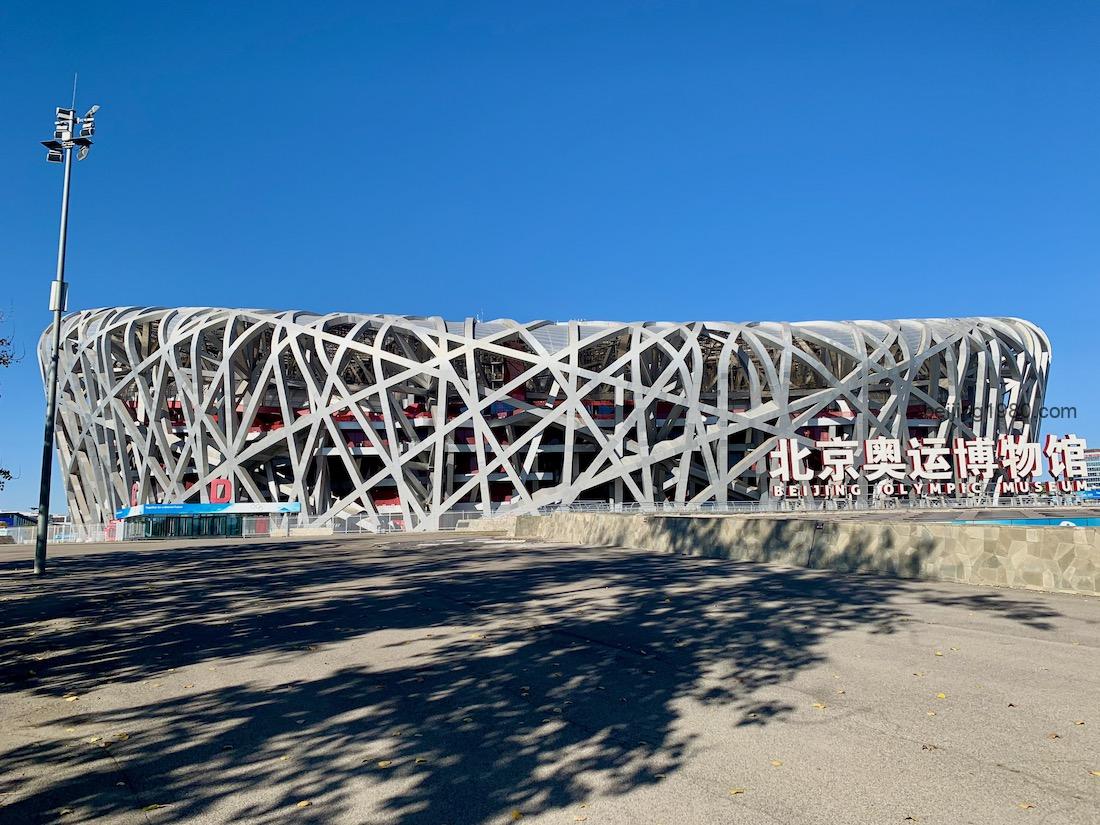
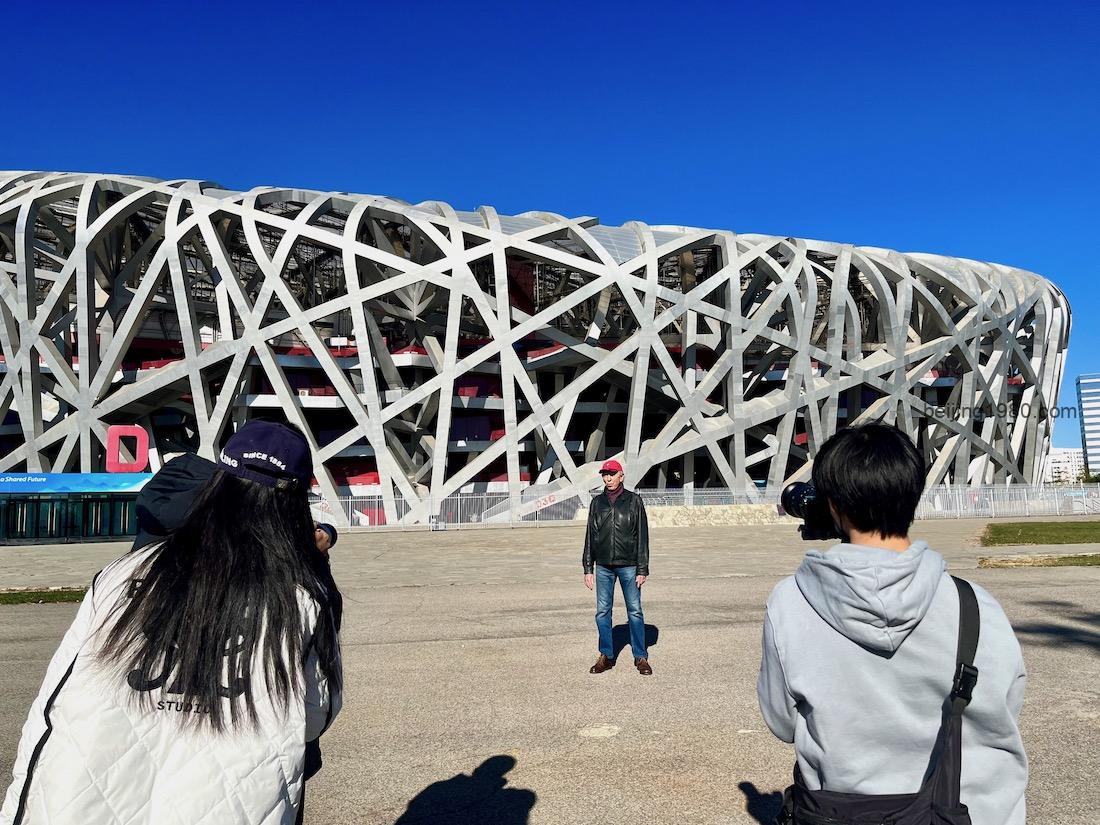
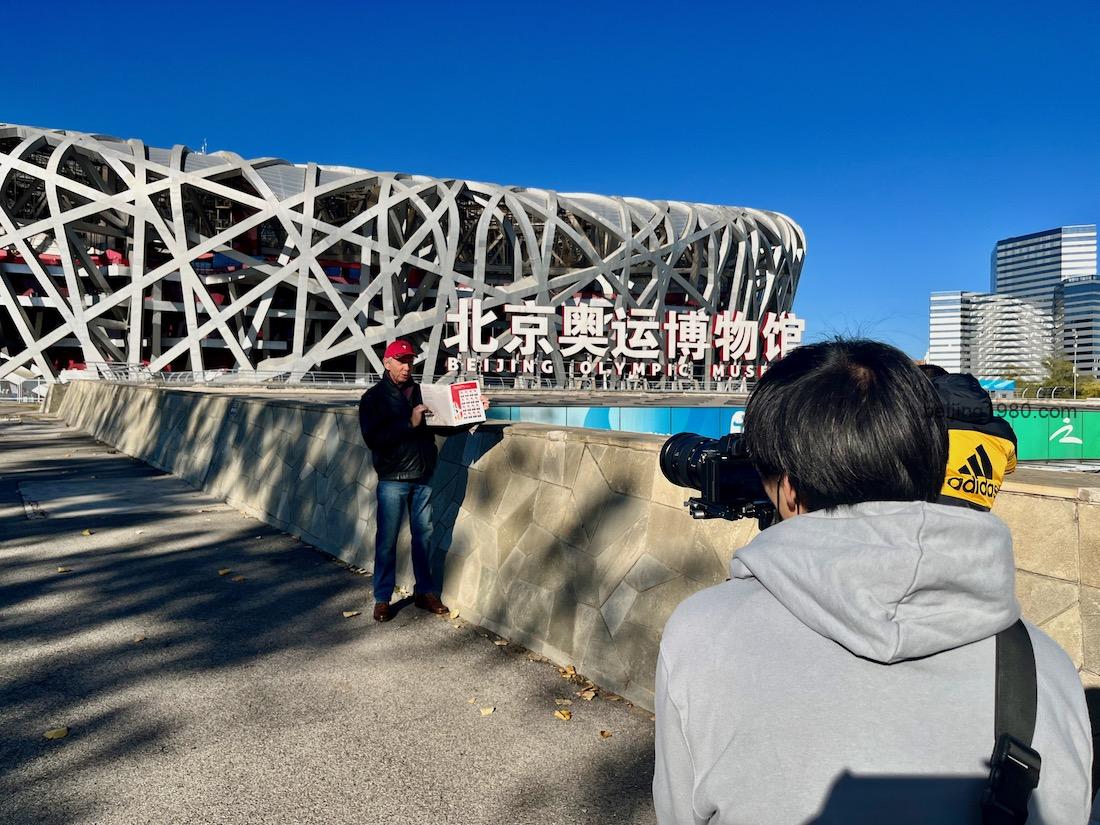
We started working on it in late September 2022, we had extensive shooting on 29 October 2022 in my home, on 7 November 2022 near the Bird’s Nest and the Athletes Alley and during the Old China Hands lunch on 8 November 2022.

The documentary was too short to tell all my stories. CCTV4 plans to use more of the footage in the future.
All in all they did a great job. While I have the full video in my desktop it was exciting to watch it live on TV Sunday evening.

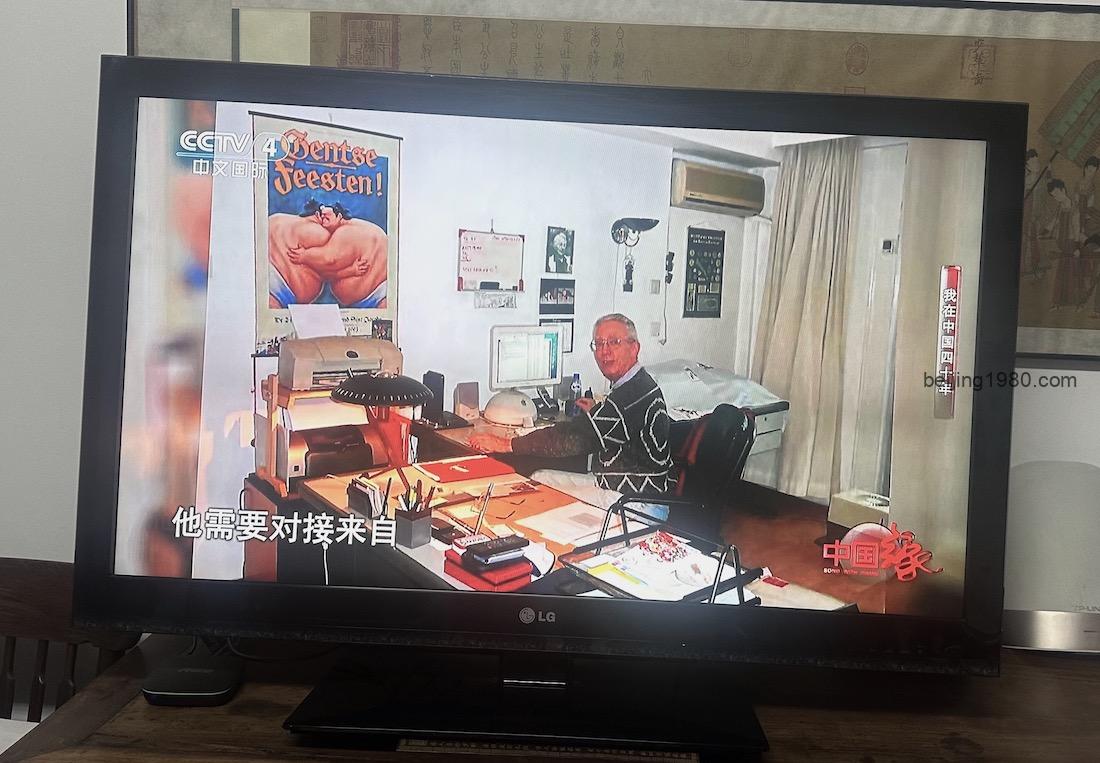
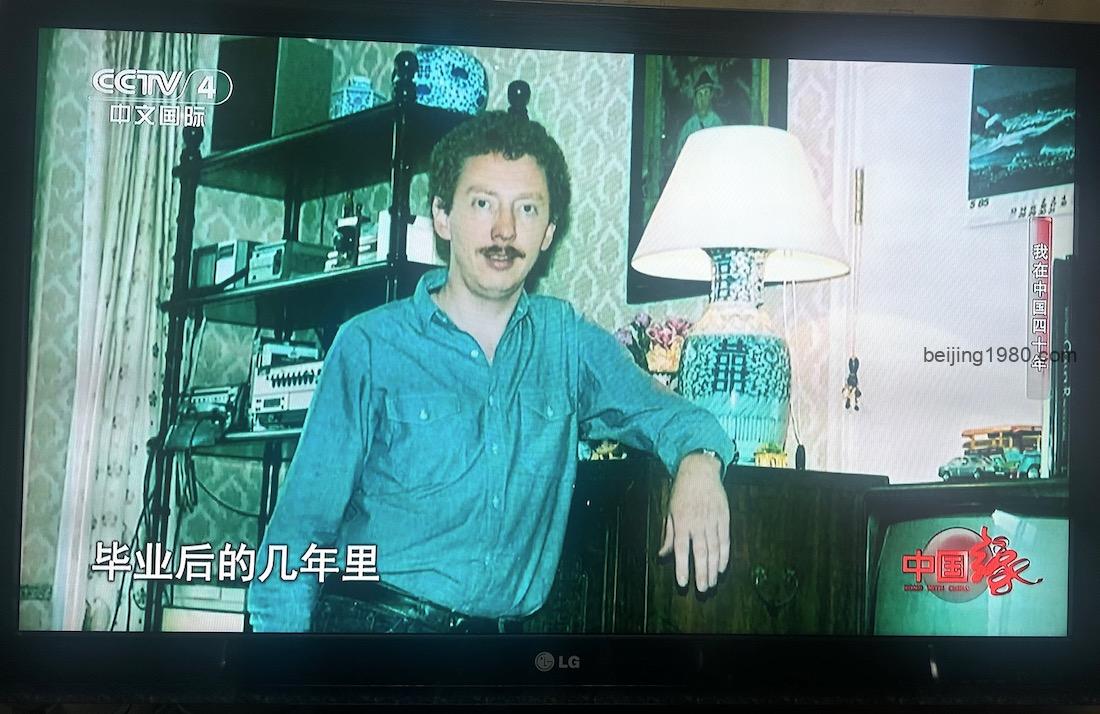
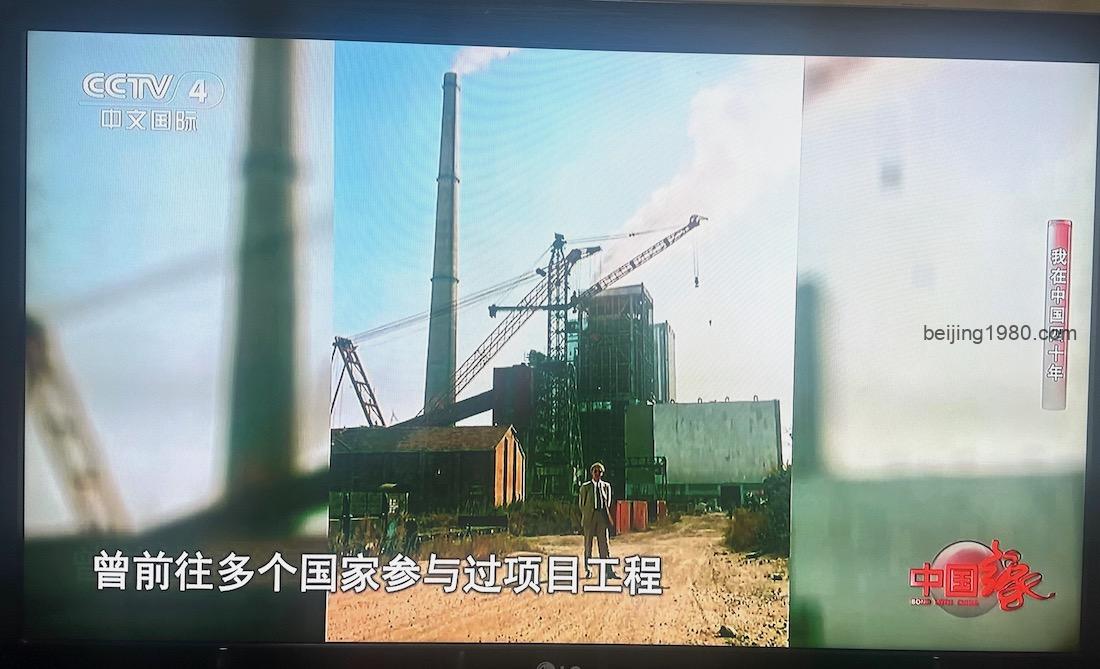
See some screenshots!

Shooting at home

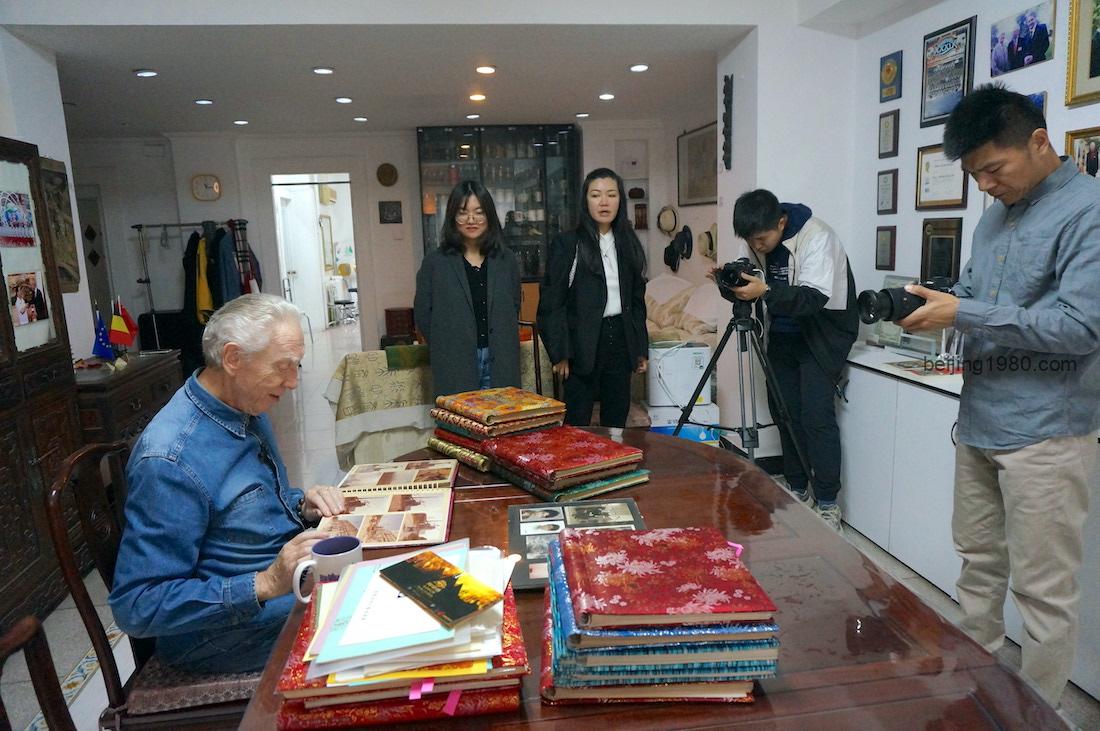
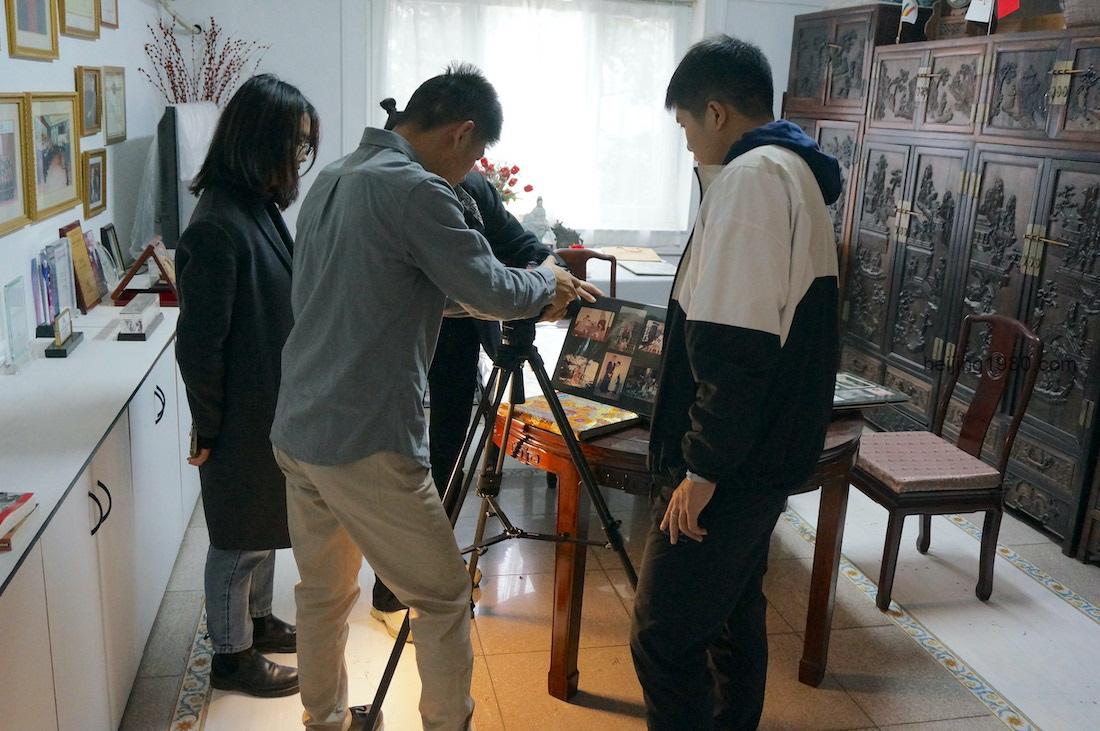
On 29 October 2022 the large CCTV4 crew invaded my home office, turning everything upside down. One needs a lot of patience with those TV people.

Main parts were the interview and shooting me going through my mountain of old picture albums.

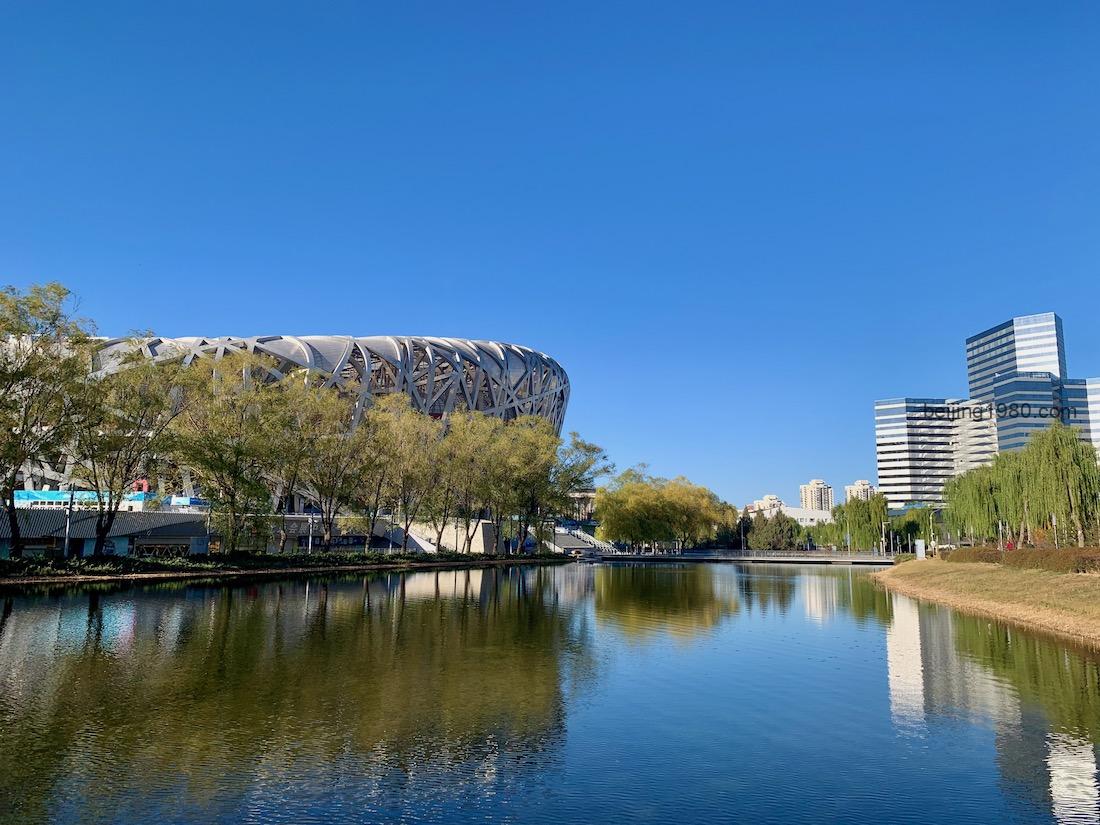
The Bird’s Nest

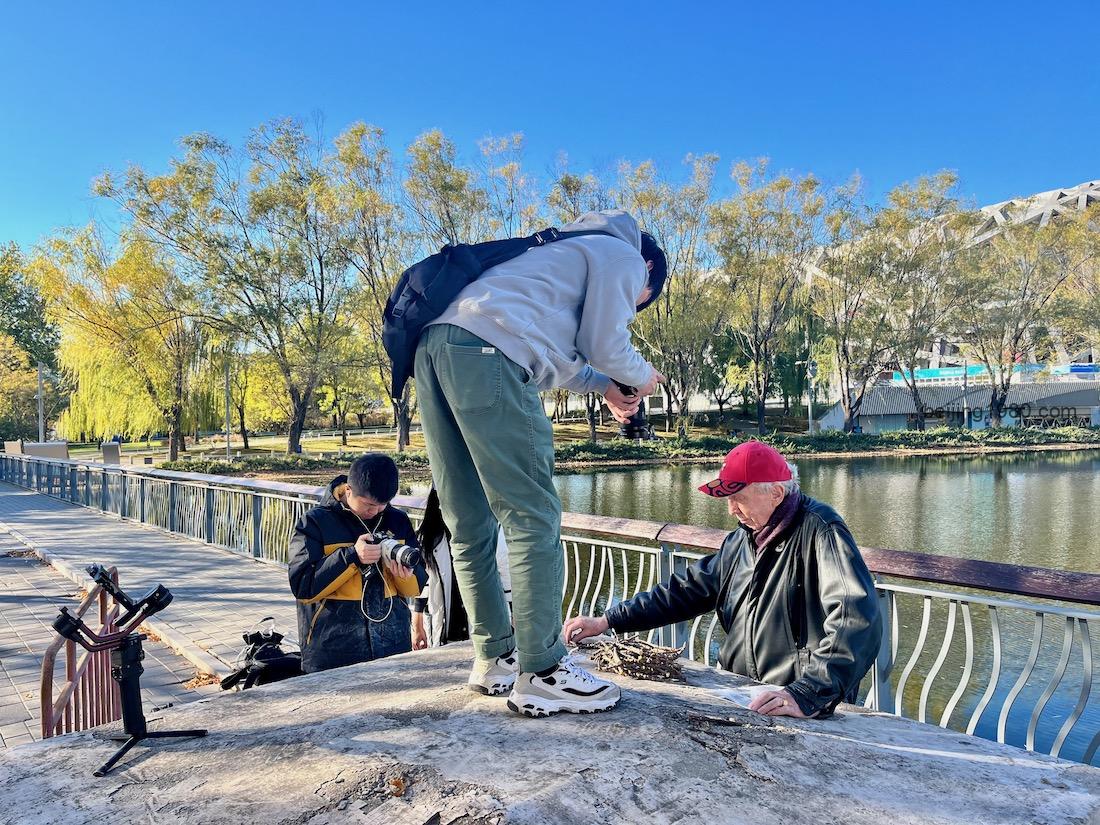
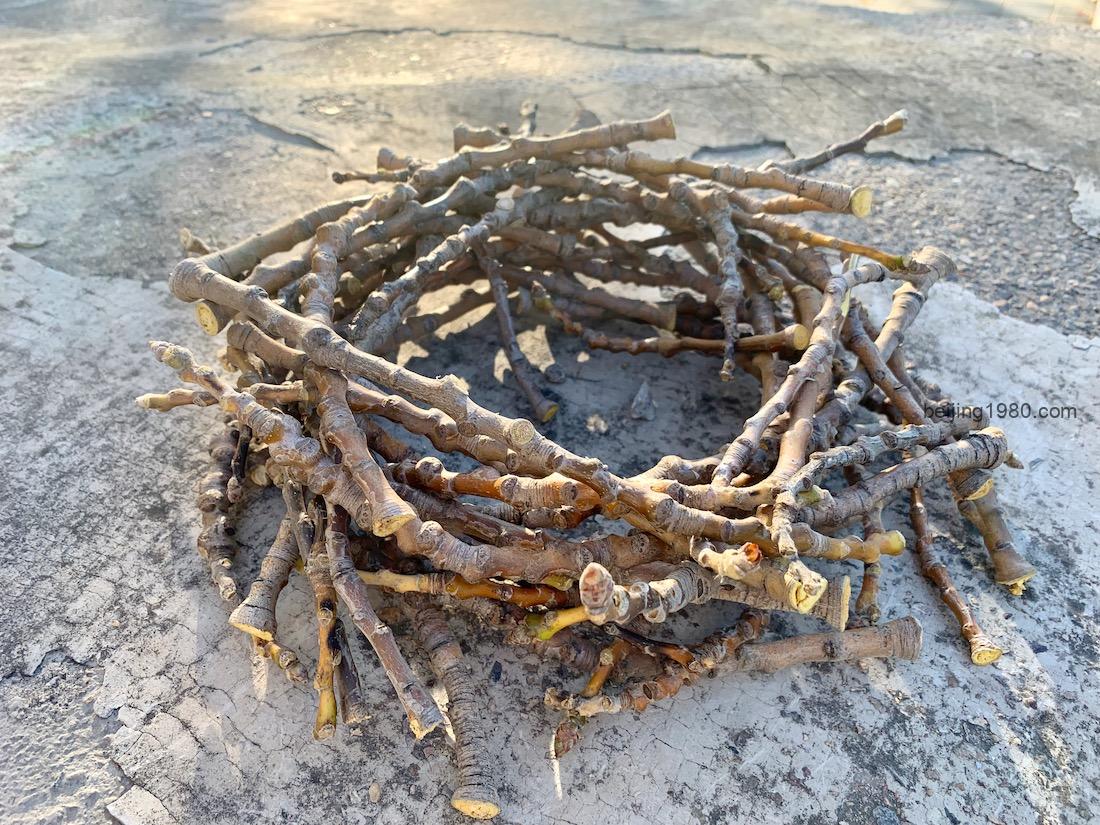
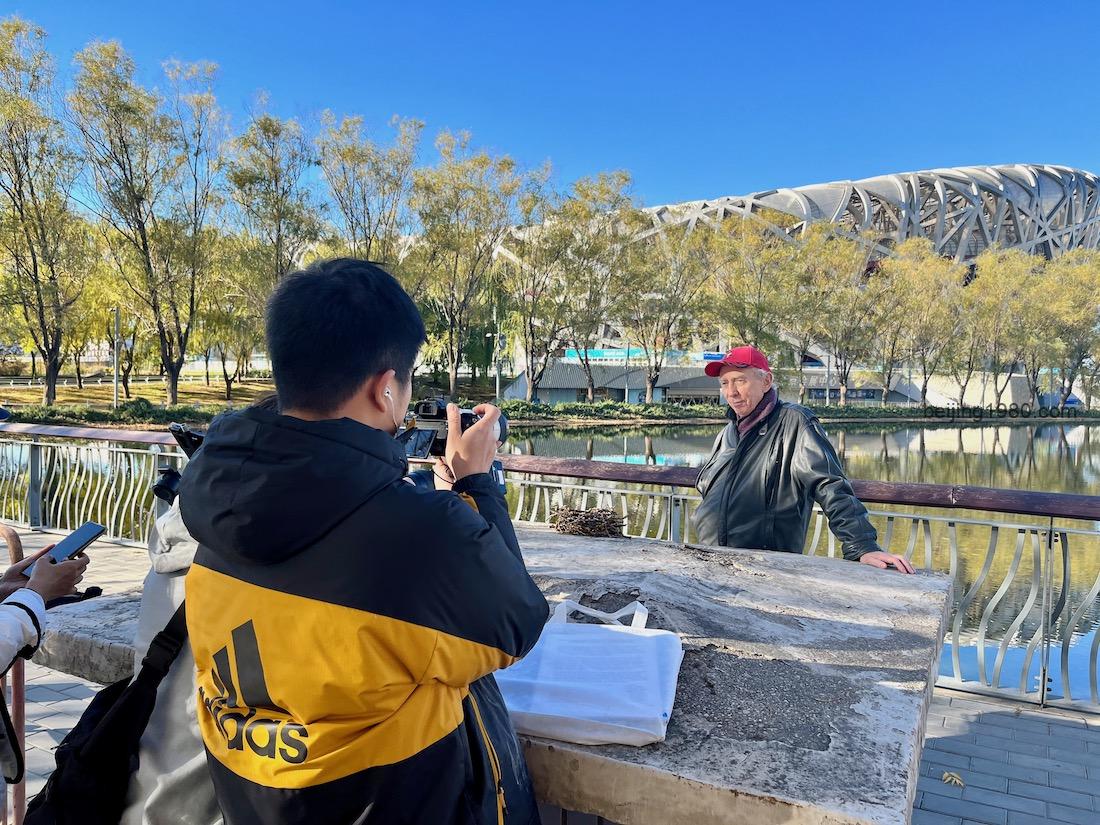
On 7 November 2022 we spent an awful time near the Bird’s Nest. The crew had some “creative ideas” (no, NOT mine!) to build some kind of bird’s nest with twigs they found on the ground. I felt like back in kindergarten…

The same day we went to see the Athletes’ Alley of Olivier Strebelle in the Olympic Park, that will be the topic of a separate post. Too many memories of that statue and for me a bit of a sad ending.

Zibo BBQ capital of China

BBQ Capital

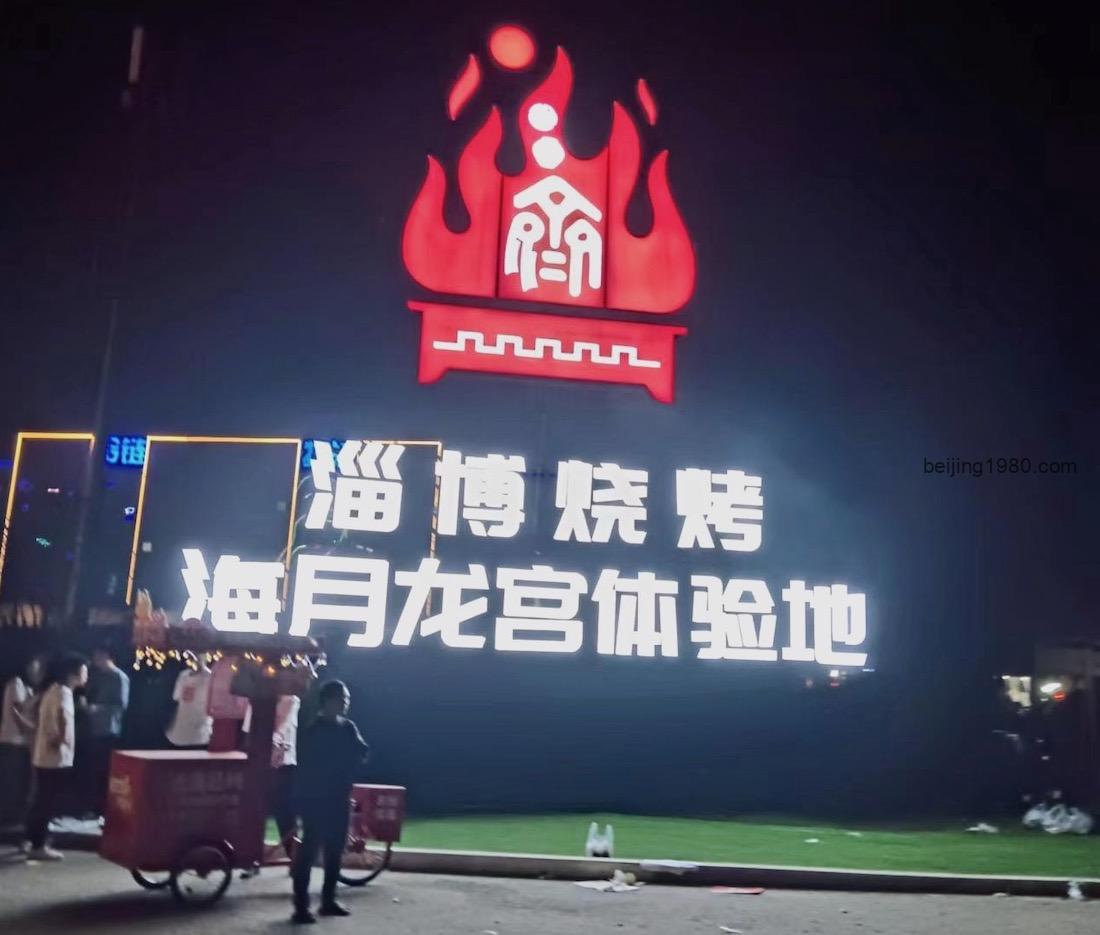
Our visit to Zibo was of course to check out “Zibo BBQ capital of China”! Here the third and last post about our visit.
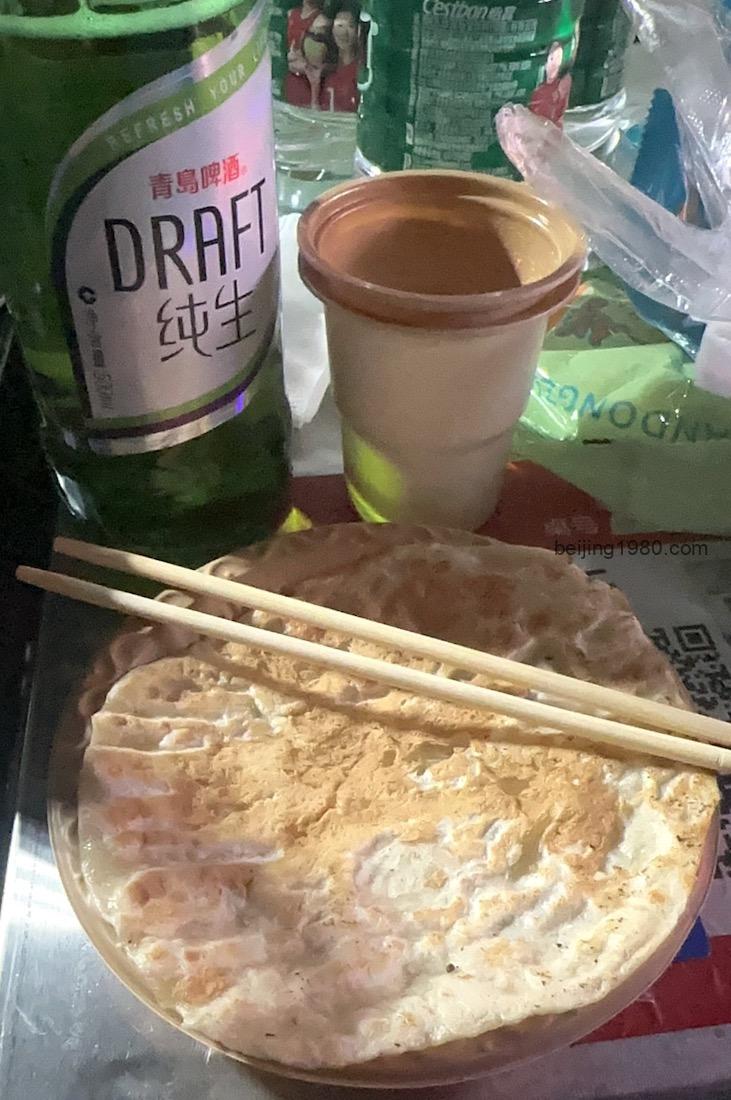
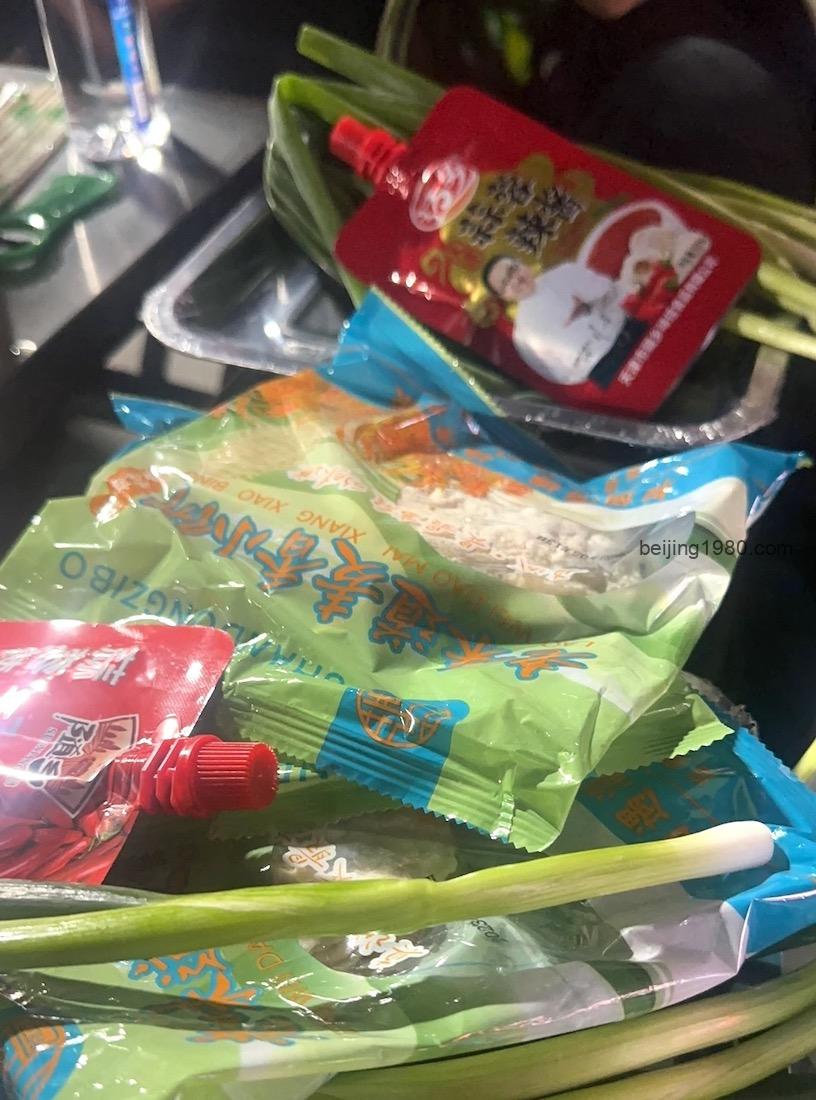
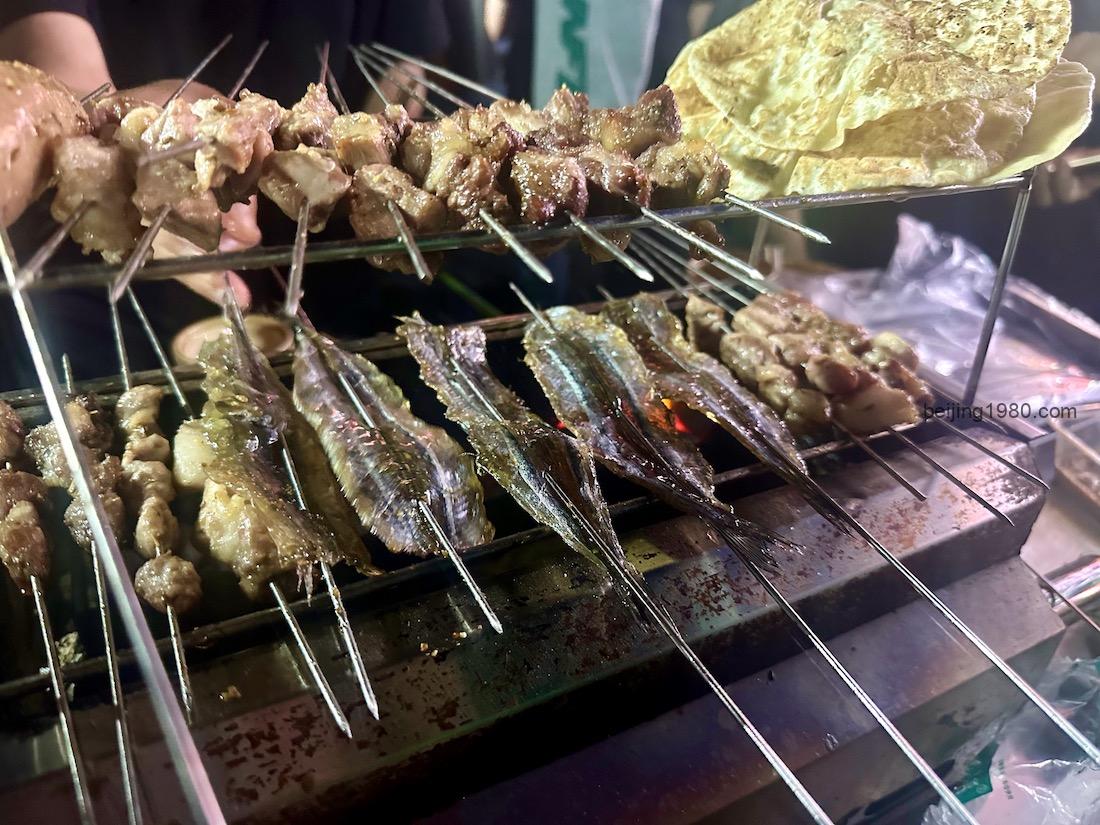
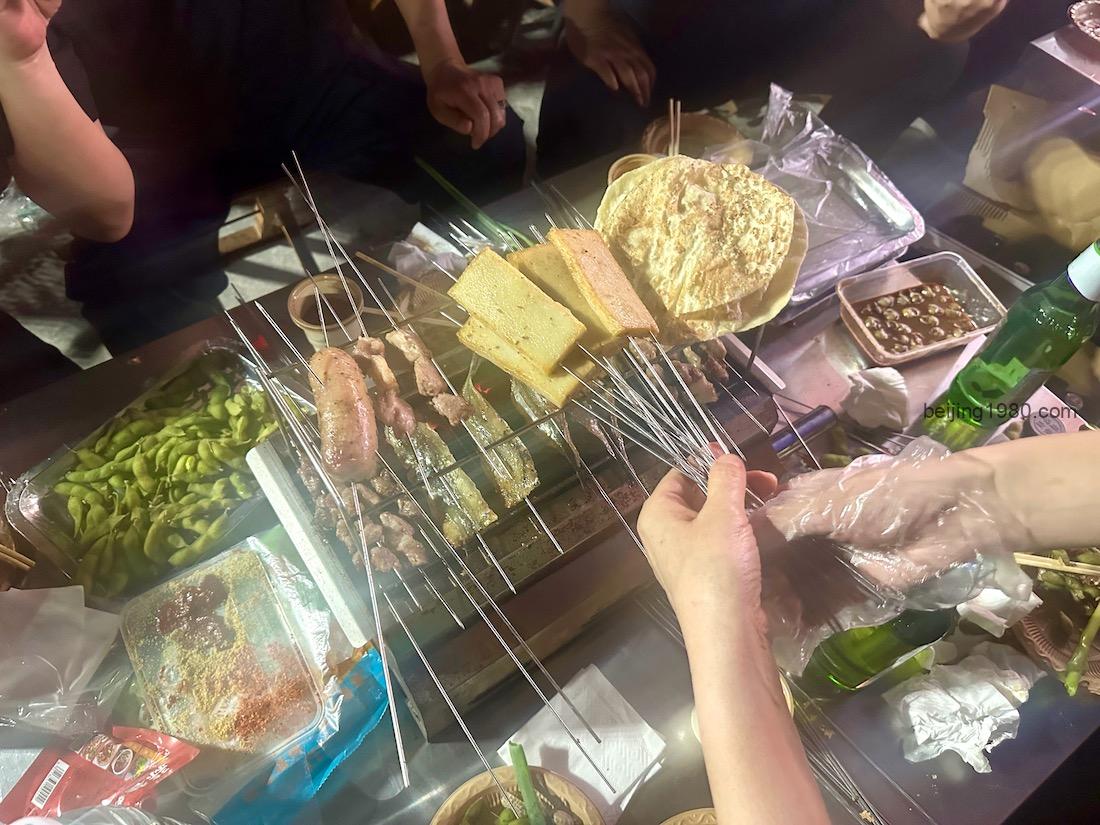
Since early March 2023, the local barbecue has caused a sensation online. The little double-layer charcoal stove, small pancakes, green onions and sauce became icons among netizens. Zibo has made a name for itself with its grilled meat pancakes. I also tried to make those!

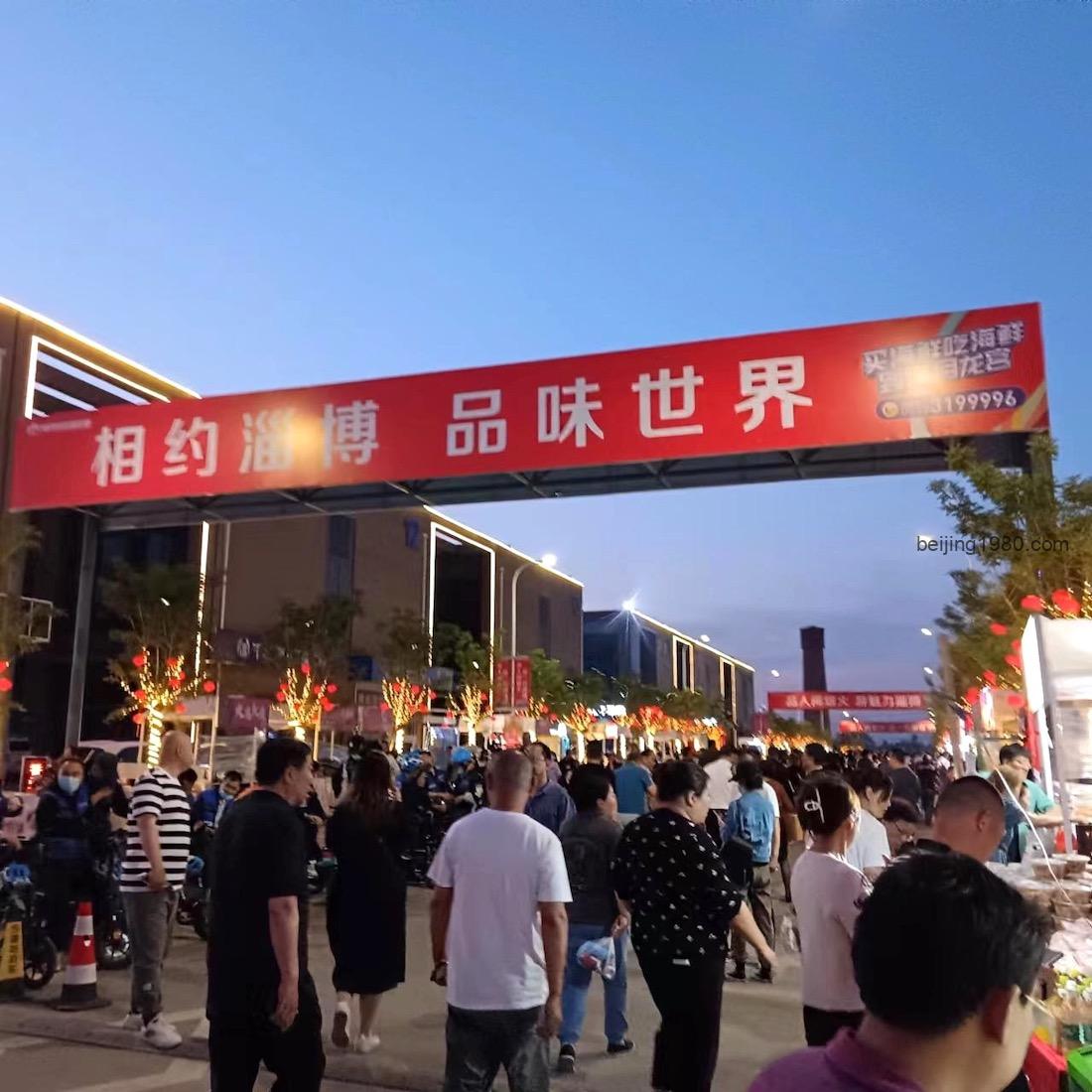
Zibo, a city of 4.7 million, received 4.8 million visitors in March, with a year-on-year increase of 134%, and tourist revenue was up by 60%. A total of 1,288 barbecue businesses served 135,800 customers a day on average, most of whom were university students from across the province and nationwide.
About 120,000 people – many searching for barbecue food – visited Zibo over five-day Labor Day holiday this year.

Online travel agency Qunar said that every tourist who went to Zibo for a barbecue meal spent 750 yuan on average on the trip, including transport and accommodation. That is about half the per capita spending of visitors to more well-known and established tourist centers like Chengdu in Sichuan province.
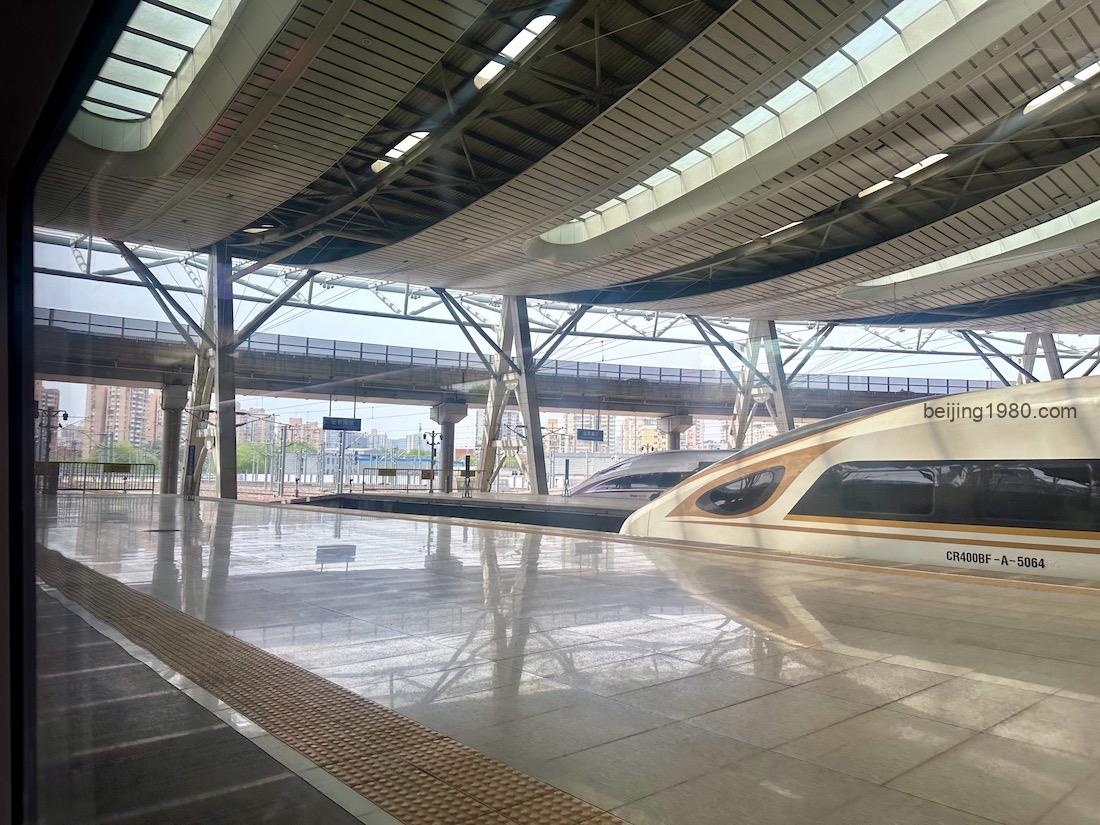
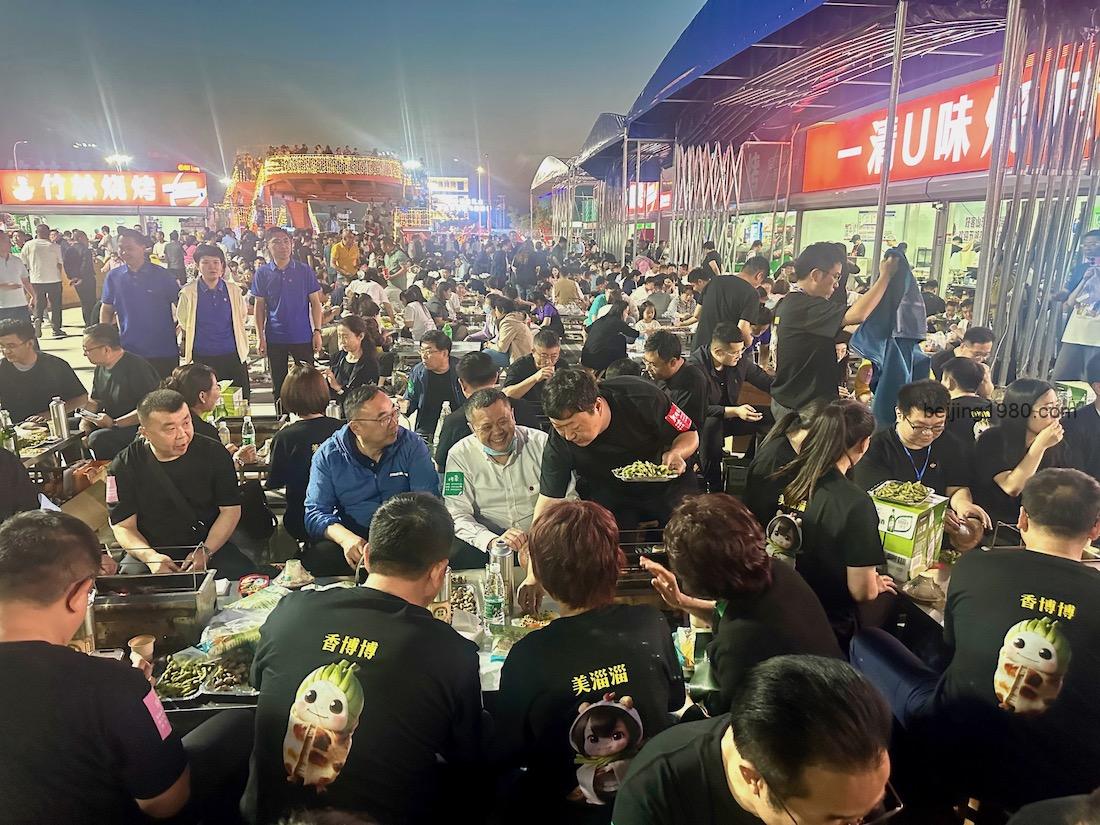
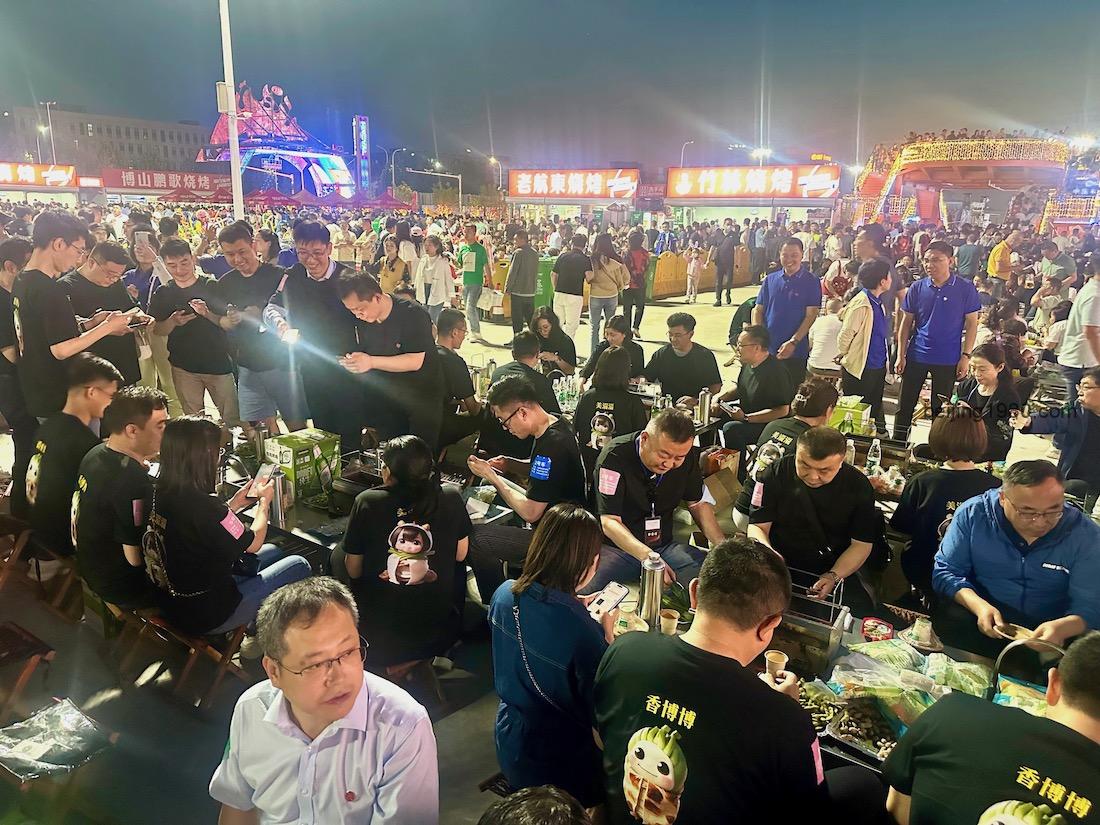
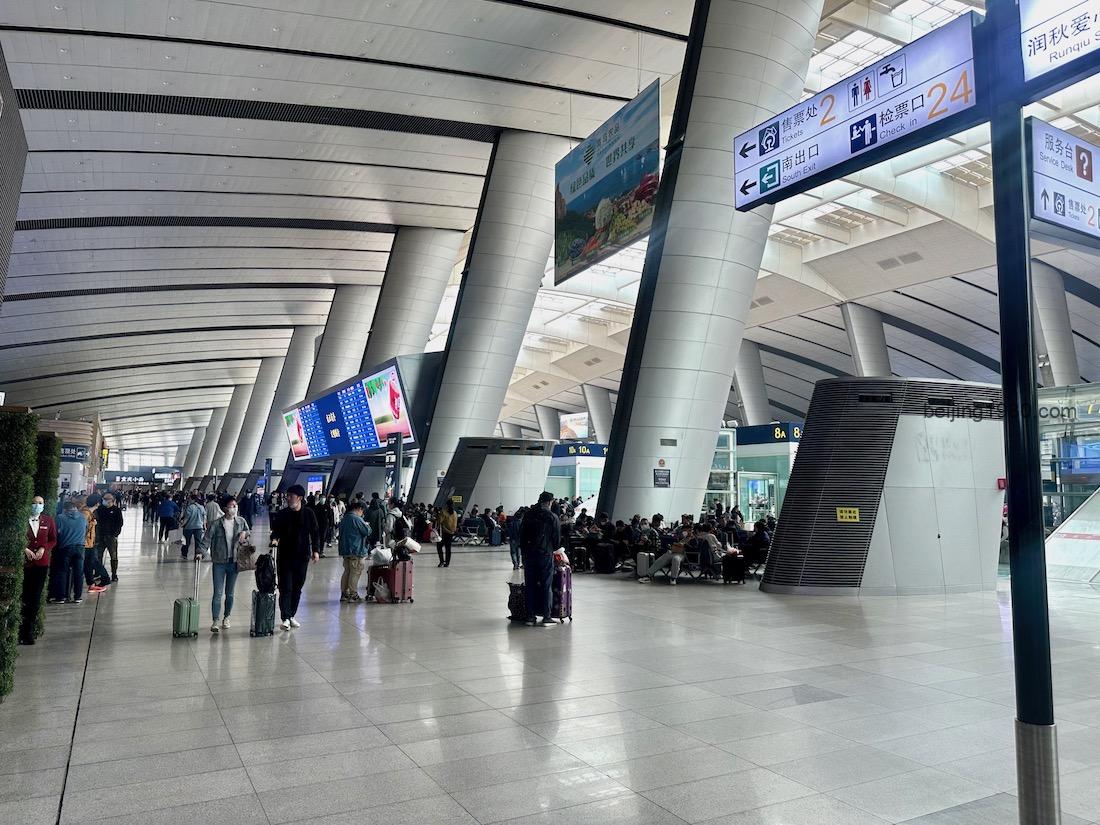
The local government has set up 21 buses to ferry visitors from the train station directly to barbecue restaurants. They erected the barbecue festival on the site of a sprawling seafood market, the only place big enough to host 10,000 people. The place we visited was said to host 20,000 people – so not sure about the figures.

On the bus

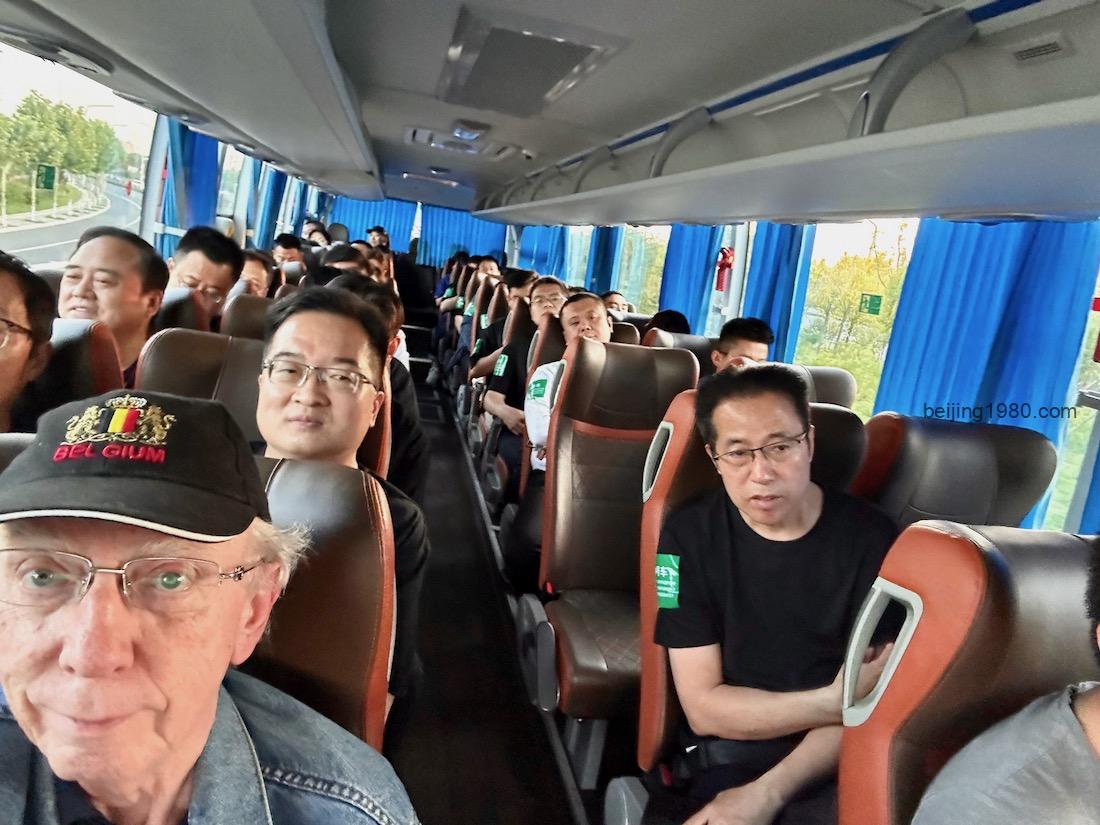
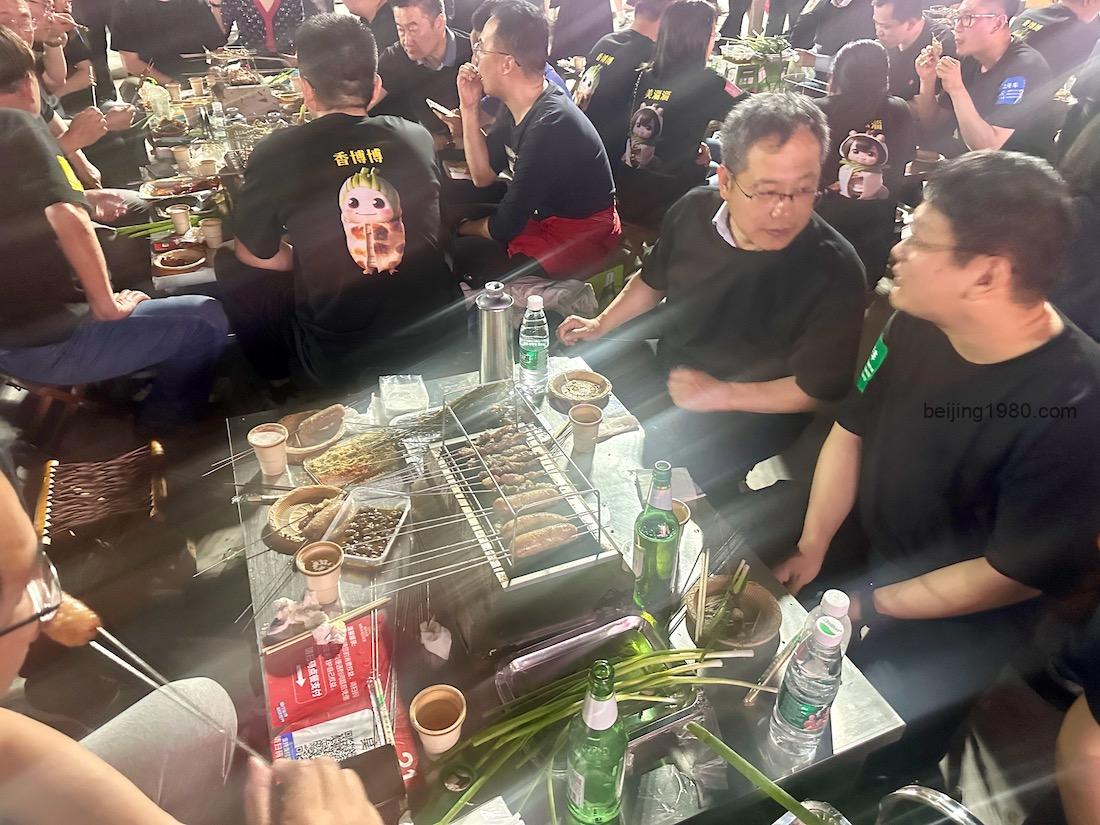
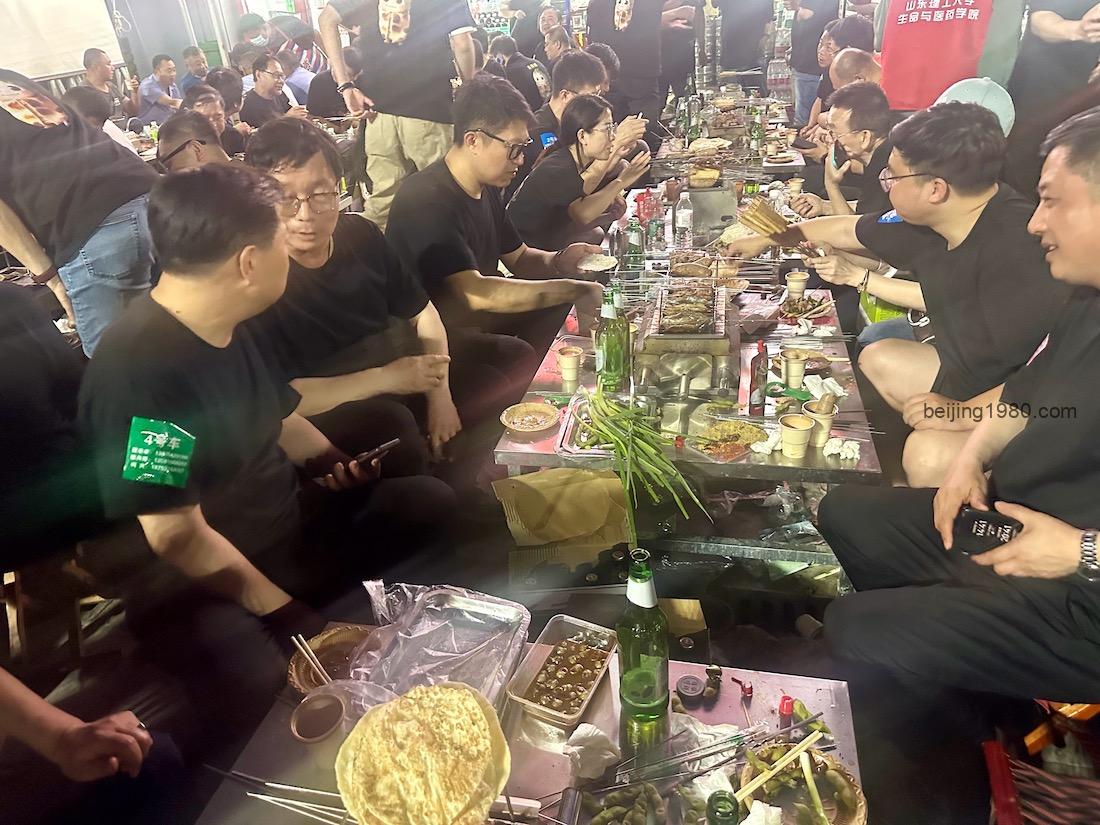
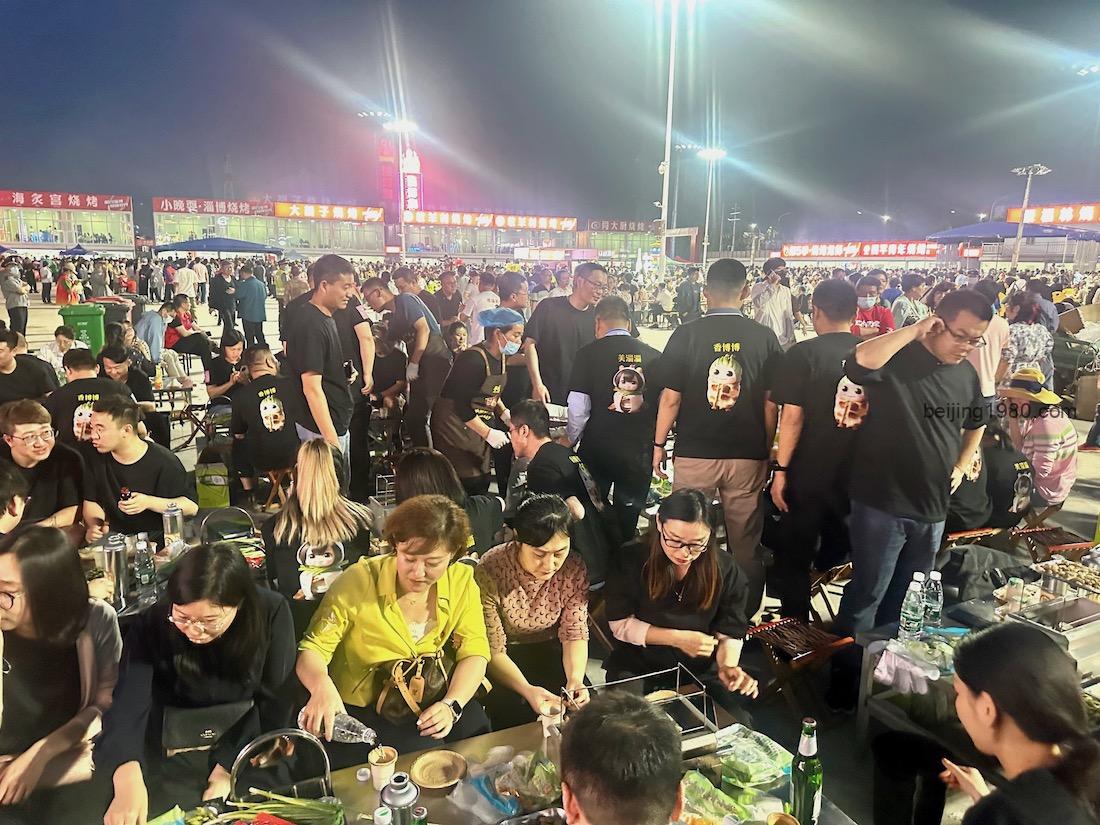
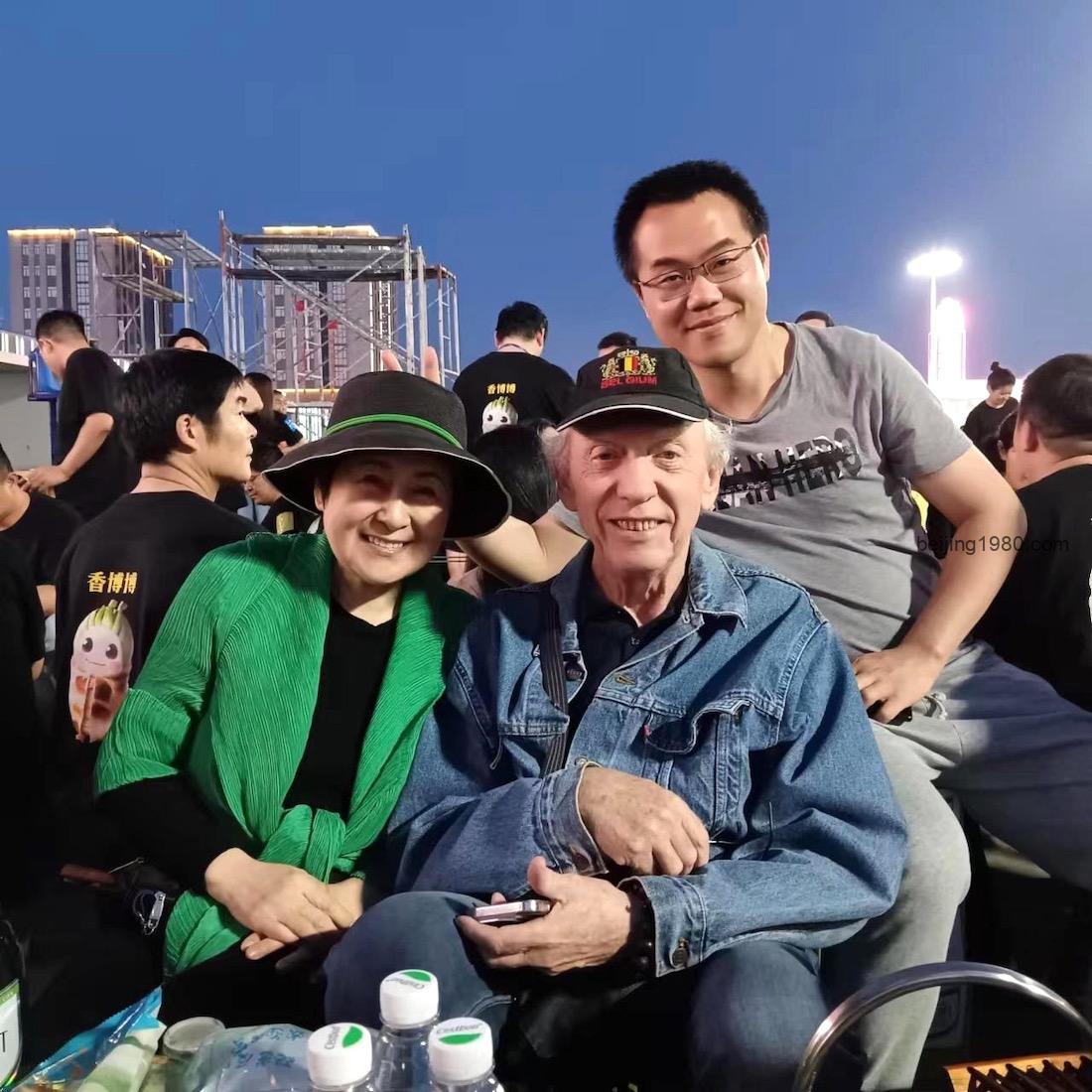
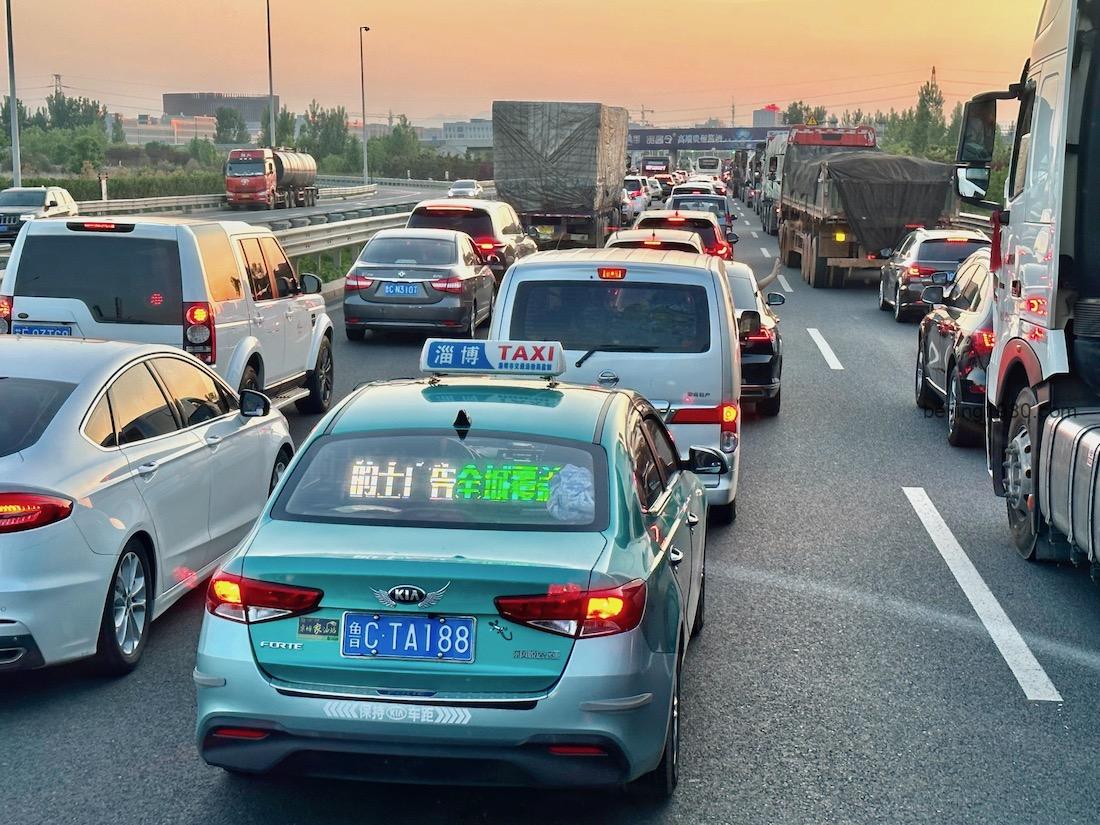
We went to one of the new BBQ villages outside of the city center, on a bus with the Shandong University Medical Alumni Association. There was a monstrous traffic jam on the highway approaching the BBQ village.
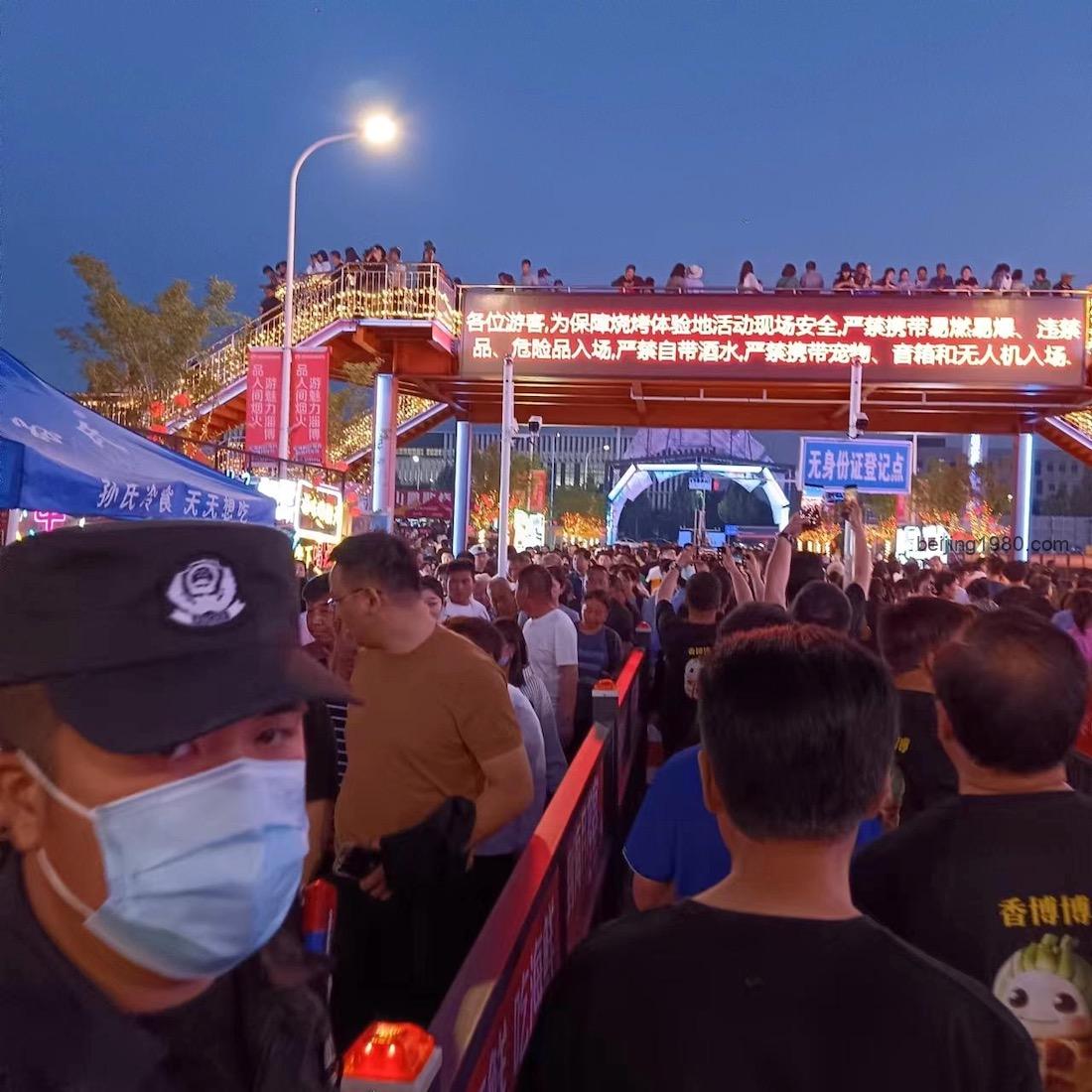
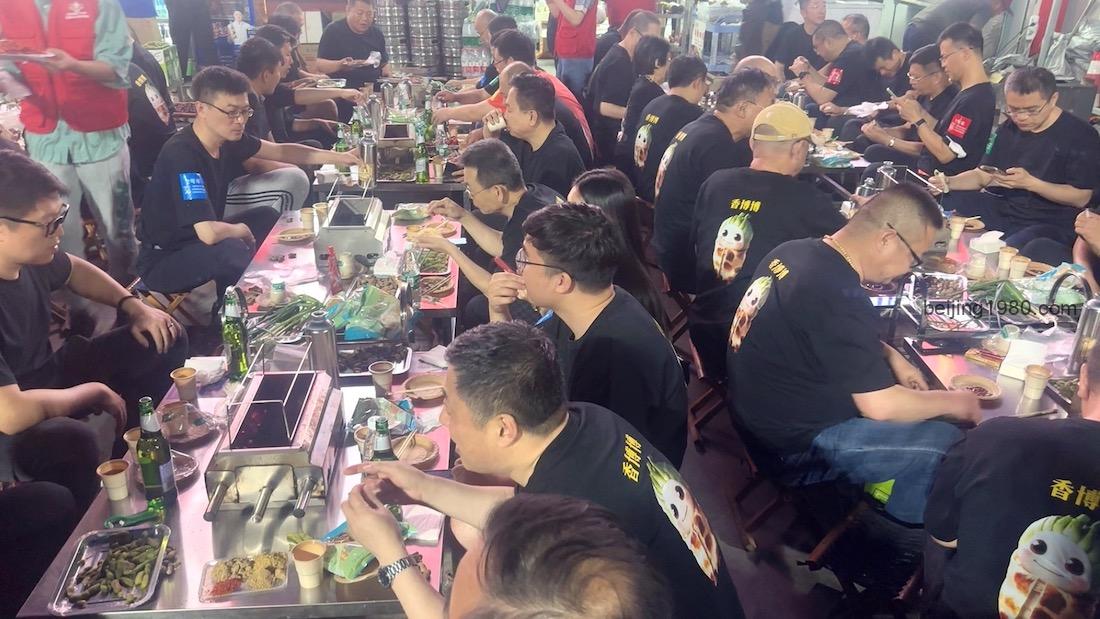
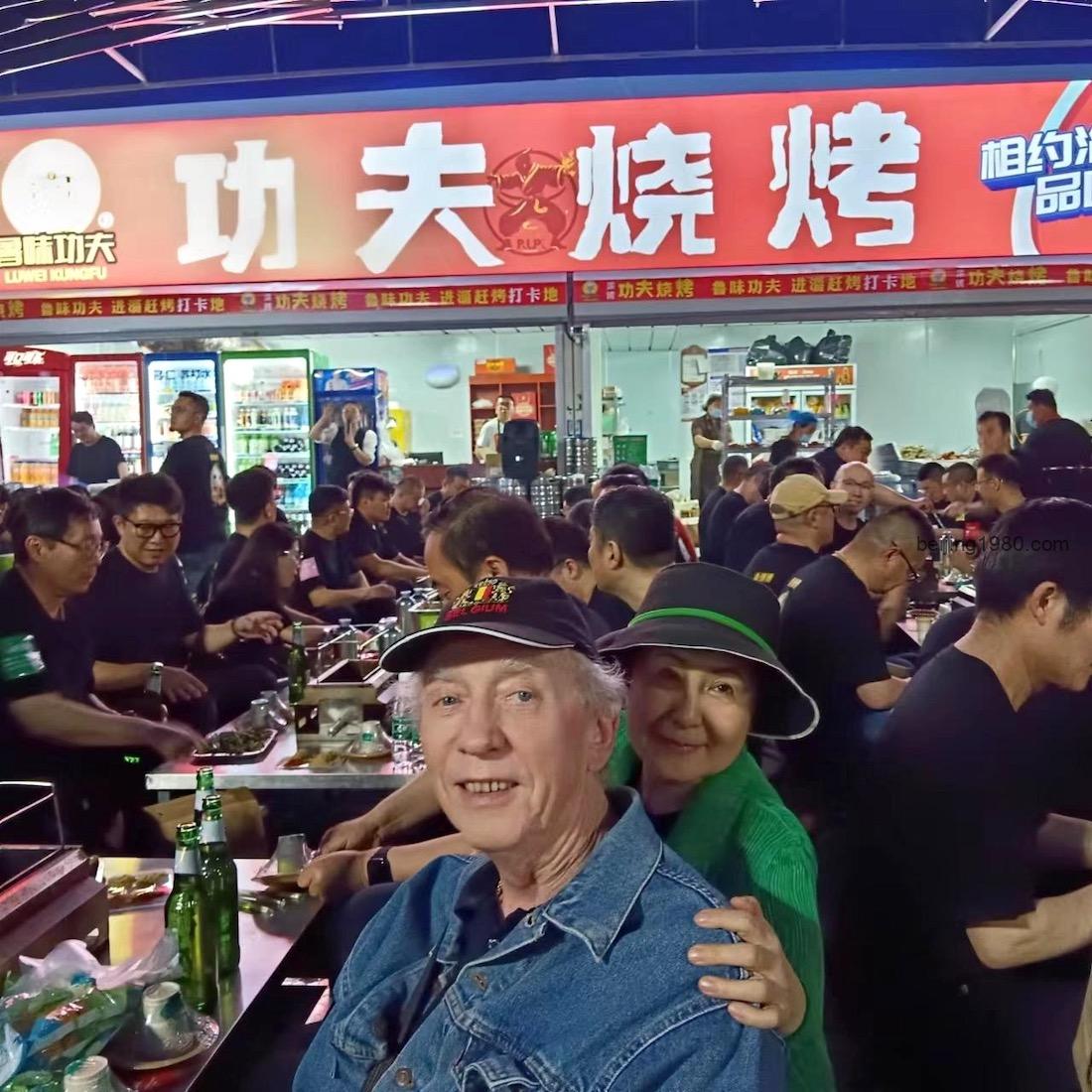
We were told the location serves 20,000 and customers often eat in shifts. We spent the whole evening with our group. While some other locations are said to be a bit dangerous with drunken people and fighting, our location was super crowded but with good security and there was no any incident.
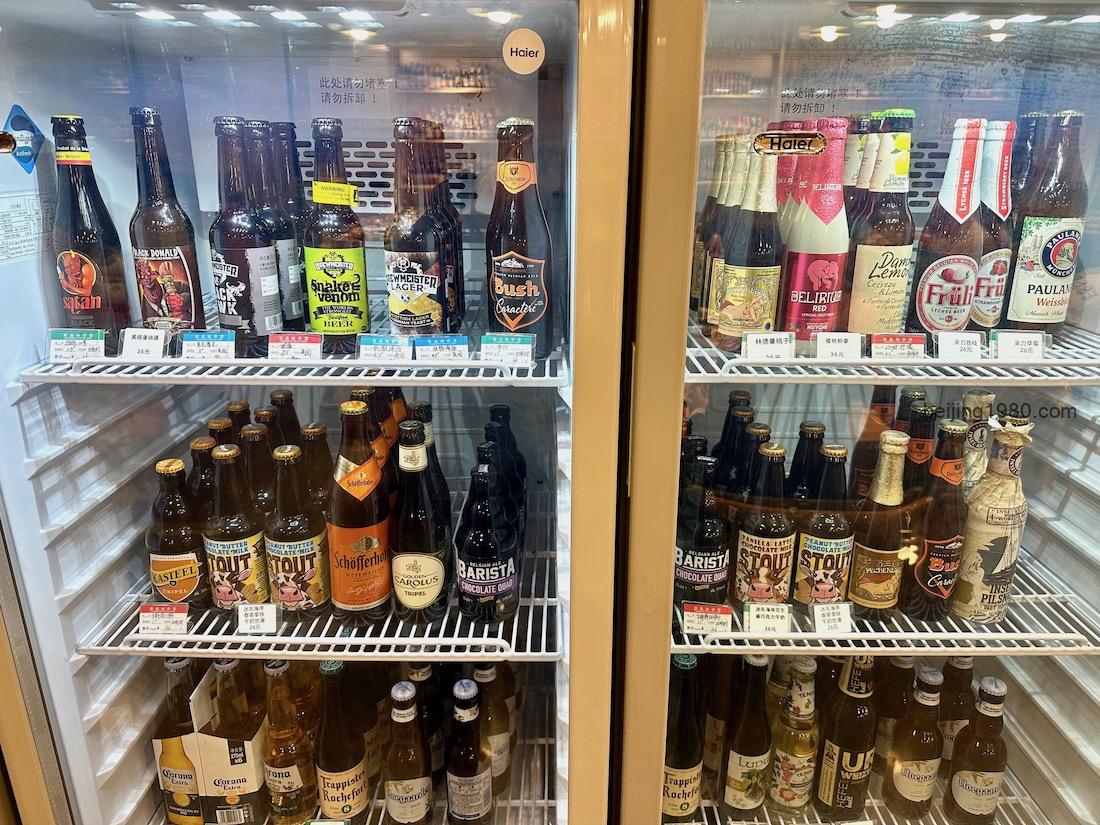
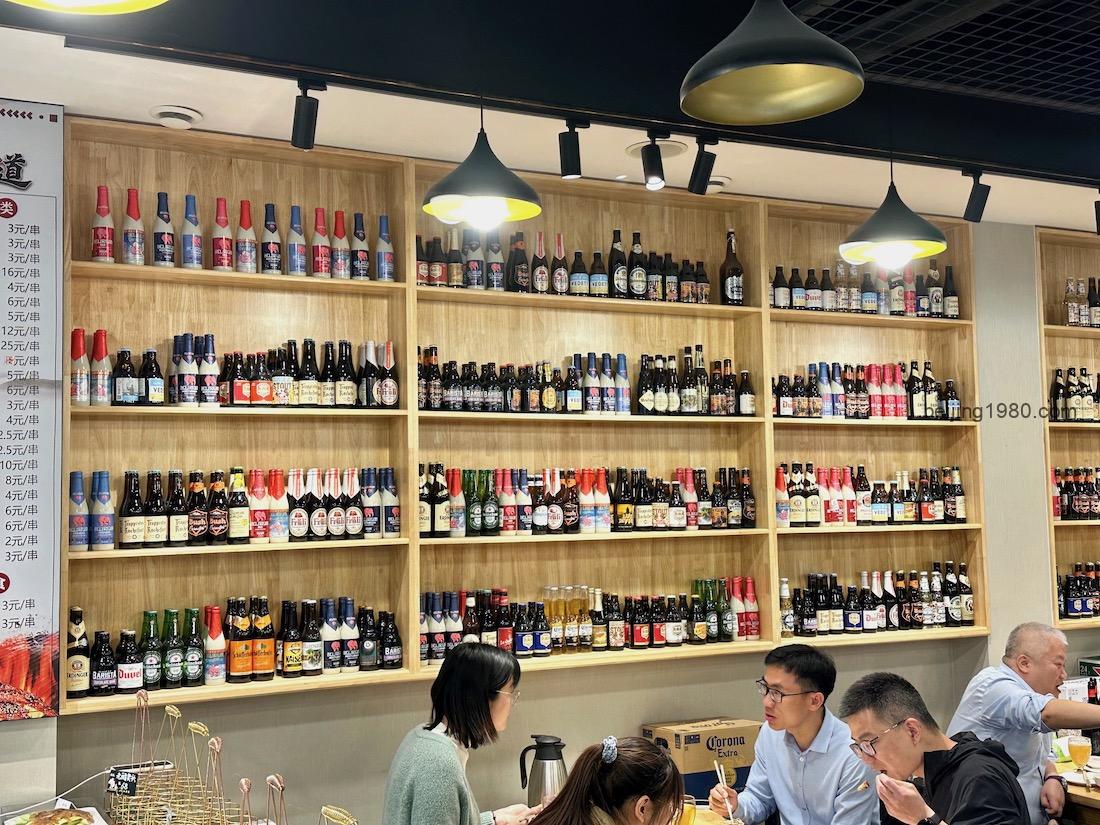
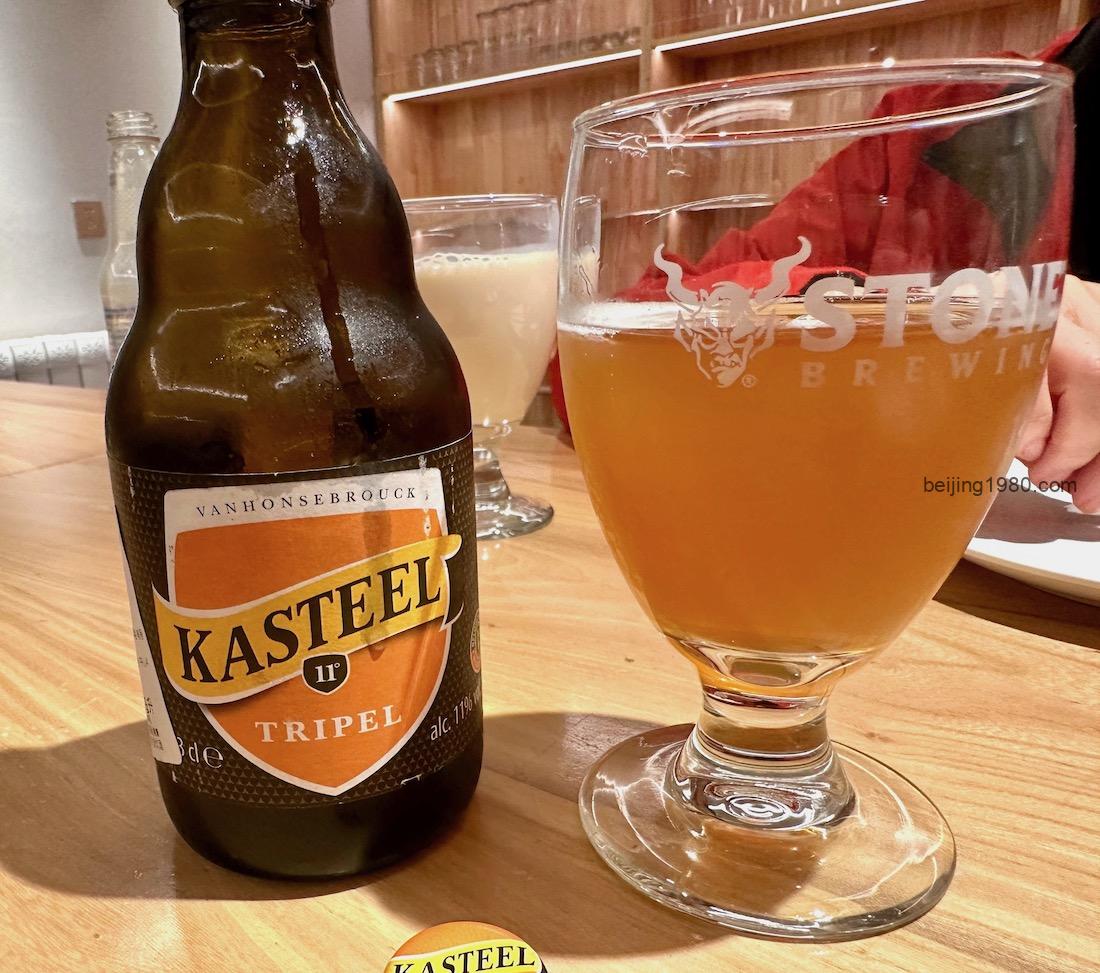
It all was a bit chaotic as we were all packed together sitting on small stools, or some on cartons of beer. I was told the normal cost per person is less than RMB100, without drinks. Our group had arranged a lot of beer and other drinks.

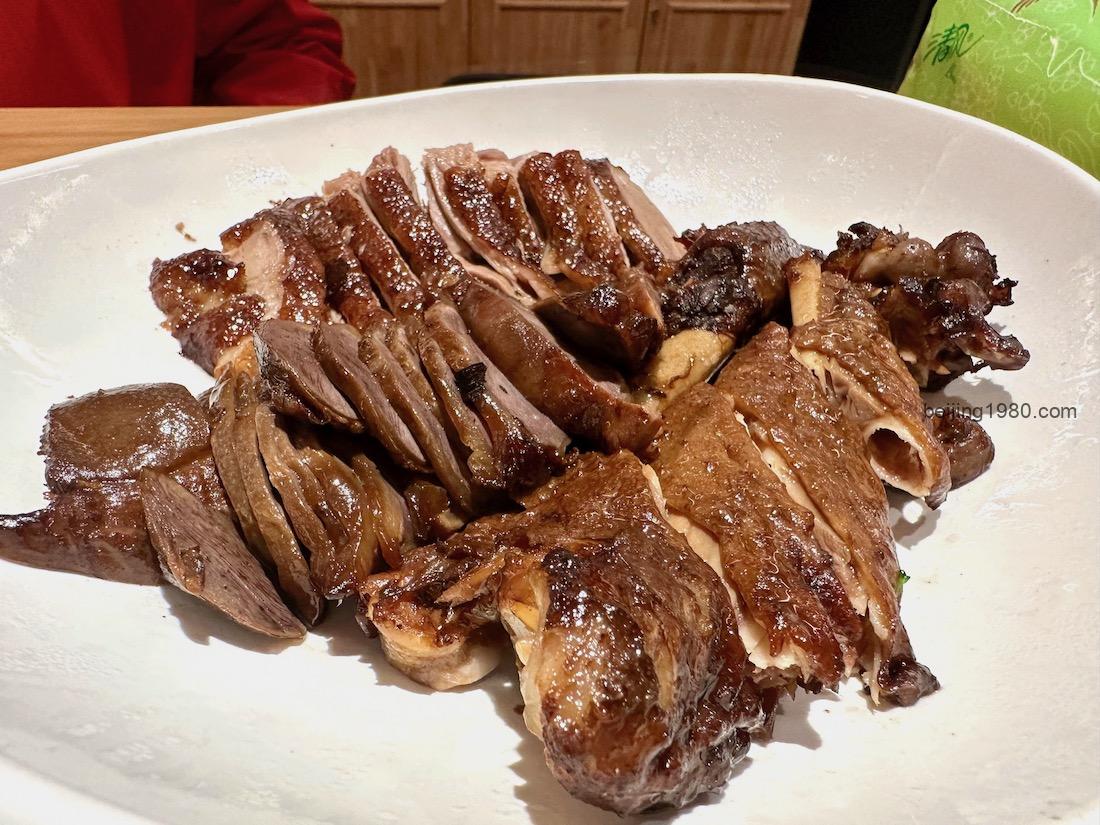
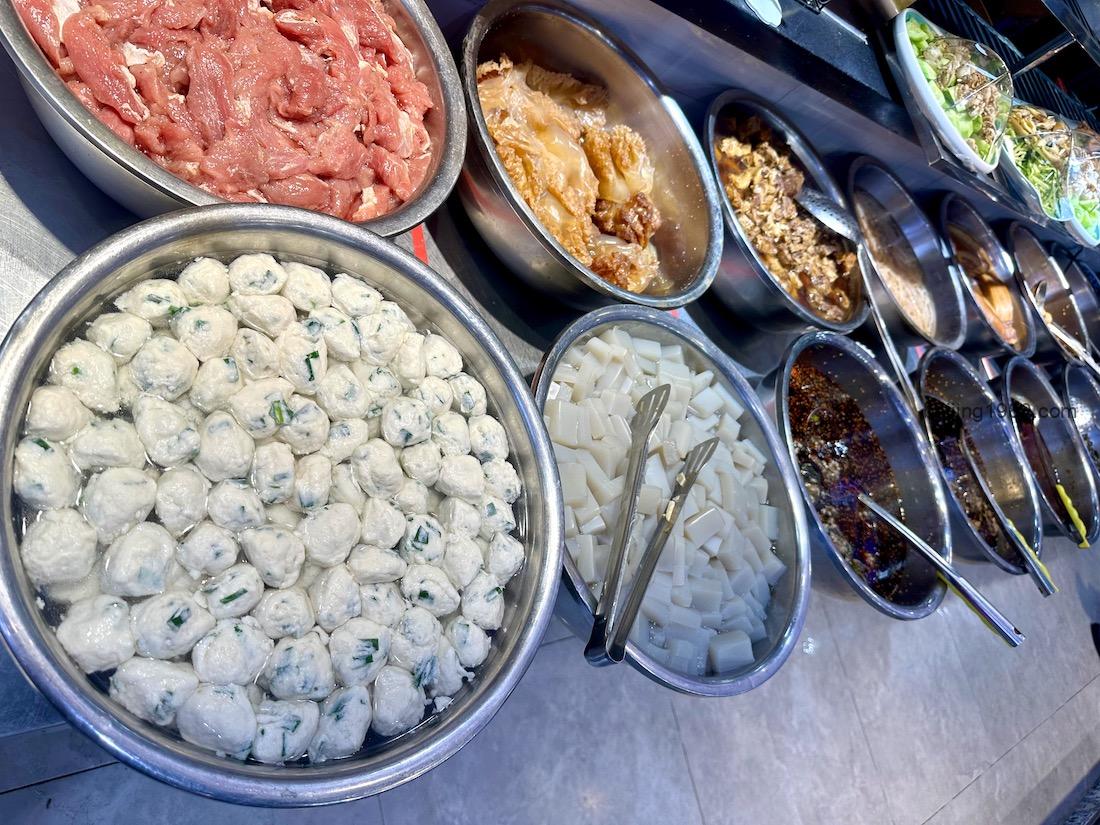
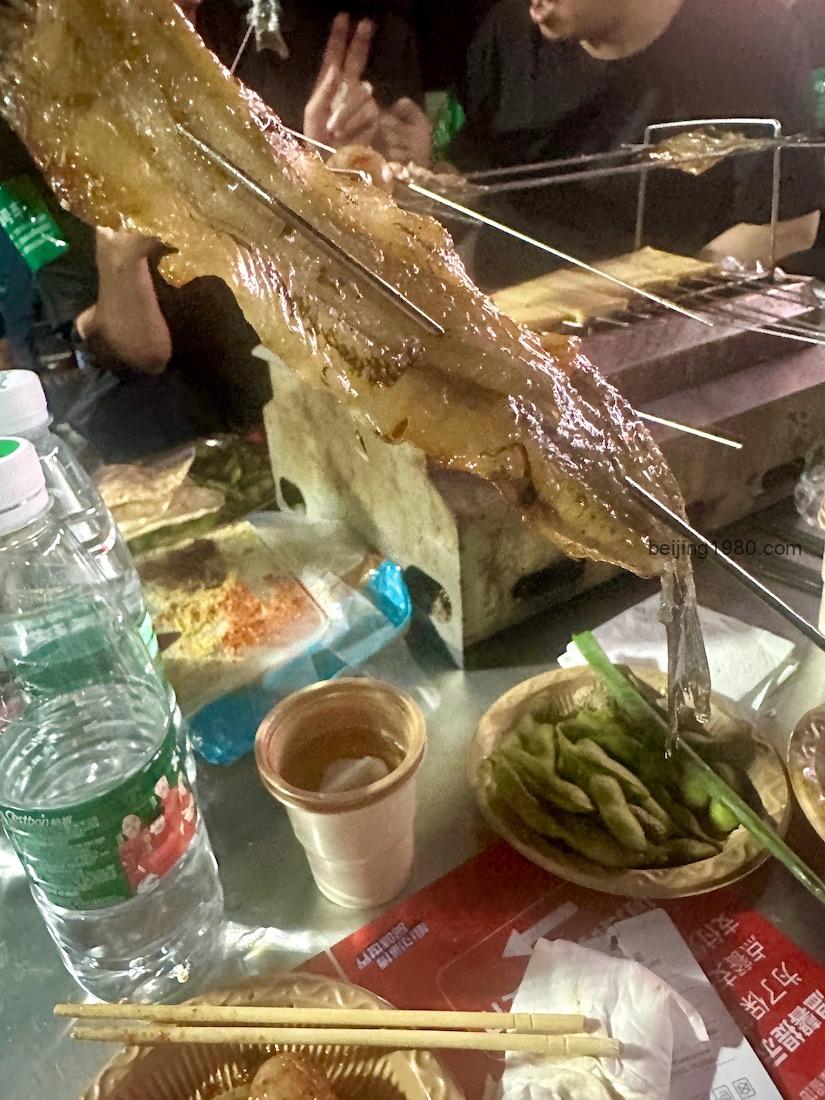
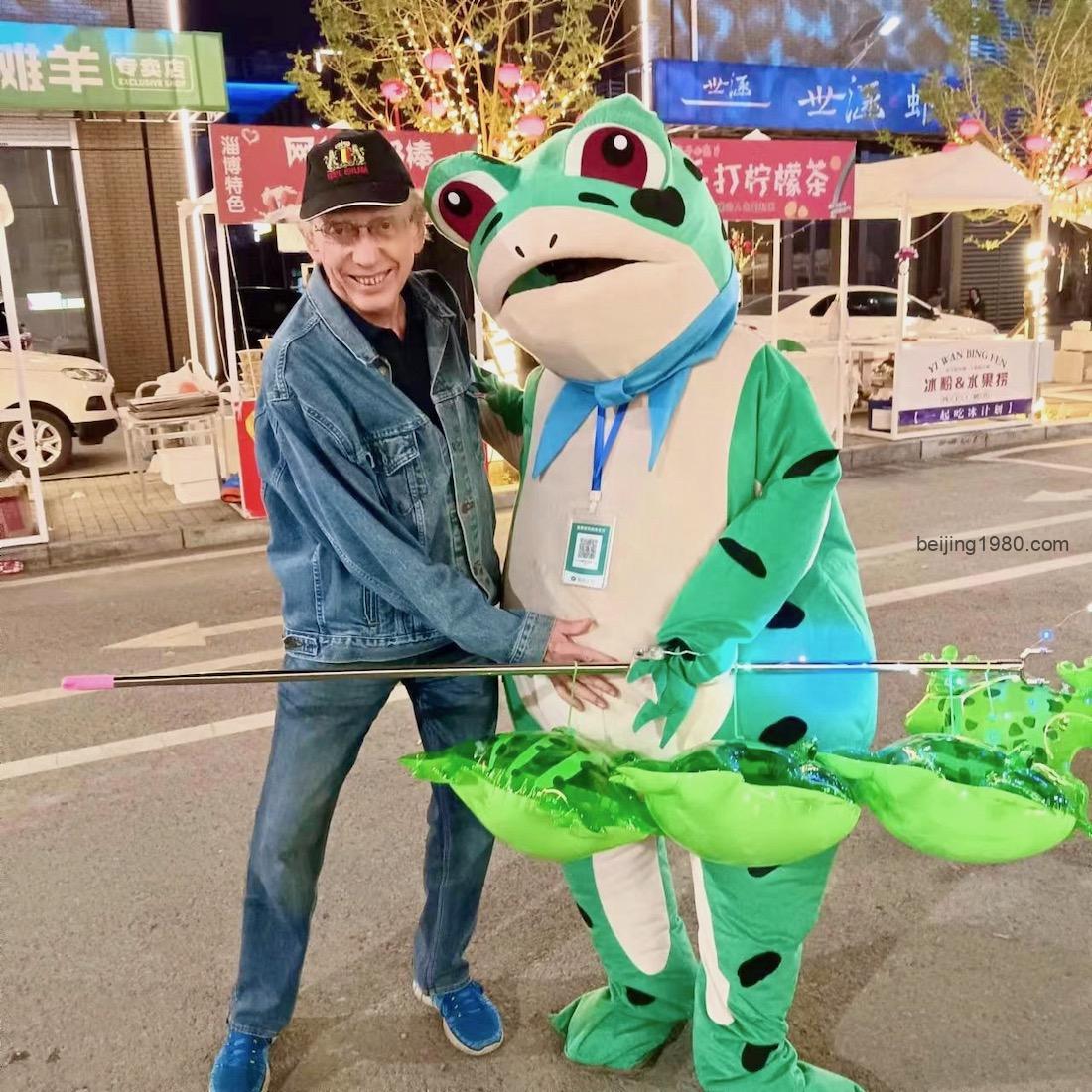
One cannot say the BBQ is that special but it is really the experience of being in the middle of the BBQ chaos. We had too many BBQ skewers of all kinds, all kinds of meat, sausages, fish and more. And I tried to make the famous local pancakes. Let’s say it was fun.

In the media

The BBQ story was all over the national and international media, China Daily, SCMP and even New York Times. I collected the media articles, see here the PDF file.

Short video

I tried to assemble a short video: “14 May 2023 with the group of Shandong University Medical Alumni exploring the famous Zibo BBQ scene, Chaotic video of chaotic evening!” (need VPN)


Zhoucun Old Street in Zibo

Time for sightseeing

As mentioned in a previous post, during our stay in Zibo we also did some tourism.
We visited Zhoucun Old Street in Zibo on Sunday afternoon 14 May. Zibo city is divided up into several districts. The “downtown” district is Zhangdian, and the ancient city district is Zhoucun. This district is about a half hour by car from downtown Zibo.

Zhoucun is mostly known for two things: silk and sesame crackers. Along with typical souvenir-type shops, snack shops and ceramic shops, there are many silk shops with beautiful clothing and scarves.
Zhoucun “street” was built during the Mingyongle period; the Yongle Emperor (2 May 1360 – 12 August 1424) was the third Emperor of the Ming dynasty, reigning from 1402 to 1424. The “street” is like Wangfujing in Beijing and Nanjing Road in Shanghai. It has become an iconic market in Zhoucun. The street is divided into two sections, the length is more than 1300 meters, and the width is 8 to 10 meters.
The street was formed in the Song and Yuan Dynasty, the most prosperous in the late Ming and early Qing Dynasty. During the Song and Yuan Dynasty it sold more silk, medicinal materials, daily necessities, utensils, etc., the silver industry rose in the Ming and Qing Dynasties.

See how the street looks like, the food sold and the many shops. We also visited he sesame cake museum. As it was a Sunday afternoon the street was packed. I was the only foreigner…
I have visited a number of those “old shopping streets” in various cities, often referred to as “gucheng”, old city. They are often much the same but it is always fun to visit as there are some more local specialties to discover.

Chaoguobing

Here it were the sesame crackers and “Chǎo guō bing” (炒锅饼)(“wok pie”), a kind of “noodles” (actually fried pancakes cut in strips) I needed to buy for a friend in Beijing.

Zibo City in Shandong

A warm welcome

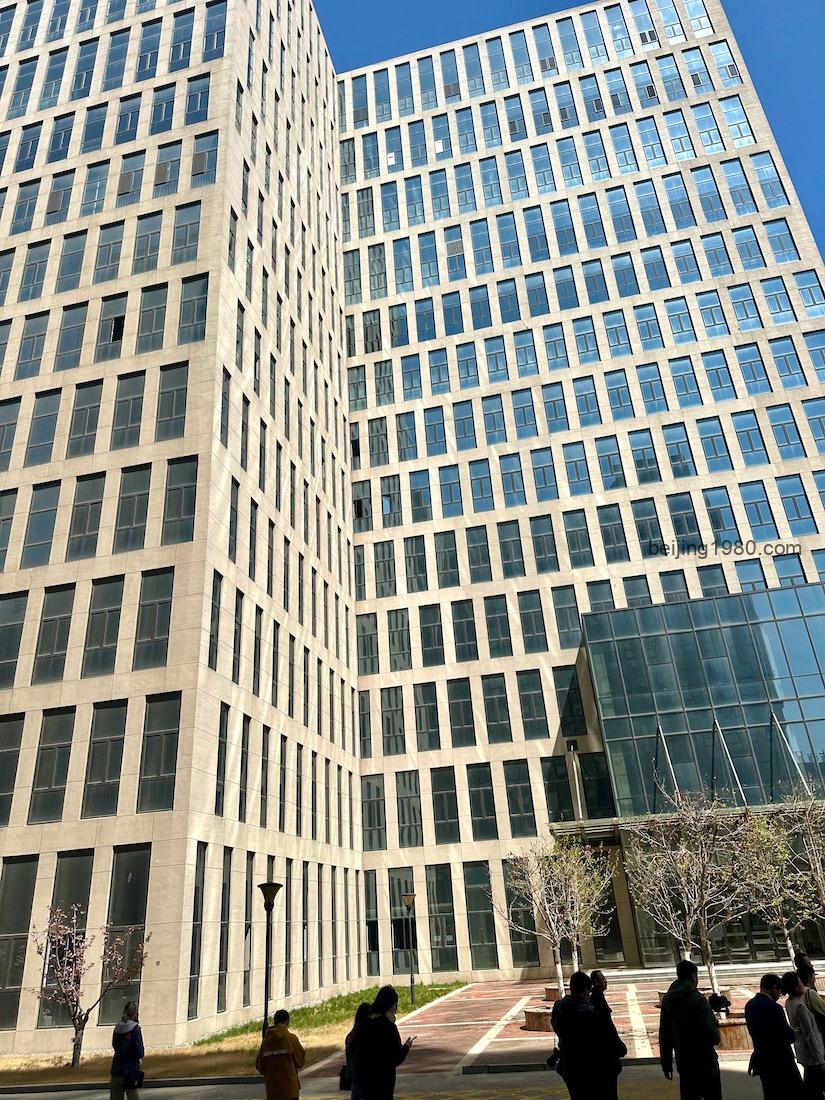
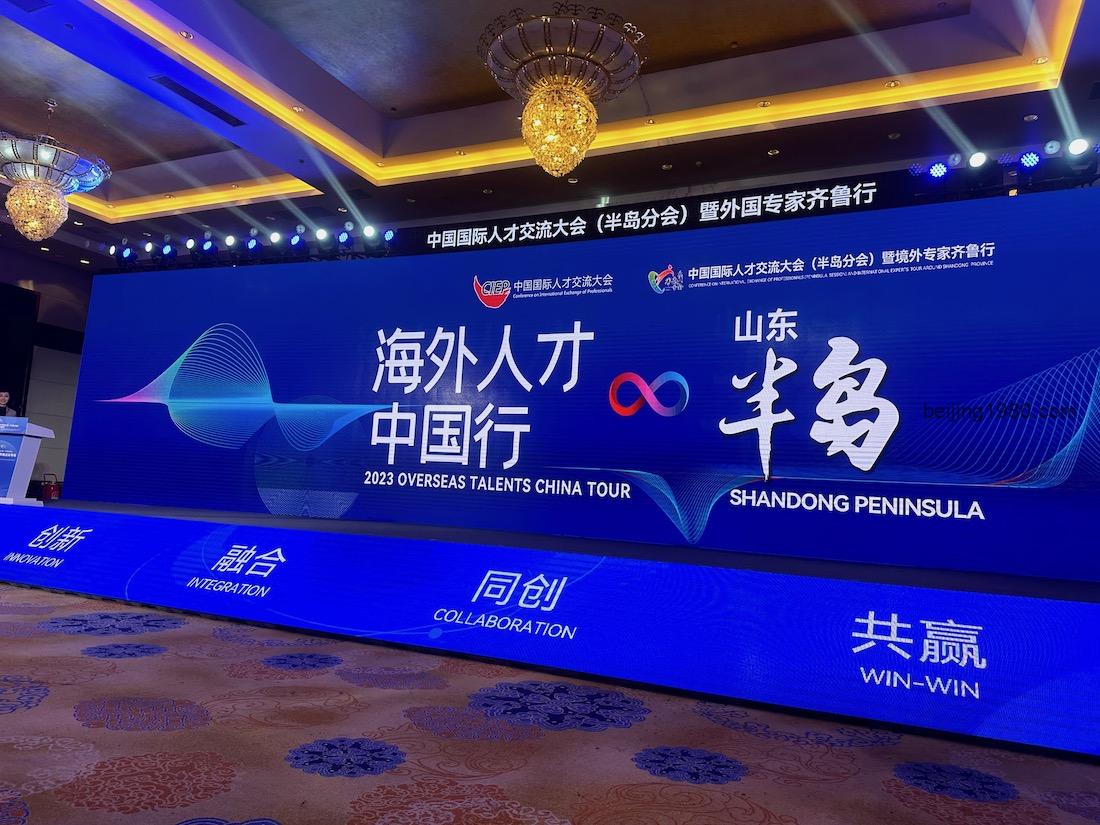
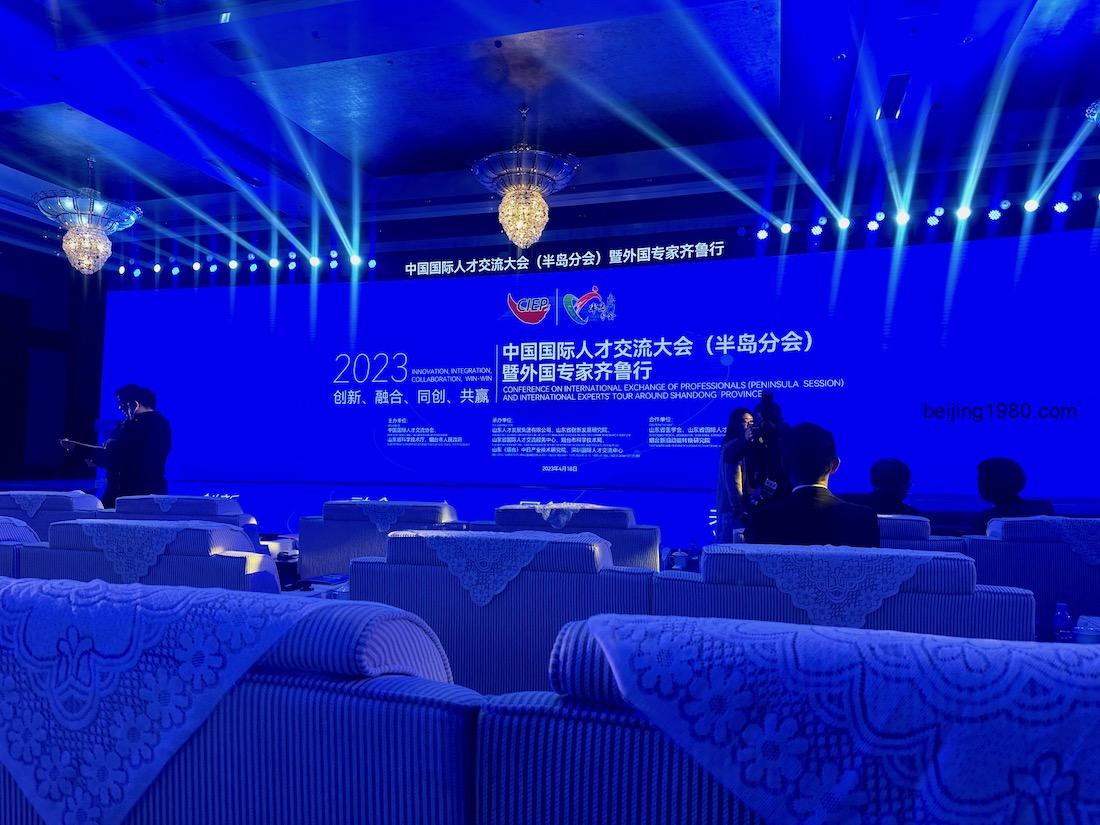
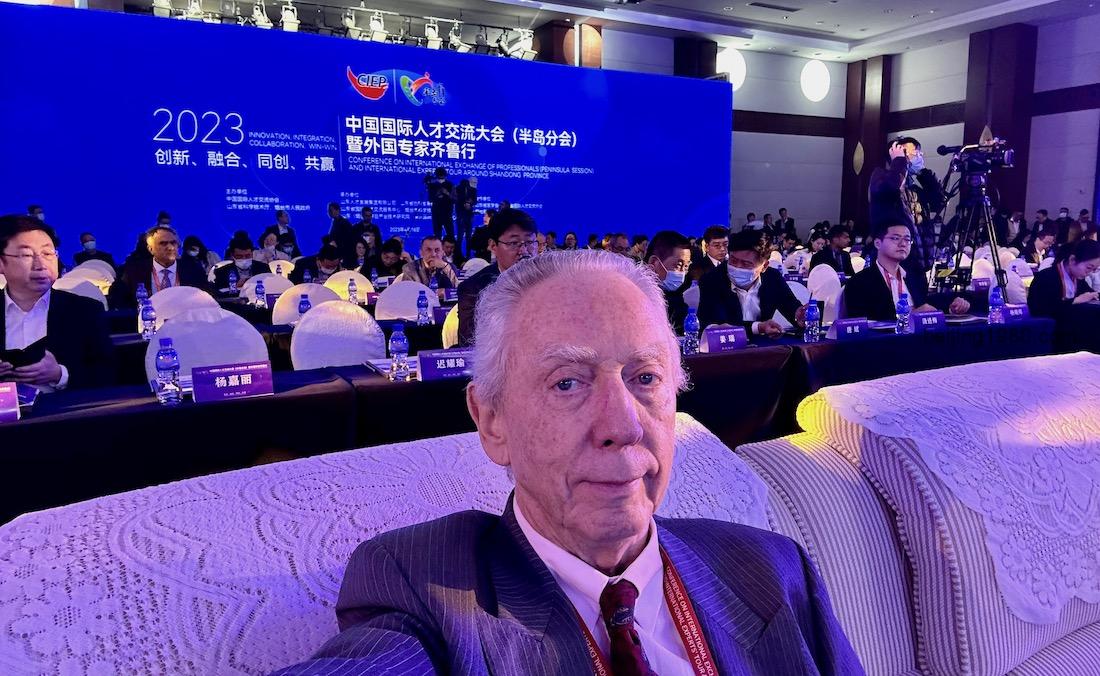
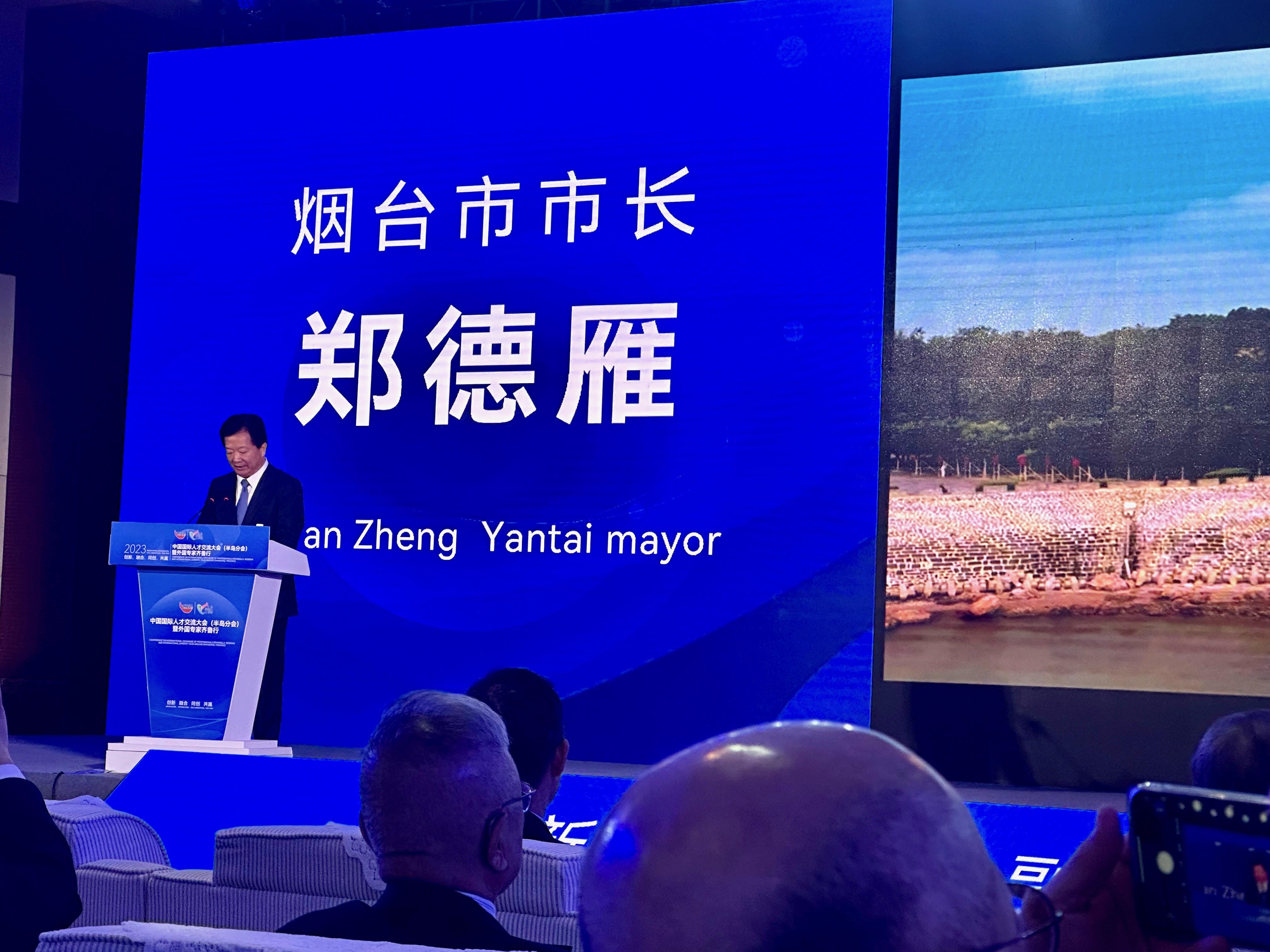
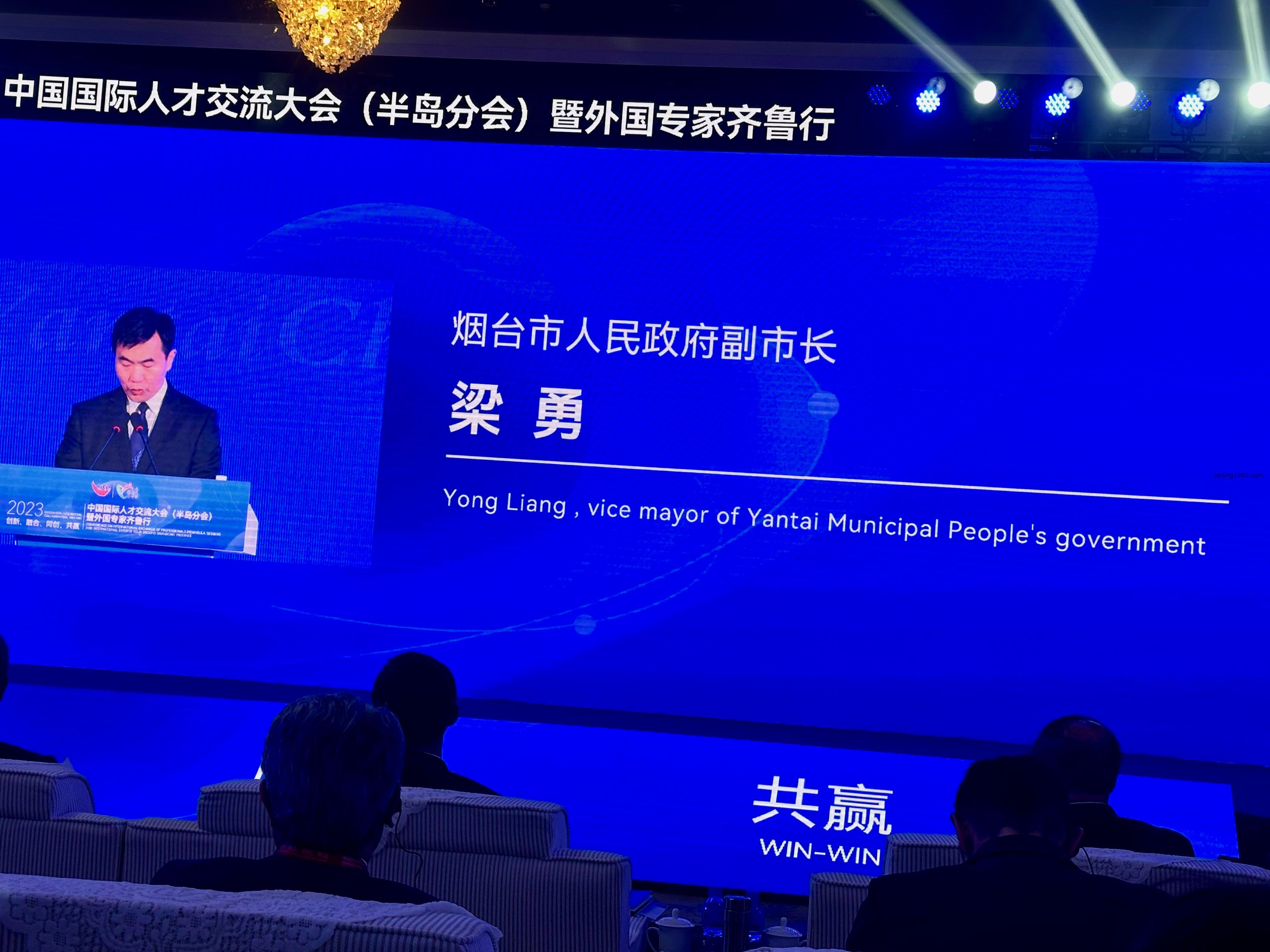
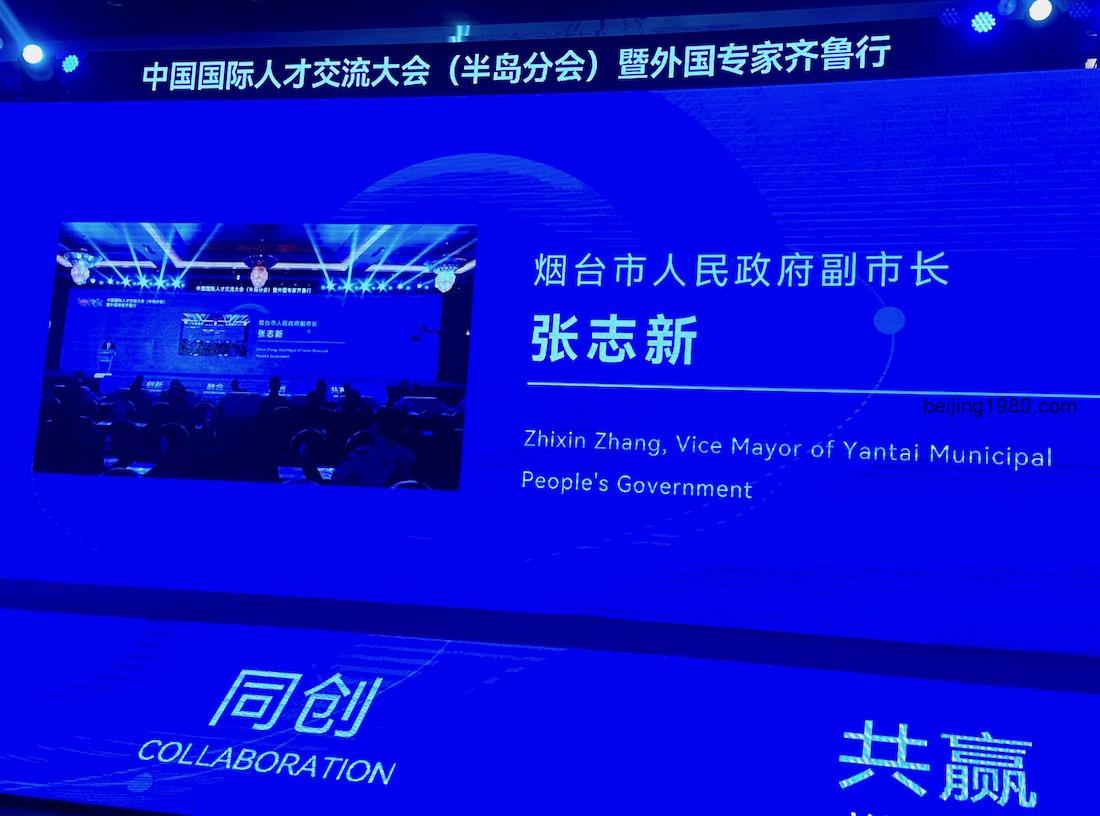
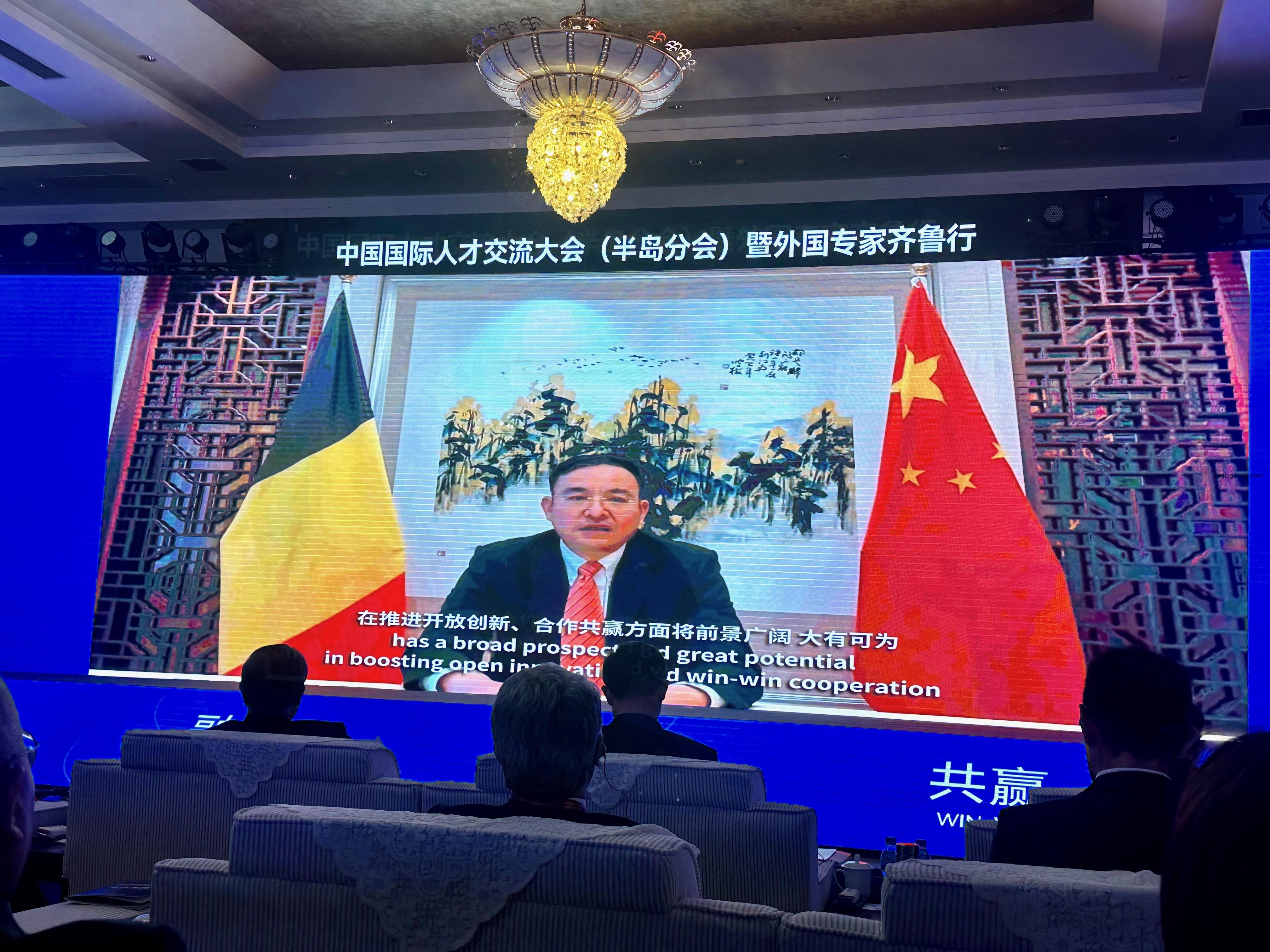
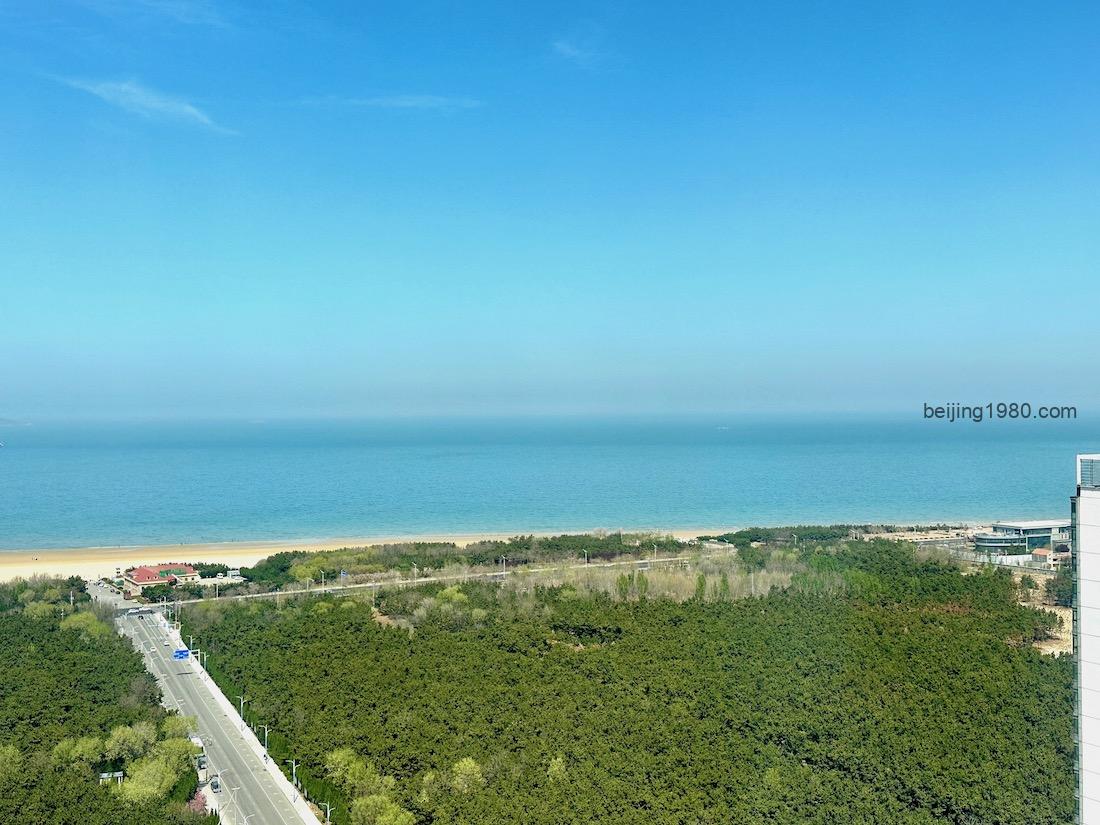
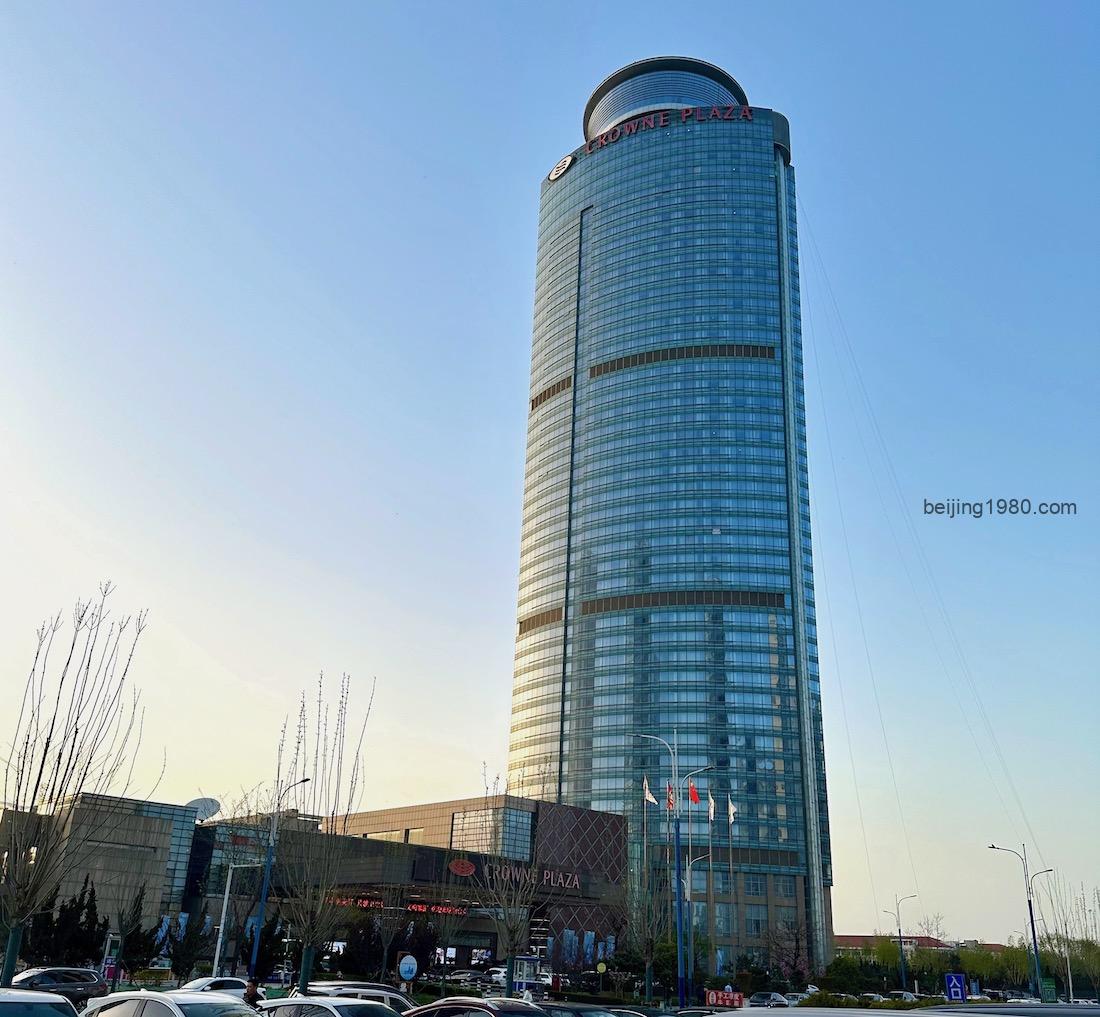
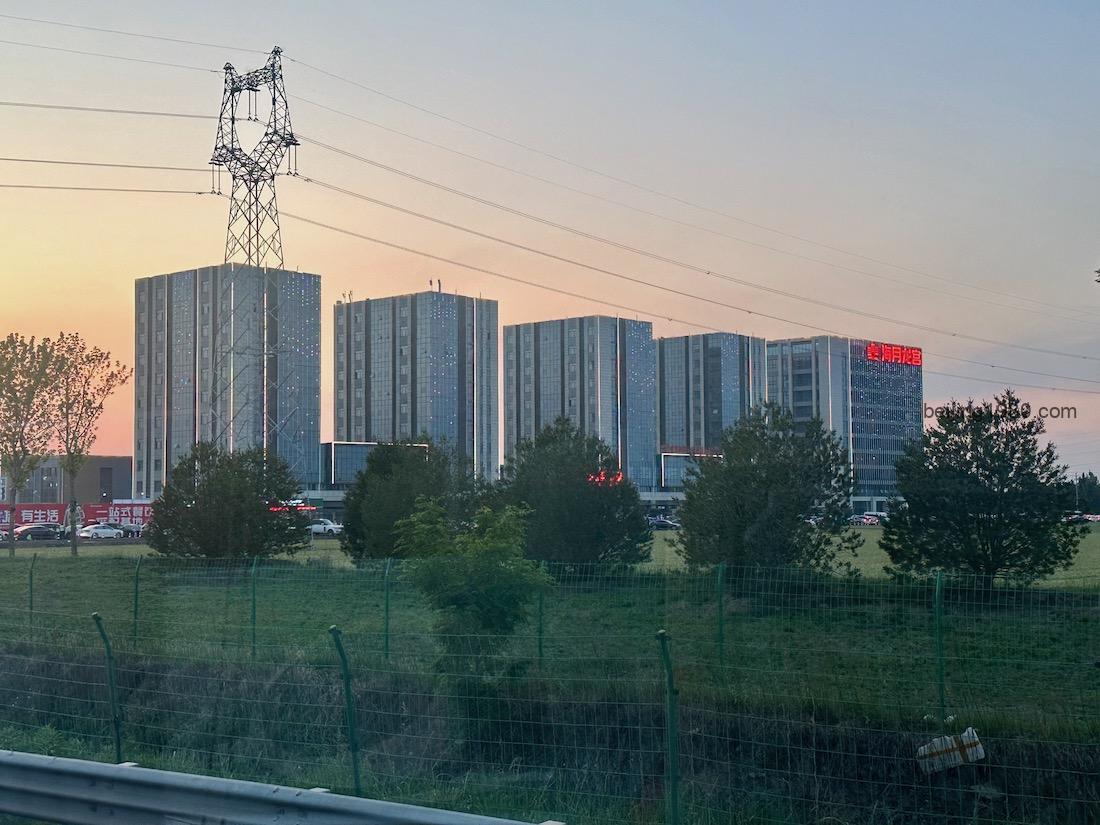
On 13 May 2023 we were invited by the city government to visit Zibo City in Shandong. We stayed in Qisheng International Hotel, a large complex surrounded by a nice park and some interesting buildings.
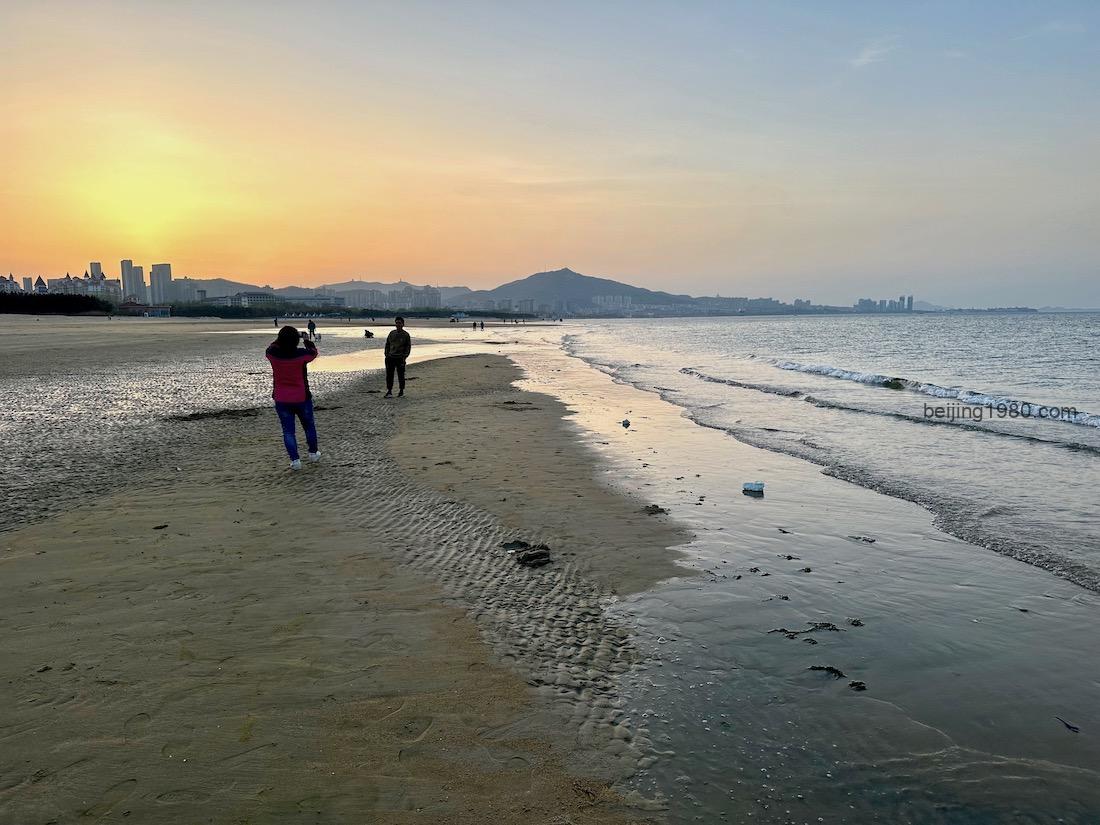
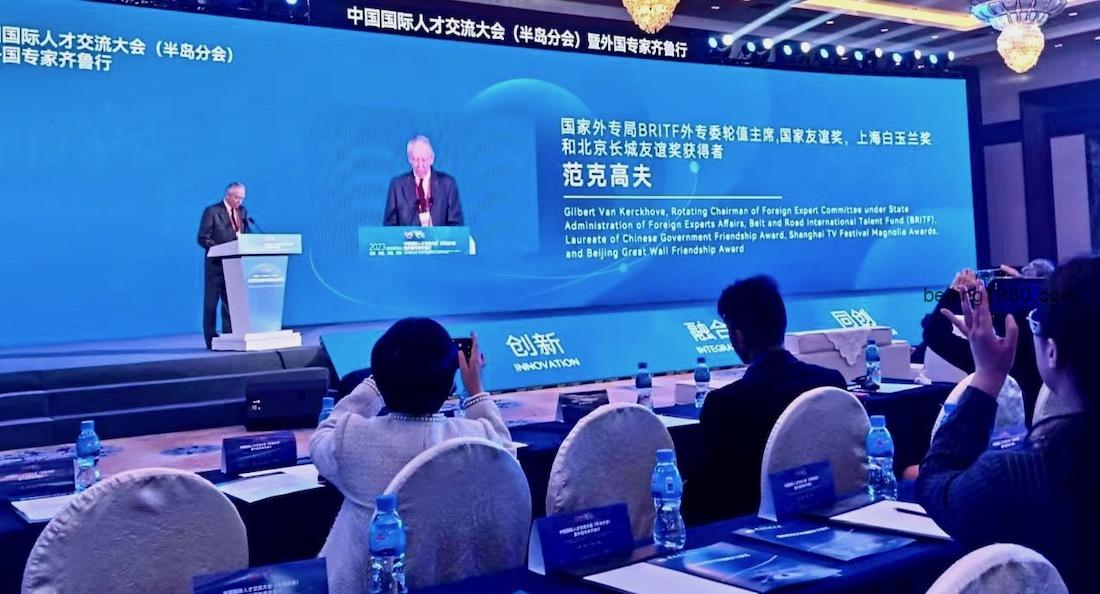
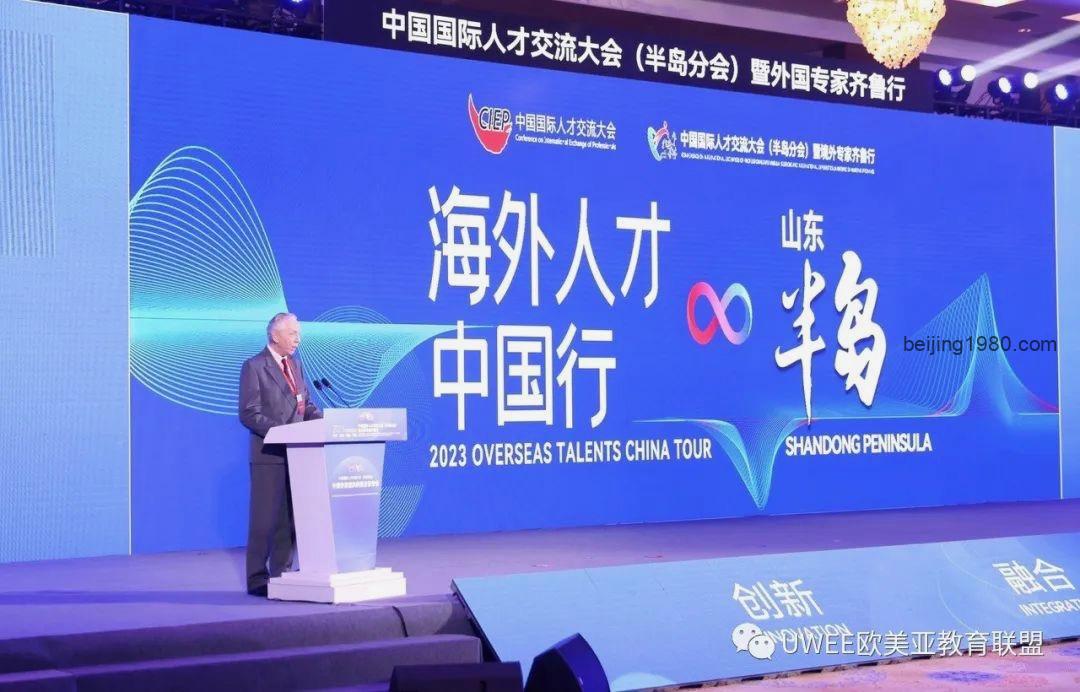
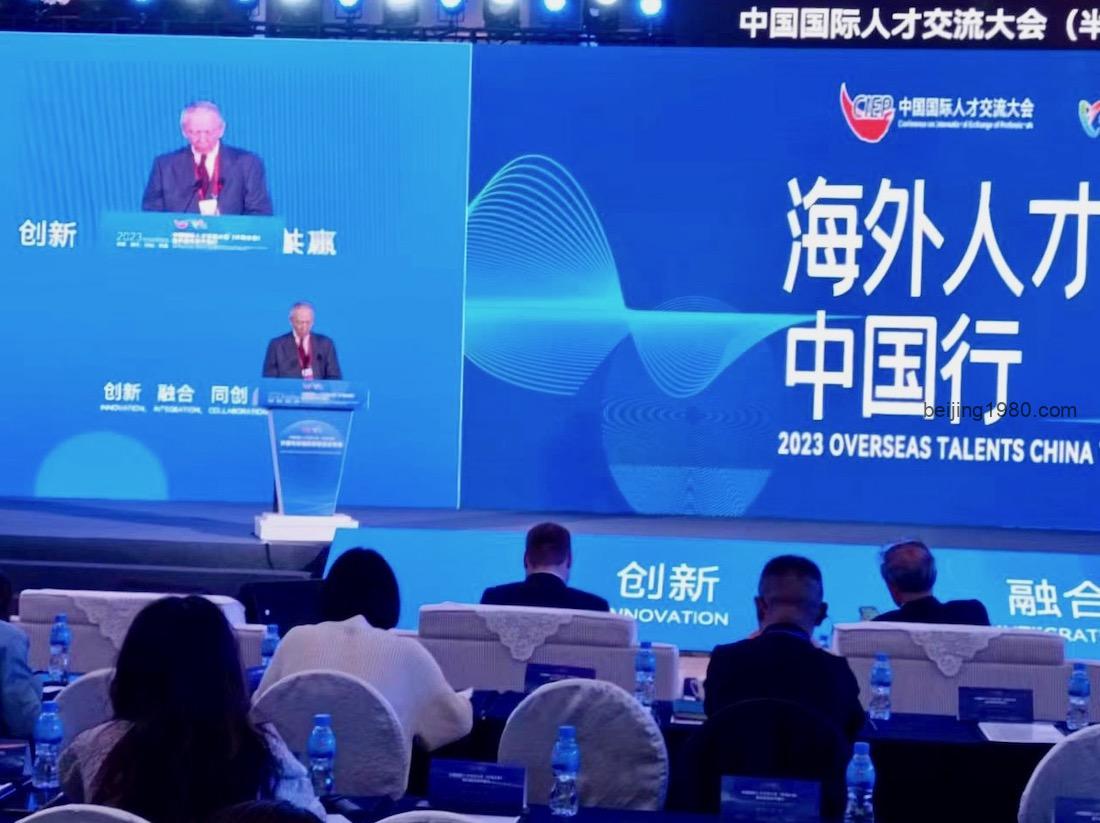
I was asked to congratulate the Shandong University Medical Alumni Association during its conference, as Rotating Chairman of the China Belt and Road International Talent Fund under the State Administration for Foreign Experts Affairs.
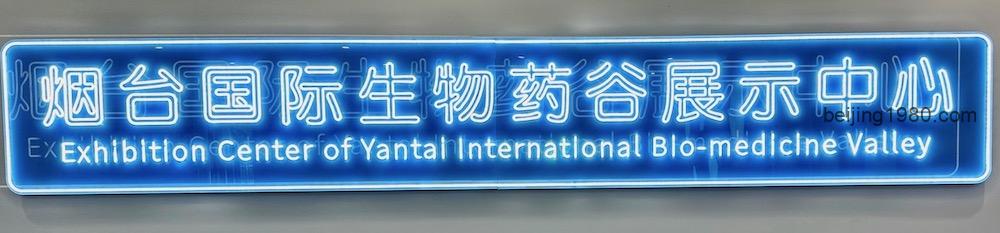
They organized the BBQ outing in the evening; on Sunday 14 May a visit to pharmaceutical R&D and a visit to Zhoucun Old Shopping Street, see details in next posts.

Industry in Zibo

Zibo City is the old capital of Qi State, famous city of ceramics. As one of China’s earliest pottery production areas as well as one of China’s five largest porcelain capitals, it boasts a ceramic culture of more than 8,000 years.
In the first quarter of this year, Zibo achieved GDP of 105.77 billion yuan ($15.07 billion), a rise of 4.7 percent year-on-year, in part due to the BBQ success.

Industrial projects have been developed in Zibo for more than 100 years since iron ore and coal were discovered in the early 20th century.
The city was once an industrial hub for the chemical industry, with coal, iron, bauxite, silk, ceramics, glass, electricity and machinery the pillars of its economy. The city has faced a drop in demand in its chemical industry, the former mainstay of its economy.
About a decade ago, Zibo faced a series of problems, including resource depletion and environmental pollution, which forced the authorities to transform the local industrial structure.
Since 2018, the city has shut down heavy industrial projects, while introducing sustainable and high-tech ventures. High-tech and innovation enterprises have been introduced.
Zibo has attracted 65 national-level enterprises specializing in innovation and developing competitive products.
A digital economy, smart manufacturing and medical industries have been developed in recent years, which will provide more jobs for young people.

The city has also started a massive cleanup of old buildings.
Pharmaceutical industry base

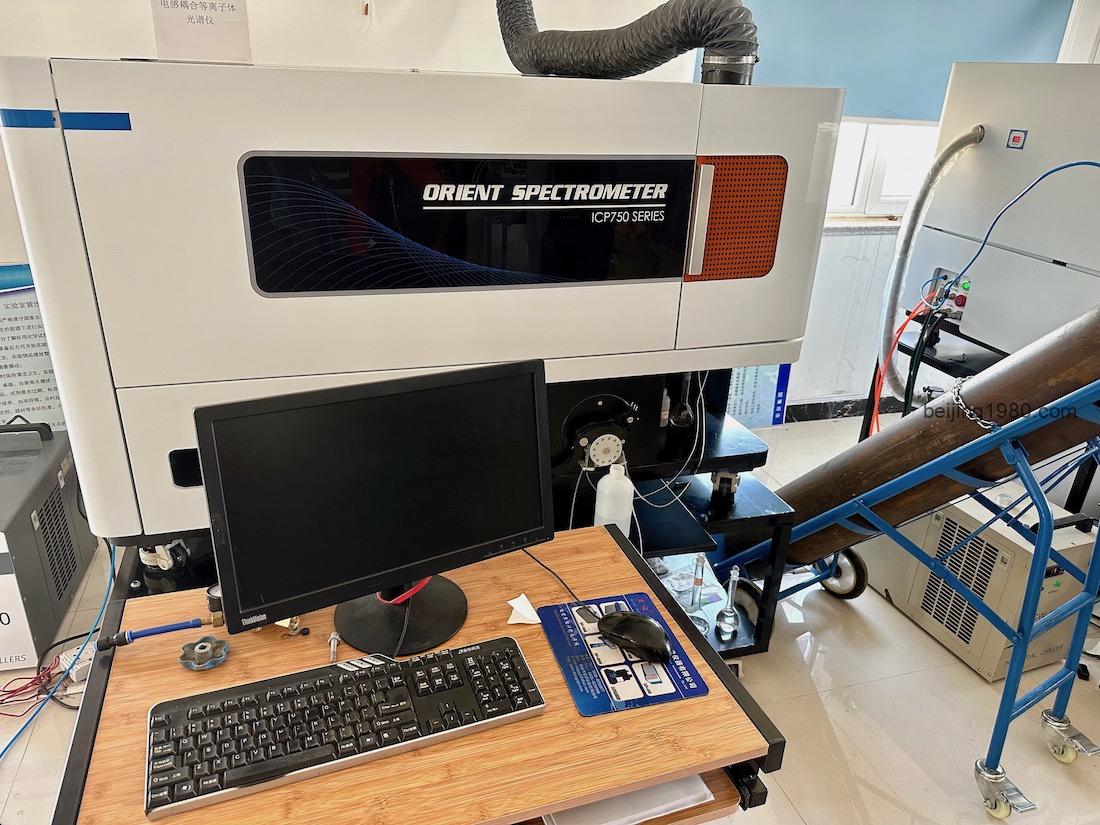
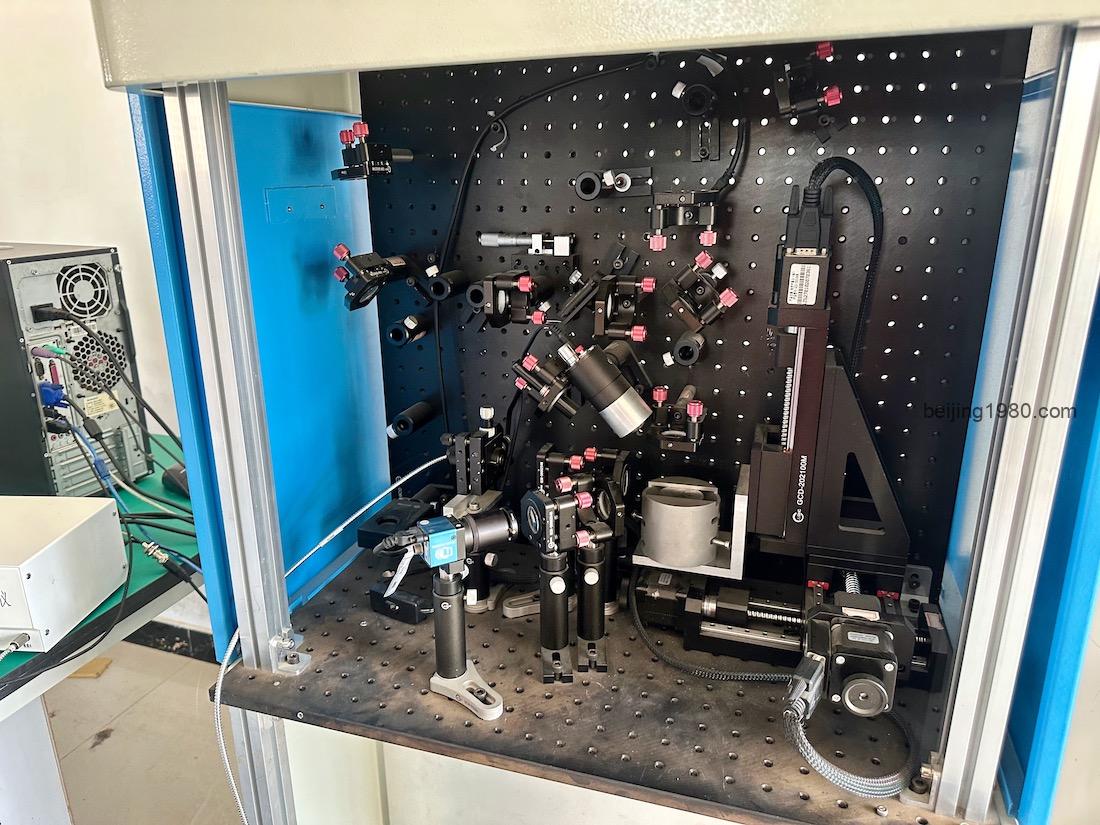
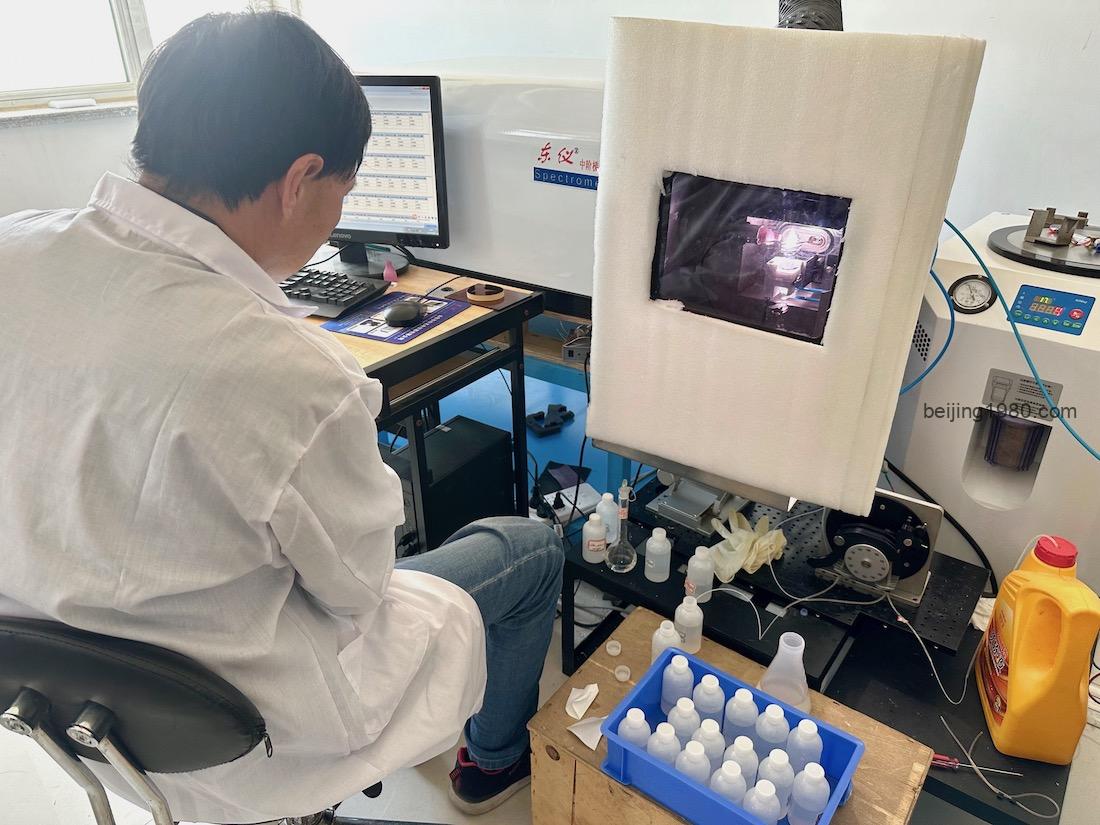
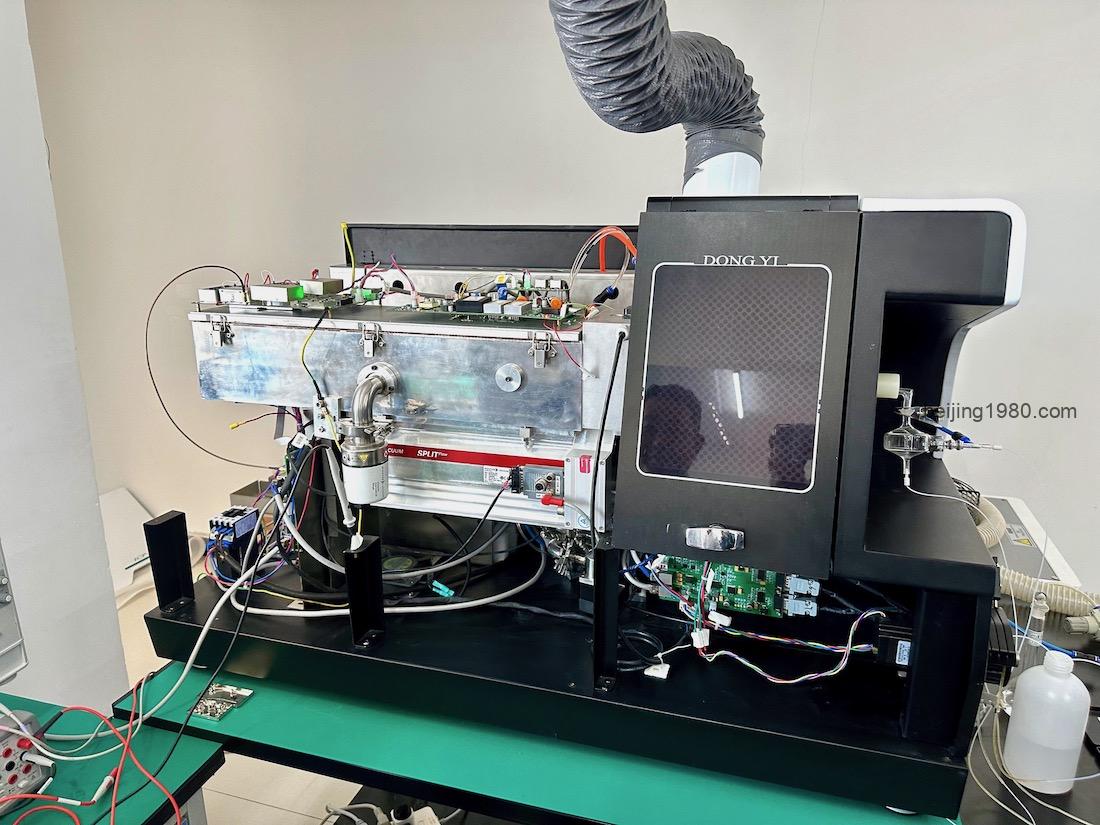
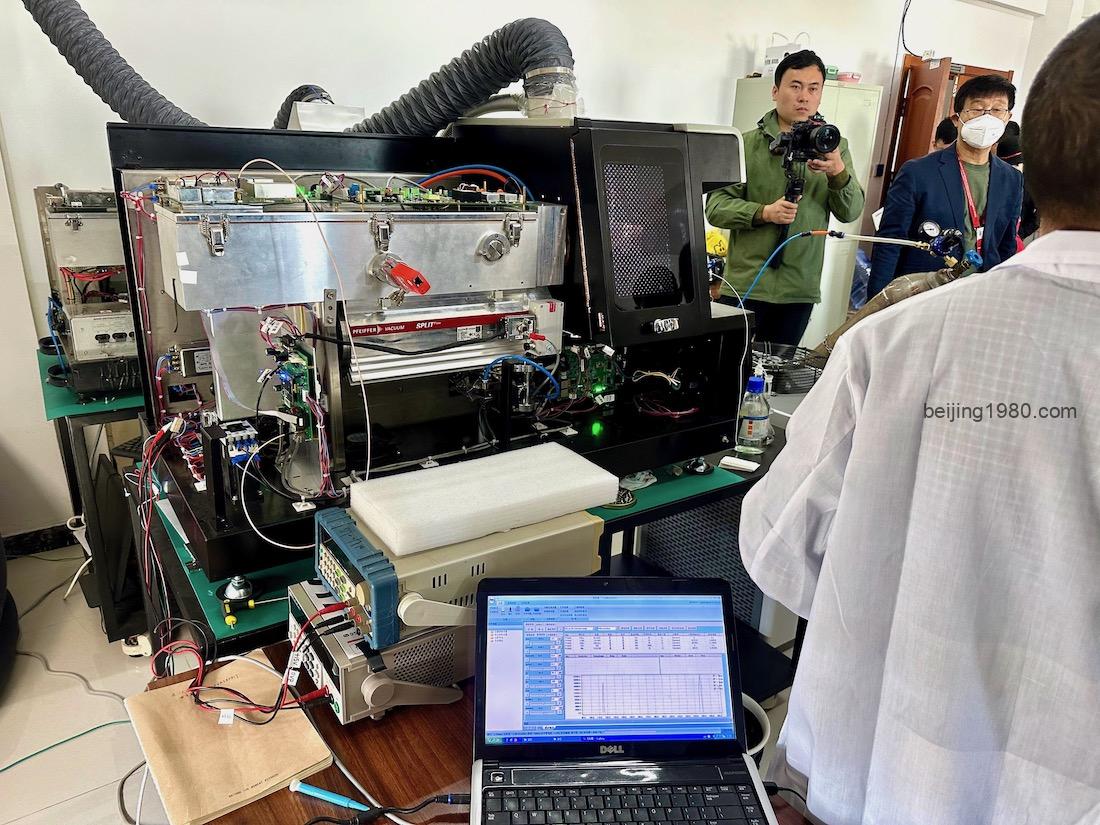
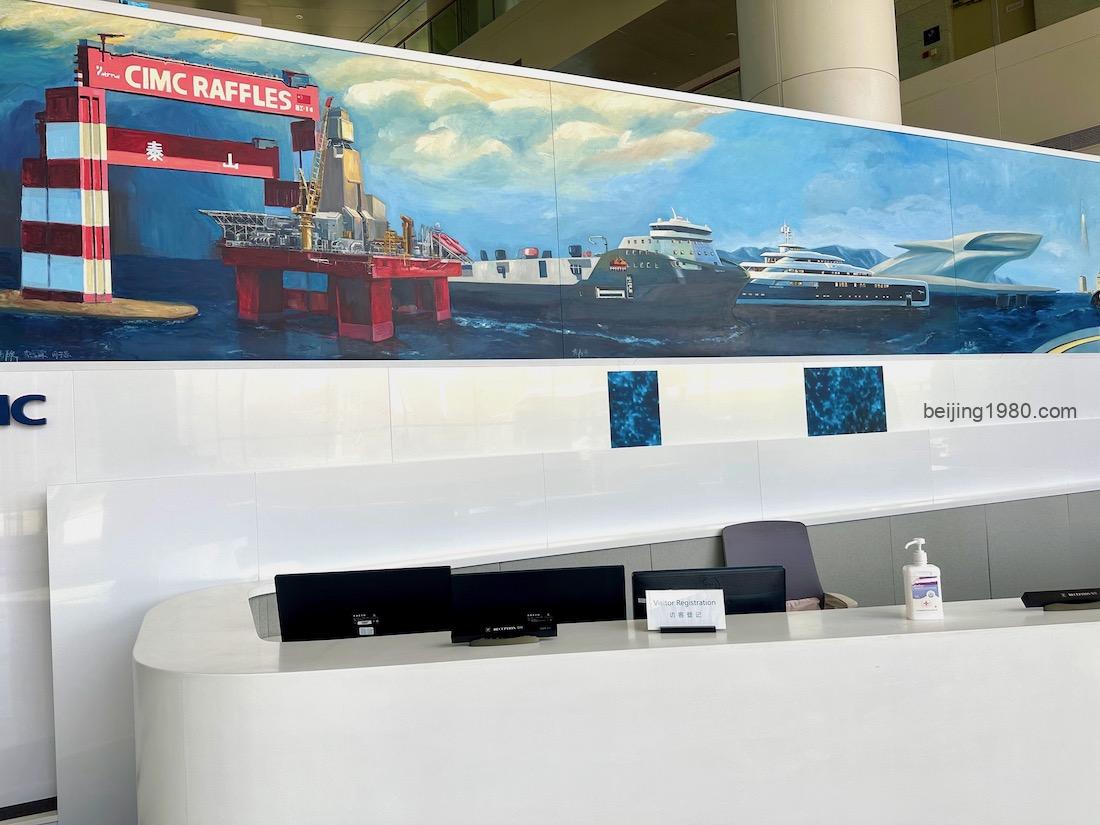
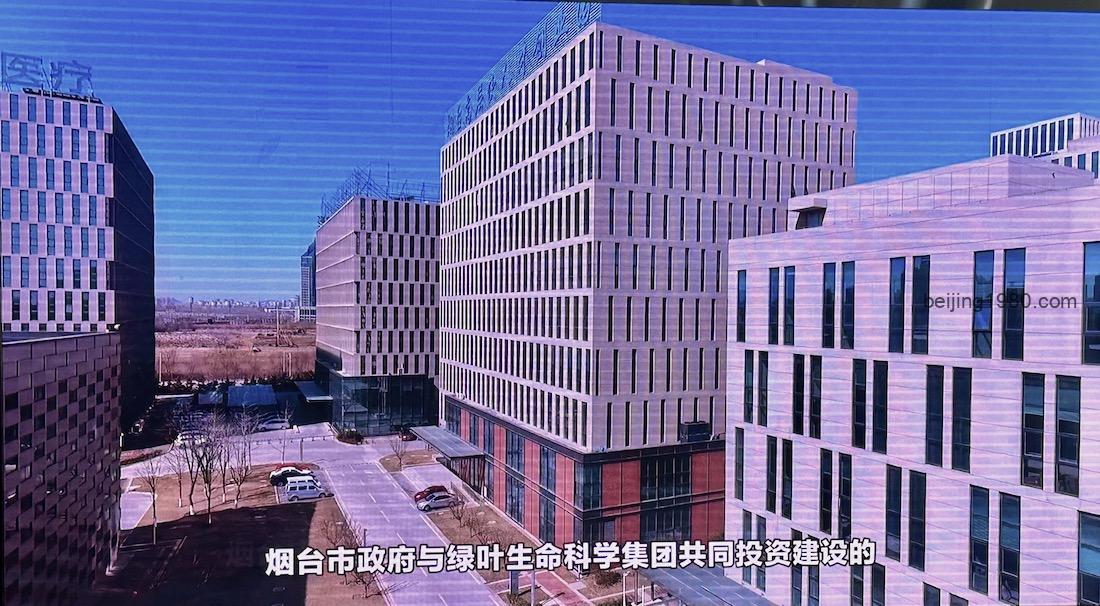
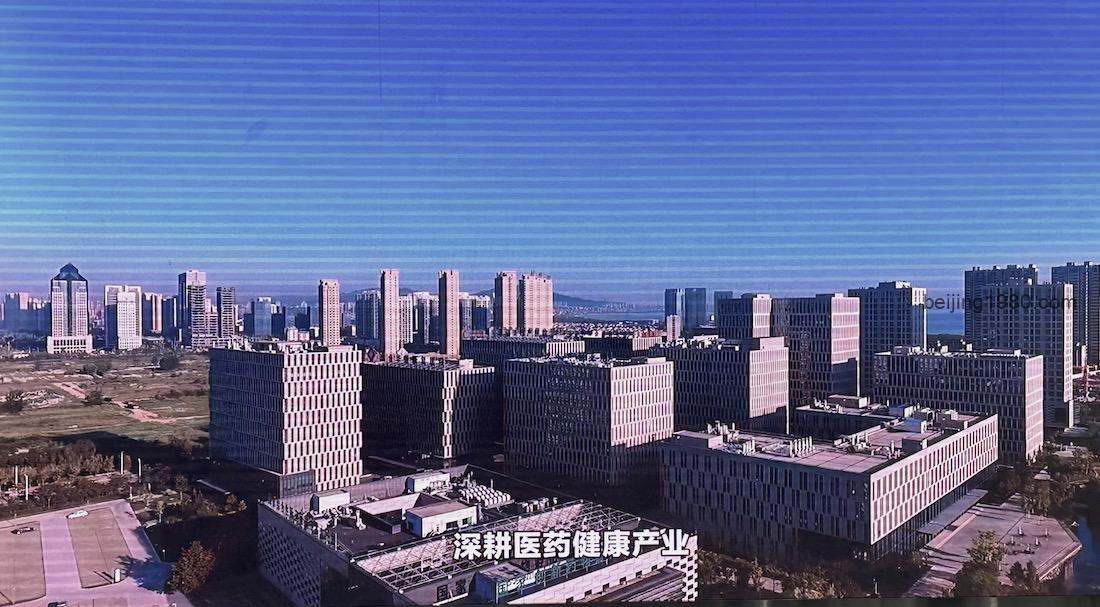
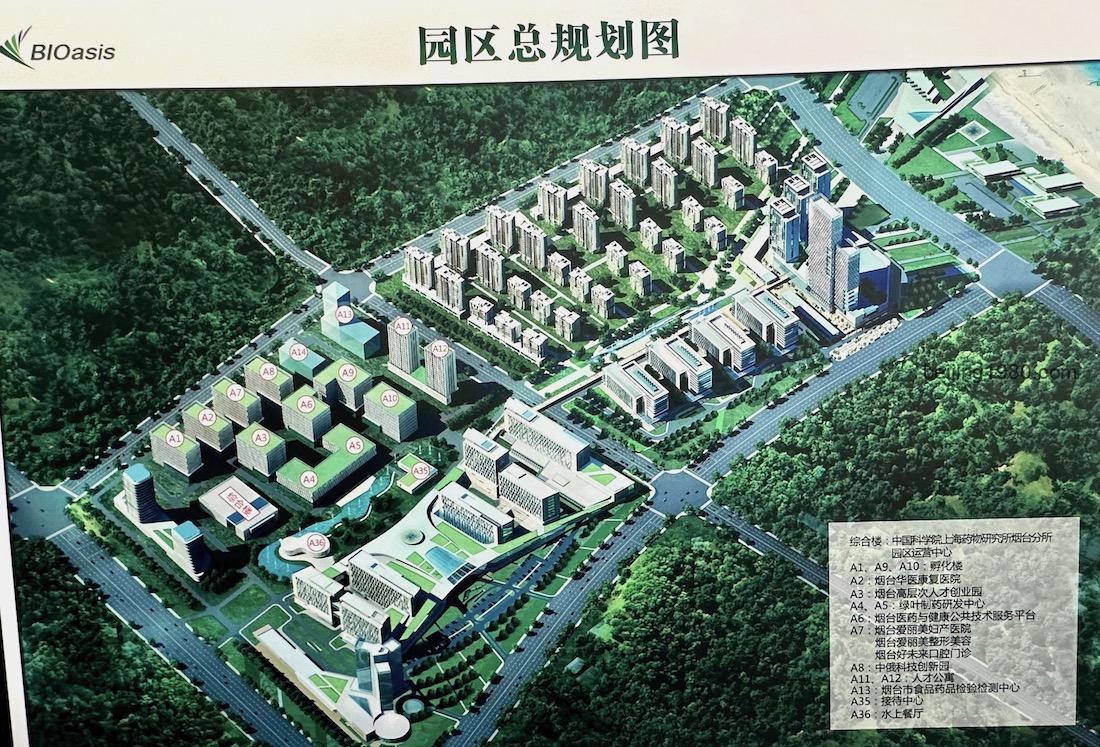
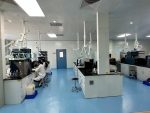
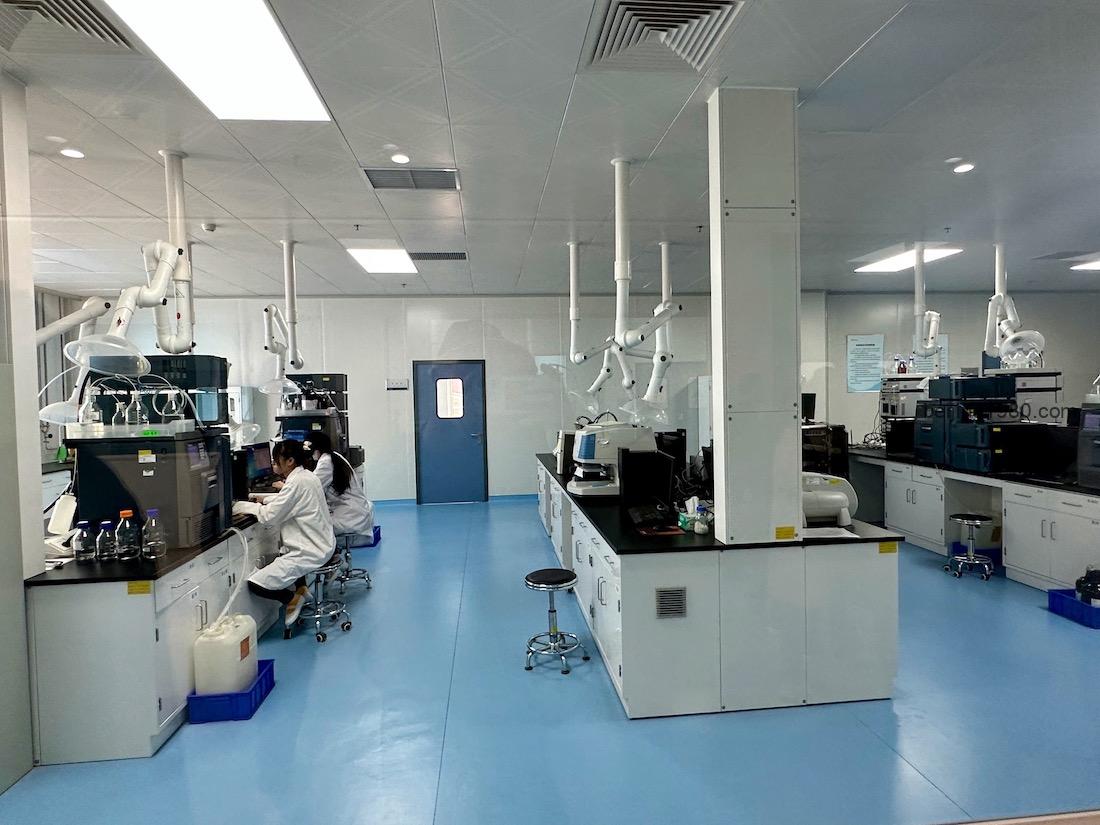
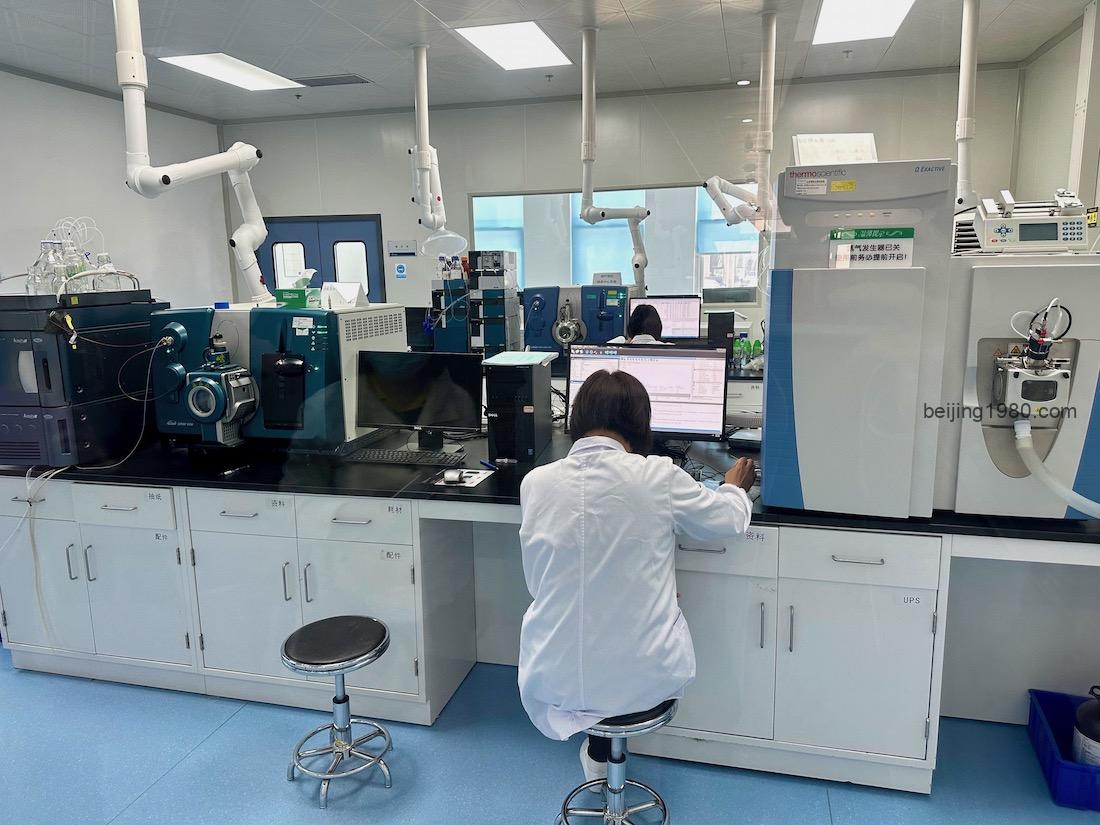
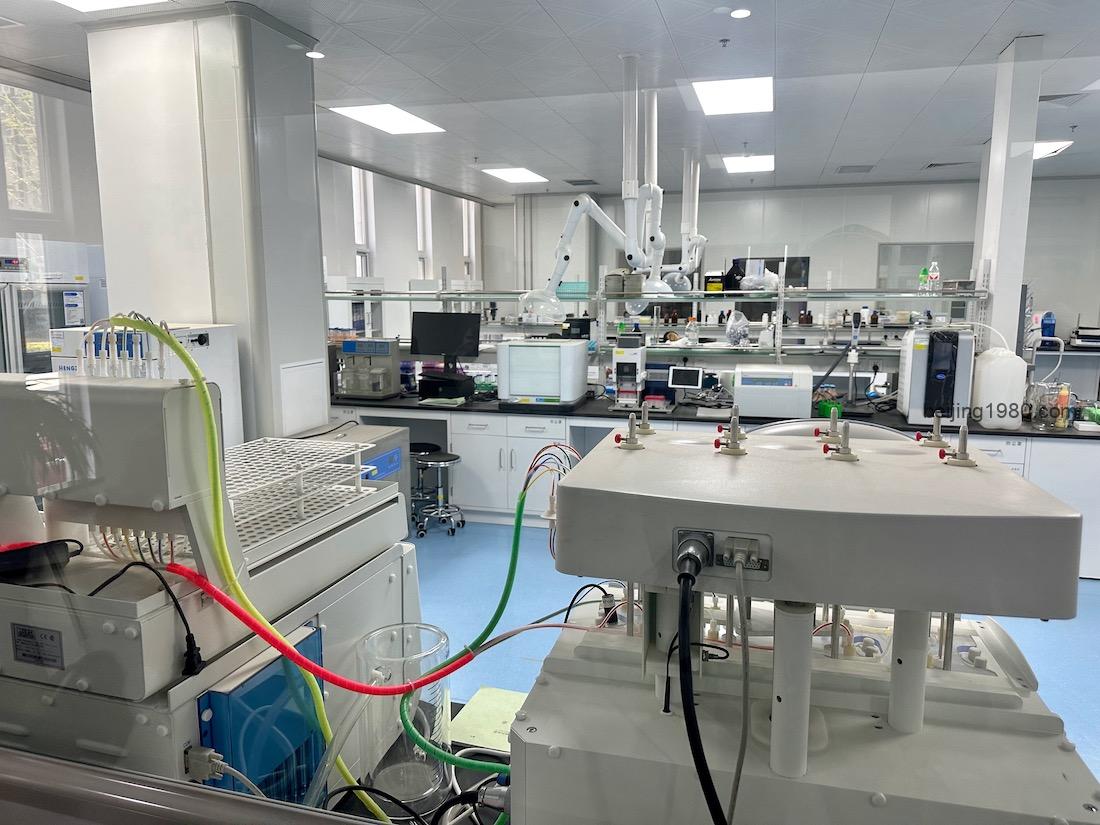
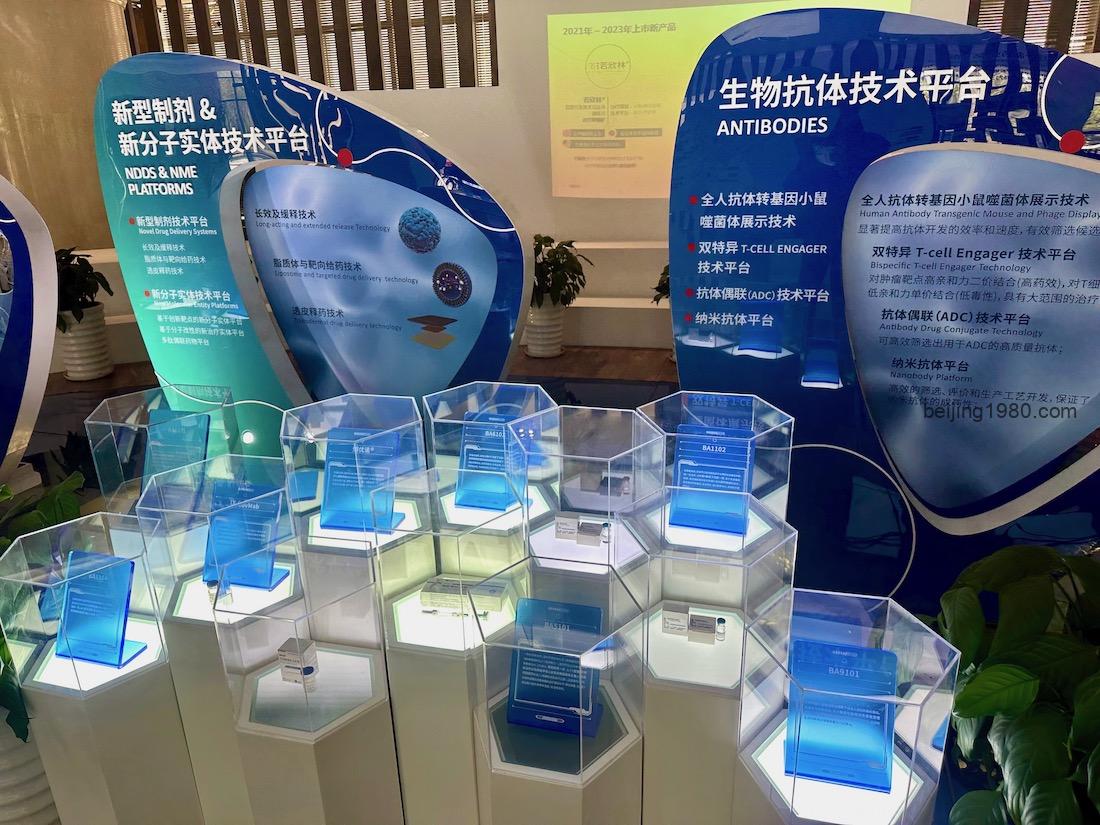
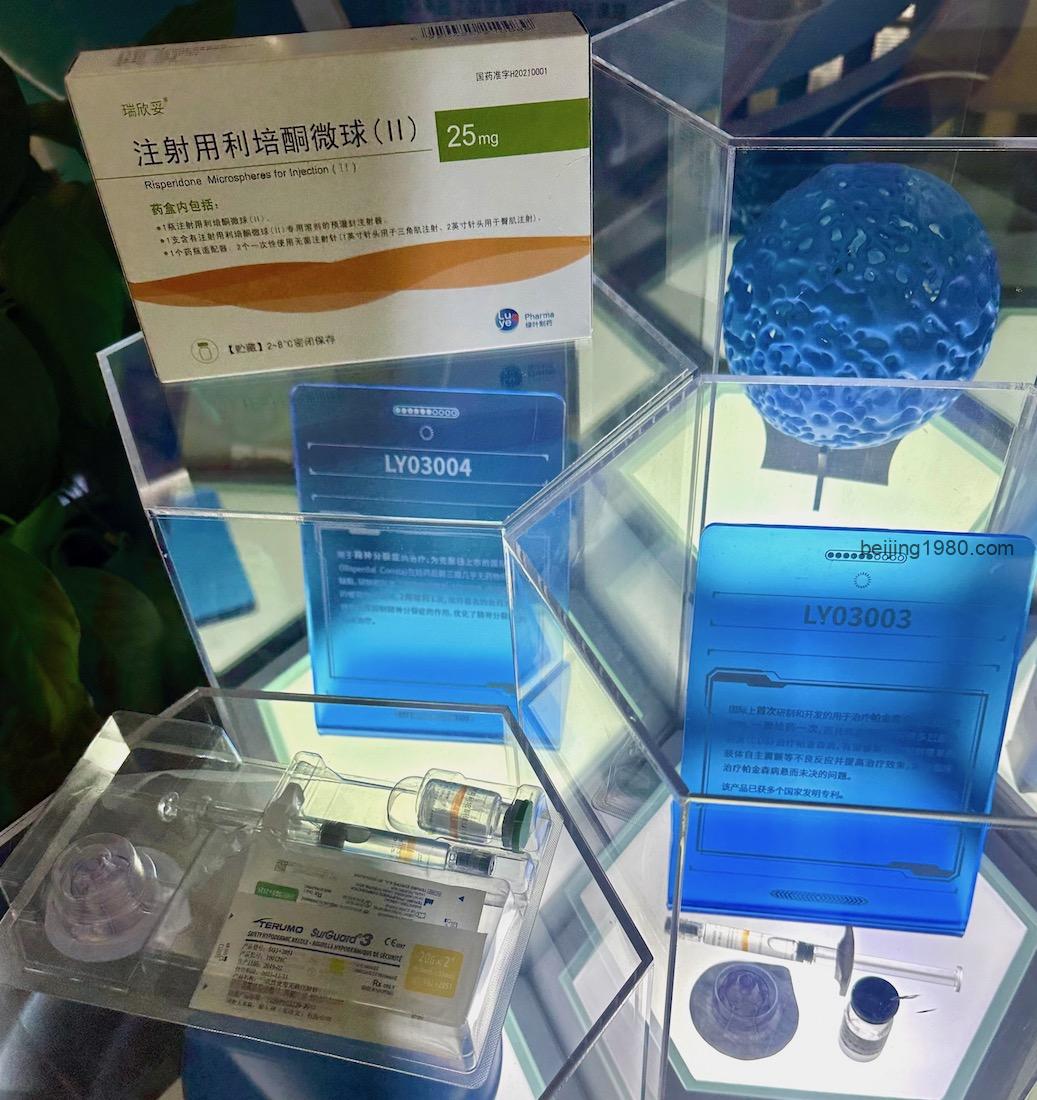
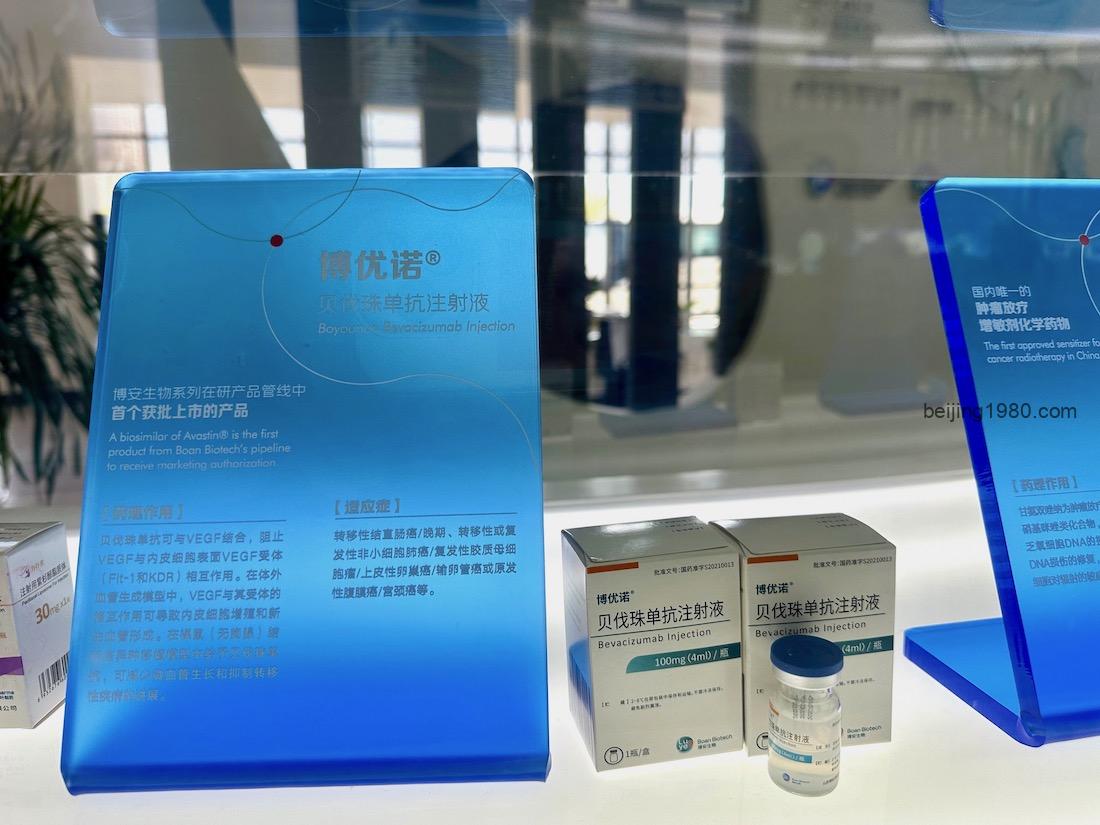
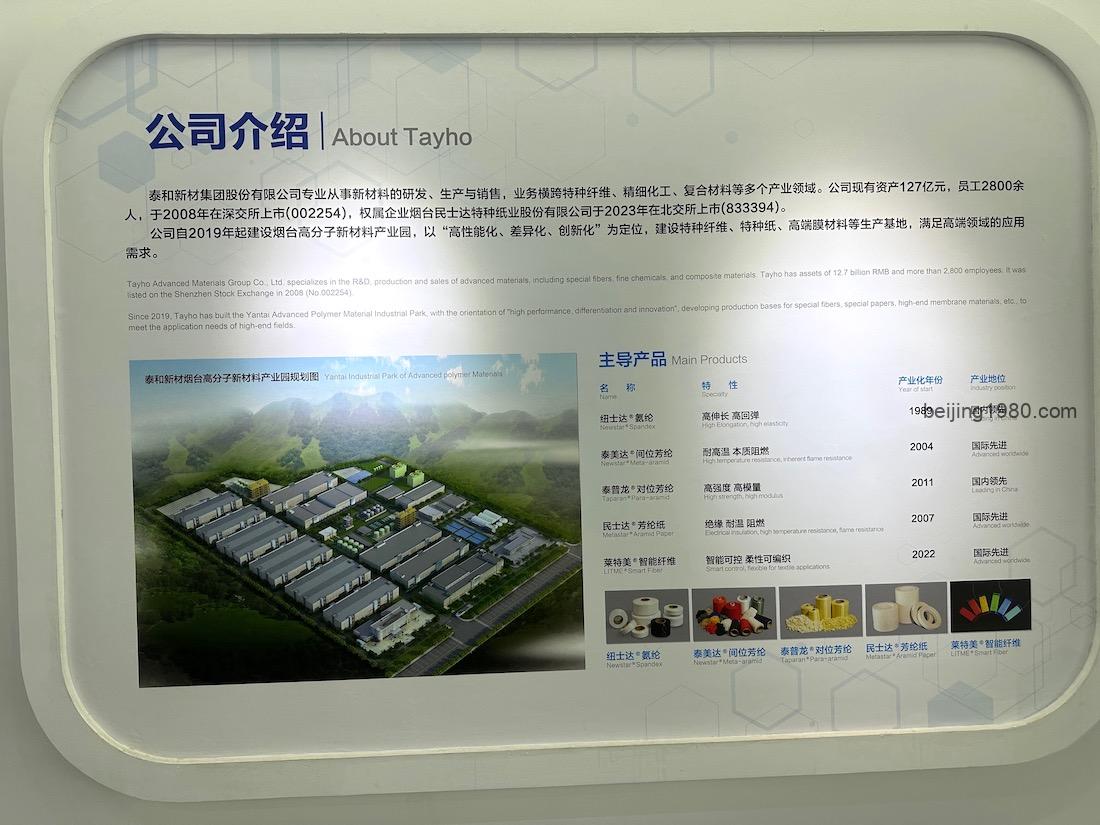
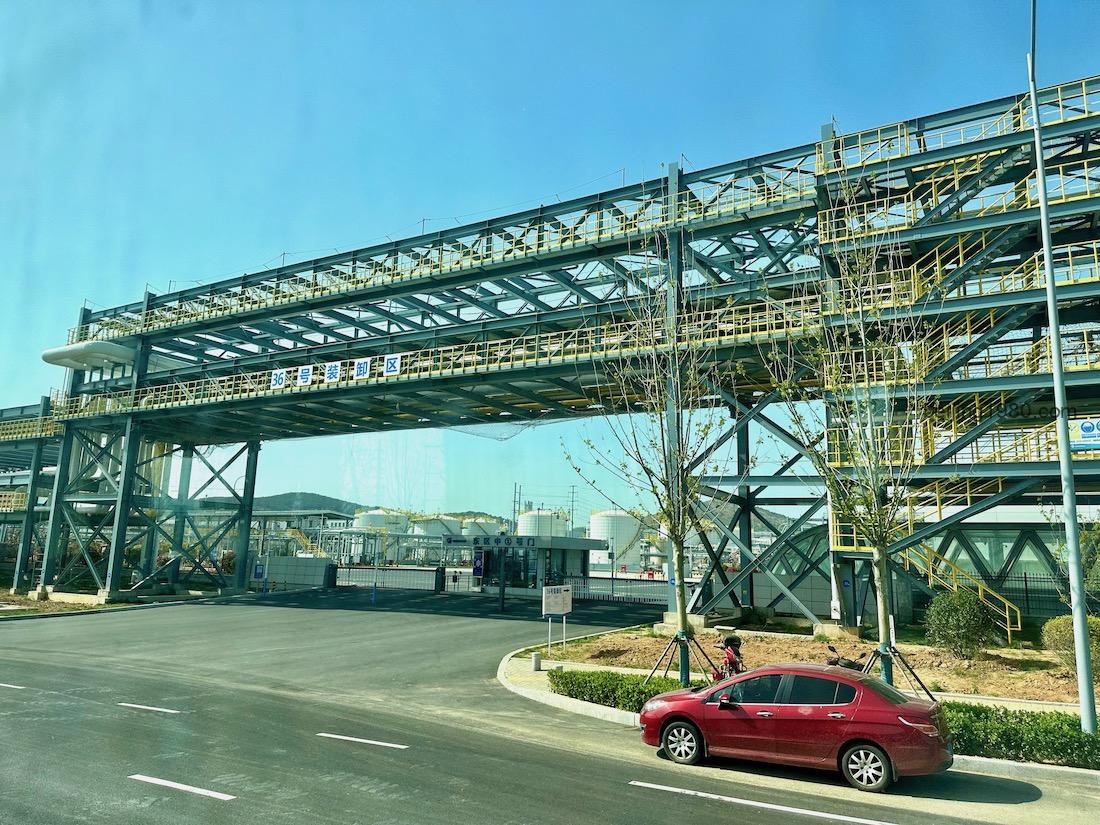
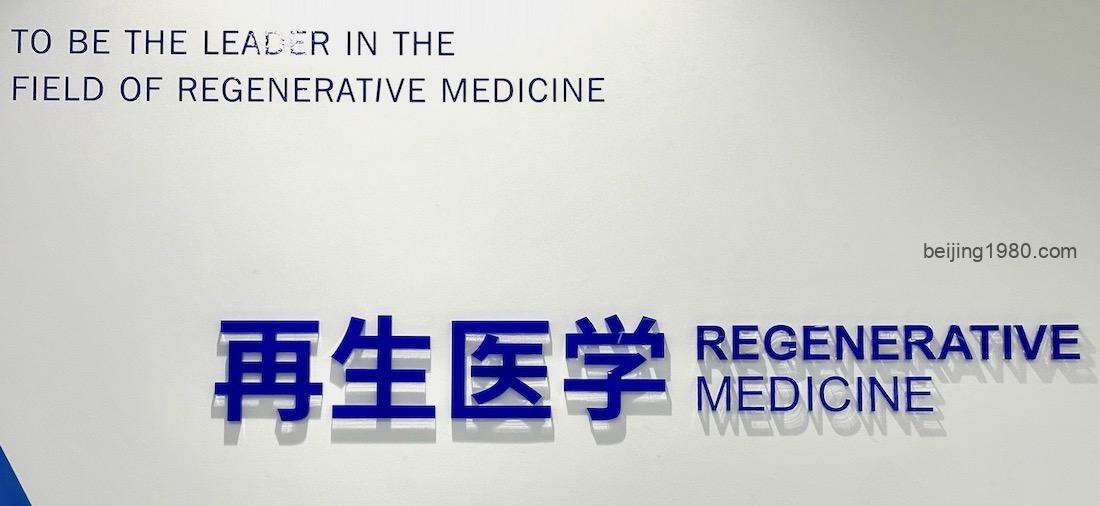
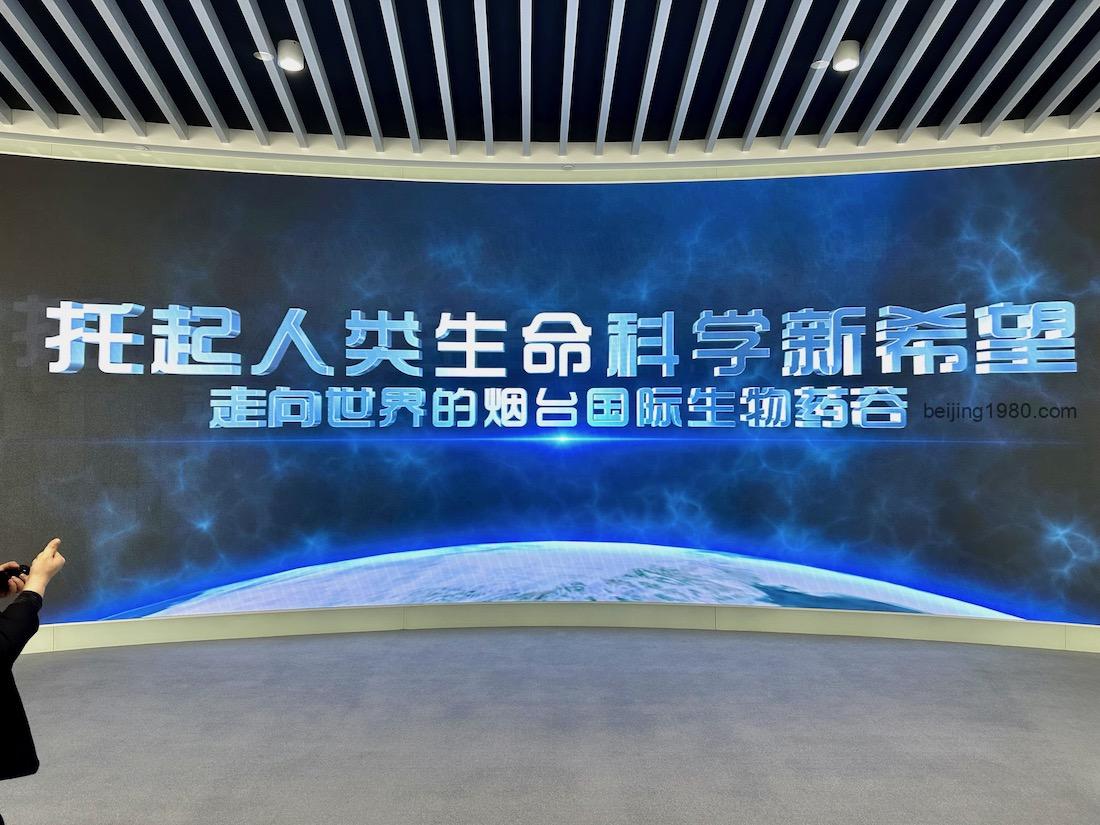
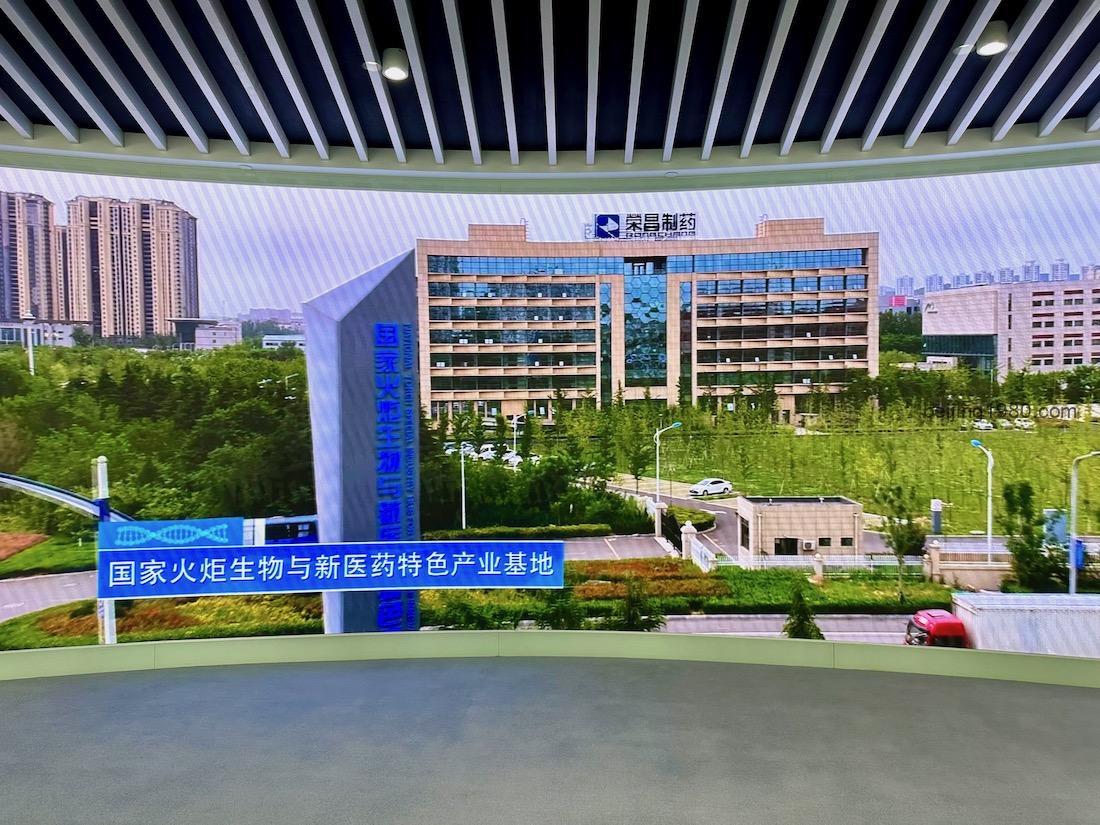
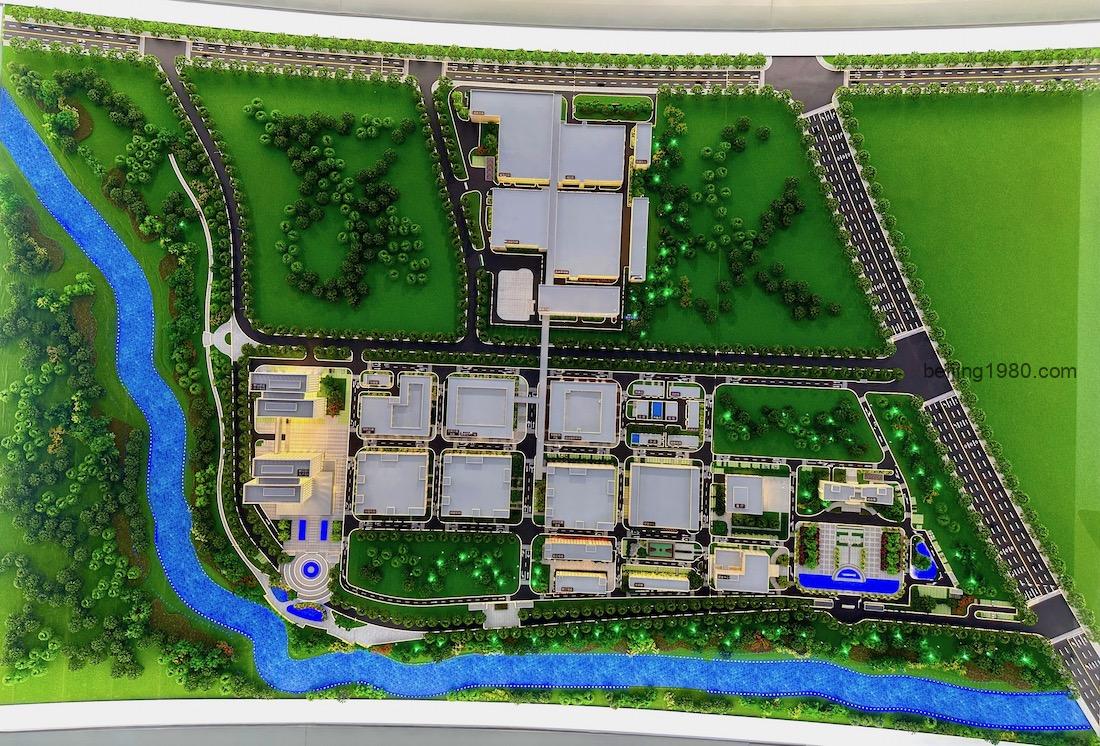
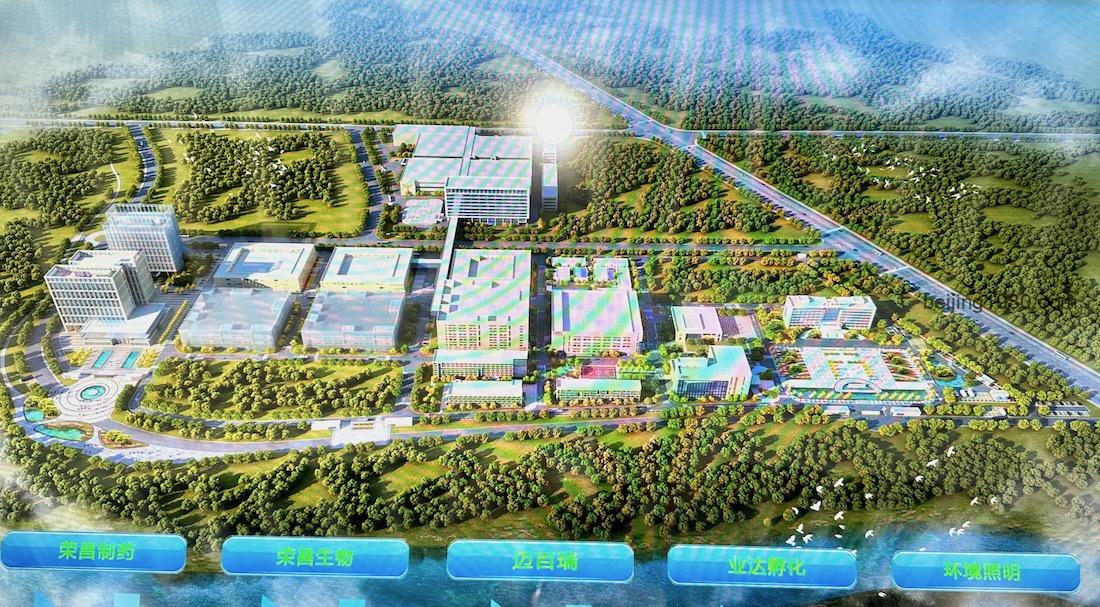
On 14 May we visited a major pharmaceutical research center, huge and with the most advanced laboratory equipment.

Zibo is the largest pharmaceutical industry base in Shandong Province continually ranking the first in the Province. A complete industrial system including chemical raw materials and preparations, Chinese patent medicines, medical devices and consumables, pharmaceutical equipment, pharmaceutical excipients and pharmaceutical intermediates has been formed. It is focused on the cultivation and development of major industrial clusters including pharmaceuticals, medical devices and pharmaceutical equipment, pharmaceutical packaging materials and pharmaceutical excipients. The industry chain of superior medicine such as cephalosporin, antipyretic and analgesic is strengthened, the Chinese Medicine prevention and treatment, new medicine development as well as the secondary development of Chinese Medicine are reinforced and an RMB 80 billion-level pharmaceutical industry cluster is created. In the medical equipment and pharmaceutical equipment field, the research and development of high-end imaging medical equipment is accelerated, new products such as radiotherapy, in vitro diagnostics, dialysis equipment, biological materials are developed and a RMB 30 billion-level medical equipment and pharmaceutical equipment industrial cluster is created.
More details here.

It is said that the bulk of Aspirin, Caffeine and Ibuprofen production for the world is coming from Zibo, e.g. through Shandong Xinhua Pharmaceutical Co. Ltd.

Interviewed by The Bridge (CGTN)

Skype interview

On 22 March 2023 Gilbert was interviewed by The Bridge (CGTN): “We talk about consumer waste around the world with the author of Toxic Capitalism”.
Here is the latest link from CGTN.

The interview on Skype was with Jason Smith and (Ms.) Beibei of The Bridge Radio Show and Podcast.
Jason is now also a regular at our Old China Hands Monthly Lunch!

The interview was pleasant and well structured. The funny thing was, Jason mentioned to Beibei they were going to interview me. Beibei surprised, turned around and showed Jason the copy of my book Toxic Capitalism that she had just bought. Then Jason ordered another copy for himself – he could have bought it directly from me!
So there was a lot of talk about environmental topics, along the many other.

The introduction on the website:
“Sir Gilbert Van Kerckhove from Ghent, Belgium, has lived in China for four decades. While working in the country, he led the initiative to build Shanghai’s Line 3 in the 1990s and was involved in the preparations for the 2008 Summer Olympics in Beijing. In his book Toxic Capitalism, he shares extensive knowledge on global consumerism and wastage, and how to tackle these challenges. A recipient of the highest award for foreigners in China: The Friendship Award, Van Kerckhove is also the Rotating Chairman of Foreign Expert Committee, Belt and Road International Talent. We ask him about environmental efforts in modern China and how he views his 43 years in the Middle Kingdom.”
Other audio links

The full intro about me:
“Gilbert Van Kerckhove, is from Ghent, Belgium where he graduated with a master’s degree in electronic engineering. He speaks Dutch, French, English, Portuguese, German, survival Spanish, and survival Chinese. He first moved to China in 1980. He is the president and founder of Beijing Global Strategy Consulting Co., Ltd., a Wholly Owned Foreign Enterprise in management consulting that provided strategy guidance, investment & development advice and lobbying to foreign and Chinese companies and entities.
Since early 2000 he has been assisting the Beijing Municipal authorities in the areas of economic studies and foreign investment promotion.
He was deeply involved in the preparations for the 2008 Summer Olympics in Beijing. His book Toxic Capitalism was published in August 2012. He is a recipient of the highest award for foreigners in China: The Friendship Award. He is also the Rotating Chairman of Foreign Expert Committee, Belt and Road International Talent.
He’s earned the Knight in the Order of the Crown – Belgium (21 November 2004 – by HRH Prince Philip).
And finally he has also worked in Brazil, Nigeria, Spain, Thailand, Indochina and Burma (Myanmar). There’s more, but we only have an hour. Welcome to the show Gilbert.”

The podcast is on a range of other websites:

Spotify

Apple podcasts

Audible

YouTube video
A short clip is on YouTube, now with my first name corrected … (thanks!)

The updated clip

Author Gilbert Van Kerckhove Discusses China’s Transformation” (Need VPN)