23 November 2021 Rotary talk on CSR

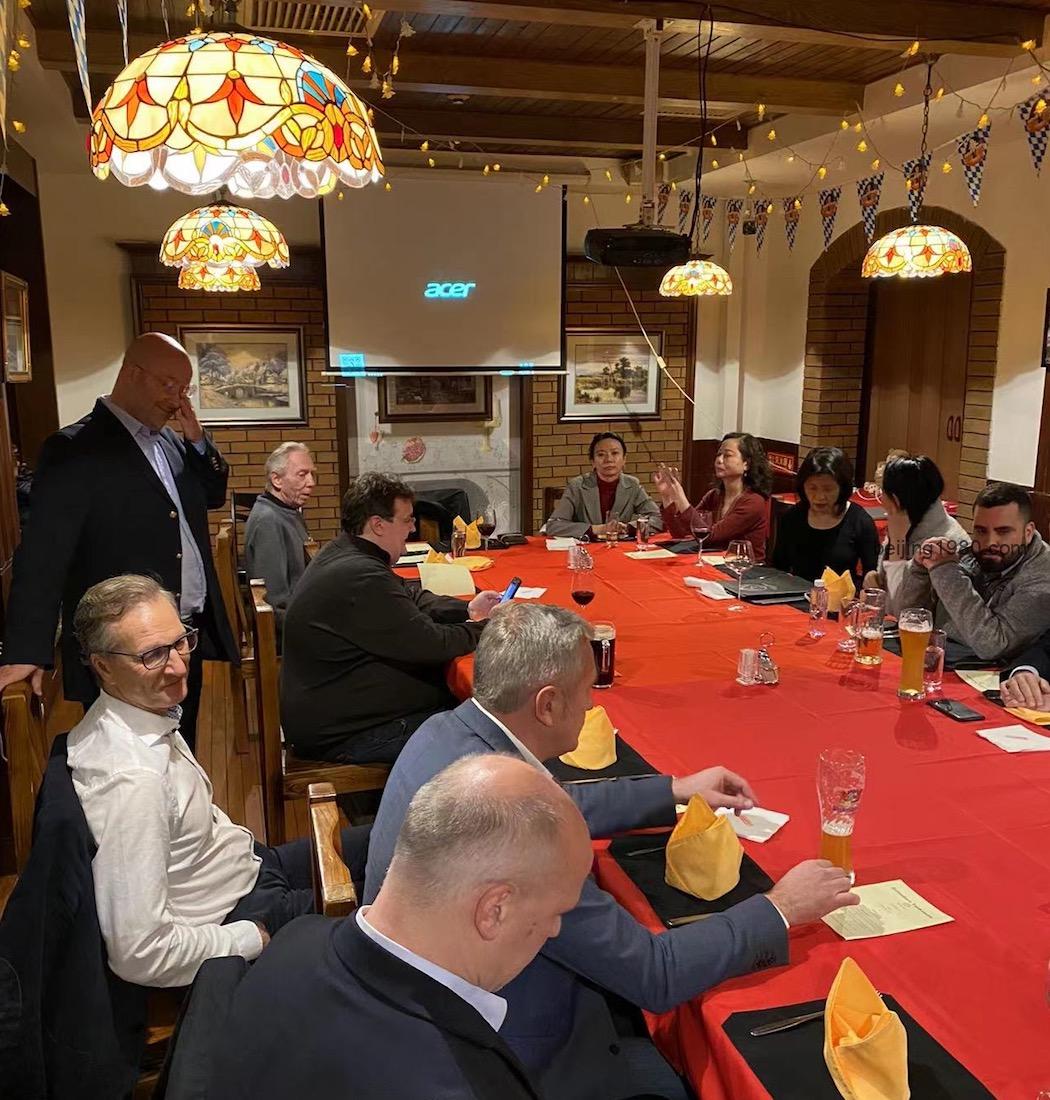
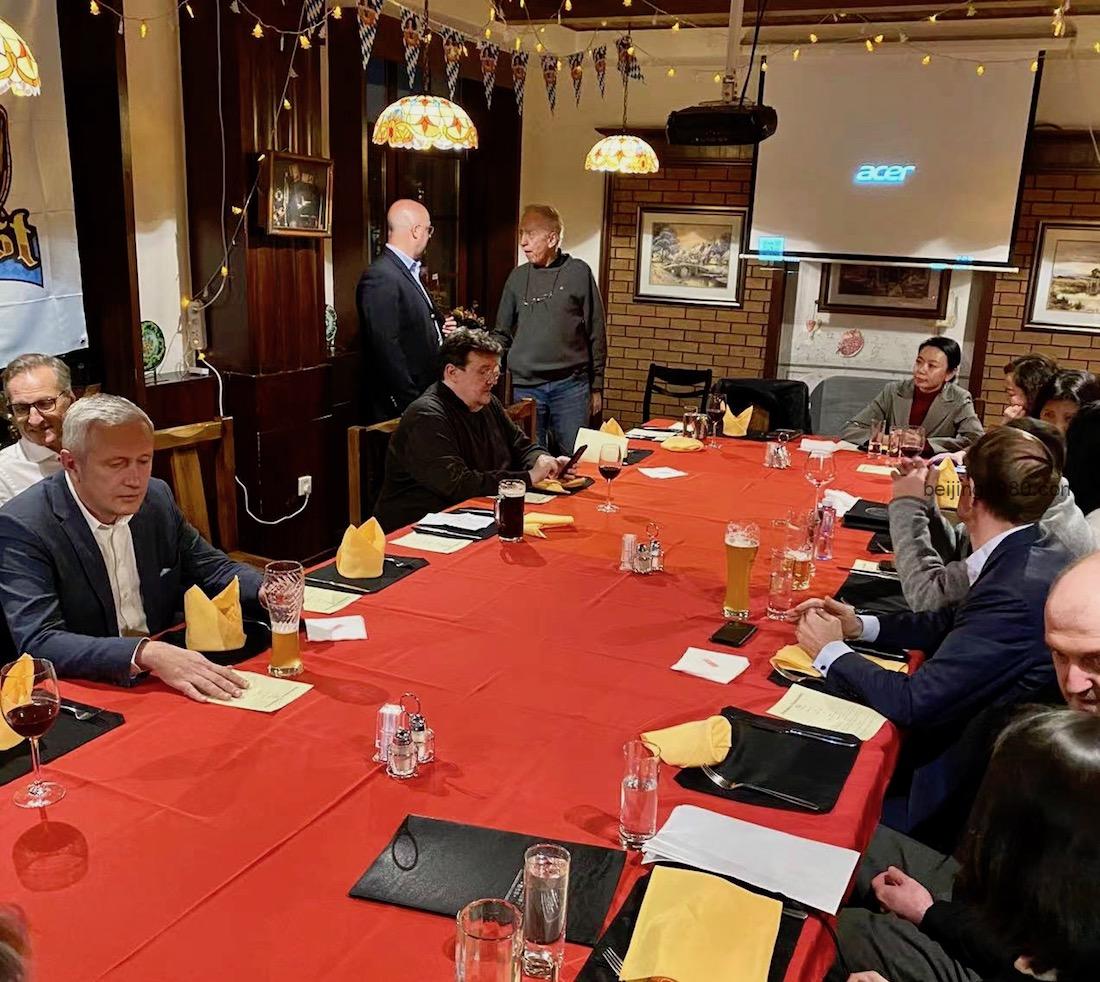
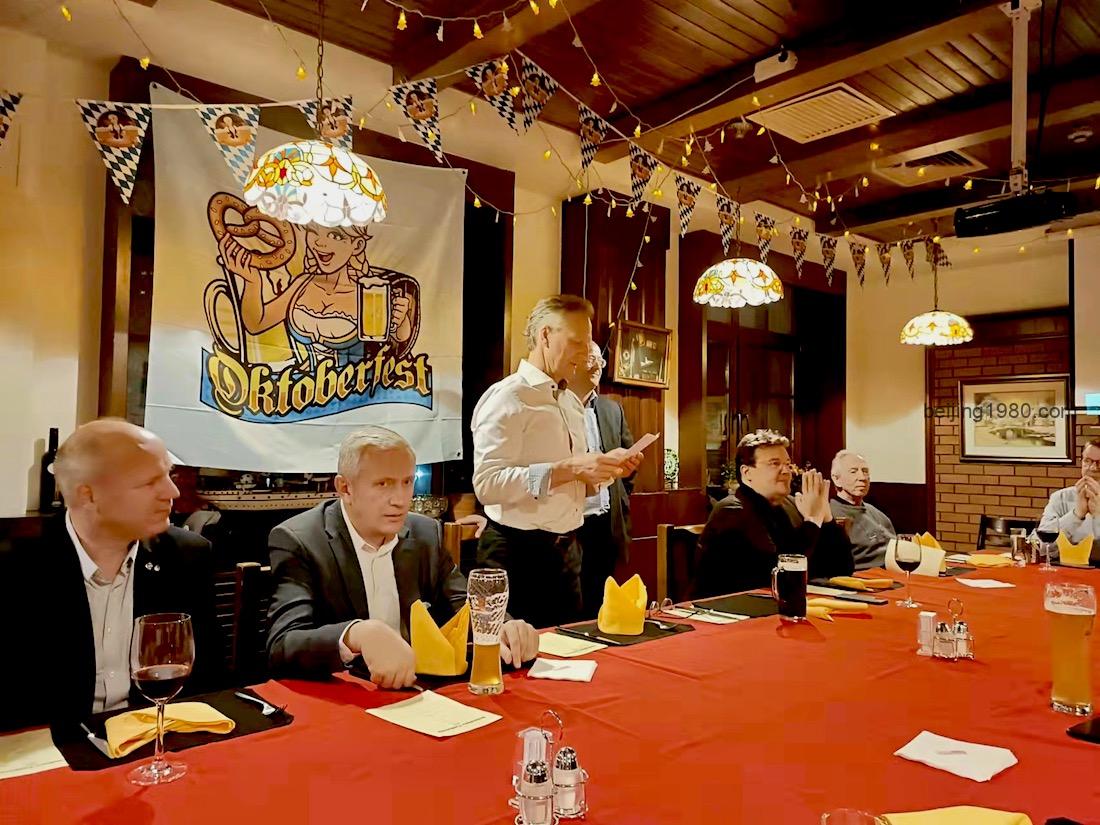
Schindlers Tankstelle in Sanlitun

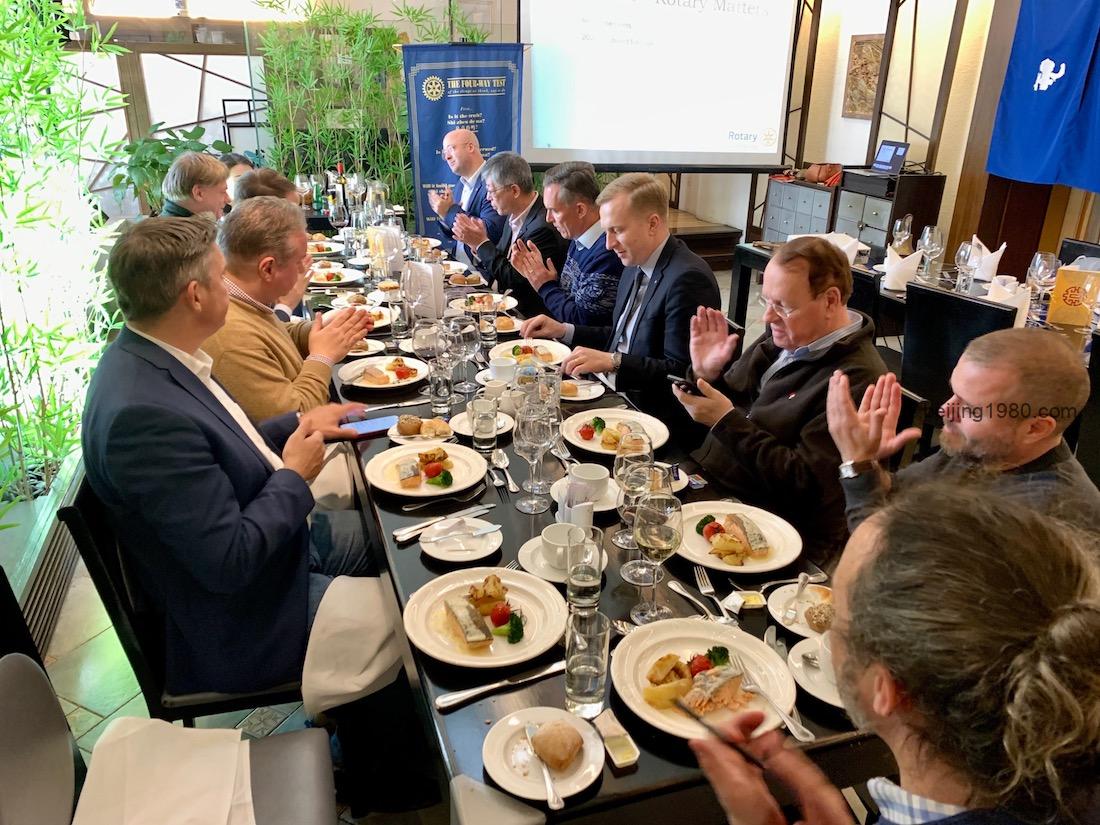
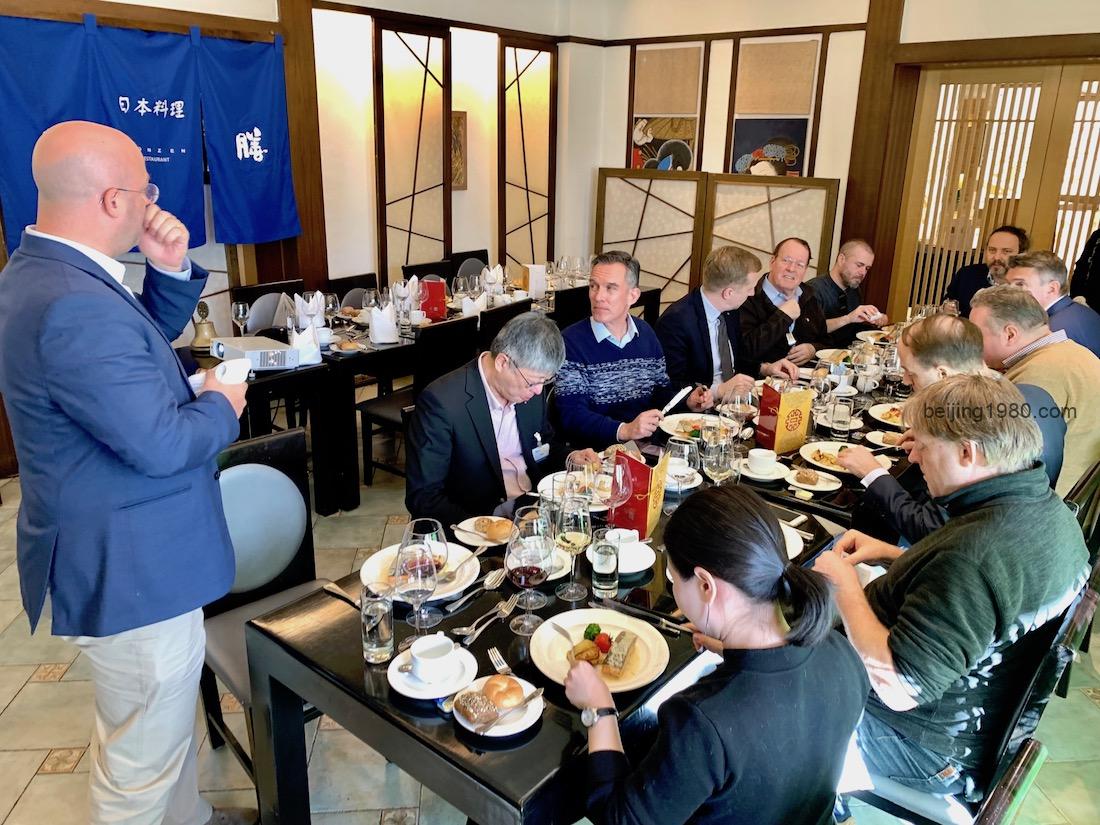
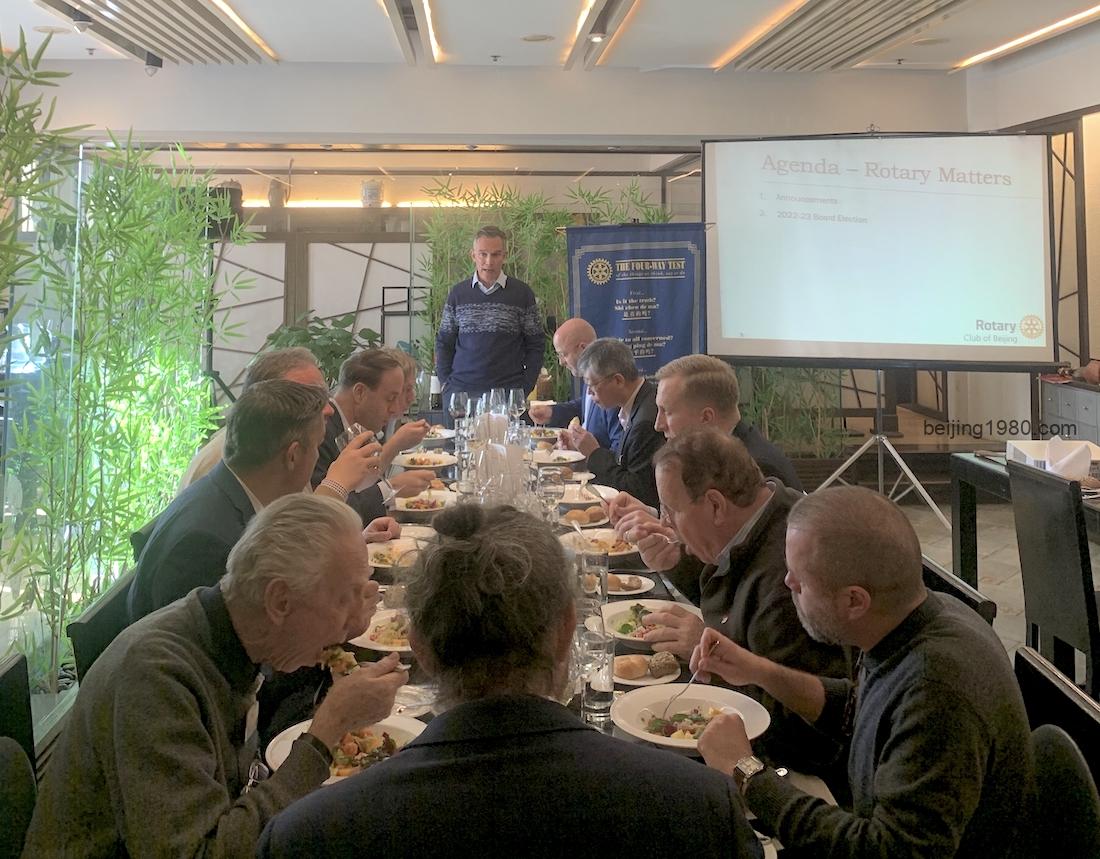
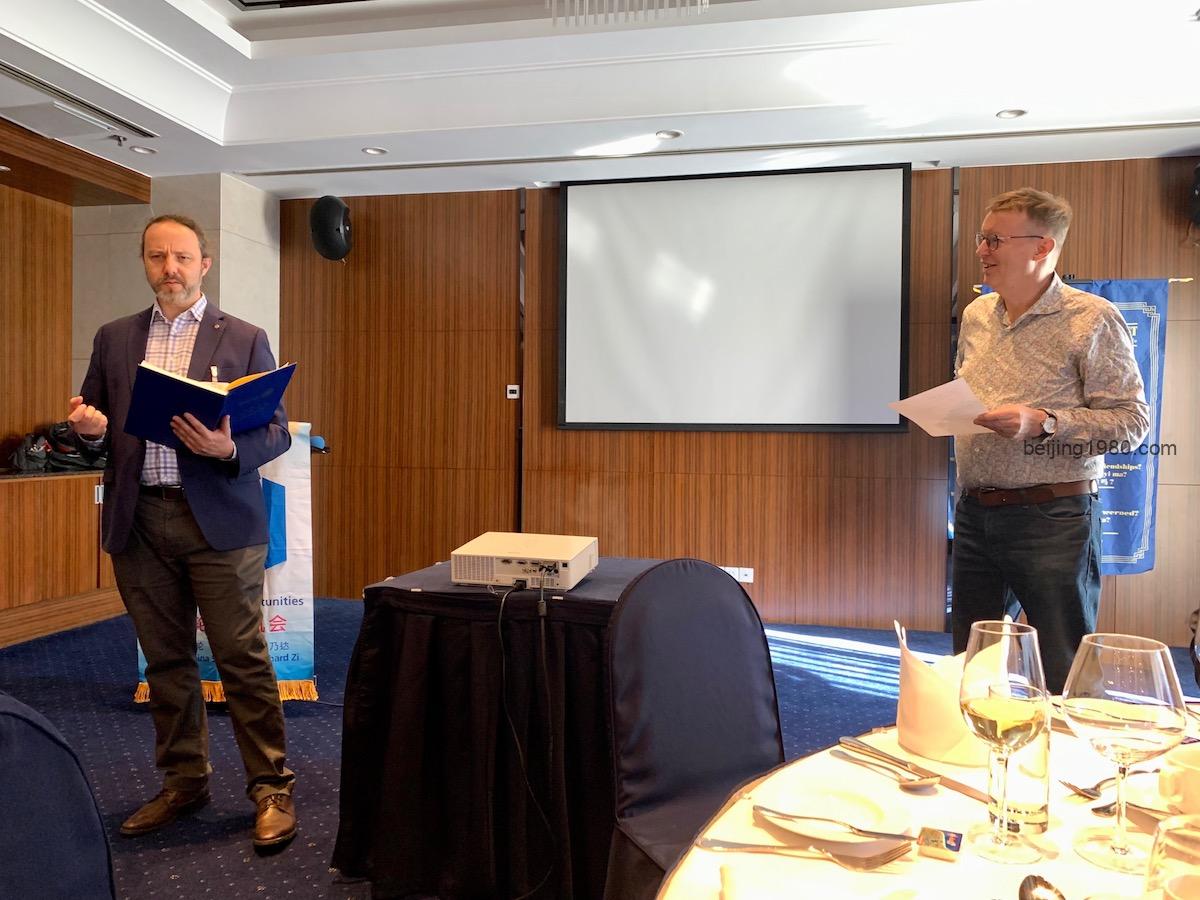
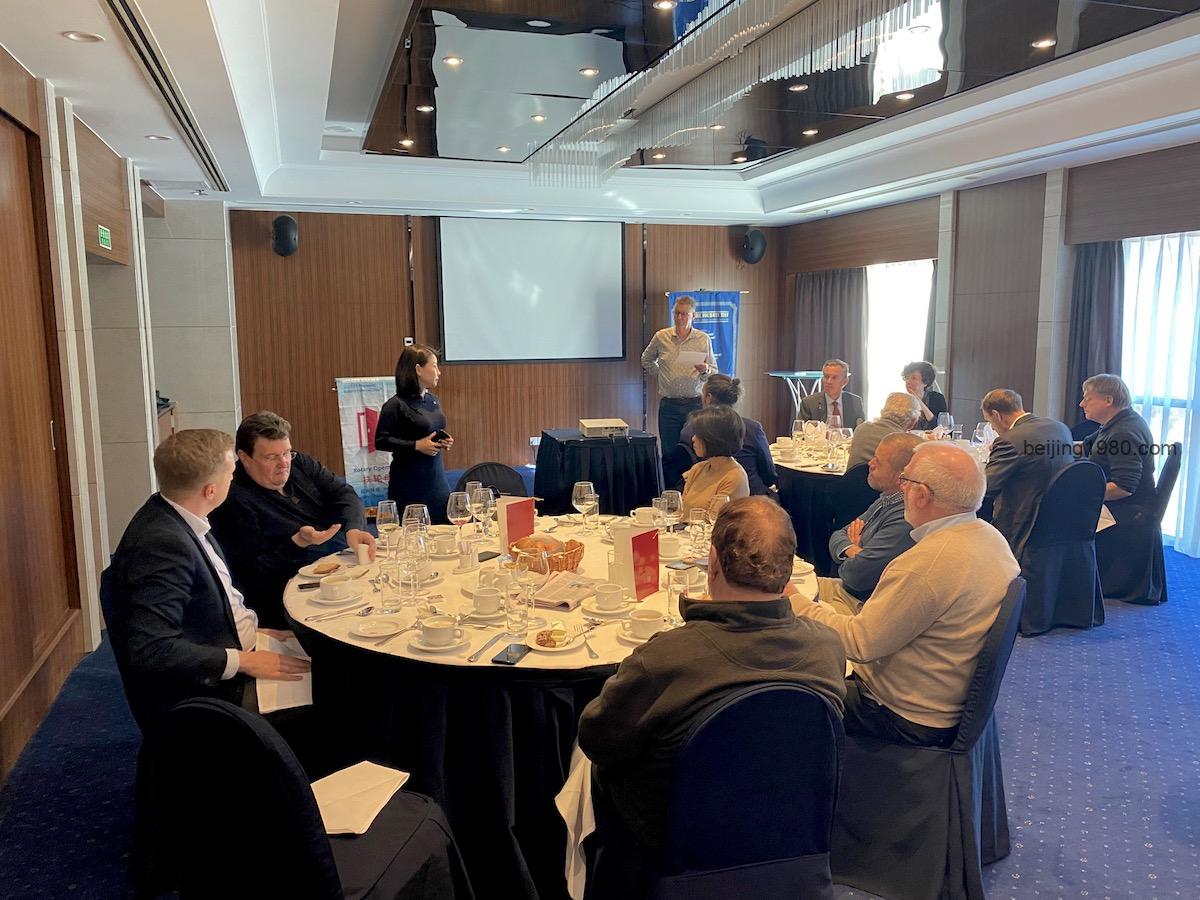
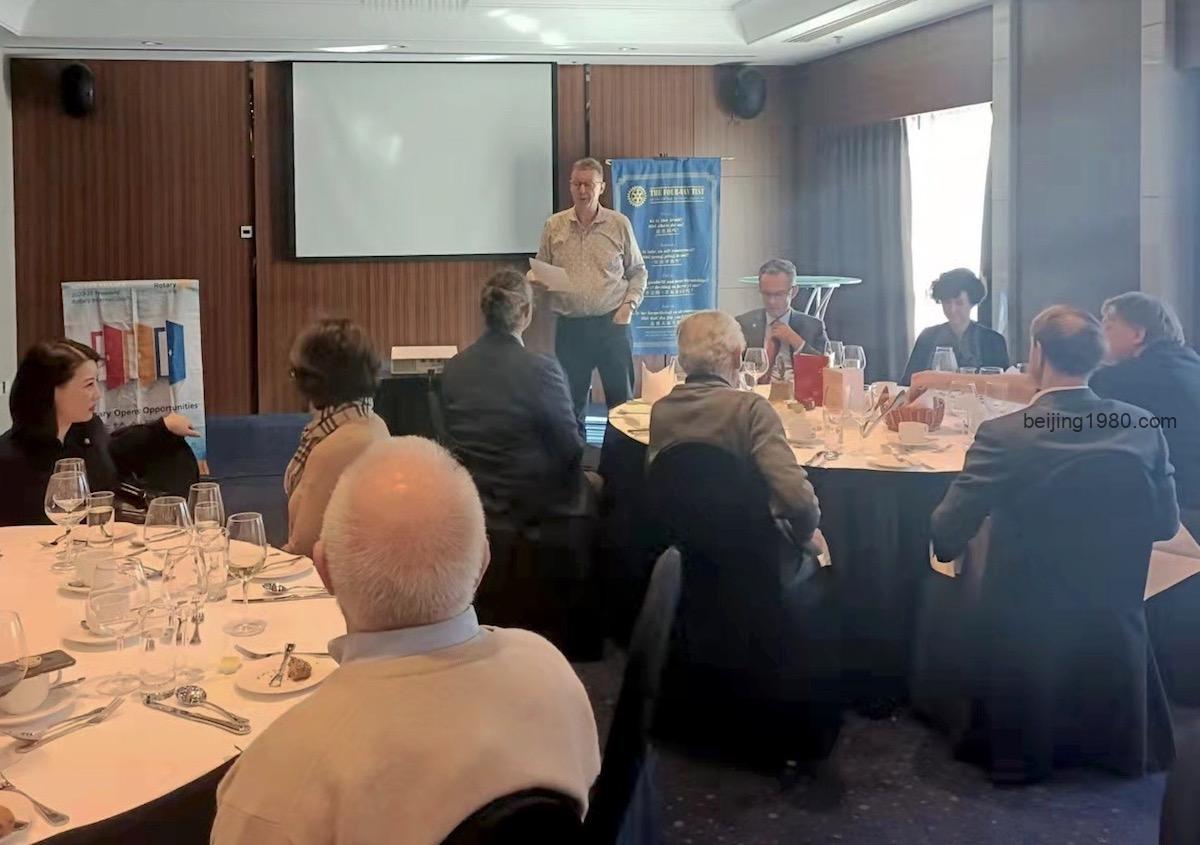
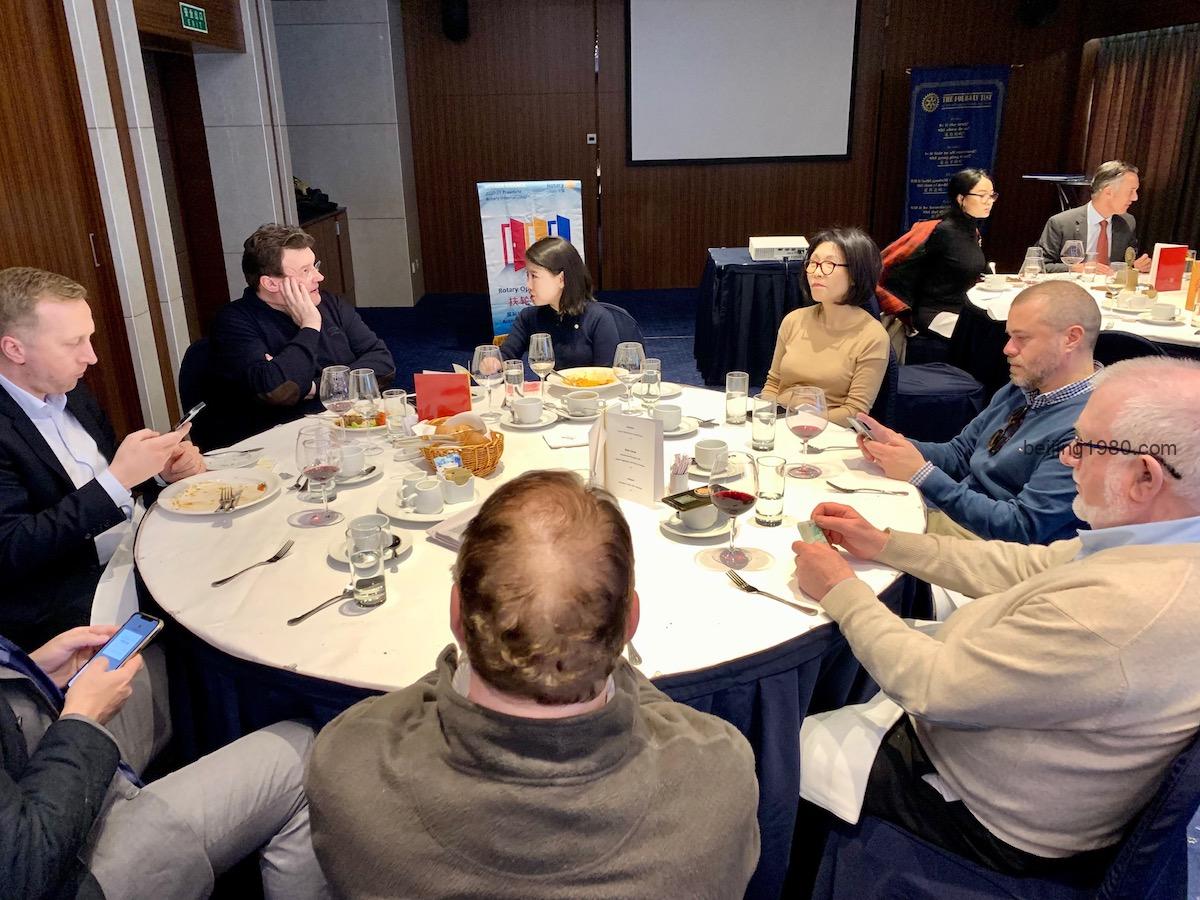
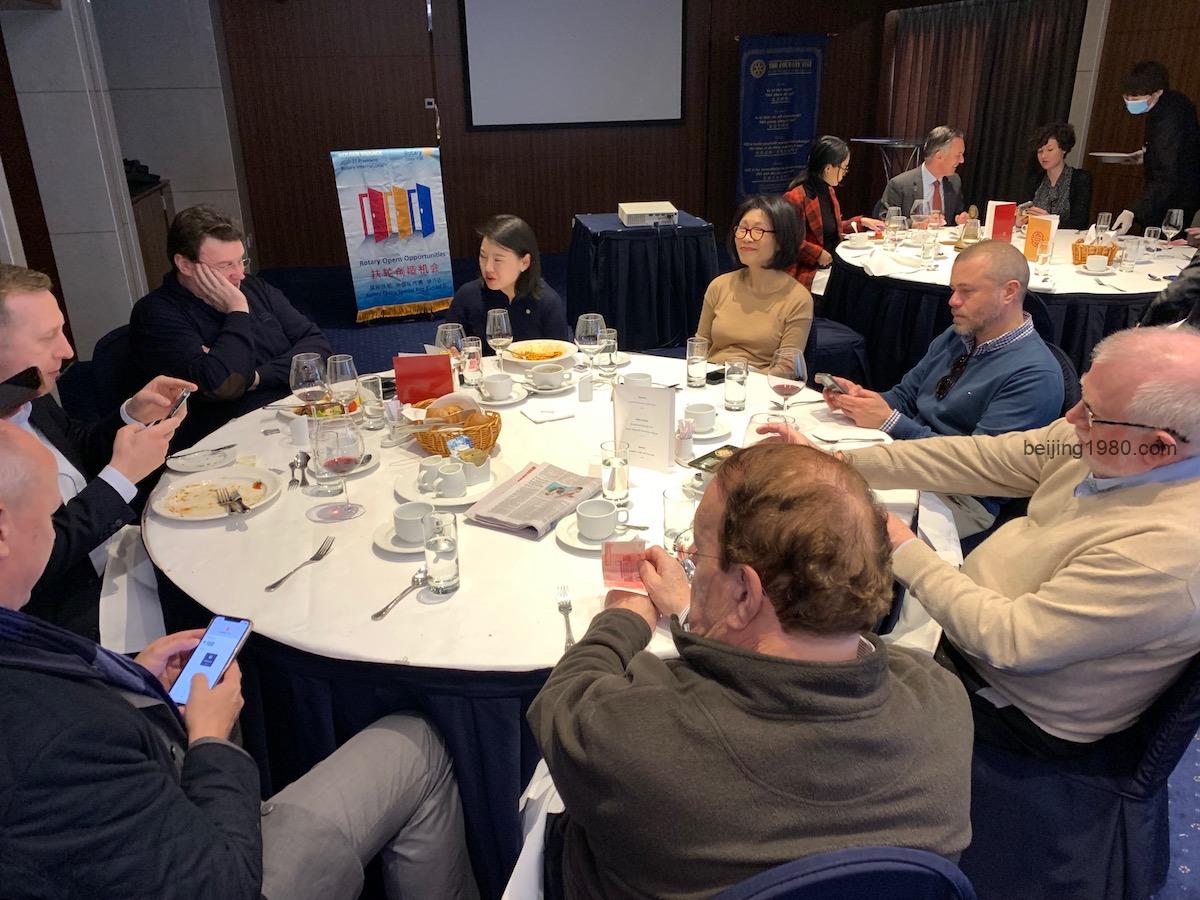
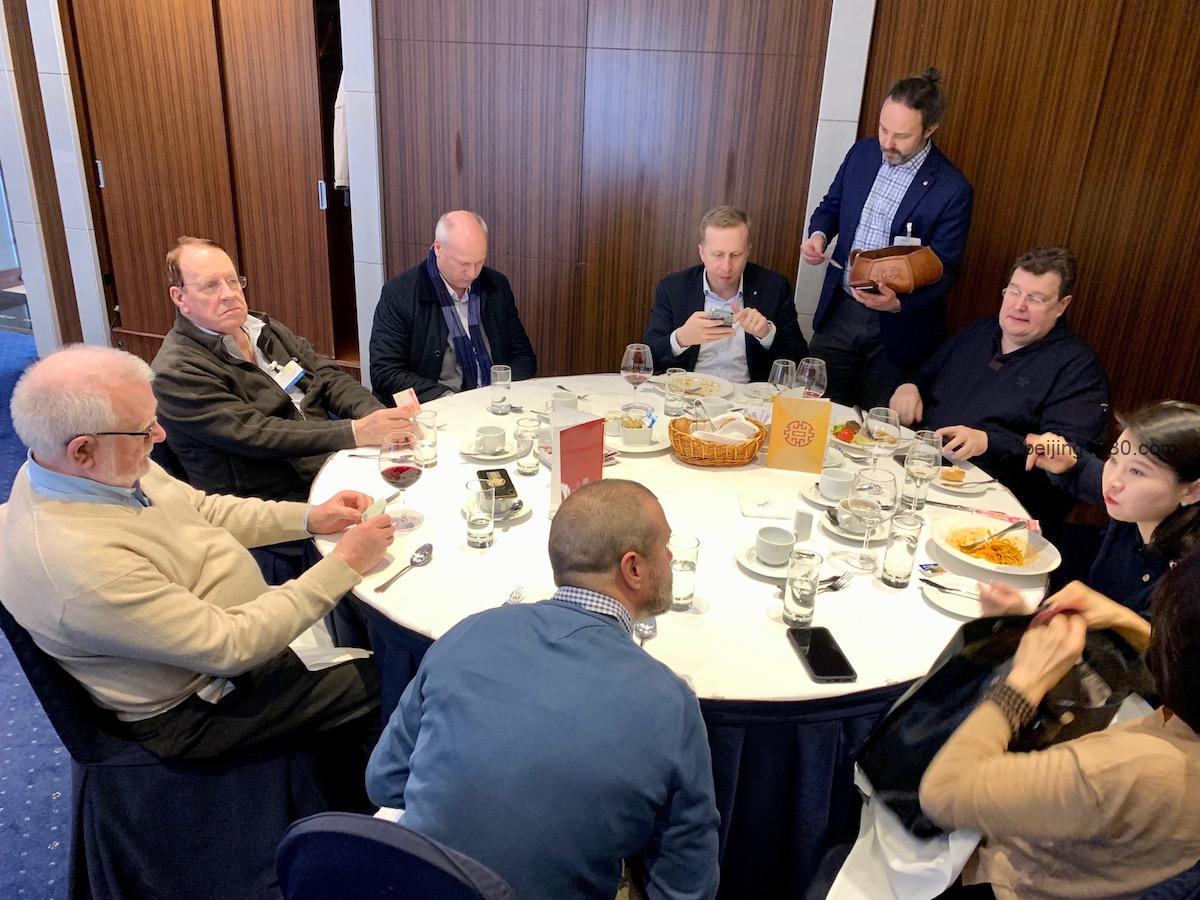
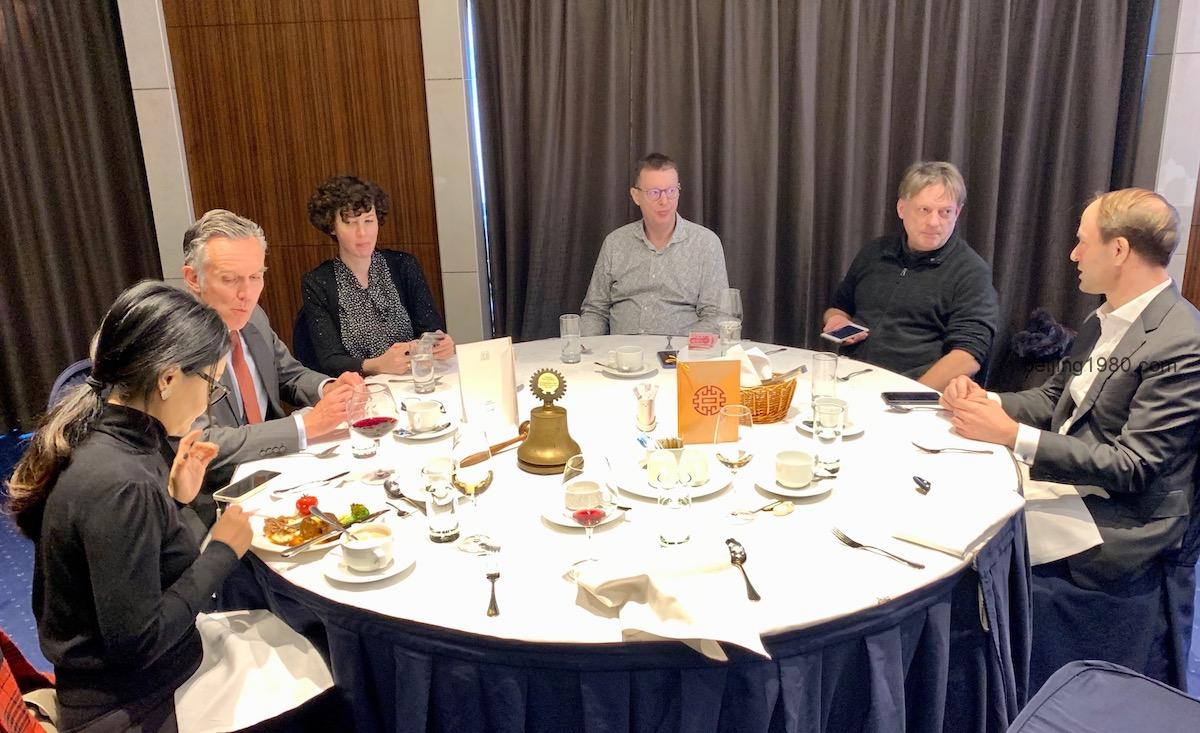
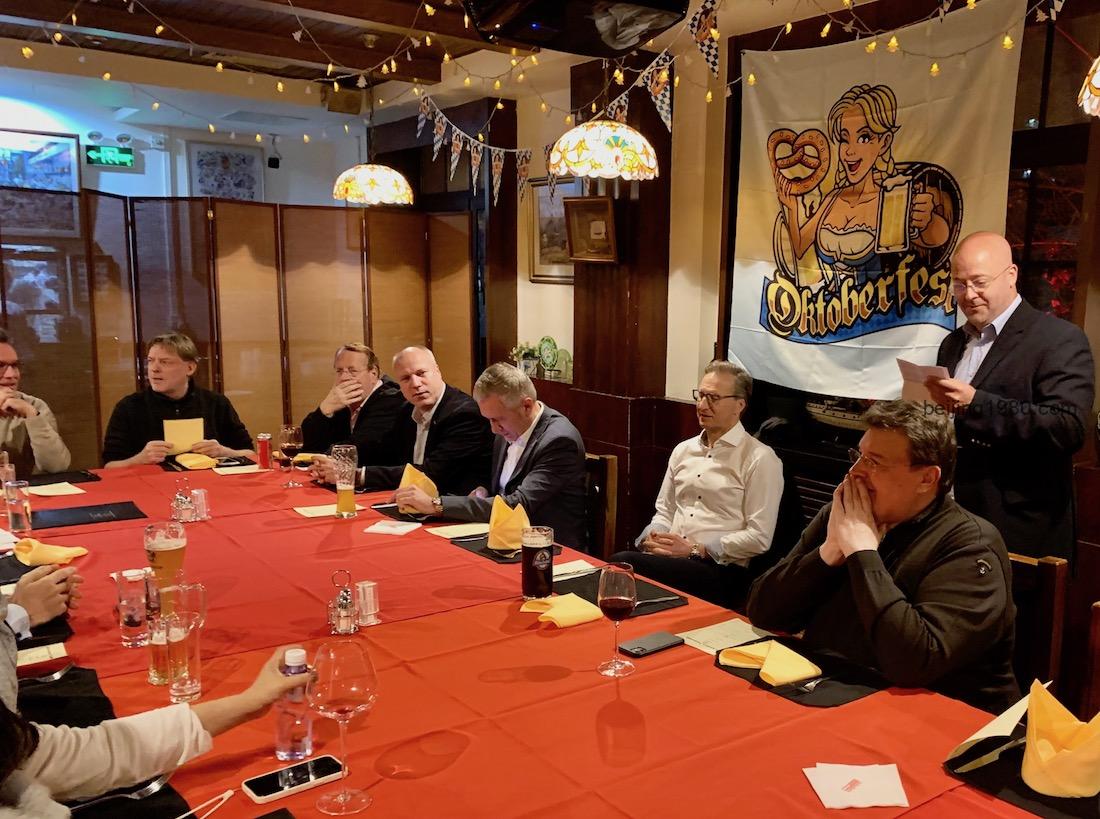
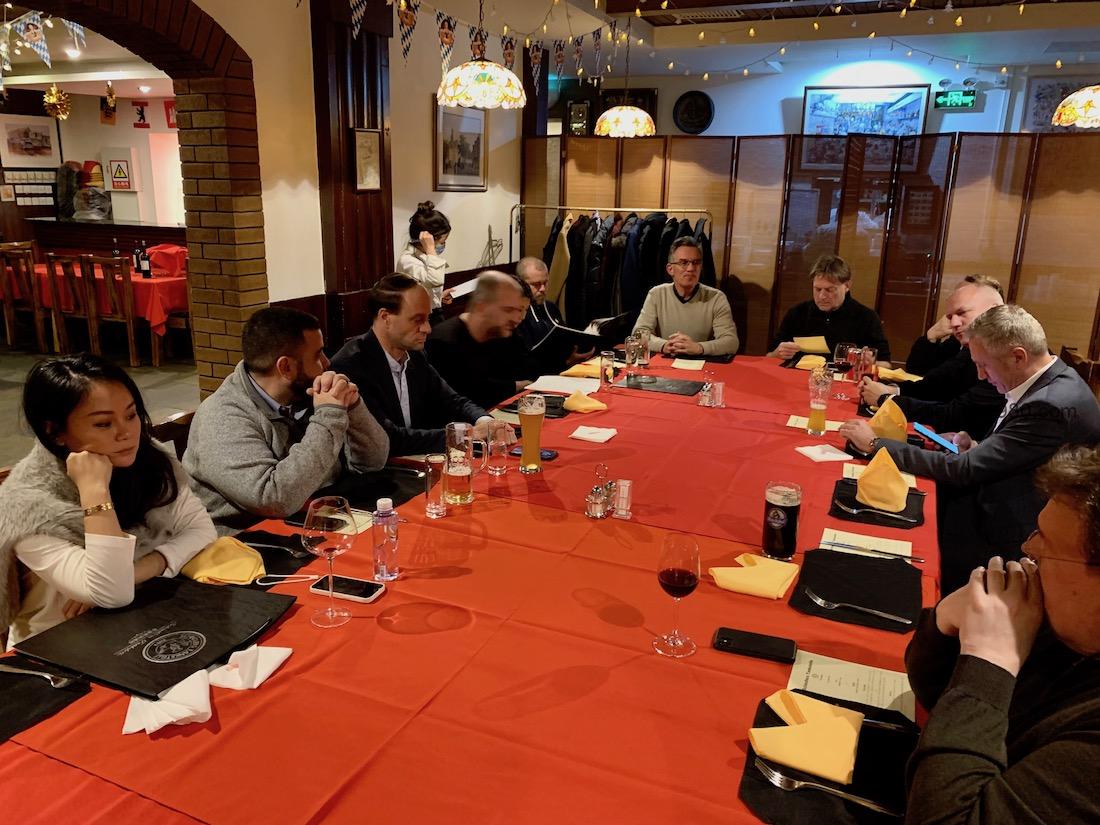
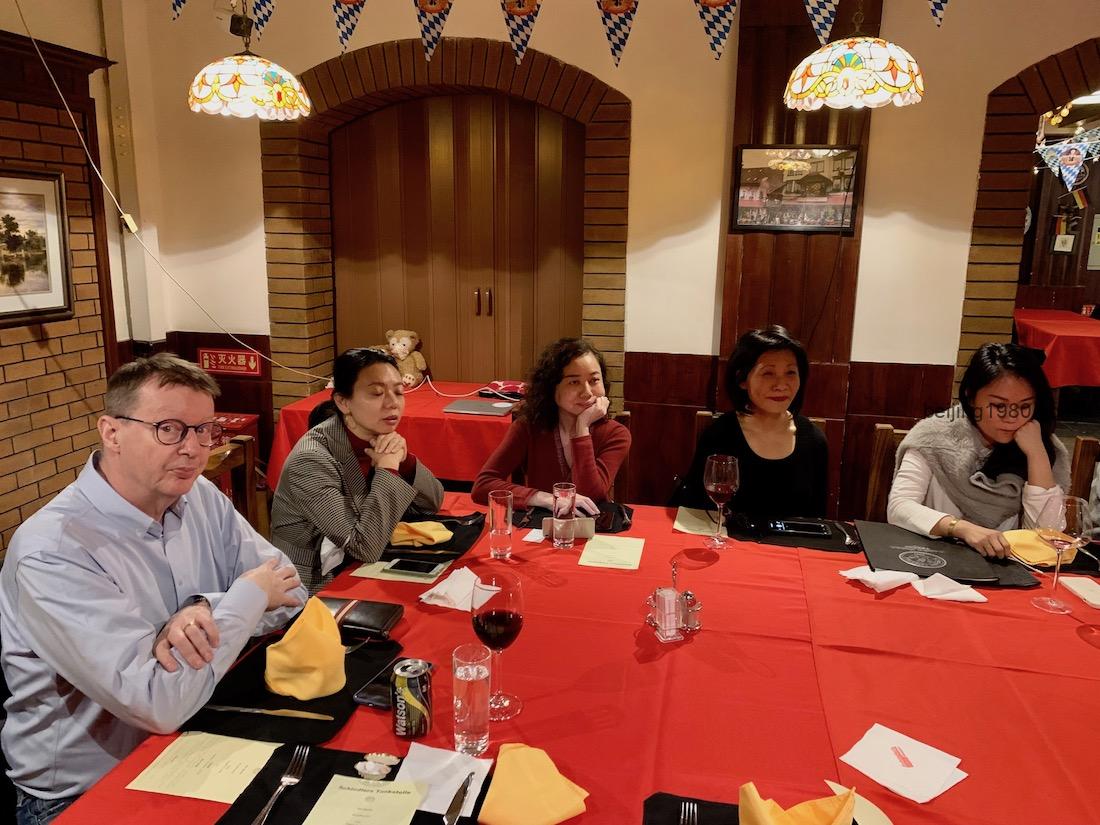
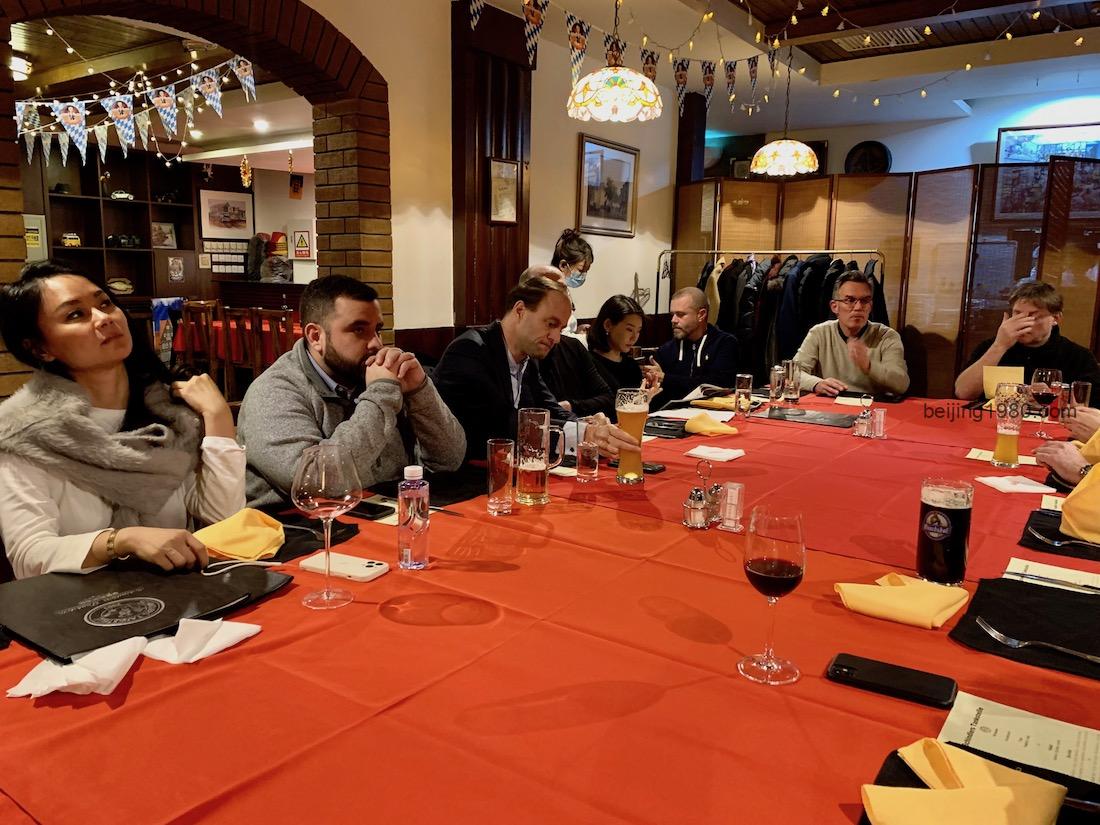
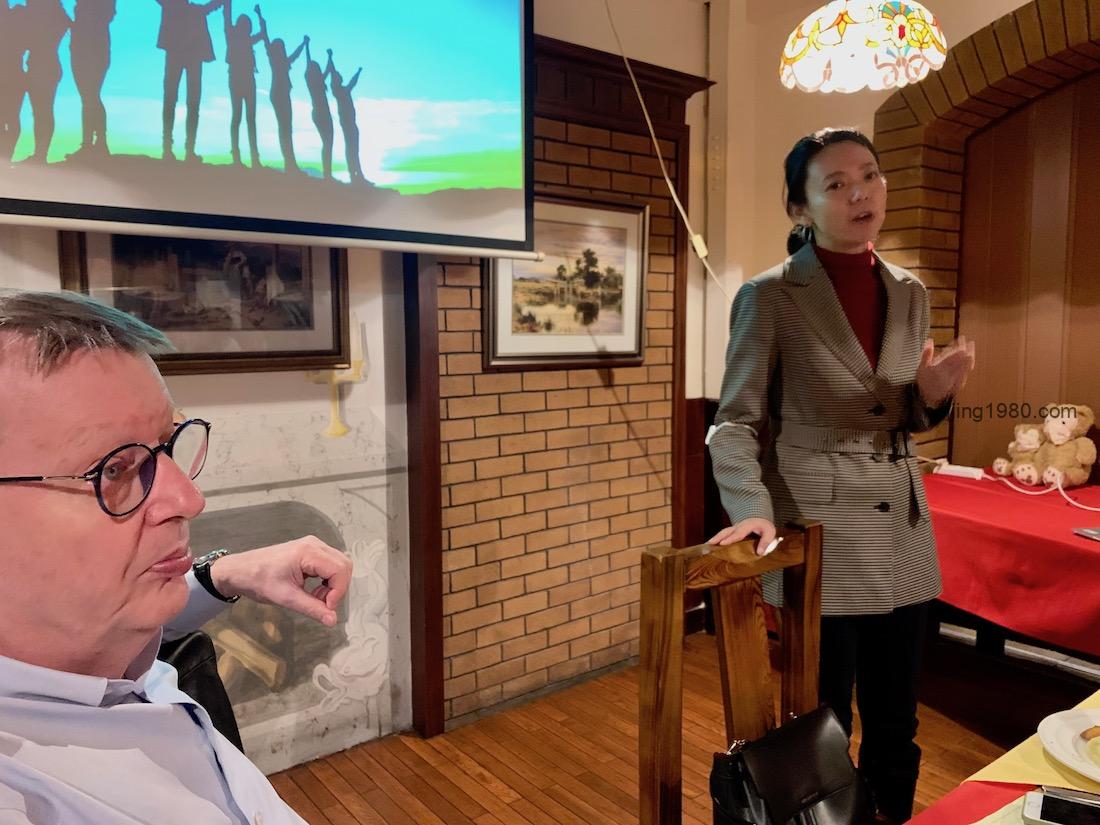
For our 23 November 2021 Rotary talk on CSR we welcomed as speaker Ying LI Joyce, the Head of Group CSR & Media Events, Volkswagen Group China.  Topic: Volkswagen Group China CSR strategy 2025

Joyce has over 15 years of experience in PR & Marketing filed by VGC, her expertise is in strategic planning and professional project management. She successfully executed the Volkswagen brand image rebuilt in China campaign; Volkswagen & 2008 Beijing Olympic Sponsorship; Volkswagen Group China CSR strategy 2025. This time she introduced the Volkswagen Group China CSR strategy 2025 from an insider perspective.
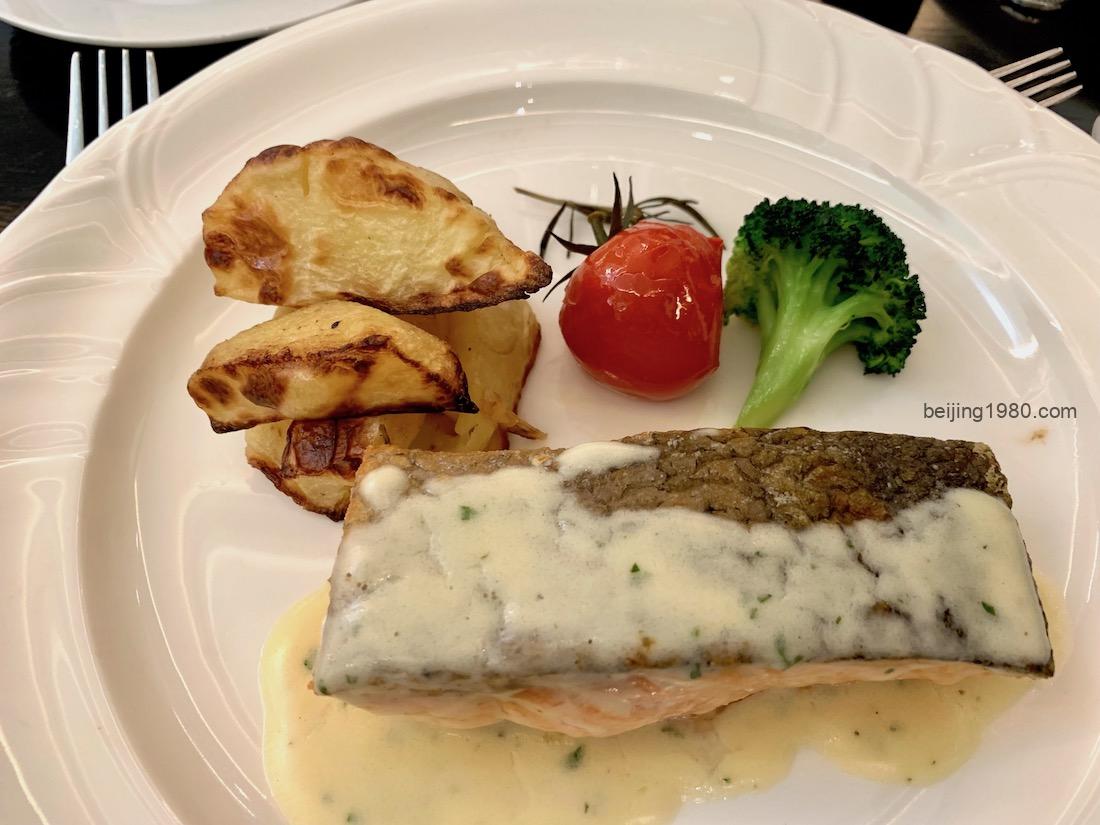
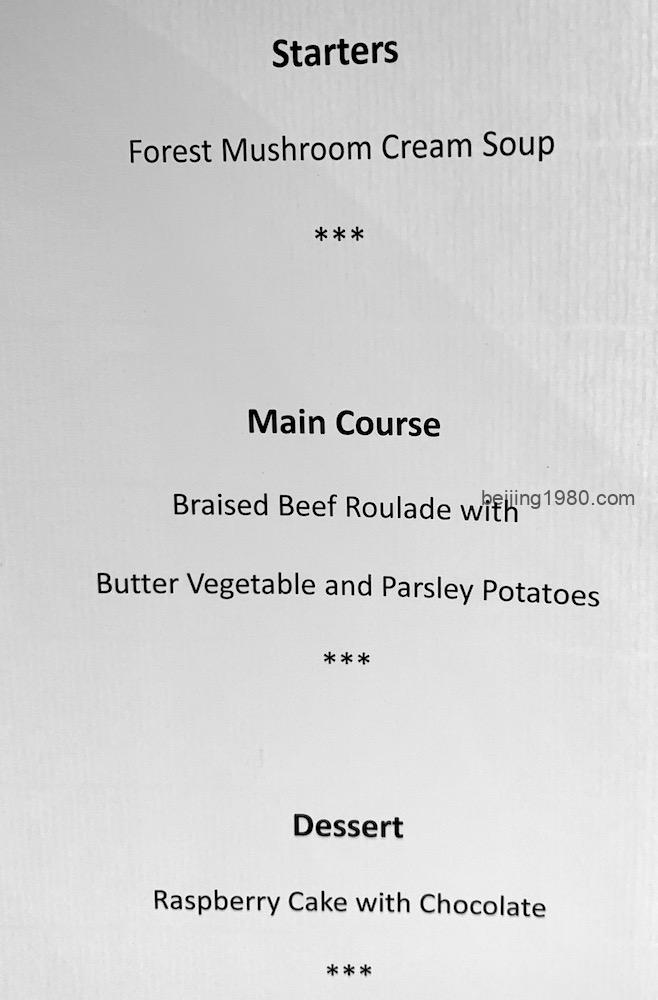
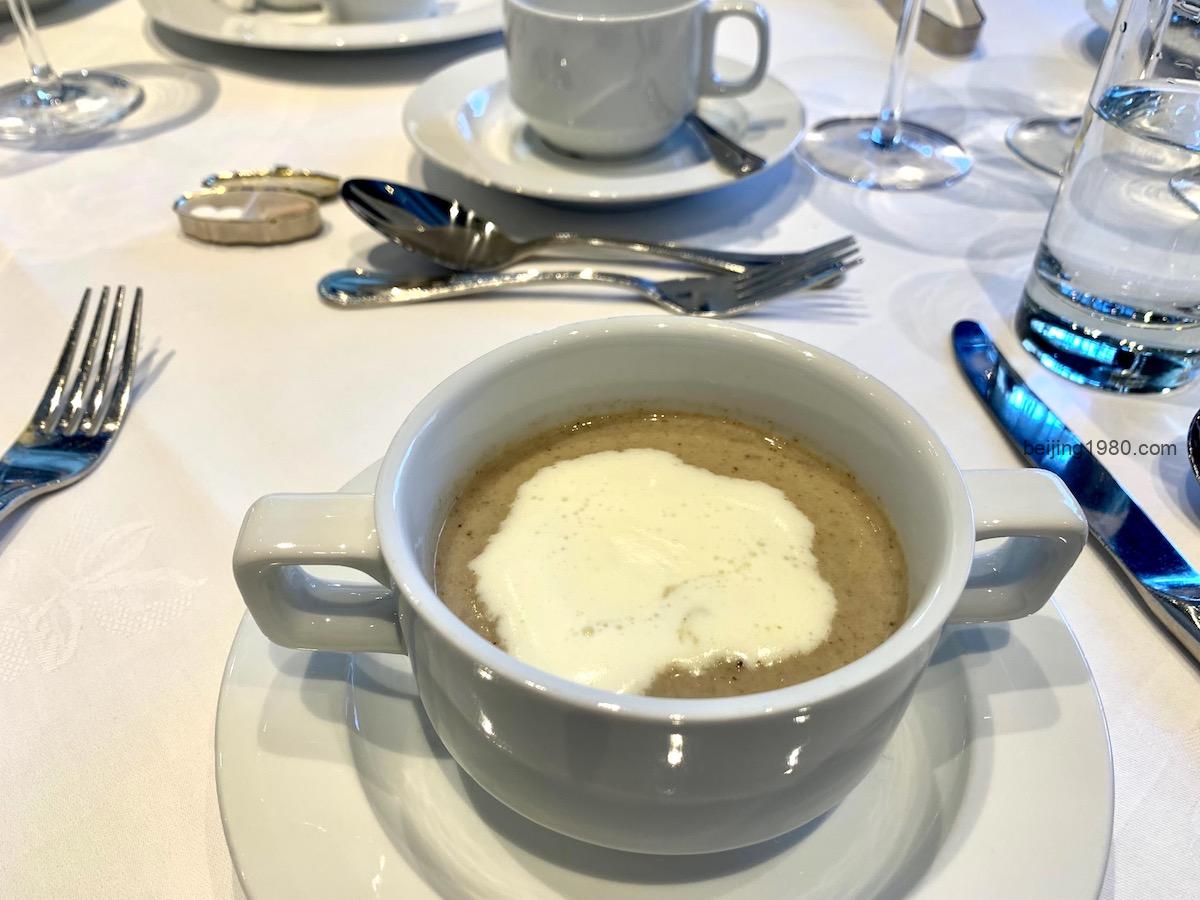
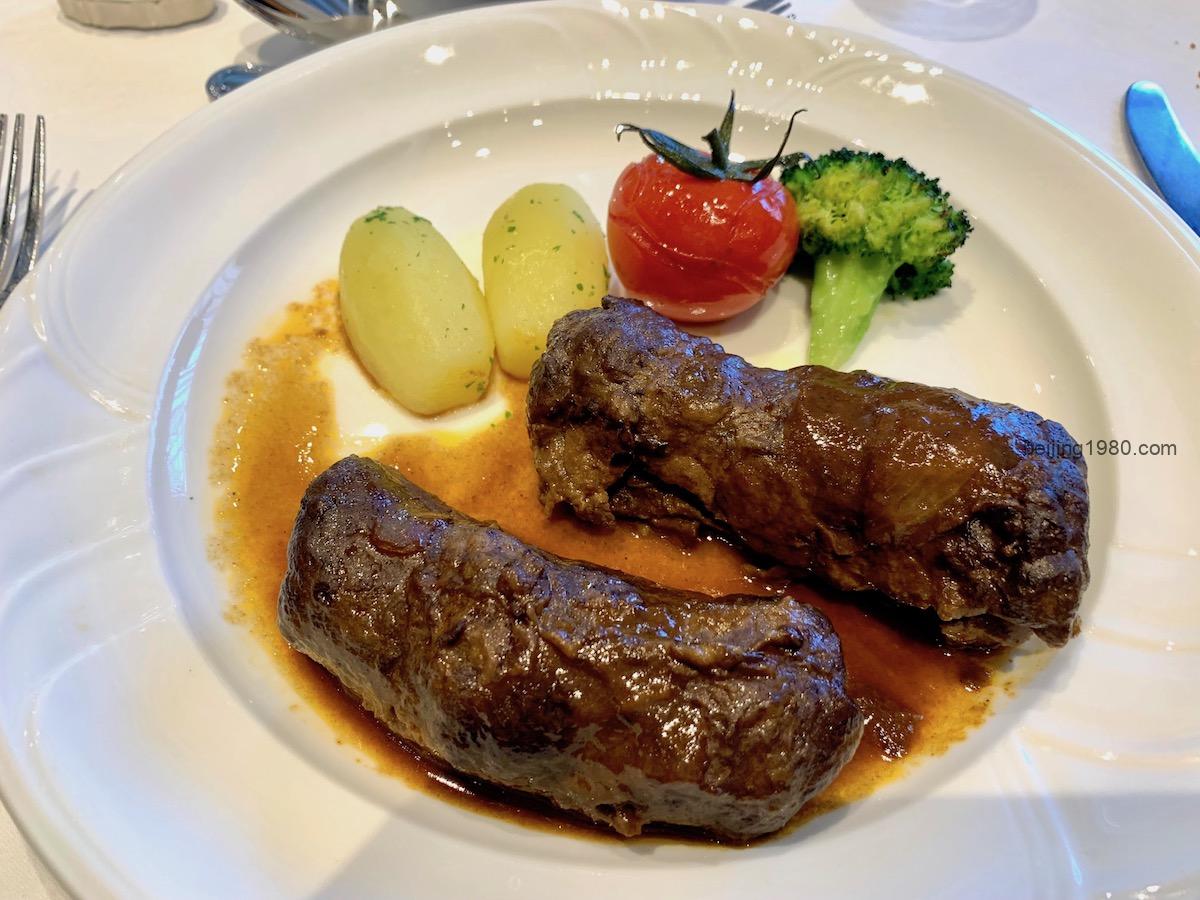
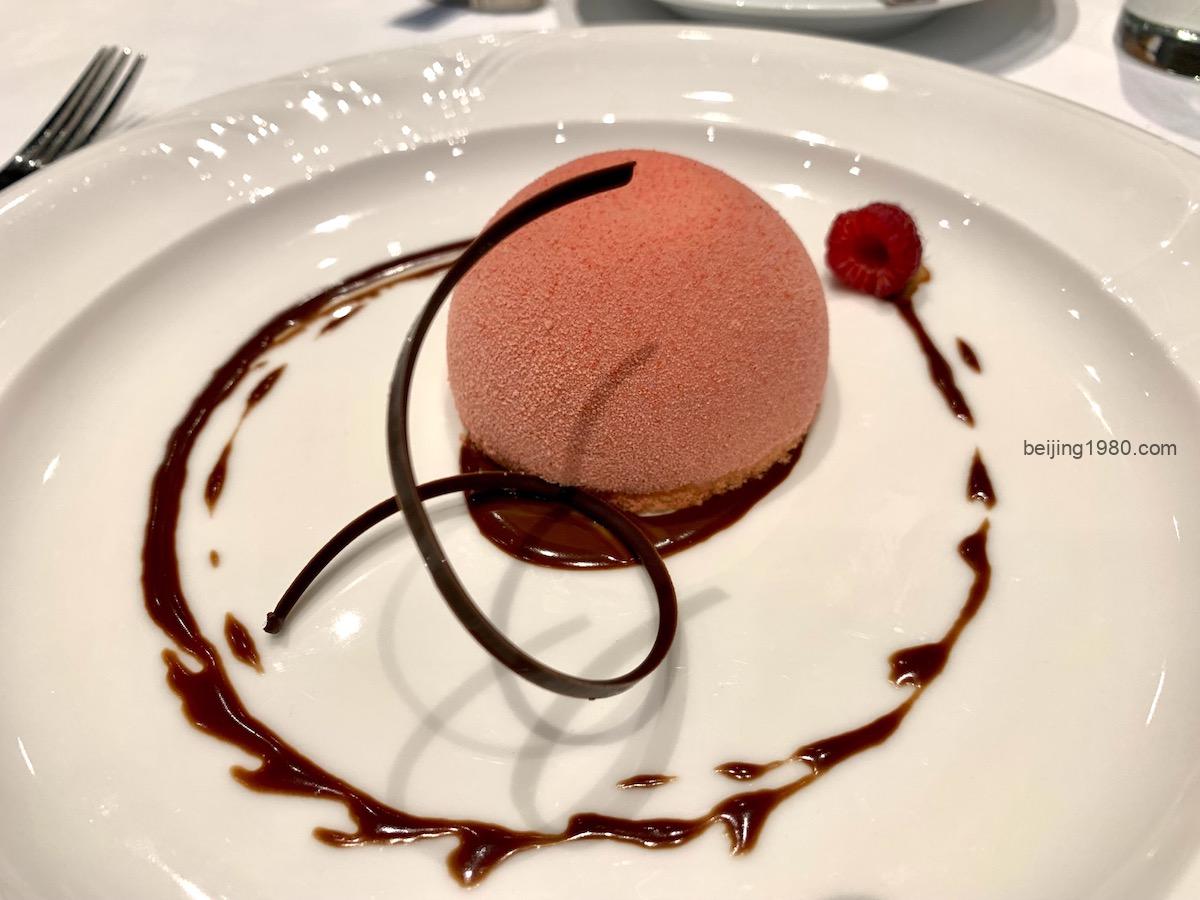
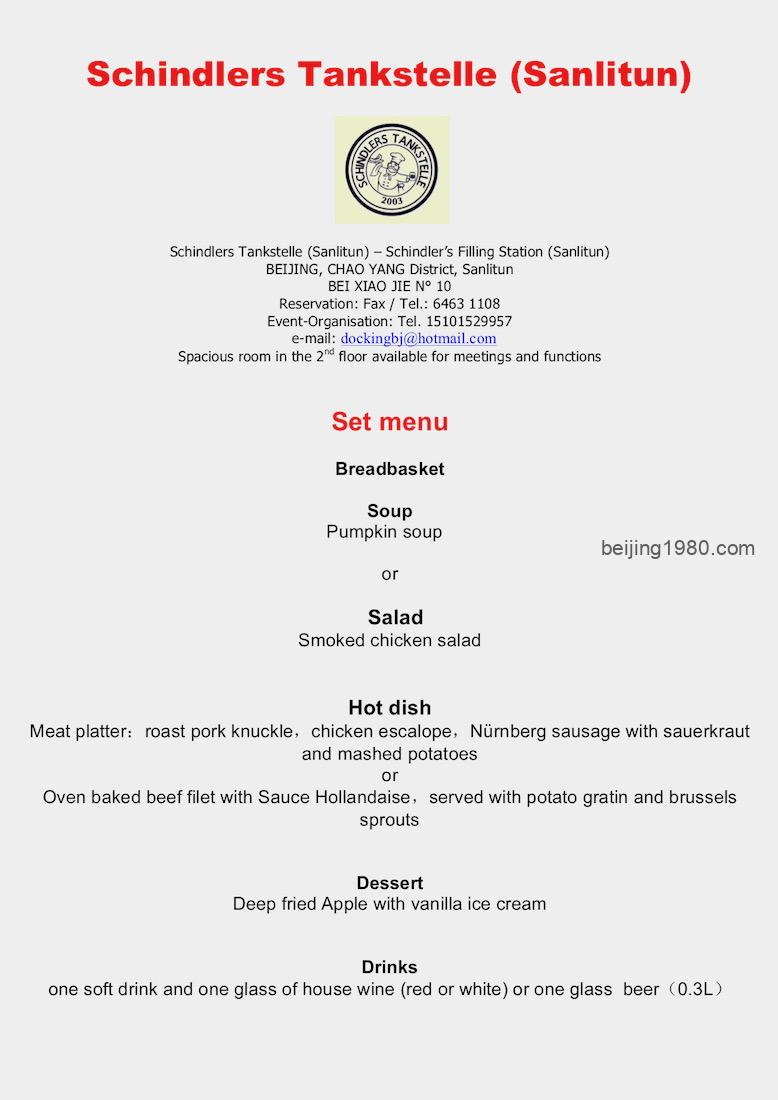
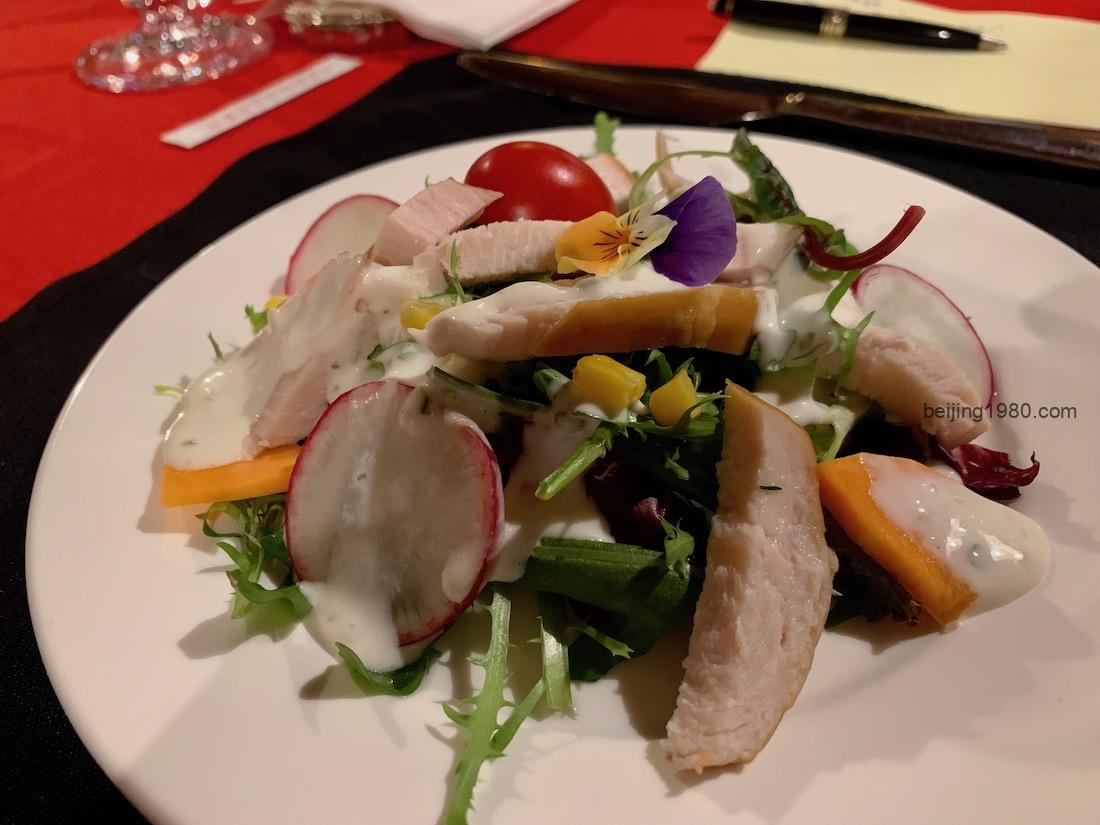
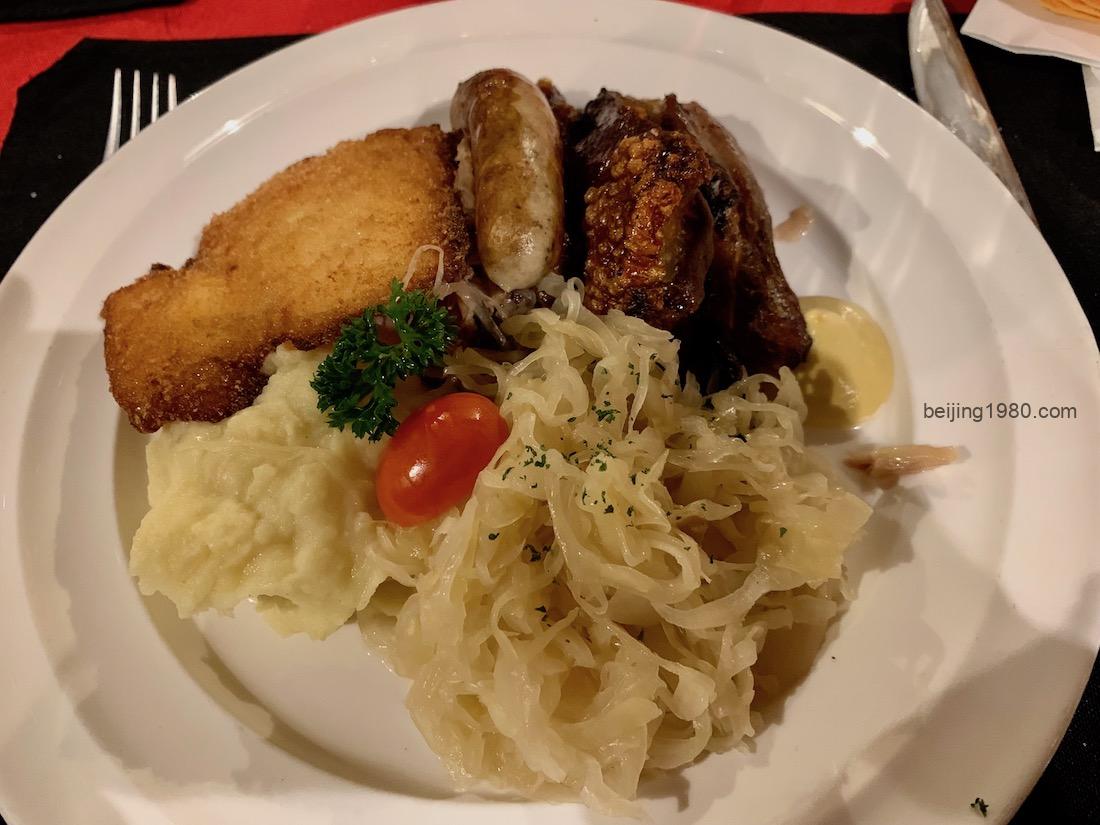
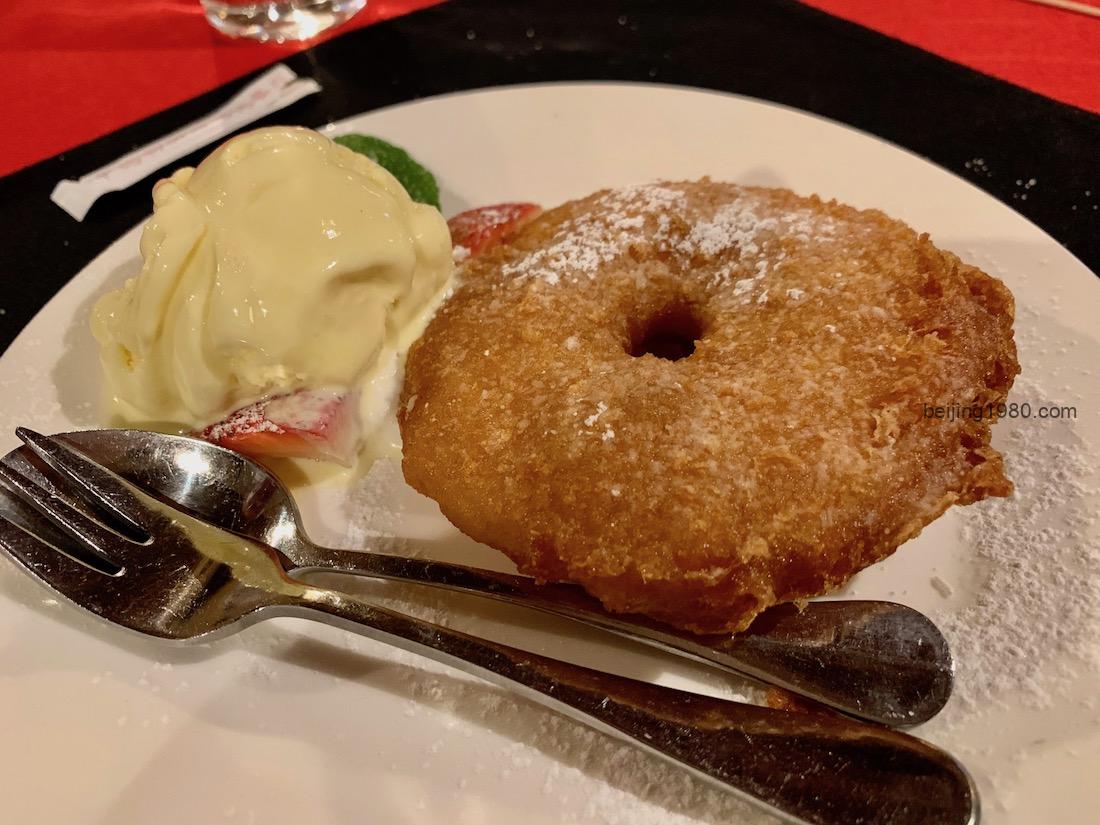
See some of the dishes!

Summary of the talk

(by Rtn Piper)

Corporate Social Responsibility (CSR) has in recent decades moved from internal self-regulation to an integral part of overall corporate strategy. In the west, listed companies can often find themselves in need to design and institute vibrant CSR strategies to meet shareholders’ and activist calls. CSR has not only become an important PR tool but has also become a key share price driver for many of the publicly traded companies. In China, CSR can take on a different dimension for many domestic and multinational corporations. CSR not only has to align with corporate’s global strategies, but it also must meet the Chinese government’s priorities. As Joyce put it, Volkswagen China started its CSR fund in 2014, and during the years since has operated an active CSR program. After nearly a year of investigation and strategic planning in 2020, Volkswagen China unveiled its new five-year CSR strategy starting in 2021. This new strategy is integrated with Volkswagen’s global mission to commit to carbon neutrality and fighting climate change. In China, Volkswagen’s CSR strategy stands on four pillars: low carbon, economic empowerment, education, and social care. Except for the last pillar, Social Care, which expends on disaster relief, like Covid relief, the other three pillars are set in motion with well-crafted action plans. The low carbon Green Belt focuses on tree planting in the western provinces to fight deforestation and degradation of soil. Education Youth Summit aims to select and fund low carbon mobility projects started by university students. Through this Summit platform, Volkswagen China not only can uncover low carbon mobility but can also build competence for young people. Meeting the top leadership’s wants, Volkswagen also sets up grassroots football training to nurse the football capability of the young. As part of its community support program, Volkswagen donates sports equipment to schools and first aid kits and training to village clinics. As a group policy, Volkswagen companies do not give or operate direct CSR programs but give all donations through government-sponsored foundations. Besides financial expenditures, Volkswagen also encourages active employee volunteering, so its employees can share the pride and knowledge of the corporate CSR programs.
Gilbert and CSR

I have been a speaker on CRI at several occasions.

  • The Asian-European ECA Coaching Congress (AECC), on the 6th and 7th of May 2013 in Beijing. My topic on 7 May 2013: “CSR and Sustainability”
  • 2nd ASIAN-EUROPEAN MANAGEMENT & COACHING CONGRESS 17-19 September 2014 – Shanghai. My topic on 18 September 2014: “CSR and Sustainability”.
    Responsible Innovation, Environmental Sustainability and Corporate Social Responsibility
    Speaker Mr. Gilbert Van Kerckhove, European Chamber Vice Chair, former ALSTOM Director East China
  • 22 November 2012 – the 2012 AGRION global summit. Panel Discussion: Sustainable Development & CSR.
    See: https://blog.strategy4china.com/2012/12/gilbert-at-the-agrion-seminar-event/


CRI Interview in French

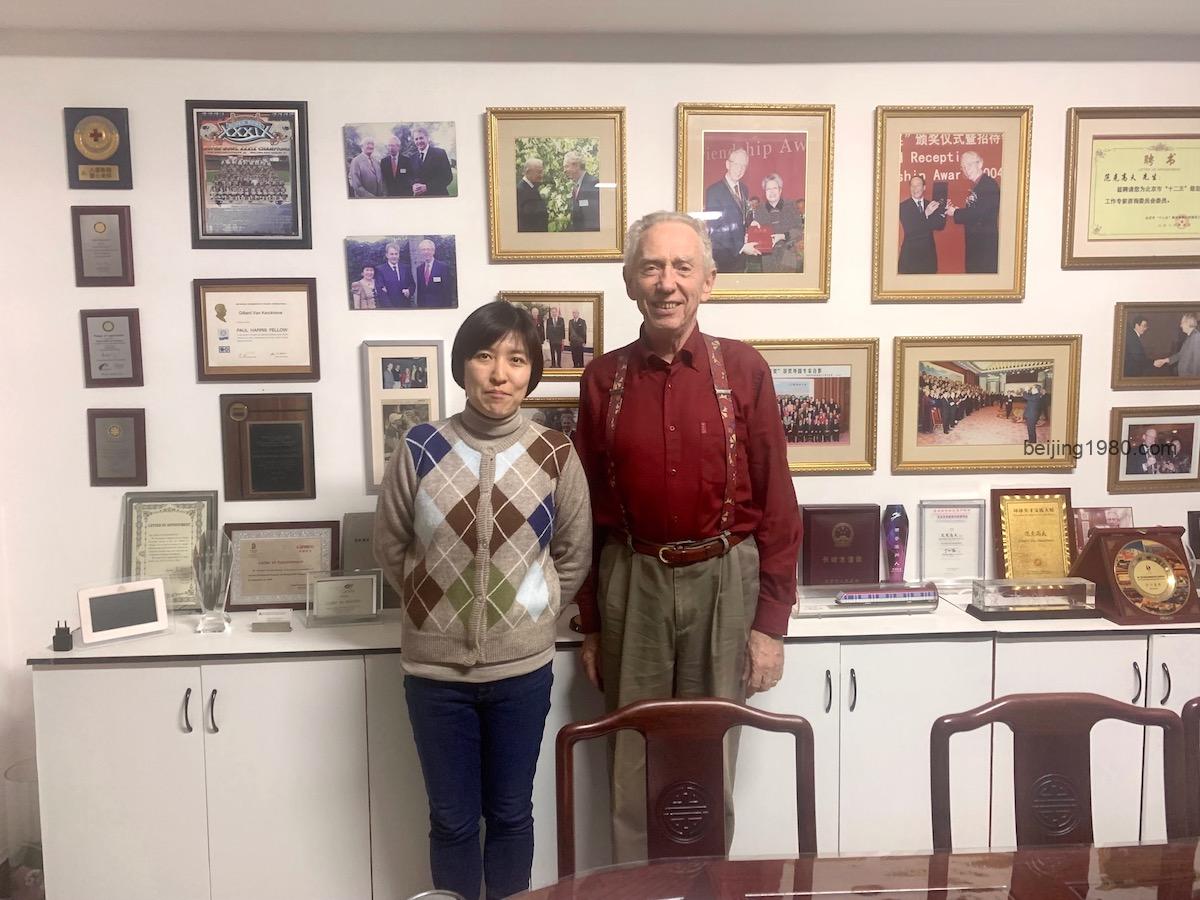
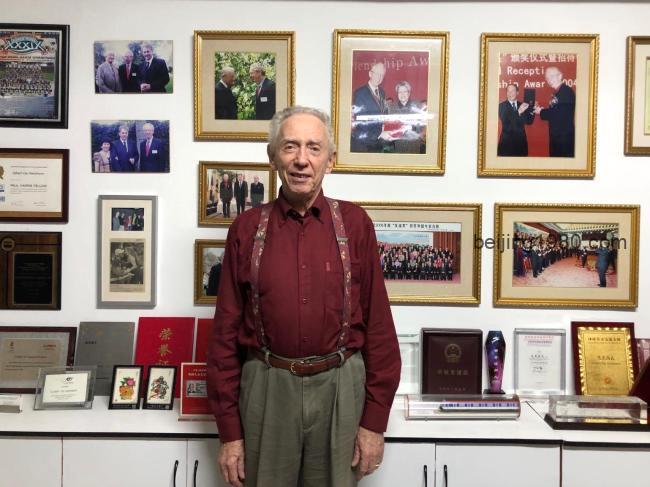
In our office meeting room

On 8 November 2021 CRI Interview in French in my office, with the journalist Zhang Xiyan who had prepared a list of questions for me, see here: 211108 CRIquestions
The topic was my 40 years in China.

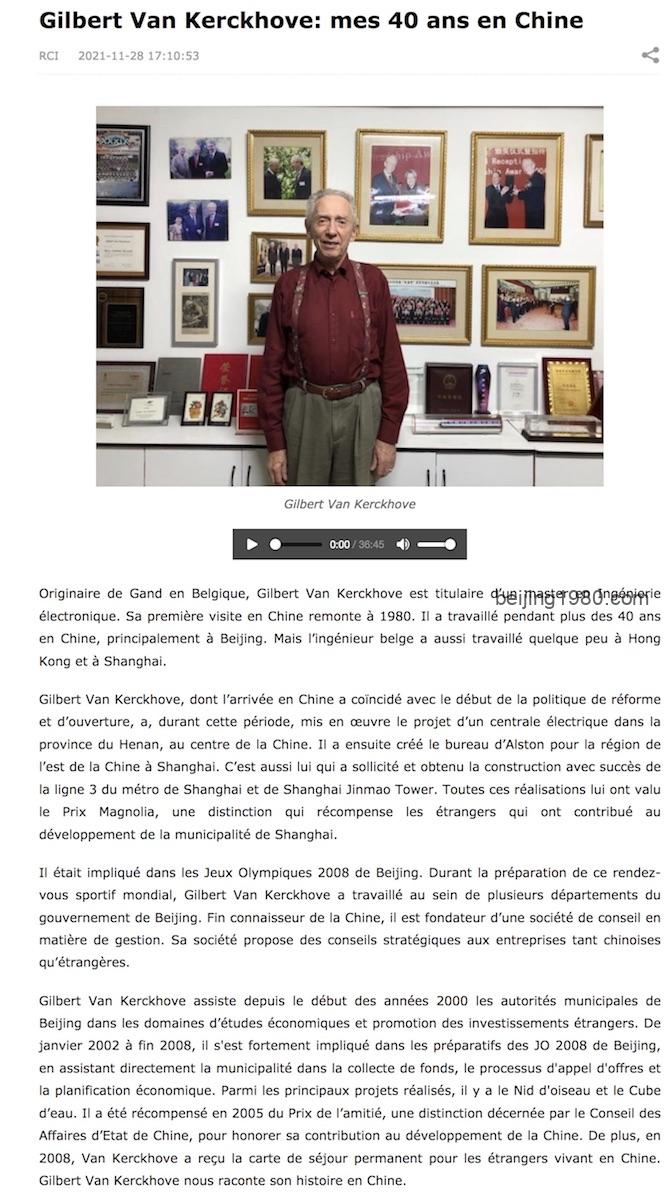
The interview online on 28 November 2021, in French

Média: service radio, CGTN français, or CRI (China Radio International)Gilbert Van Kerckhove, dont l’arrivée en Chine a coïncidé avec le début de la politique de réforme et d’ouverture, a, durant cette période, mis en œuvre le projet d’un centrale électrique dans la province du Henan, au centre de la Chine. Il a ensuite créé le bureau d’Alstom pour la région de l’est de la Chine à Shanghai.
http://french.cri.cn/interview/list/714/20211128/733991.html

Voici le contenu: 211128 CRIinterview

Un extrait des 36 minutes:

“Originaire de Gand en Belgique, Gilbert Van Kerckhove est titulaire d’un master en Ingénierie électronique. Sa première visite en Chine remonte à 1980. Il a travaillé pendant plus des 40 ans en Chine, principalement à Beijing. Mais l’ingénieur belge a aussi travaillé quelque peu à Hong Kong et à Shanghai.

Gilbert Van Kerckhove, dont l’arrivée en Chine a coïncidé avec le début de la politique de réforme et d’ouverture, a, durant cette période, mis en œuvre le projet d’un centrale électrique dans la province du Henan, au centre de la Chine. Il a ensuite créé le bureau d’Alstom pour la région de l’est de la Chine à Shanghai. C’est aussi lui qui a sollicité et obtenu la construction avec succès de la ligne 3 du métro de Shanghai et de Shanghai Jinmao Tower. Toutes ces réalisations lui ont valu le Prix Magnolia, une distinction qui récompense les étrangers qui ont contribué au développement de la municipalité de Shanghai.

Il était impliqué dans les Jeux Olympiques 2008 de Beijing. Durant la préparation de ce rendez-vous sportif mondial, Gilbert Van Kerckhove a travaillé au sein de plusieurs départements du gouvernement de Beijing. Fin connaisseur de la Chine, il est fondateur d’une société de conseil en matière de gestion. Sa société propose des conseils stratégiques aux entreprises tant chinoises qu’étrangères.”

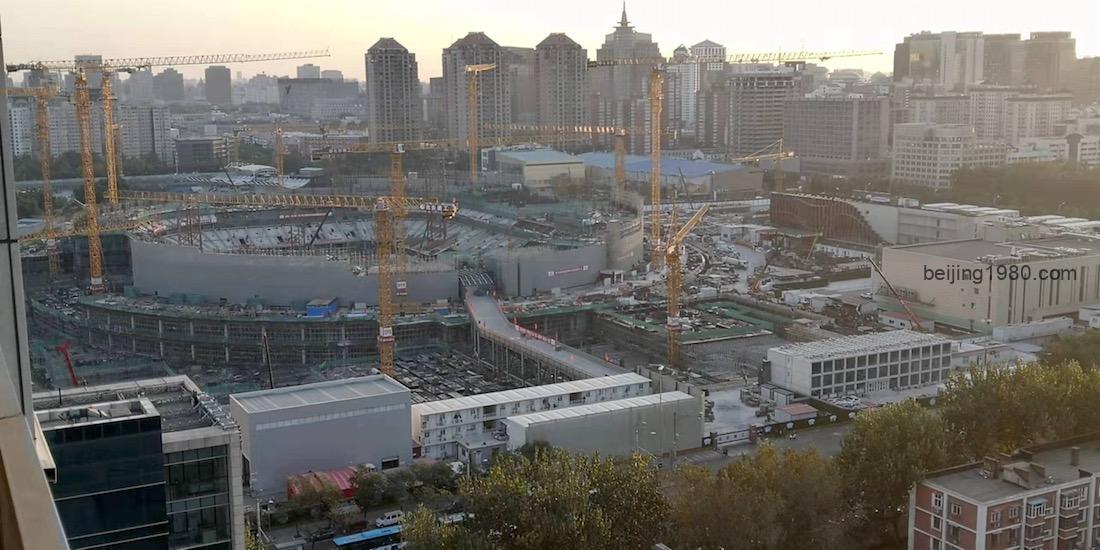
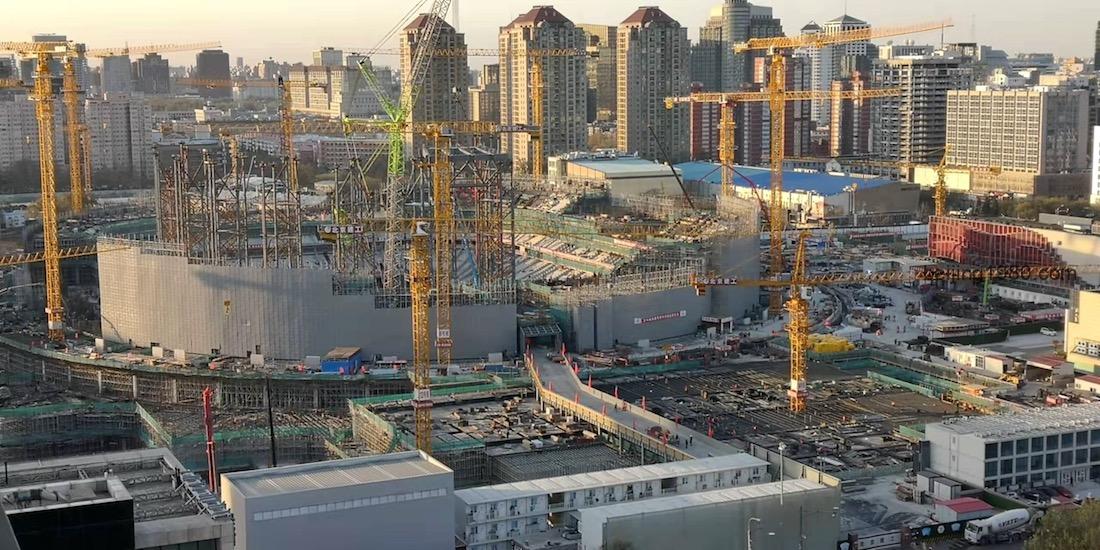
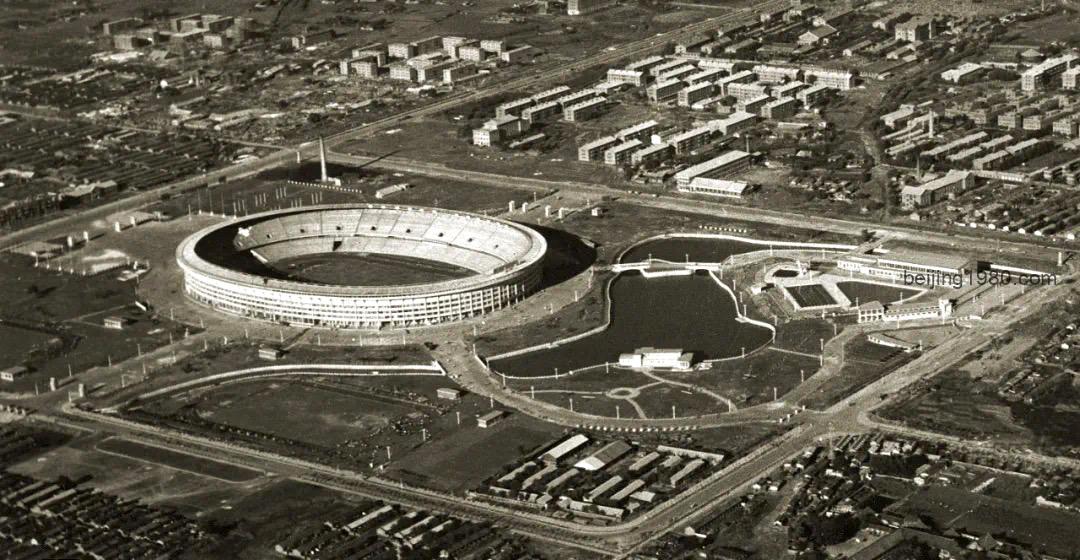
Beijing Worker’s Stadium taking shape

Impressive progress

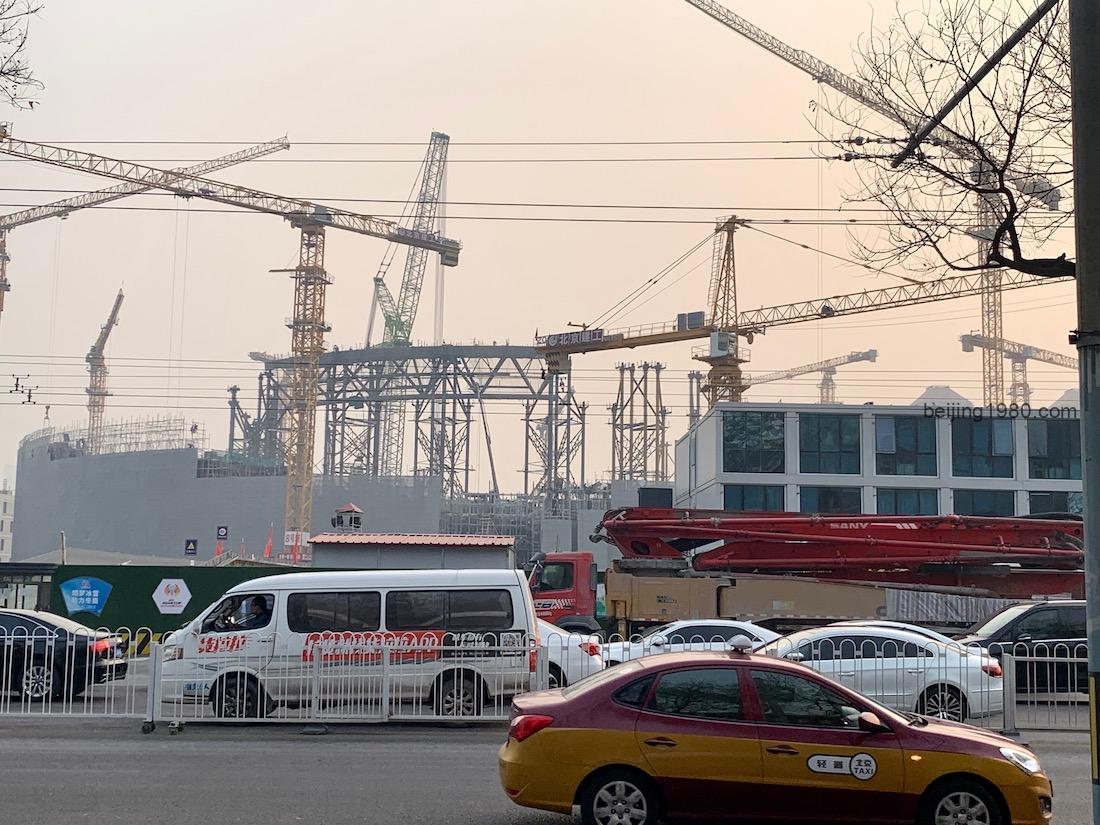
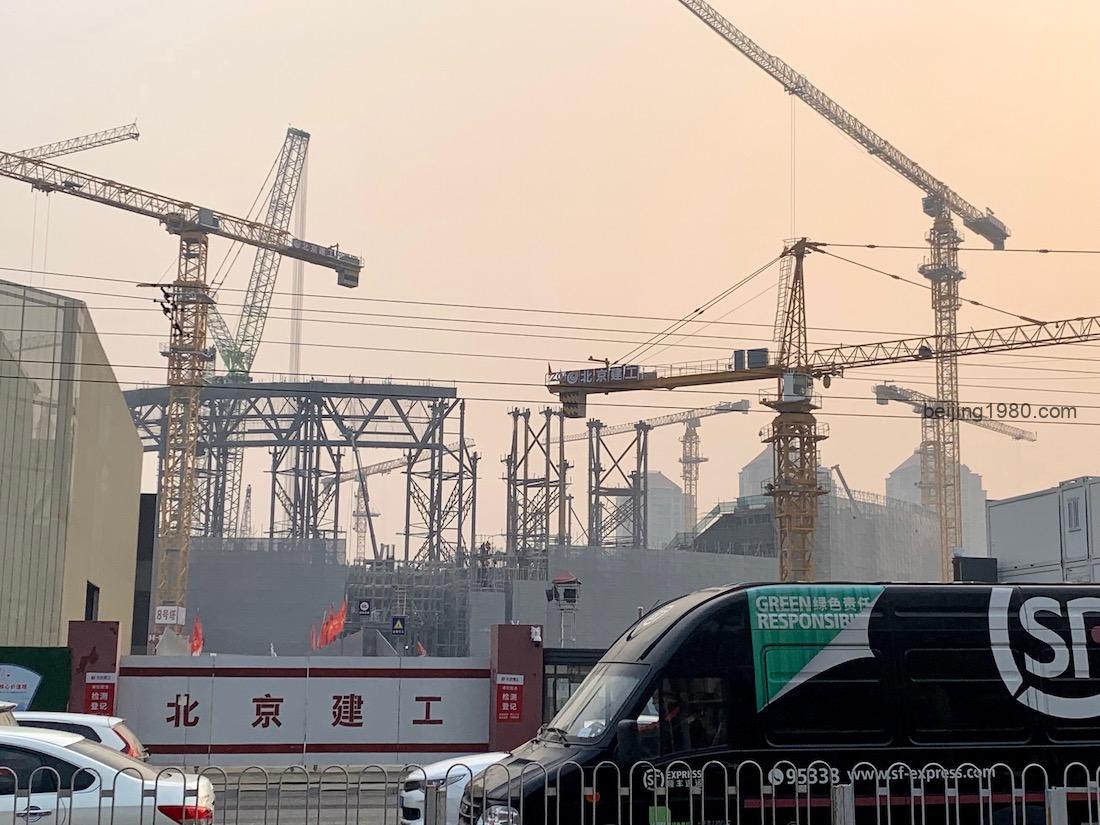
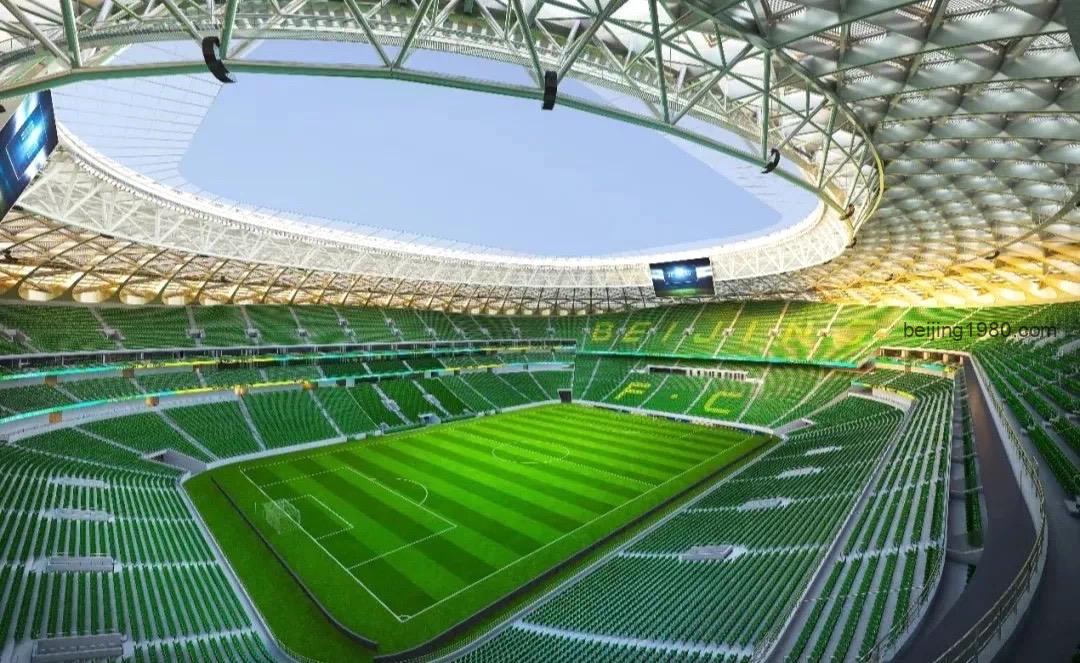
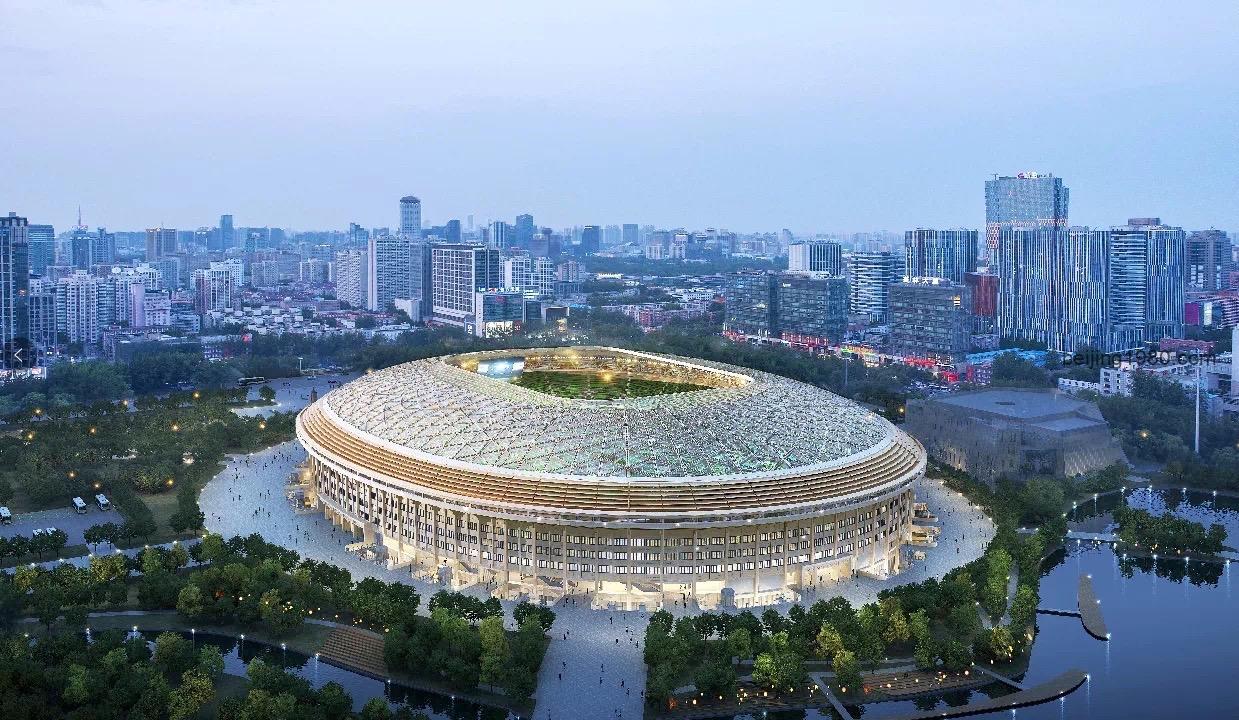
Beijing Worker’s Stadium taking shape, this time one can see the outside perimeter and the rooftop being constructed.

See here earlier posts of what is going on in our gongti area:

Beijing Gongti demolition

New Beijing Workers Stadium

Gongti strip to disappear

See pictures taken 30 October and 18 November 2021.

The construction area is immense and as said earlier, other arenas and buildings are coming up besides the main stadium.
The area also has many container buildings to house the dormitories and offices for the construction companies.
Leaving across the street I must say we have no any problems and have not been hindered by the huge construction, despite a continuous flow of concrete mixers and other heavy trucks. Many start delivering in the late evening and it is all pretty efficiently organized.

What we can expect

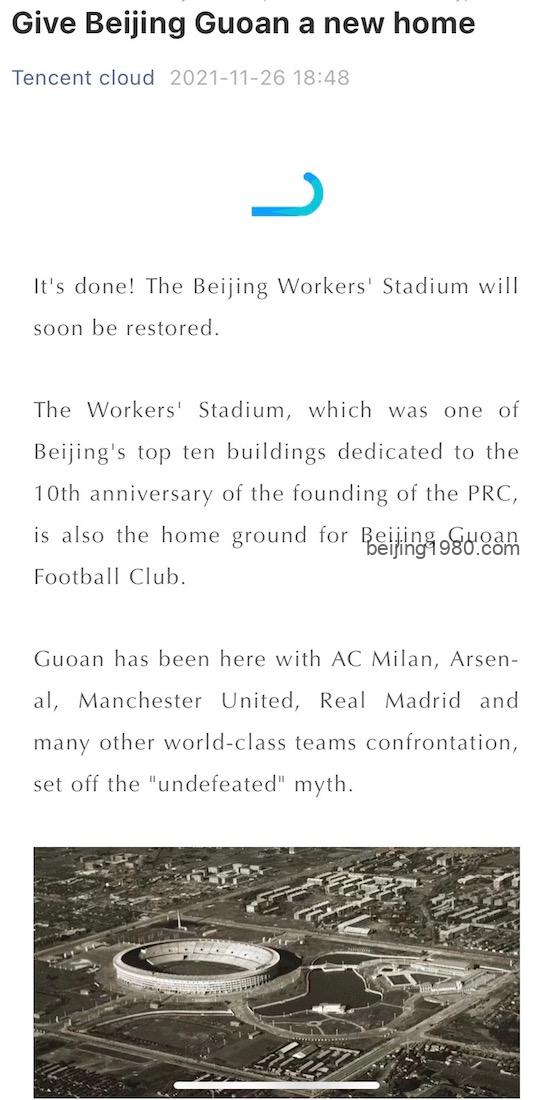
See here how the stadium looked around 1959, seen from the south. The whole area around it has changed dramatically. And a few pictures of what we can expect.

Here also an article in Chinese with Google translation about the new stadium.

211126 Newgongti

“In 2023, the new sports club will host the opening and closing ceremonies and finals of the Asian Cup.”
I keep you posted of the progress, thanks to a Dutch lady who makes the panoramic pics from her apartment.

Old China Hands 3 December lunch

Magic number

Our Old China Hands 3 December lunch again reached the “magical” number of 27 attendants who had a great time, eating and chatting. It was the last lunch of the year. We wish all our members are nice end of the year holiday period, wherever they are. I will remain in Beijing to spend the special days, including my birthday.
Next lunch planned for 7 January 2022.

See some of the dishes, such a nice lunch menu.
What few people know, the restaurant has two unique machines used in hospitals among other. The technician just came to change the special product used in the machine. ZYUNICON series air disinfectors integrate several functions, including personnel safety on medical-level, efficient virus elimination, formaldehyde & odor removal, and continuous antibacterial effect on object surfaces.

Matthew, our actor

We have many colorful members, Matthew for sure fits the bill. Among his many activities like creating ZEN moments and teaching, he also acts.

His latest:
Xiangshan Ye Zhenghong  –  香山叶正 is a Chinese TV series that is being broadcast on CCTV1. Matthew Cuerdon played the historical figure, Secretary of State Dean Acheson, circa 1948-1949.

On March 25, 1949, Mao Zedong and the Central Committee of the Communist Party of China entered the Xiangshan Shuangqing Villa in Beijing and began preparations for the founding of the country. The Kuomintang Chiang Kai-shek offered to negotiate, but he had no sincerity. He intended to delay the negotiations and prepare for war. Mao Zedong negotiated in good faith while doing the same. Well prepared to cross the Yangtze River, and sure enough, the peace talks broke down. Mao Zedong commanded millions of heroes to cross the Yangtze River and liberated all of China.
The four beams and eight pillars of the new China were built in October 1949.

Kent, author

Our dear friend Kent left us for sunny USA and just published his book.

Are We A Bus? Paperback – November 15, 2021, by JEFF AGINS (Author), KENT NIEPERT (Author)
See the intro of the book:

World’s greatest guitarist The Doctor, Jurgen Weislangwolf’s latest tour was locked down and ready to kick off like any other tour. But an ex-stage manager had other plans, waiting for his chance to get back out on the road. Without any fanfare, the tour started with an unnoticed set of eyes watching every detail.

Hardened tour professionals Jeb and Neusy can easily navigate any tour loaded with con men and rip off artists in their path. When murder and mayhem started to become an obstacle, the success of the tour became dependent on them keeping the band safe.
Content and enjoying his new life on the road, the ex-stage manager always watching and waiting for his opportunity to create chaos, which increased once he realized the incompetence of the two FBI agents that were assigned to the tour.
Comedy and satire on an already humorous industry where vile and disreputable people have been known to ruin many careers.

A wild and zany rock tour filled with whimsical characters around every corner. From promoters always trying to gain an upper hand to having to share the stage with absurd opening bands and working for a guitarist with an ego the size of Florida, Jeb and Neusy the consummate tour professionals always seem to have their hands on the pulse of every situation even when their bass player goes missing.
Life on a crowded bus also has its challenges for tour manager Jeb Acorns and his stage manager Kurt Neustadt. With a band of Austrian musicians, just happy to be on tour and a crew consisting of the foul mouthed but steady stage hand Hocker Flemming and the homesick merchandise assistant Marlon Jiggs, constantly searching for the nearest marijuana dispensary to help ease him from being away from his family.

To read more and buy: https://www.amazon.com/dp/173740270X/

9 November 2021 Rotary talk on digital assets

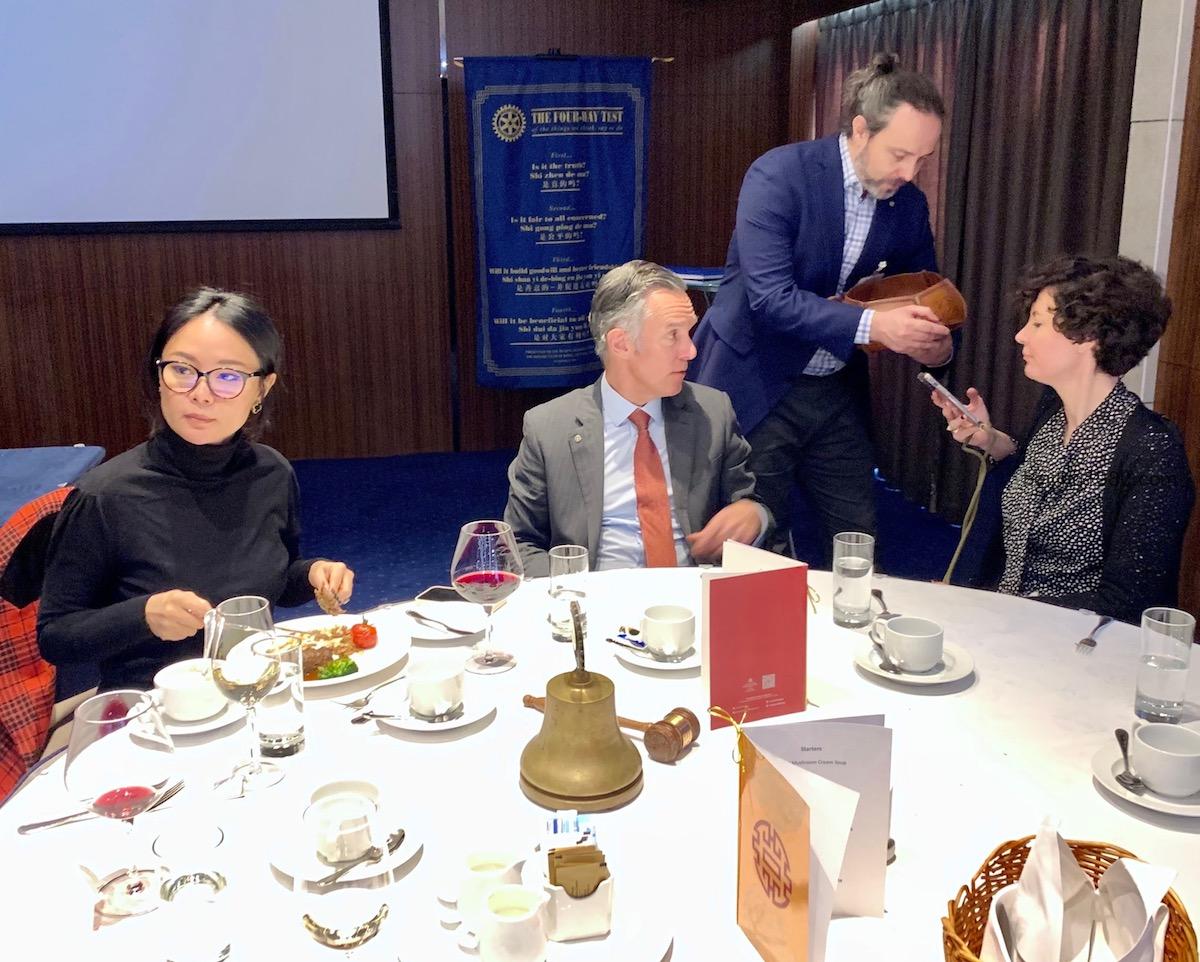
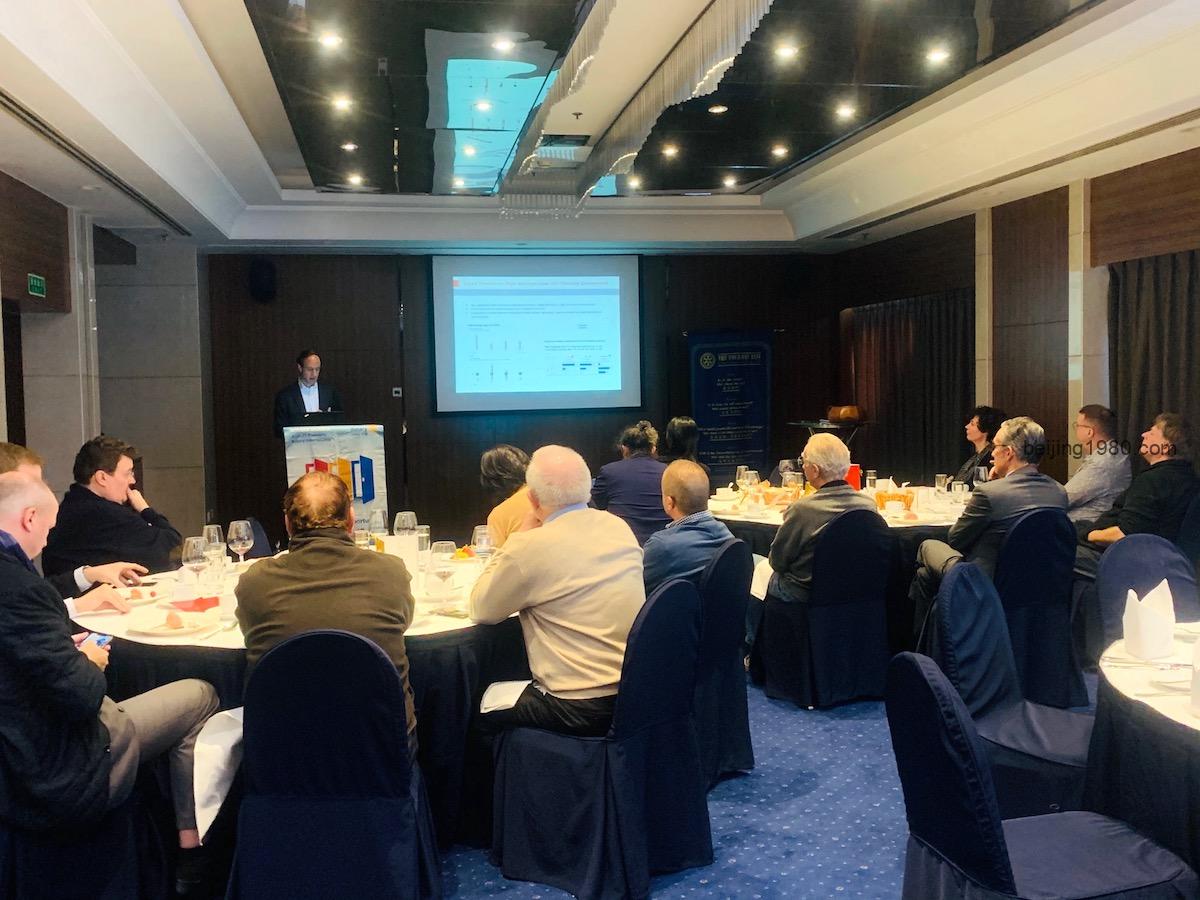
Dinner meeting in Schindlers Sanlitun

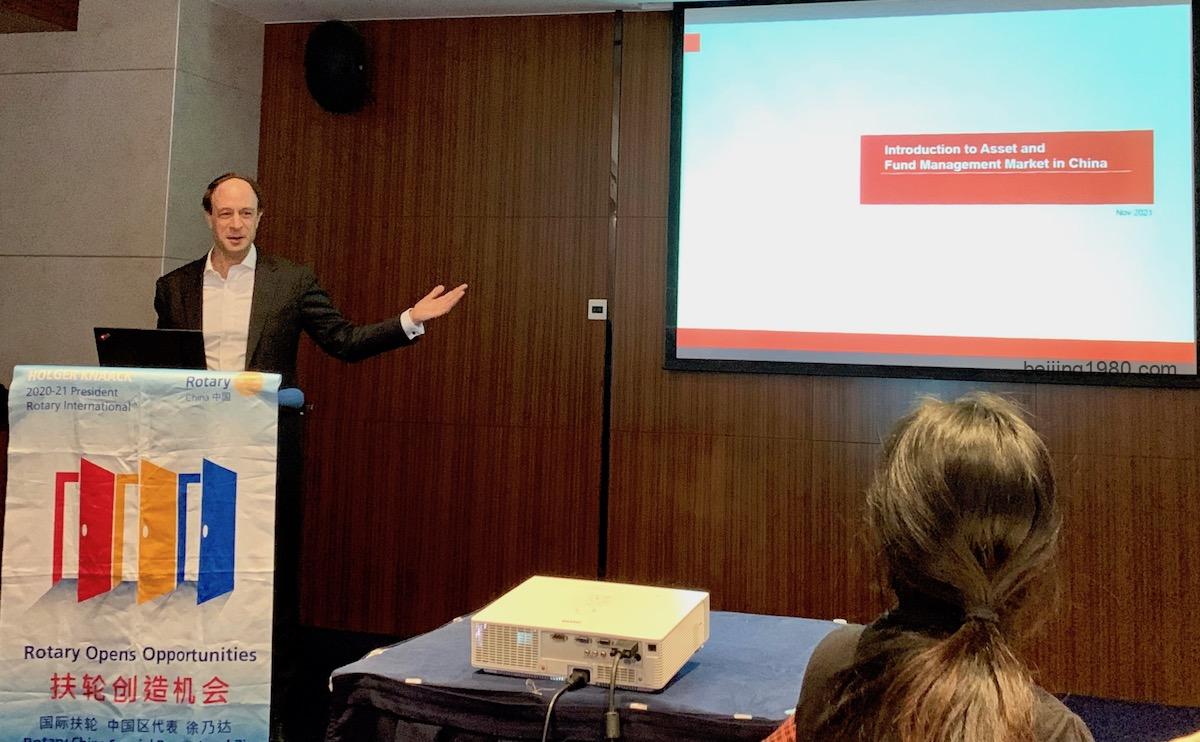
For our 9 November 2021 Rotary talk on digital assets we had as speaker Cici Lu.
Topic: Insights and outlook for digital assets

Highlight of the talk

Cici Lu, Senior Partner of Apollo Capital Asia – an Australian leading crypto asset manager. Cici was born in Beijing, her schooling and career brought her to Canada, the UK, briefly in Australia and now Singapore. Prior to joining the crypto asset management industry, she had over 10 years of institutional banking career, specifically in investment banking, FI & FX trading across 4 continents. Cici would love to share us her unique perspective on crypto assets as tools to enable UN Sustainable Development Goals to create a more inclusive and efficient world
Topic: “Crypto Assets as Tools to Create a More Inclusive and Efficient world.”

For many digital asset uninitiated who are often confused by all the fuss and the spectacular rise and fall of Bitcoin or the haute technological power of Blockchain, Cici Lu, a Beijing native, educated in Canada, has built a career in IB across four continents and now works as an asset manager for a Singapore-based Crypto asset fund, Apollo. In her talk, Cici put all confusions to rest and painted a simpler picture of digital assets and how those assets could change the way we conduct financial transactions in the future. Cici explained how fast-growing innovations in cryptocurrencies have created a new asset class that has grown fast to become the new darling among financial products. In her plain and easy-to-understand presentation, Cici explained the difference between Blockchain and Cryptocurrencies. Fueled by the development of Web 3.0 to be built on blockchain technology, the trend toward Decentralized Finance, DiFi, is gaining traction.

Compared to the traditional Web 2.0 which powered apps like Google, Facebook, and Amazon and allowed them to harvest profits from consumers, Web 3.0 on Blockchain provides enhanced security, better transparency, instant traceability, increased efficiency and speed, as well as automation via smart contracts. While blockchain and crypto have become popular vocabularies, few understand the differences between them. Blockchain is an open-source public ledger on a network that runs on cryptographic consensus. When participants validate their trades on the blockchain, they then ensure the integrity of the ledger, and the more validated trades on a blockchain the more participants will use this blockchain and thus allow the blockchain to scale. So those validating traders are rewarded with additional crypto assets.

The recent flurry of introductions of Smart Contracts, referring to transactions by self-executing digital agreements governed by software codes, fueled even more imaginations for future financial products. Available on many Blockchains, those smart contracts, accessible via computers or smartphones, can provide financial features of borrowing, lending, and even supply chain management. Those smart contracts are executed through payments using the native tokens of that blockchain, so the more people use this blockchain the more valuable those tokens become.

Currently, $275 billion, twice the HSBC market cap, is locked in DeFi smart contracts protocols and this number is fast growing. Cici finished her presentation by illustrating the importance of positive social impact and financial inclusion blockchain and smart contracts will bring to communities worldwide.